



















































Beyond the Tourist Trail: Why the Ardèche Is France's Best-Kept Outdoor Secret
Planning a trip to the Ardèche? Share your questions in the comments below, or explore our related guides on hiking in southern France and the best canoe routes in Europe.
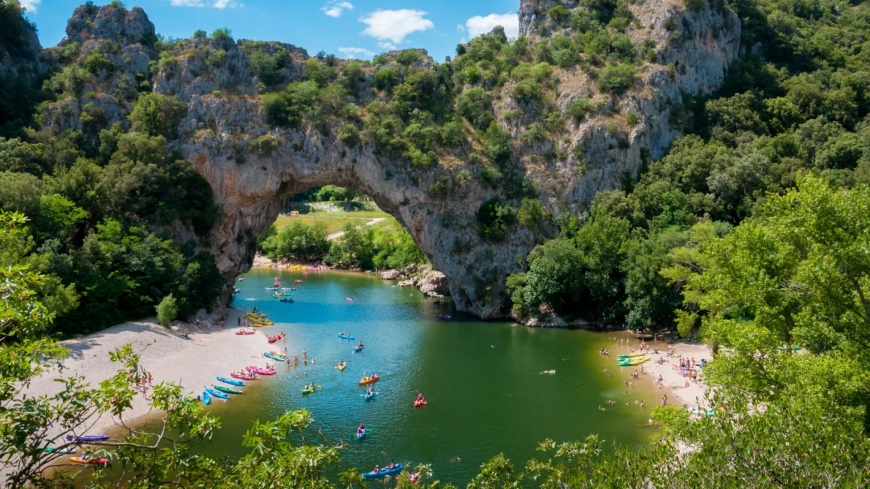
Table of Contents
- Introduction: The France Nobody Talks About
- Where Exactly Is the Ardèche?
- The Ardèche Gorges: A Natural Wonder That Rivals the Grand Canyon
- Kayaking and Canoeing: Life on the River
- Hiking Trails That Will Take Your Breath Away
- Rock Climbing and Via Ferrata for Thrill-Seekers
- Wild Camping and Sleeping Under the Stars
- Cave Exploration: The Underground World of the Ardèche
- Cycling Routes Through Wine Country and Lavender Fields
- Wildlife and Nature: What to Look Out For
- Best Time to Visit the Ardèche
- Getting There and Getting Around
- Where to Stay: From Campsites to Farmhouses
- Practical Tips for First-Time Visitors
- Final Thoughts: Why the Ardèche Deserves a Spot on Your Bucket List
-
Introduction: The France Nobody Talks About
Every seasoned traveller eventually grows tired of the same conversation. Paris for the Eiffel Tower. Provence for lavender fields. The Riviera for beaches. And while none of those destinations disappoint exactly, there is a France that sits quietly in the background, untouched by selfie sticks and tour buses, waiting patiently to be discovered.
That place is the Ardèche.
Tucked into the southeastern corner of the Massif Central, the Ardèche département is one of the least densely populated regions in all of France. No international airports. No motorway slicing through its heart. No luxury resort chains lining its riverbanks. What it does have is something increasingly rare in modern travel: authentic, raw, spectacular natural beauty with enough outdoor adventure to keep you busy for weeks.
This is not a place you stumble across by accident. You have to choose the Ardèche. And those who do tend to come back year after year, quietly relieved that it hasn't yet become another item on the mainstream tourist checklist.
-
Where Exactly Is the Ardèche?
The Ardèche is a département in the Auvergne-Rhône-Alpes region of south-central France, named after the river that carves through it. It borders the Drôme to the east, the Gard and Hérault to the south, the Lozère and Haute-Loire to the west, and the Loire to the north.
Its terrain is dramatically diverse, volcanic plateaus in the north give way to limestone gorges in the south, and rolling chestnut forests sweep across everything in between. The Ardèche River itself flows roughly 125 kilometres before joining the Rhône near Pont-Saint-Esprit, and the southern stretch of that journey, through the famous gorges, is where outdoor enthusiasts truly fall in love with this land.
The nearest large cities are Lyon (about two hours north), Montpellier (roughly 90 minutes south), and Nîmes to the southeast. Despite its proximity to these urban centres, the Ardèche feels a world away.
-
The Ardèche Gorges: A Natural Wonder That Rivals the Grand Canyon
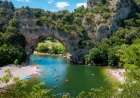
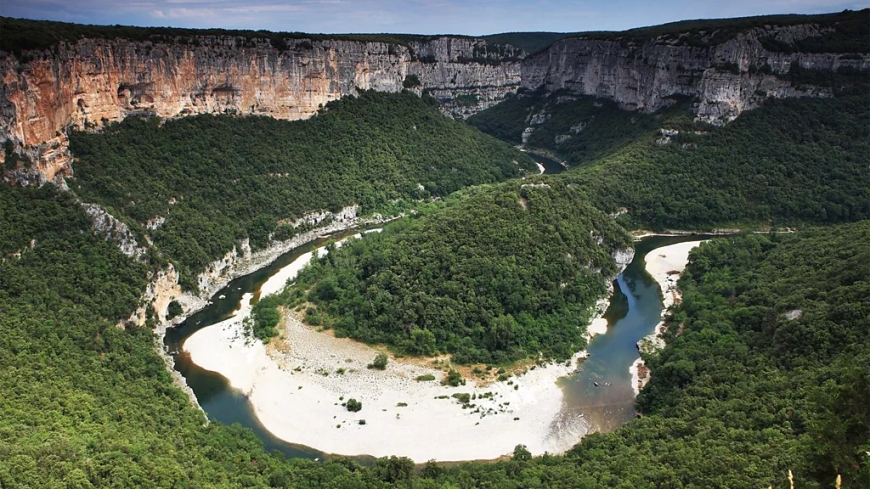
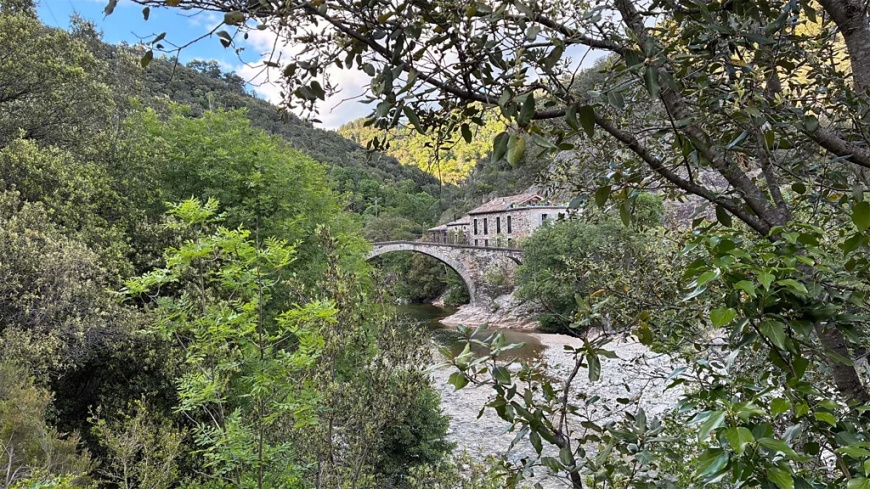
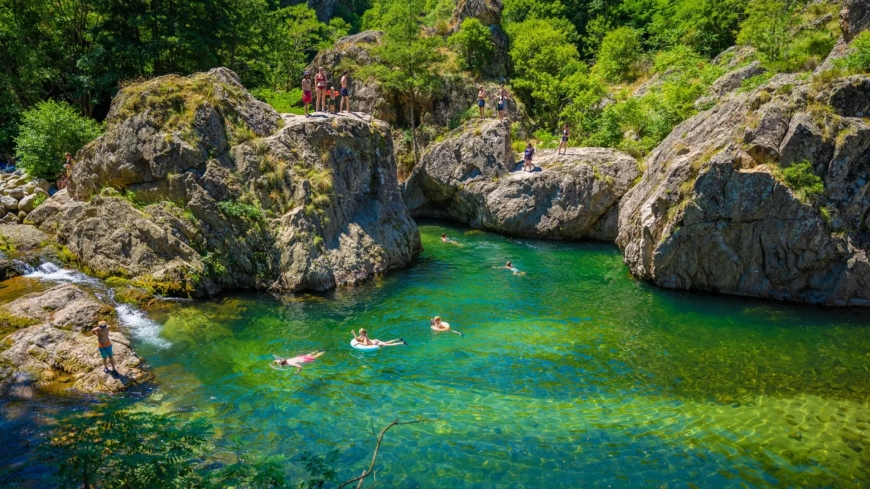
If there is one feature that defines the Ardèche for the outdoor traveller, it is the gorges. Stretching for approximately 30 kilometres between Vallon-Pont-d'Arc and Saint-Martin-d'Ardèche, the Ardèche Gorges plunge up to 300 metres deep into the limestone plateau. The cliffs are dramatic, the vegetation lush, and the river that winds below is a shifting ribbon of turquoise and jade depending on the light.
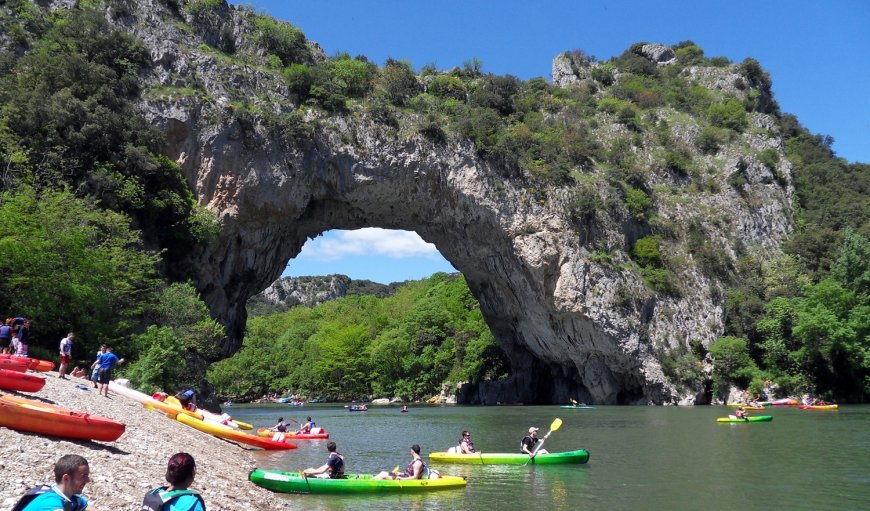
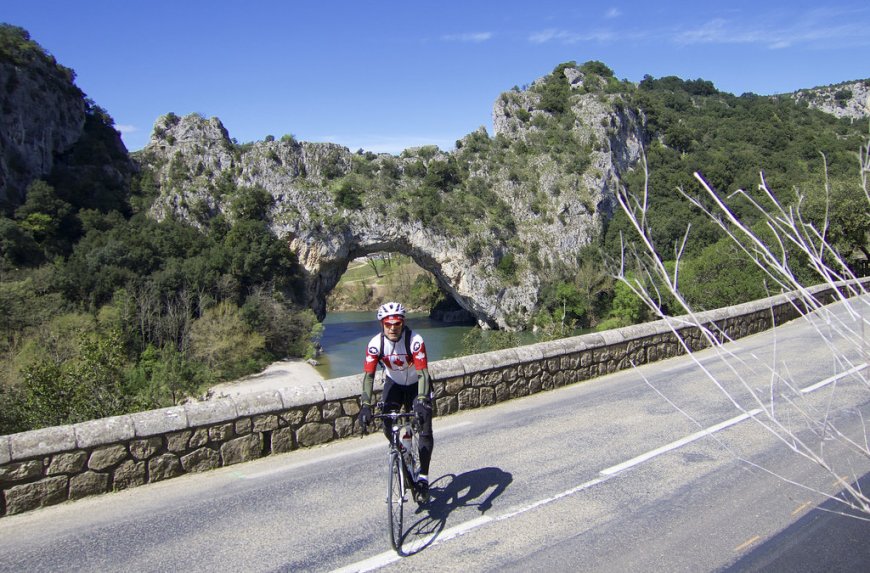
At the entrance to the gorges stands the Pont d'Arc, a natural stone arch that spans 59 metres across the river, one of the largest natural arches in Europe. It is an extraordinary geological formation, and in the height of summer, the beach below it buzzes with canoeists and swimmers. But venture even a few kilometres beyond this popular spot and the crowds thin quickly, replaced by the sound of water and wind and birdsong.
The gorges were designated a Natural Reserve in 1980, and much of the land surrounding them is protected. This has kept development at bay and ensured that the landscape retains a genuinely wild character. Wild boar roam the plateau. Golden eagles circle overhead. And on still mornings, the river reflects the towering cliffs in perfect, glassy silence.
-
Kayaking and Canoeing: Life on the River
If the Ardèche has a signature activity, it is paddling the river. Every summer, thousands of kayakers and canoeists take on the classic two-day descent of the Ardèche Gorges, launching from Vallon-Pont-d'Arc and finishing at Saint-Martin-d'Ardèche. The route covers around 30 kilometres and is considered accessible to beginners, though it demands respect, the river can rise quickly after rain, and certain sections in late spring carry a genuine current.
Along the way, paddlers pass beneath overhanging cliffs, glide through calm pools, and navigate a handful of rapids that range from gentle to genuinely exciting. Wild camping on the river's sandy beaches is permitted in designated spots, turning the descent into a proper overnight adventure rather than a simple day trip.
For those wanting to go deeper into paddling, the upper Ardèche River and its tributaries, the Chassezac, the Beaume, and the Ligne, offer more technical whitewater during the winter and spring months, drawing experienced kayakers from across Europe.
Equipment hire is straightforward and affordable from the villages around Vallon-Pont-d'Arc, and guided options are widely available for those who prefer not to navigate alone.
-
Hiking Trails That Will Take Your Breath Away
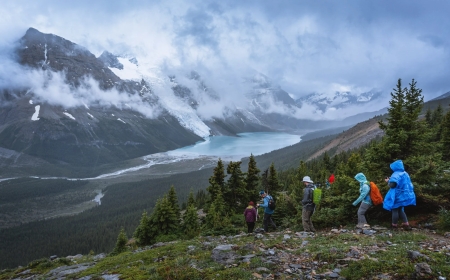
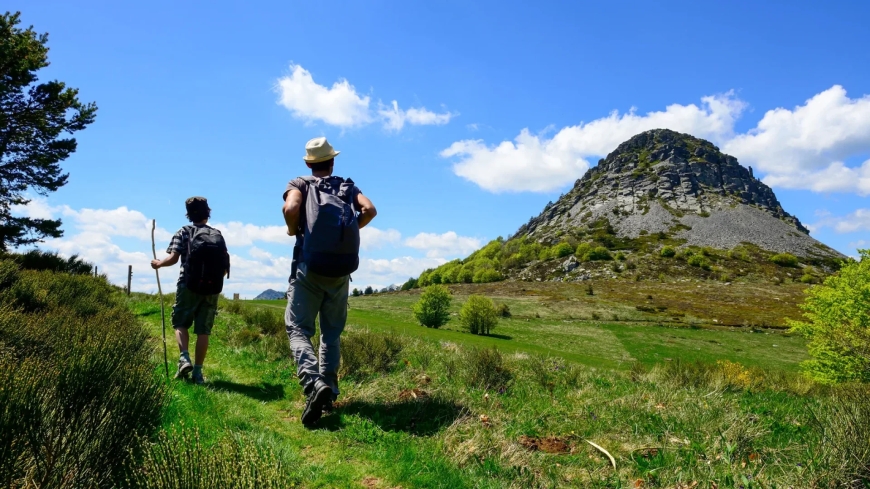
The Ardèche is threaded with hundreds of kilometres of marked hiking trails, ranging from gentle valley walks to challenging ridge routes across the volcanic highlands of the north.
The GR4, one of France's long-distance Grande Randonnée paths, passes through the region, winding across the volcanic tablelands of the Ardèche mountains before descending toward the Mediterranean landscapes of the south. Walking this route end-to-end takes several days, but individual sections make superb day hikes.
Around the gorges themselves, the Haute Corniche trail follows the clifftop rim above the river for around 24 kilometres, offering vertiginous views down into the canyon below. This is one of the finest walks in southern France, and because it requires a car shuttle or return taxi rather than a circular loop, it sees far fewer walkers than it deserves.
In the north of the département, the Mézenc Massif and the Gerbier de Jonc, the volcanic dome where the Loire River has its source, offer striking highland walks with panoramic views across multiple regions on a clear day.
Spring and autumn are ideal for hiking. Summer heat in the south can be intense, and the GR routes above 1,200 metres can hold snow well into April.
-
Rock Climbing and Via Ferrata for Thrill-Seekers
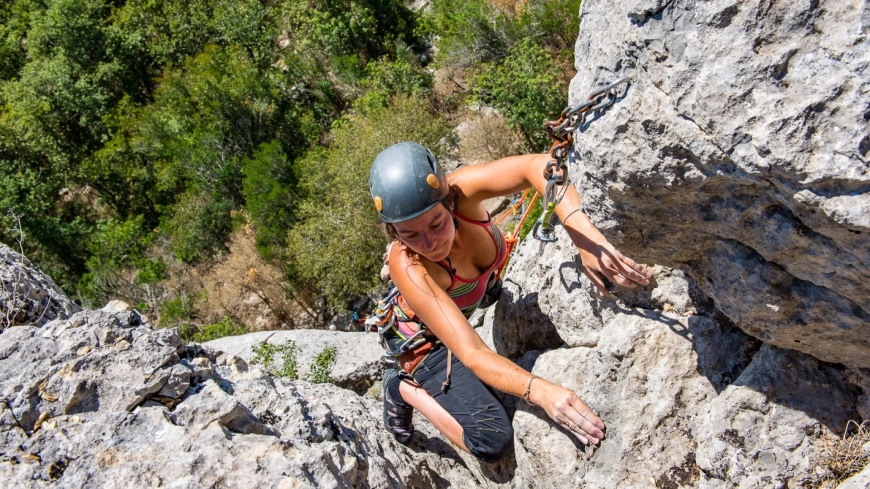
The limestone cliffs of the gorges are not only beautiful to look at, they are extraordinary to climb on. The Ardèche has developed a solid reputation among European sport climbers for its sunny, south-facing crags, reliable rock quality, and wide variety of routes suitable for all ability levels.
The area around Ruoms, Labeaume, and the gorges themselves hosts dozens of established climbing sectors. Routes range from introductory single-pitch climbs to demanding multi-pitch lines on the tallest walls. The season runs from early spring through to late autumn, with the shoulder months offering the most pleasant temperatures.
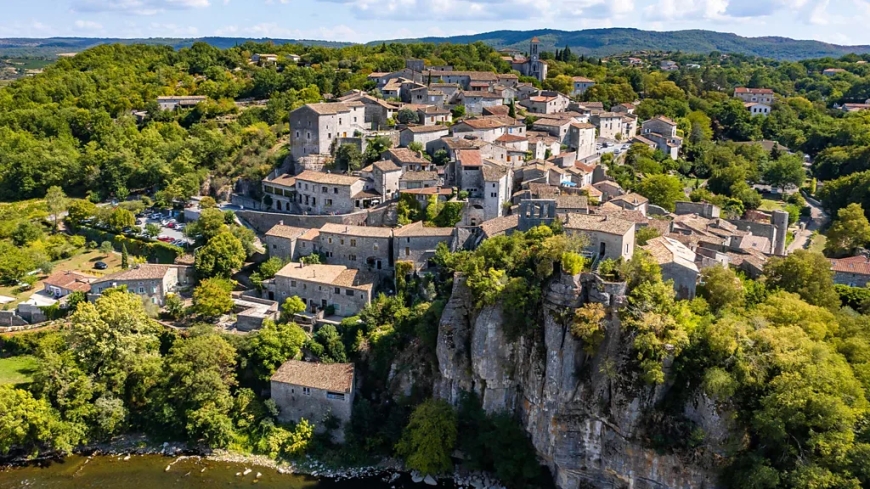
For those who want the sensation of climbing without the technical demands, several via ferrata routes have been installed in the region. These iron-runged paths traverse cliffs using fixed cables and ladders, providing a genuine sense of exposure and achievement without requiring prior climbing experience. The via ferrata at Balazuc, a medieval village perched above the river, combines dramatic scenery with a route accessible to teenagers and fit adults.
-
Wild Camping and Sleeping Under the Stars
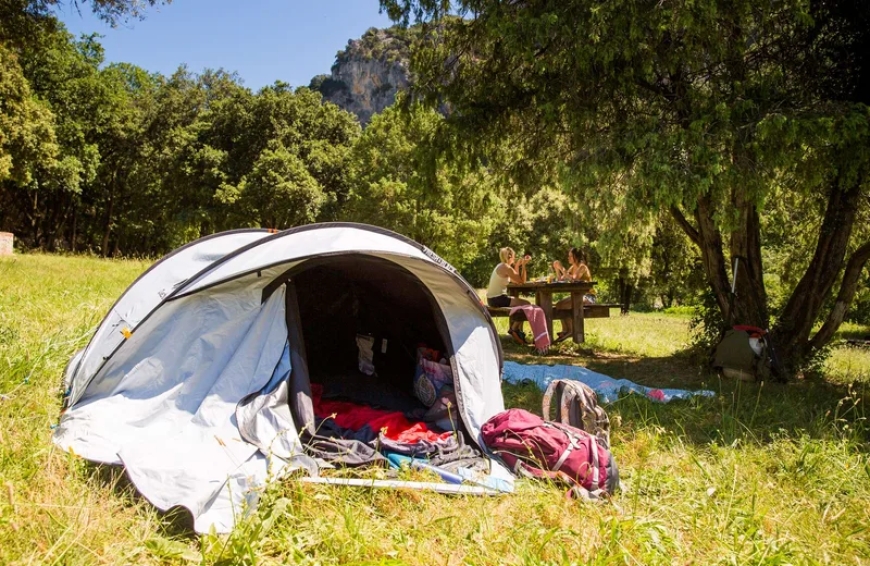
France has relatively strict rules about wild camping in most areas, but the Ardèche Gorges are a happy exception. Within the Natural Reserve, designated wild camping spots along the river are available exclusively to those descending by canoe or kayak. Setting up a tent on a sandy beach beside the river as the stars emerge above the canyon walls is one of those travel experiences that stays with you for life.
Beyond the river, the Ardèche's rural character means that finding a quiet corner to pitch a tent, with the landowner's permission, is rarely difficult. Farms and rural gîtes often allow camping in their fields for a modest fee, and the wide plateaus above the gorges offer stunning spots for those prepared to carry their kit up from the valley.
Several dedicated campsites along the river cater to canoeists, providing basic facilities and a genuinely sociable atmosphere during the summer season.
-
Cave Exploration: The Underground World of the Ardèche
The same limestone geology that carved the gorges also created an extraordinary network of caves beneath the plateau. The most famous of these, the Chauvet Cave, contains some of the oldest known cave paintings in the world, around 36,000 years old and is a UNESCO World Heritage Site. The original cave is closed to the public to protect its fragile artwork, but the Caverne du Pont d'Arc, a precise full-scale replica opened in 2015, offers an extraordinary and genuinely moving experience.
For those who prefer their cave exploration more physically active, the Ardèche offers excellent caving (spéléologie) in numerous underground systems. Guided caving experiences are available for beginners, while experienced cavers can explore more remote systems with local clubs and guides.
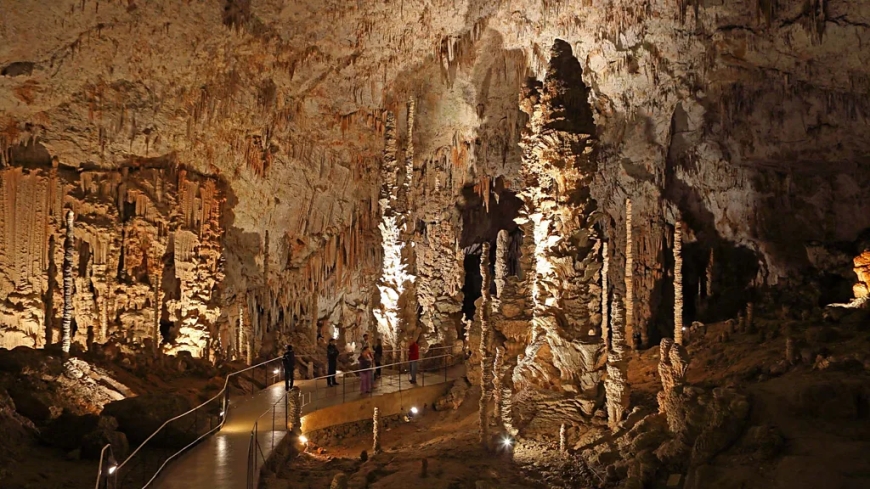
The Aven d'Orgnac, classified as a Grand Site de France, is one of the most spectacular show caves in the country, with vast chambers, monumental stalagmites, and an underground lake that glows in the darkness.
-
Cycling Routes Through Wine Country and Lavender Fields
The Ardèche is increasingly popular with cyclists, and for good reason. Its network of quiet roads and signed cycling routes passes through some of the most varied and beautiful landscapes in southern France.
The ViaRhôna, a dedicated cycling path that runs along the Rhône River from Lake Geneva to the Mediterranean, forms the eastern border of the département and can be combined with inland routes to create extended cycling tours. The path is largely flat and well-surfaced, making it suitable for families.
For those seeking more of a challenge, the mountain roads of the northern Ardèche, particularly around the Ardèche Volcanic Mountains natural park, offer serious climbs with the kind of rewards usually reserved for Tour de France stages: panoramic views, very little traffic, and the satisfaction of earning every descent.
The southern Ardèche produces excellent wines, including the IGP Ardèche designation covering Chardonnay, Syrah, and Viognier among others. Cycling between vineyards and stopping at cave coopératives to taste local produce adds a distinctly French pleasure to any ride.
-
Wildlife and Nature: What to Look Out For
The Ardèche's low population density and extensive protected areas make it one of the richest wildlife habitats in France. The gorges and surrounding plateau support populations of eagle owl, peregrine falcon, griffon vulture, and short-toed snake eagle. Otters have returned to cleaner stretches of the river in recent years, and beaver colonies are now well-established in several tributaries.
Wild boar are common throughout the region and can sometimes be spotted at dusk near forest edges. Roe deer are a frequent sight on the plateau roads in early morning. The rivers themselves hold healthy populations of trout, pike, and the increasingly rare European crayfish.
The botanical diversity of the region is equally impressive. The chestnut tree has been central to Ardèche culture for centuries, the fruit sustained rural communities through lean winters and the forests are extraordinary in autumn when the leaves turn copper and gold across the hillsides.
-
Best Time to Visit the Ardèche
Spring (April–June) is arguably the finest season. The river runs with energy from snowmelt, wildflowers cover the gorge edges, and the plateau feels clean and alive. Hiking and climbing conditions are excellent, and the tourist infrastructure is open without the summer crowds.
Summer (July–August) brings heat, sunshine, and significant numbers of visitors to the most popular spots around Vallon-Pont-d'Arc and the gorges. The river canoeing is at its most accessible, but booking accommodation and activity slots well in advance is essential. Temperatures regularly exceed 35°C in the south.
Autumn (September–October) rivals spring for beauty. The chestnut harvest transforms the villages of the Ardèche mountains, the cycling weather is perfect, and the canyon walks feel almost deserted by comparison with high summer.
Winter (November–March) is quiet and cold in the highlands, but the south of the region remains mild and walkable. Caving and indoor cultural attractions including the Caverne du Pont d'Arc remain open year-round.
-
Getting There and Getting Around
The Ardèche has no commercial airport and no high-speed rail connection, something that has undoubtedly contributed to its relative obscurity on the tourist map.
By train, the closest TGV stations are at Montélimar or Valence on the main Lyon–Marseille axis, from where local buses or taxis cover the final leg into the département. Lyon and Nîmes airports are the most practical air hubs for international travellers.
By car is the most flexible option. The A7 motorway (the Autoroute du Soleil) runs along the eastern border following the Rhône Valley, with exits at Montélimar Sud providing good access to the southern gorges. Driving times from Paris run to around five hours depending on traffic.
Once in the region, a car is effectively essential for exploring beyond the main villages. Road cycling enthusiasts will find the network of D-roads blissfully quiet.
-
Where to Stay: From Campsites to Farmhouses
Accommodation in the Ardèche leans heavily toward the independent and the characterful. Large hotel chains are almost entirely absent. What you find instead are:
Gîtes ruraux — self-catering rural cottages, often centuries-old stone farmhouses converted with care. Renting a gîte for a week is the classic Ardèche experience and the most cost-effective way to use the region as a base for multiple activities.
Chambres d'hôtes — French bed and breakfast establishments, typically owner-run and excellent value. Breakfasts often include homemade jam, local honey, and freshly baked bread.
Campsites — numerous along the Ardèche River and throughout the region, ranging from basic municipal sites to well-equipped naturist parks with swimming pools. Many cater specifically to canoeists with secure equipment storage and early departure facilities.
Village hotels — small, family-run establishments in towns like Aubenas, Largentière, and Joyeuse offer comfortable bases with easy access to both northern and southern attractions.
-
Practical Tips for First-Time Visitors
- Book river descents early. Canoe hire from the most popular launch points at Vallon-Pont-d'Arc sells out weeks in advance during July and August.
- Carry cash. Many rural gîtes, farm shops, and small restaurants are card-unfriendly.
- Pack sun protection. The southern Ardèche sun is fiercer than it looks, especially when reflected off water.
- Learn a few words of French. English is spoken at most tourist offices and larger campsites, but rural Ardèche rewards any effort at the local language warmly.
- Download offline maps. Mobile signal in the gorges and on the plateau trails can be patchy to non-existent.
- Respect the reserve. Fires are strictly prohibited within the Natural Reserve, and campers are expected to leave absolutely no trace.
- Check river levels before paddling. The Ardèche River can rise dramatically after rainfall. Always check current conditions with local hire companies before launching.
-
Final Thoughts: Why the Ardèche Deserves a Spot on Your Bucket List
There is a particular quality of silence in the Ardèche Gorges at dawn, when the mist still clings to the water and the canyon walls glow faintly in the first light, that is almost impossible to describe without sounding sentimental. But it is real, and it is something that travellers who have experienced it tend to protect fiercely, which is perhaps why the Ardèche has not yet been shouted from every travel magazine rooftop.
In a world where overtourism is reshaping and degrading the very places people travel to see, the Ardèche represents something precious: a destination of extraordinary natural richness that is still, largely, at a human scale. The villages feel lived in. The landscapes feel unscripted. The adventures feel genuinely earned.
Whether you come to paddle a river, scramble a cliff, walk a gorge edge, or simply sit beside a chestnut wood and eat cheese from the market with a glass of local Syrah, the Ardèche will give you something that the obvious destinations of France increasingly cannot. It will give you room to breathe.
Go before everyone else figures it out.
What's Your Reaction?
 Like
0
Like
0
 Dislike
0
Dislike
0
 Love
0
Love
0
 Funny
0
Funny
0
 Angry
0
Angry
0
 Sad
0
Sad
0
 Wow
0
Wow
0