

Beer or Whisky: Which Is the Better Choice for Your Health? Here's What Experts Say
Beer or whiskey: which is the healthier choice? Discover what doctors and nutrition experts say about calories, alcohol content, heart health, weight gain, liver damage, and how to drink responsibly.

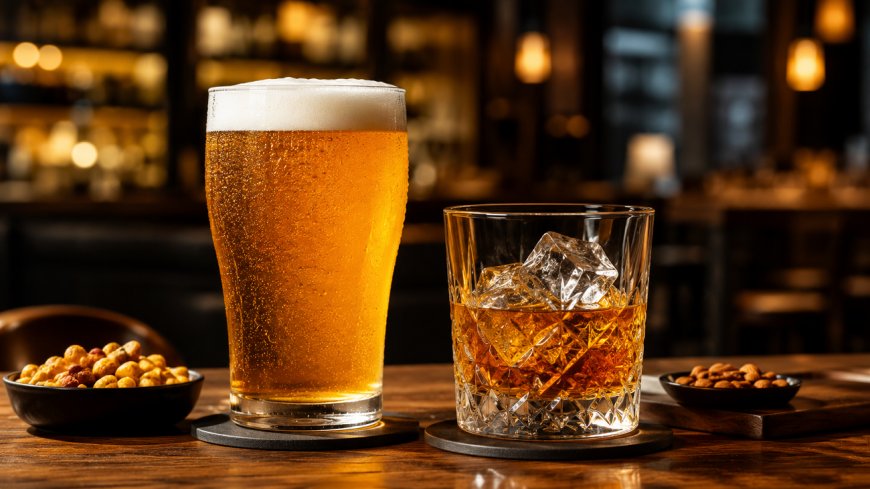
For years, people have debated one common question while ordering a drink: Is beer healthier than whisky, or is whisky actually the better option?
Some believe beer is "lighter" because it has less alcohol, while others argue that whisky contains fewer calories and sugar. Social media discussions, fitness influencers, and even casual drinkers often have conflicting opinions.
So, what do health experts actually say?
The short answer is that neither beer nor whisky can be called "healthy." However, if consumed occasionally and responsibly, one may suit certain lifestyles better than the other. The real difference often comes down to how much you drink, what you drink it with, and your overall health habits.
Let's break it down in simple terms.
First Things First: Alcohol Is Still Alcohol
Before comparing beer and whisky, it's important to understand one fact.
Whether you're drinking beer, whisky, wine, vodka, or rum, the main ingredient affecting your body is ethanol (alcohol).
According to health experts, excessive alcohol consumption is linked to:
- Liver disease
- High blood pressure
- Increased cancer risk
- Heart problems
- Poor sleep quality
- Mental health issues
- Weight gain
In other words, there isn't a "healthy alcoholic drink." The goal should always be moderation.
Which One Has More Calories?
Many people assume whisky has more calories simply because it's stronger.
Surprisingly, that's not always true.
A single peg (30 ml) of whisky contains around 95–110 calories, while a large glass or pint of beer can contain anywhere between 140 and 220 calories, depending on the brand and style.
However, calories don't tell the whole story.
If you drink three or four pegs of whisky in one evening, your total calorie intake can easily exceed that of a couple of beers.
Expert Take
Nutritionists say that portion size matters more than the type of alcohol.
Does Beer Really Cause a "Beer Belly"?
One of the biggest myths is that beer alone causes belly fat.
Experts say the answer is not exactly.
Weight gain usually happens because alcohol:
- Adds extra calories.
- Increases appetite.
- Reduces self-control around food.
- Encourages late-night snacking.
- Slows fat burning.
Beer may contribute more because people often consume it in larger quantities along with calorie-rich foods like fries, burgers, pizza, or fried snacks.
In reality, overall calorie intake—not just beer—is responsible for weight gain.
Is Whisky Better for People Watching Their Weight?
Many fitness-conscious adults choose whisky because it contains:
- Almost no carbohydrates
- No added sugar (in plain whisky)
- Smaller serving sizes
However, experts warn that this doesn't make whisky a weight-loss drink.
Mixing whisky with:
- Sugary soft drinks
- Sweet syrups
- Energy drinks
can significantly increase calorie intake.
If someone chooses whisky, experts generally recommend drinking it neat, on the rocks, or with plain soda water instead of sugary mixers.
Which Is Worse for Your Liver?
When it comes to liver health, both beer and whisky can be harmful if consumed excessively.
Doctors emphasize that the total amount of alcohol consumed over time is far more important than the specific beverage.
Regular heavy drinking can increase the risk of:
- Fatty liver disease
- Alcoholic hepatitis
- Liver cirrhosis
- Liver failure
The liver processes alcohol the same way regardless of whether it comes from beer or whisky.
What About Heart Health?
Over the years, some studies suggested that moderate alcohol consumption might offer certain cardiovascular benefits.
However, more recent research has challenged this idea.
Many public health organizations now state that any potential benefits are outweighed by the known risks of alcohol consumption.
Experts generally agree:
- If you don't drink alcohol, there is no medical reason to start for heart health.
- If you do drink, keeping consumption moderate is the safest approach.
Does Whisky Get You Drunk Faster?
Yes, in many cases.
Because whisky contains much higher alcohol concentration than beer, drinking it quickly can lead to:
- Faster intoxication
- Poor decision-making
- Dehydration
- Increased accident risk
Beer is usually consumed more slowly due to its lower alcohol content and larger serving size.
That said, drinking multiple beers in a short period can still lead to heavy intoxication.
Beer vs Whisky: Which Is Easier on the Body?
This depends on:
- Quantity consumed
- Drinking speed
- Food intake
- Hydration
- Individual tolerance
A single beer may expose you to less alcohol than several pegs of whisky.
On the other hand, one small peg of whisky may contain fewer calories than a large beer.
Experts say there is no universal winner.
Tips for Drinking More Responsibly
If you choose to drink alcohol, health professionals recommend:
- Eat before drinking.
- Drink plenty of water between alcoholic beverages.
- Avoid binge drinking.
- Never drink and drive.
- Limit sugary mixers.
- Avoid combining alcohol with smoking.
- Know your personal limits.
Responsible drinking can reduce many immediate risks, although it doesn't eliminate them entirely.
Did You Know?
- Beer has been brewed for thousands of years and is one of the world's oldest alcoholic beverages.
- Whisky is produced by distilling fermented grains and aging the spirit in wooden barrels.
- Alcohol can contribute to dehydration, which is one reason hangovers often include headaches and fatigue.
- The health impact of alcohol depends far more on how much and how often you drink than on whether you choose beer or whisky.
Frequently Asked Questions
Is beer healthier than whisky?
Neither can be considered healthy. Beer generally has lower alcohol content per serving, while whisky often has fewer calories in a standard measure.
Which has fewer calories?
A standard 30 ml serving of whisky typically contains fewer calories than a full pint of beer. However, total calorie intake depends on how much you consume.
Which is better for weight loss?
Neither is ideal if you're trying to lose weight. If alcohol is consumed, moderation and avoiding sugary mixers are more important than choosing one drink over the other.
Is whisky safer for diabetics?
Plain whisky contains very little sugar after distillation, but people with diabetes should consult their healthcare provider before consuming alcohol, as it can still affect blood sugar levels and interact with medications.
If you're hoping to find a "healthy" winner in the beer vs whisky debate, experts have a clear answer: there isn't one.
Beer contains less alcohol per serving but is often consumed in larger quantities. Whisky has fewer calories in a standard peg and almost no sugar, but its higher alcohol concentration means it can lead to quicker intoxication if not consumed carefully.
Ultimately, your overall drinking habits matter far more than your choice of beverage. Drinking occasionally, limiting portions, staying hydrated, and avoiding binge drinking are far more important for your long-term health than choosing beer over whisky; or vice versa.
So, the next time someone asks, "Which is healthier- beer or whisky?" the most honest answer is simple: responsible drinking matters more than the drink itself.
What's Your Reaction?
 Like
0
Like
0
 Dislike
0
Dislike
0
 Love
0
Love
0
 Funny
0
Funny
0
 Wow
0
Wow
0
 Sad
0
Sad
0
 Angry
0
Angry
0















Comments (0)