











































































The Silent Ways Algorithms Shape Everyday Decisions
Explore how algorithms quietly shape everyday decisions through social media, shopping, navigation, and personalized content we interact with.

You probably think you make your own decisions every day. What to read in the morning. Which route to take to work? What to buy online. What show to watch before bed?
Here’s the uncomfortable truth. Many of those decisions are gently nudged by algorithms you never see and rarely think about.
They don’t announce themselves. They don’t ask for permission. They just work silently in the background, shaping choices so smoothly that it feels like everything is your idea.
Let’s slow this down and look at how algorithms quietly influence daily life, without sounding technical or dramatic. Because once you notice it, you can’t unsee it.
What Algorithms Really Are
An algorithm is simply a set of rules that decides what happens next. In apps and digital services, those rules are powered by data. Your data.
Every like, pause, search, scroll, skip, tap, location ping, and purchase becomes a signal. Algorithms study these signals to predict what will keep you engaged, satisfied, or spending money.
 Image Credit: The Cyber Express
The goal is not to control you outright. It’s to guide you just enough to keep you inside the system.
That’s why the influence feels natural instead of forced.
Morning Routines: Decisions Before You’re Fully Awake
Most days begin with a phone in hand. And that’s where algorithms get their first move.
Social Media Feeds
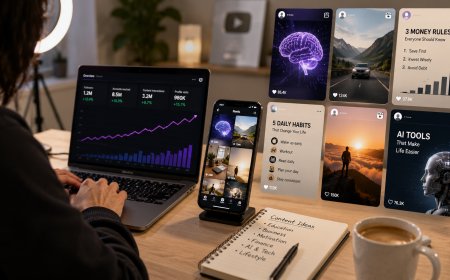
When you open Instagram, Facebook, or X, you are not seeing everything. You are seeing what the algorithm thinks will hold your attention.
If you engage with motivational quotes, you’ll see more. If outrage makes you scroll longer, you’ll see more of that instead. The feed slowly reshapes itself around your behavior.
 Image Credit: Tagembed
What this really means is your version of reality is customized. Two people following the same accounts can see completely different content.
And because it feels familiar and relevant, you rarely question it.
Streaming Suggestions
Netflix, YouTube, and Spotify track more than just what you watch or listen to. They notice how long you stay, what you abandon halfway, what you replay, and even the time of day you consume content.
 Image Credit: Gadget Hacks
Over time, recommendations become safer and more predictable. You’re nudged toward content similar to what you already like.
It’s convenient. It’s comfortable. But it also reduces accidental discovery unless you actively search for something new.
Work and Navigation: Efficiency With Hidden Trade-Offs
Algorithms don’t stop at entertainment. They manage productivity, movement, and opportunity.
Navigation Apps
Apps like Google Maps use real-time traffic data, past patterns, and user behavior to suggest routes. If you usually avoid tolls or highways, the app learns that.
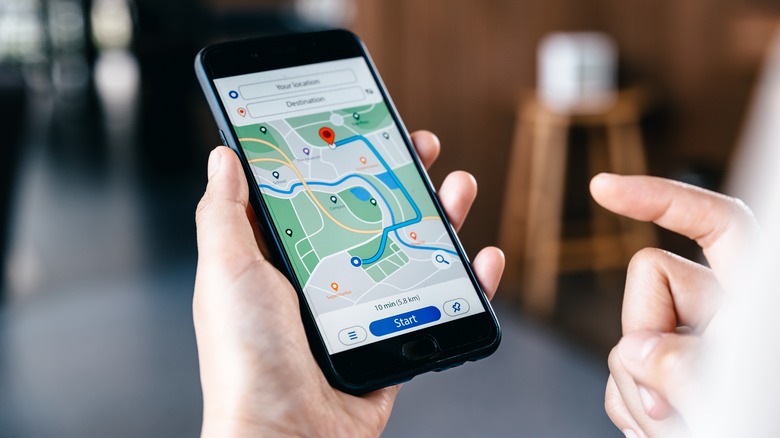 Image Credit: Freepik
This saves time and fuel. But it also reshapes cities. Residential roads suddenly become busy because algorithms reroute thousands of drivers the same way.
No city planner decided that. Data did.
Hiring and Job Platforms
Many job portals use algorithms to filter resumes before a human ever sees them. Keywords, job titles, education patterns, and experience timelines are matched automatically.
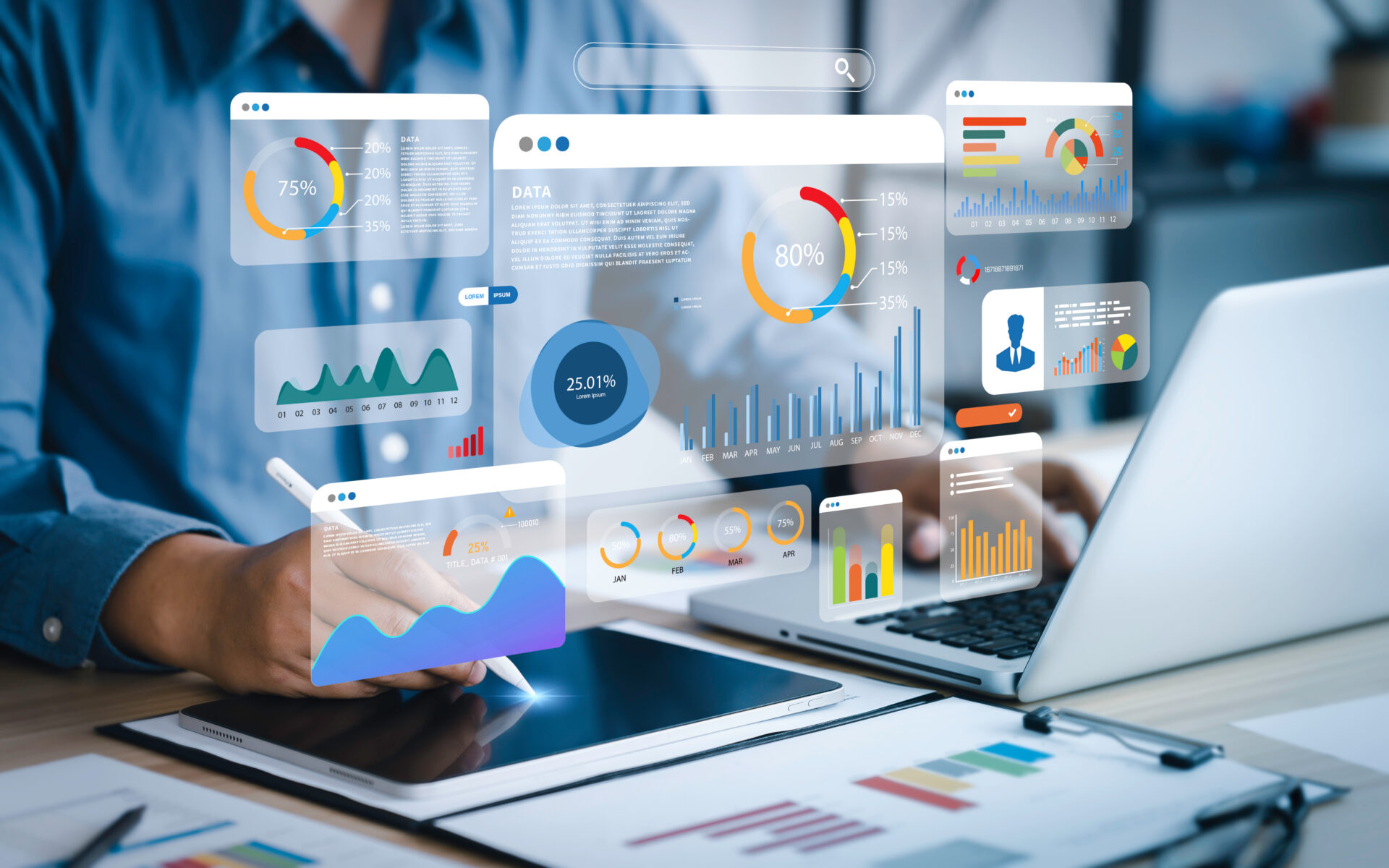 Image Credits: 4 Corner Resources
The risk is subtle but serious. Algorithms learn from past data. If historical hiring favored certain profiles, those preferences quietly continue.
Qualified candidates can be filtered out without knowing why. Not because they lack skill, but because they don’t fit an invisible pattern.
Consumer Choices: Buying Without Realizing Why
Shopping is where algorithmic influence becomes most obvious, yet most ignored.
Personalized Recommendations
E-commerce platforms track what you view, how long you linger, what you add to cart, and what you abandon. They compare your behavior with millions of others.
 Image Credit: Bloomreach
That’s how they predict what you might want next.
“Recommended for you” feels helpful. “People also bought” feels reassuring. But these suggestions are designed to increase spending, not just convenience.
Behavioral Nudges
Ever noticed essentials placed deep inside a store? Or online carts showing limited stock warnings?
 Image Credits: BehaviouralEconomics.com
These are not accidents. They are behavioral nudges designed to guide decisions subconsciously.
You still choose. But the environment pushes you gently in one direction.
Social Impact: When Personalization Becomes Isolation
Algorithms don’t just shape individuals. They shape societies.
Echo Chambers
When algorithms show you content similar to what you already agree with, exposure to different viewpoints drops. Over time, this creates echo chambers.
.jpg) Image Credit: Cerebral
Image Credit: Cerebral
People become more confident in their opinions because everything they see reinforces them. Disagreement starts to feel like misinformation rather than perspective.
This is one reason online discussions feel more polarized than ever.
The Black Box Problem
Many modern algorithms are so complex that even their creators can’t fully explain how a decision was made.
 Image Credit: Ainews.com
This becomes dangerous when algorithms affect loans, credit scores, hiring, policing, or legal judgments.
If a system denies someone an opportunity and no one can clearly explain why, accountability disappears.
Ethical Concerns: Convenience Versus Control
The real issue is not that algorithms exist. It’s that they operate with limited transparency.
Bias in Disguise
Algorithms reflect the data they’re trained on. If that data contains bias, the output will too. And because decisions happen at scale, biased outcomes spread quickly.
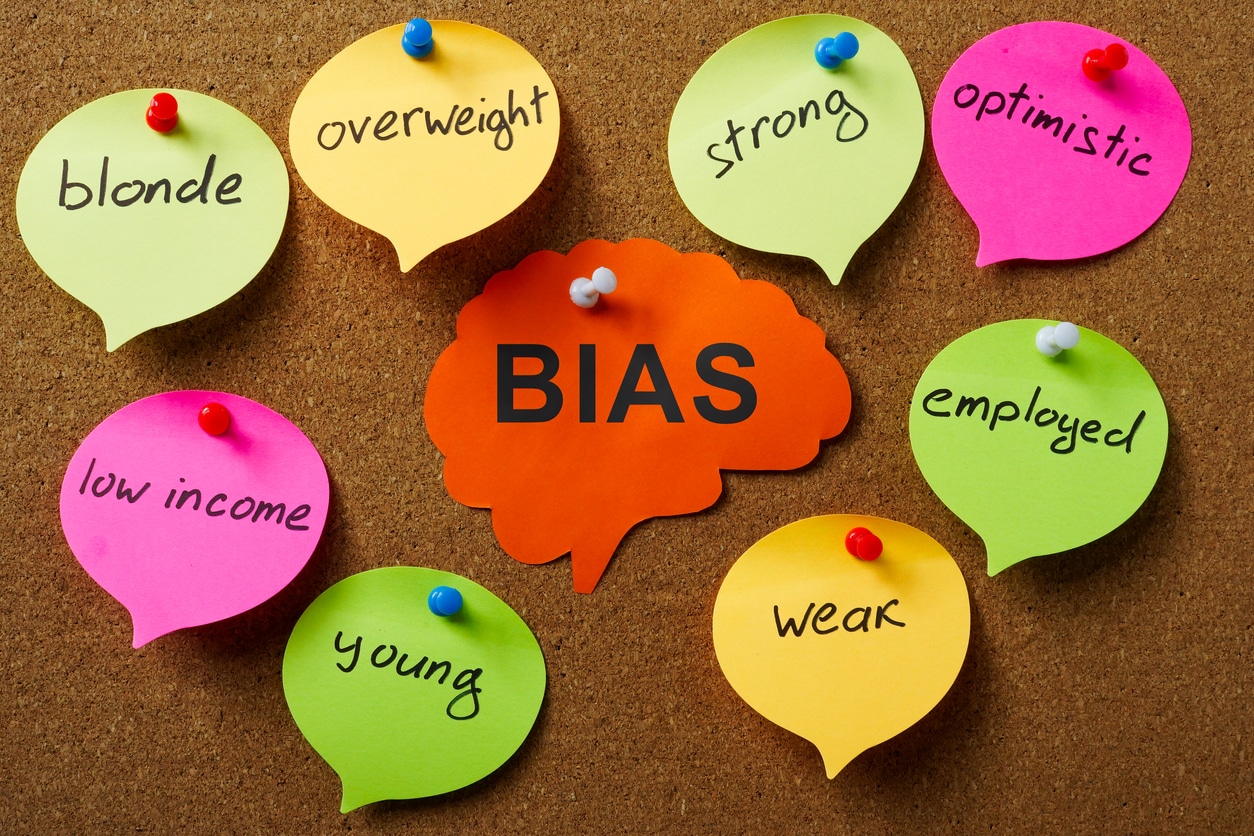 Image Credit: Dreamstime
Without regular audits and human oversight, discrimination can quietly become automated.
Decline in Critical Thinking
In India and elsewhere, growing reliance on AI tools like ChatGPT for summaries and answers raises another concern.

When people stop questioning outputs and accept them instantly, critical thinking weakens. Tools meant to assist thinking start replacing it.
Technology should support judgment, not outsource it.
How to Stay Aware Without Going Offline
You don’t need to delete every app or reject technology. You just need awareness.
1. Explore content beyond recommendations
2. Follow people with different views
3. Question why something is being shown to you
4. Adjust privacy and ad settings
5. Treat suggestions as options, not instructions
Small habits create mental distance from the algorithmic autopilot.
The Bigger Picture
Algorithms are not villains. They save time, reduce friction, and personalize experiences. Life without them would feel slower and messier.
But unchecked influence is a problem.
When systems quietly shape what we see, buy, believe, and ignore, awareness becomes power. The moment you start asking why something appears in front of you, you regain control.
In a world run by invisible systems, conscious thinking is no longer optional. It’s a skill.
And like any skill, it starts with noticing what’s been quietly guiding you all along.
What's Your Reaction?
 Like
0
Like
0
 Dislike
0
Dislike
0
 Love
0
Love
0
 Funny
0
Funny
0
 Angry
0
Angry
0
 Sad
0
Sad
0
 Wow
0
Wow
0