

The Strangest and Most Expensive Coffees in the World: Are They Really Worth It
Discover the world's strangest and most expensive coffees, including Kopi Luwak, Black Ivory Coffee, Geisha Coffee, Jamaica Blue Mountain Coffee, and Hacienda San Pedro Coffee. Learn why these rare coffees command extraordinary prices and whether they truly deliver a better coffee experience.

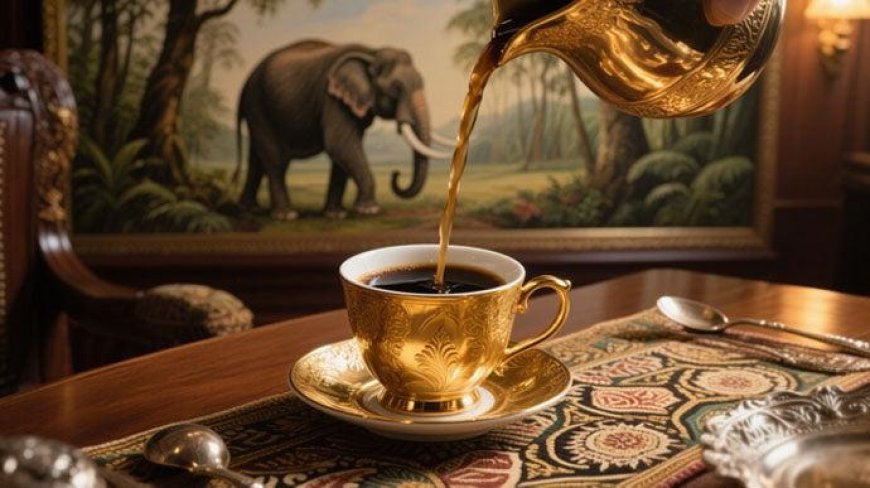
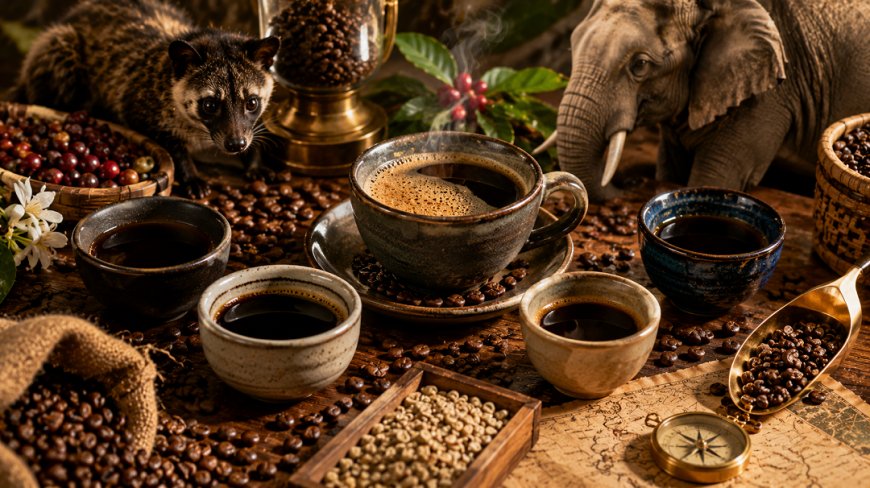
The Strangest and Most Expensive Coffees in the World: Are They Really Worth It?
Paying ₹5,000 or even ₹20,000 for a single cup of coffee sounds wild, right? For most people, grabbing a cup is just part of the morning routine. It costs less than a sandwich, and it’s everywhere. But for some coffee fanatics, nothing’s off the table: rare beans, limited harvests, even traveling across continents, all for that one, special cup. They’ll shell out thousands; sometimes just for a taste.
So why do these coffees cost so much? Is it just about taste; or do rarity, exclusivity, and a good story help drive those prices?
Some beans get eaten and “processed” by civets or elephants. Others win big at auctions. The world of premium coffee gets weird, fast. Let’s dive into the strange, expensive corners of specialty coffee and try to answer the big question: Is any of it really worth what people pay?

Why Some Coffees Cost More Than a Luxury Dinner
Most of the world’s coffee comes from mass production; grown in huge quantities, processed by the ton, and shipped to cafes and stores everywhere. Specialty coffee is a whole different universe.
The most expensive coffees are rare, and often produced in tiny amounts. They might come from a single, unique farm or region. Everything, weather, soil, how and when it’s picked and processed, shapes the final flavor. Sometimes there’s just a few hundred kilos for the entire planet. That pushes collectors and enthusiasts into a bidding war.
It’s just like wine. People pay crazy prices for rare vintages, and the top coffee lovers do the very same.
Kopi Luwak: The Odd One Everyone Talks About
You can’t talk about oddball coffee without mentioning Kopi Luwak.
This coffee comes mainly from Indonesia, but it’s not the usual story. Here, Asian palm civets (a kind of cat-like animal) eat the beans, digest them, and—well, you know the rest. Their stomach enzymes change the beans a bit, supposedly making the flavor smoother. Afterward, farmers collect, clean, roast, and brew the beans.
Kopi Luwak’s strange origins got it a lot of attention. For years, it was the exclusive, must-try coffee for curious drinkers, sometimes selling for ₹15,000 to ₹50,000 per kilo, depending on how “real” or good it was.
Fans say it’s smoother, less bitter, earning a reputation for earthy, chocolatey notes. Critics? They say you’re mostly paying for the weirdness and the story, not for an unforgettable taste.
But there’s a dark side, too. The surge in demand created a nasty trend: civets kept in cages, sometimes under awful conditions. Today, animal welfare is a big problem with authentic Kopi Luwak; so you really need to be careful where it comes from.


Black Ivory Coffee: One Step Weirder
If you thought civet coffee was strange, Black Ivory Coffee takes things even further.
This one’s made mainly in Thailand. Elephants eat the coffee cherries, digest them, and break down some of the bitterness-causing proteins. The beans get picked out, cleaned up, roasted, and sold.
It’s a crazy, wasteful process; thousands of cherries just to get a handful of finished beans. That’s a big part of the price.
Black Ivory Coffee is regularly called the world’s most expensive coffee, with some batches selling for more than ₹1 lakh a kilo. Drinkers claim you’ll taste chocolate, spice, malt, and dried fruit, and it’s incredibly smooth.
At least with Black Ivory, the producers highlight their elephant care and focus on animal welfare, which isn’t always true elsewhere.


Geisha Coffee: The Auction Star
Civet and elephant coffee grab attention for their stories, but Geisha Coffee built its fame on taste.
Originally from Ethiopia, Geisha didn’t really take off until it landed in Panama. Trust the experts: many say this is the best-tasting coffee in existence. Instead of familiar coffee notes, you get floral and jasmine aromas, tropical fruit, citrusy zing, and a bright, almost tea-like character.
Geisha’s won plenty of awards and specialty coffee contests. At auction, the best lots have gone for thousands of dollars per pound. If you ask people in the coffee industry what defines great coffee, many will point to Geisha; it’s all about pure flavor, not just a wild backstory.


Jamaica Blue Mountain Coffee: The Prestige Pick
Few coffee names are more respected than Jamaica Blue Mountain.
Grown high up in Jamaica’s cool, misty Blue Mountains, this coffee gets its reputation from perfect conditions: volcanic soil, cool nights, and careful farming. That gives you a cup that’s smooth, lightly sweet, balanced, and squeaky-clean to the finish.
For decades, Japan has snapped up most of the supply. Demand stays high, and so do prices: anywhere from ₹8,000 to ₹25,000 per kilo. Sure, you see trendier names flash across the headlines, but Blue Mountain remains a steady classic; a true luxury coffee.


Puerto Rican Hacienda San Pedro: The Quiet Gem
Hacienda San Pedro might not show up on many “world’s best” lists, but it’s a hidden treasure.
Grown on small, historic estates in Puerto Rico, these beans get their unique character from rich volcanic soil, a perfect climate, and old-school farming.
Fans describe it as smooth and balanced, with chocolate, nutty tones, and a sweetness that works for almost any palate. It’s not easy to get. Authentic San Pedro beans are rare, and collectors hunt them down. That exclusivity is a big part of the draw.
Does Expensive Coffee Really Taste Better?
Here’s what everyone wants to know. It all depends on what “better” means to you.
If you’re just someone who likes their morning cup, you might not taste a massive difference between an award-winning Geisha and a high-quality specialty coffee that’s much less expensive. But for serious enthusiasts; people who’ve spent years exploring subtle flavors; those details matter. The differences can be huge. With the world’s rarest coffees, you’re paying not just for taste, but for the whole package: the scarcity, the craftsmanship, the sense of occasion. It’s sort of like buying a rare whisky or a designer watch; part of the value lies in the story itself.


The Real Power Behind Expensive Coffee: Storytelling
Honestly, the story is what really makes these coffees explode in value.
We’re all suckers for a wild production method or a legendary growing region. A cup processed by elephants is instantly more memorable than your standard supermarket blend; even if the flavor isn’t mind-blowing.
That’s not to say these aren’t great coffees. Many do taste genuinely exceptional. But the narrative is what makes people line up to pay top rupees.
Luxury goods have always played this game. People don’t buy just the thing; they buy the story.

Which Pricey Coffee’s Actually Worth It?
If you want the best mix of wow-factor, quality, and taste, Geisha’s usually the winner. It’s got rarity and a reputation for real flavor, not just a wild story.
Jamaica Blue Mountain is another solid pick; classic, smooth, and luxurious, but not flashy in its methods.
Kopi Luwak and Black Ivory are mostly about novelty. Whether they’re worth it comes down to how much you care about the story (and, honestly, how you feel about animal welfare.) If you want to try your first premium coffee, start with Geisha or Jamaica Blue Mountain. They’re unforgettable for all the right reasons.

Should You Try Them?
Curious? Go for it, but keep your expectations realistic. No cup of coffee is going to taste ten times better just because you paid ten times more. Most of the extra cost is for rarity, craftsmanship, and the fun of the story.
It’s worth treating it like a fancy dinner. You’re not just buying flavor; you’re buying the whole experience.
Final Verdict: Is It Worth Splurging on These Coffees?
It comes down to why you want them. If you want maximum bang for your buck, there are plenty of phenomenal coffees for much less. But if you’re drawn to rare, curious, or once-in-a-lifetime drinks, some of these are totally worth exploring.
Geisha Coffee and Jamaica Blue Mountain stand out for their genuine quality and flavor. Kopi Luwak and Black Ivory; well, their appeal depends on your taste for novelty and your values about production methods. Puerto Rican Hacienda San Pedro? That’s a special find if you can locate it.
In the end, the most expensive coffees in the world aren’t just drinks. They’re stories you sip, experiences you share, and conversations waiting to happen. And sometimes, that’s exactly what people want to pay for.
What's Your Reaction?
 Like
0
Like
0
 Dislike
0
Dislike
0
 Love
0
Love
0
 Funny
0
Funny
0
 Wow
0
Wow
0
 Sad
0
Sad
0
 Angry
0
Angry
0









Comments (0)