

Kota to Launch 100 Electric Buses: A Step Toward Cleaner Travel
Kota is set to launch 100 electric buses to improve public transport, reduce pollution, and offer cleaner, quieter travel across the city.
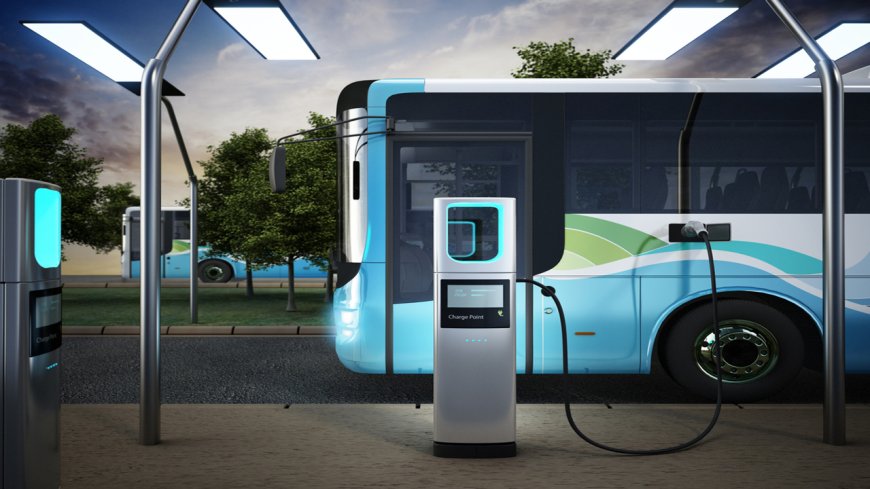
If you’ve ever waited for a bus in Kota, you already know the experience. Heat in the afternoon, crowds during peak hours, engines rumbling loudly, and smoke hanging in the air. It’s normal city life, but it’s not exactly comfortable.
Now, something new is coming.
Kota is getting ready to introduce 100 electric buses as part of its Smart City plans. Along with these buses, the city is also building new bus stops and setting up charging stations to support the system. On paper, it appears to be infrastructure work. In real life, it could quietly change how people move around the city every day.
This isn’t about big promises. It’s about small, practical improvements that actually matter.
Why This Change Is Happening Now
Kota has grown a lot over the years. More students, more families, more traffic. With growth comes pressure on roads and public transport.
Most people don’t expect luxury from city buses. They just want something reliable. Something that doesn’t feel exhausting before the day even begins.
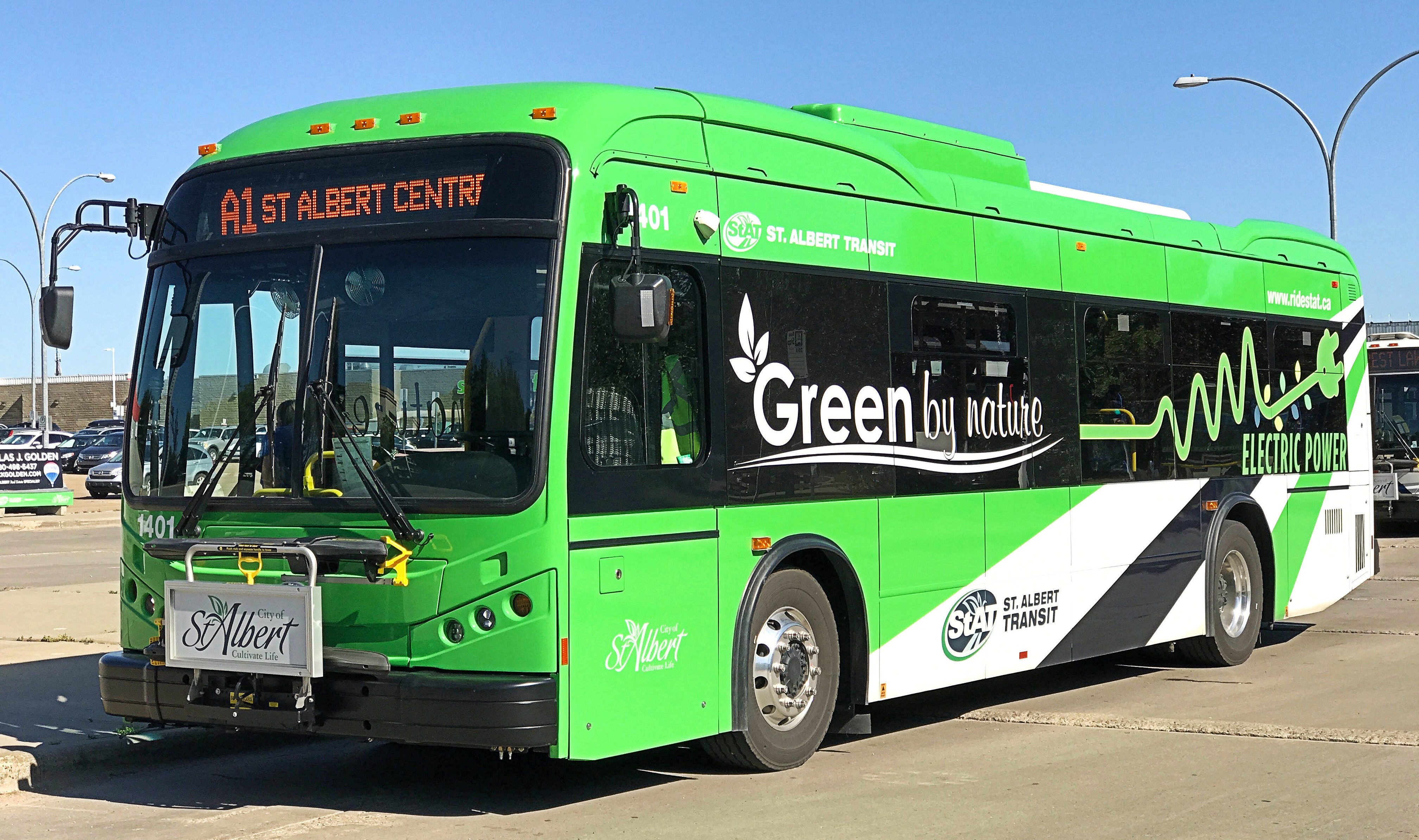 Image Credit: Wikimedia Commons
At the same time, pollution has become hard to ignore. Diesel vehicles add smoke, noise, and rising fuel costs. Keeping things the same was no longer the best option.
Electric buses are the city’s way of saying, “Let’s try to do this better.”
What Makes Electric Buses Different in Everyday Terms
You don’t need to understand technology to notice the difference.
Electric buses run on electricity, not diesel. That one change affects everything else.
They don’t release smoke while driving. When a bus stops, there’s no strong smell, no cloud of exhaust. That matters more than people realize, especially at crowded stops.
They’re quieter. Not silent, but calm. Roads feel less aggressive when heavy vehicles don’t roar past constantly.
The ride itself feels smoother. Fewer jerks, less vibration. For people who travel daily, this adds up over time.
It’s not about being modern. It’s about being easier to live with.
Why 100 Buses Actually Matter
One electric bus is symbolic.
A hundred electric buses are a whole system.
With a fleet this size, the city can improve service on multiple routes instead of limiting the change to one area. It means better frequency, less waiting, and less overcrowding during busy hours.
Students rushing to classes. Office workers are trying to arrive on time. Elderly passengers who need a stable, comfortable ride. Everyone benefits when buses show up when they’re supposed to.
More buses also mean fewer people feel forced to use private vehicles. That helps traffic and pollution without asking anyone to make sacrifices.
Bus Stops Are Changing Too, Not Just the Buses
Waiting matters as much as travelling.
Under this project, new and improved bus stops are being built across Kota. These aren’t just cosmetic upgrades. They’re meant to make waiting less tiring and more dignified.
A decent bus stop usually means:
Shade from harsh sun
Protection during rain
A place to sit
Clear information about routes
When people feel comfortable while waiting, public transport feels more usable. It’s a small detail, but it affects daily habits.
Charging Stations: The Part People Don’t See
Electric buses depend on charging, and the city knows that.
That’s why 40 charging points are being installed at different locations. These stations will keep buses running without long delays or service gaps.
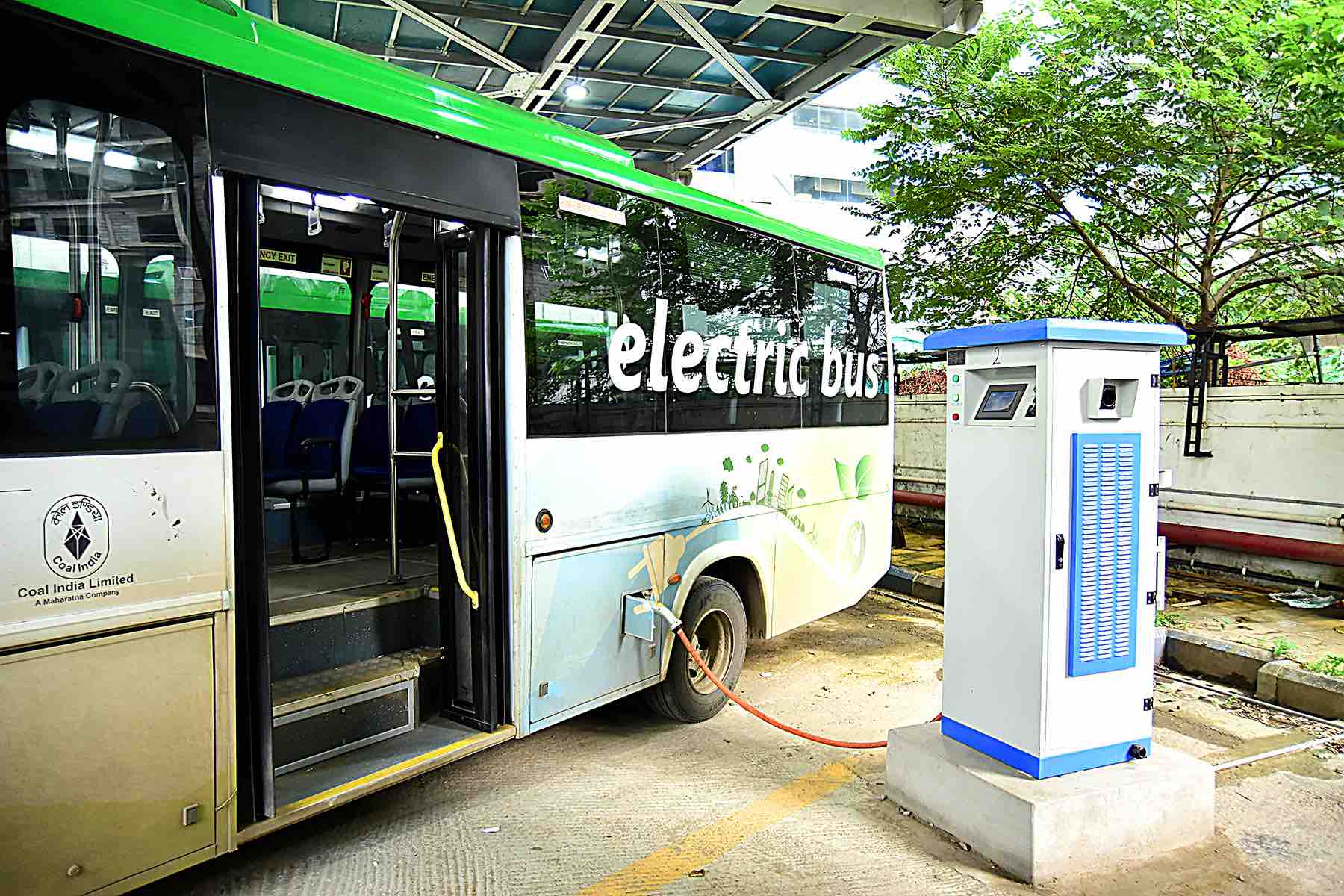 Image Credit: Sustainable Bus
Good charging planning ensures buses don’t disappear mid-route or run late because of power issues. It also prepares the city for future expansion if more electric vehicles are added later.
This is the kind of behind-the-scenes work that decides whether a project succeeds or quietly fails.
What This Means for Air and Health
Pollution isn’t always dramatic. It’s slow and constant.
Diesel buses add harmful particles to the air every single day. Reducing even a part of that makes a difference over time.

Image Credit: Indian Infrastructure Magazine
With electric buses, roads stay cleaner. The air around bus stops improves. People who spend hours outdoors, vendors, traffic police, and daily commuters feel the impact first.
Cleaner air doesn’t fix everything overnight, but it’s one less burden on the city’s health.
Benefits That Go Beyond the Environment
This change isn’t only about air quality.
Electric buses cost less to operate in the long run. Less fuel dependency helps control expenses.
They also create new types of jobs. Drivers need training. Technicians need new skills. Maintenance work changes. That means learning and employment opportunities.
Most importantly, better public transport helps people who rely on it the most. When buses work well, access to education, work, and healthcare improves naturally.
Kota Isn’t Alone in This Shift
Across India, cities are slowly moving toward electric public transport. Big cities started earlier, but now smaller and mid-sized cities are stepping in.
Kota’s advantage is size. Routes are manageable. Systems can be planned without too much legacy confusion. If handled well, this transition can be smoother than in overcrowded metros.
It also shows that clean transport isn’t just for large cities anymore.
What Will Decide Success
Projects don’t succeed because of announcements. They succeed because of consistency.
The city will need to focus on:
1. Regular maintenance
2. Reliable charging
3. Trained staff
4. Clean buses
5. Predictable schedules
People will judge this system based on daily experience, not promises.
If buses arrive on time and feel comfortable, trust will build on its own.
Will People Use These Buses?
They will, if the system respects their time.
People don’t avoid buses because they hate public transport. They avoid it because it’s often unreliable or uncomfortable.
Fix those two things, and behavior changes naturally.
What This Change Really Represents
This electric bus project isn’t flashy. And that’s a good thing.
It’s practical. It’s quiet. It focuses on daily life instead of big headlines.
It’s about reaching home without stress. Breathing slightly cleaner air. Feeling that the city is paying attention.
Final Thoughts
Kota's launch of 100 electric buses won’t transform the city overnight. But it doesn’t need to.
Real change happens through steady, thoughtful steps.
Cleaner buses. Better stops. Quieter roads.
That’s how cities improve, one normal day at a time.
And sometimes, that’s the best kind of progress there is.
What's Your Reaction?
 Like
0
Like
0
 Dislike
0
Dislike
0
 Love
0
Love
0
 Funny
0
Funny
0
 Wow
0
Wow
0
 Sad
0
Sad
0
 Angry
0
Angry
0

I’m Ryan Rehan, Business Development Executive and a passionate blogger dedicated to sharing insights, tips, and experiences that inspire and inform. Through my blogs, I explore topics that matter, spark curiosity, and encourage thoughtful conversations. Whether I’m breaking down complex ideas, offering practical advice, or simply sharing stories, my goal is to create content that adds real value to a growing community of curious minds and passionate readers.














Comments (0)