































































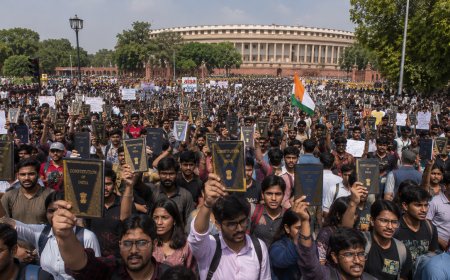













How New Pilot Duty Restrictions Are Affecting IndiGo and Air Travel Across India.
India’s new pilot safety rules cut duty hours and tighten fatigue norms, affecting IndiGo operations and air travel. Learn what changed and how passengers are impacted.
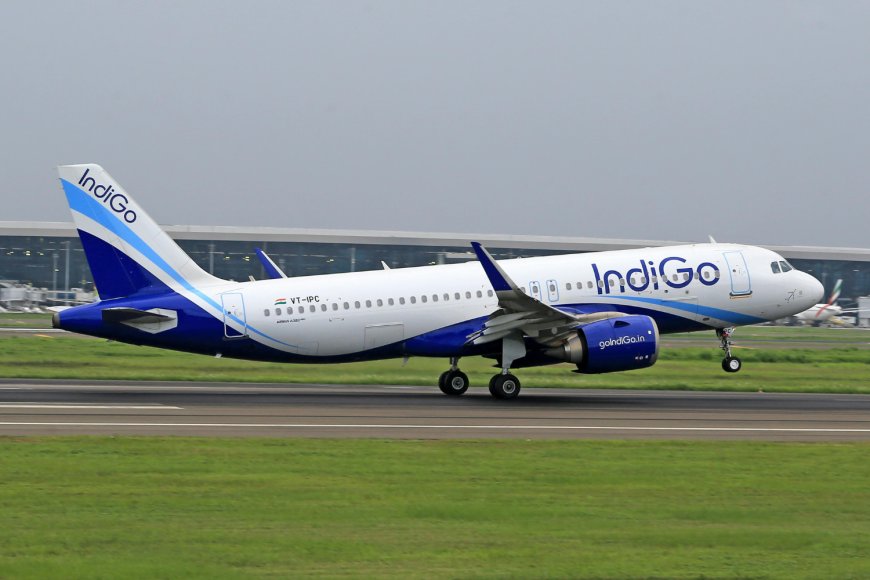
Table of Contents
-
Introduction
Over the past few months, Indian travelers have faced a wave of unexpected flight delays, cancellations, soaring airfares, and frustration at airports. And at the center of it all is something most passengers rarely think about pilot safety rules.
The controversy reached its peak when IndiGo, India’s largest airline, suddenly saw widespread operational disruptions. Passengers flooded social media with complaints, while aviation experts pointed to a deeper cause: new, stricter rules designed to protect pilots from fatigue and improve air safety.
This story is more than about airline inconvenience it’s about human well-being, aviation safety, and the hidden cost of keeping planes flying.
-
What Triggered the Issue?
The Directorate General of Civil Aviation (DGCA), India’s aviation watchdog, implemented revised Flight Duty Time Limitations (FDTL), a regulatory structure that dictates how long pilots can fly, how much rest they must receive, and how schedules should be designed to avoid fatigue.
When these new rules were enforced nationwide, airlines, especially IndiGo, struggled to adapt scheduling quickly. With pilots already stretched thin and demand rising, the new duty limits led to an immediate shortage of available crews.
The result--
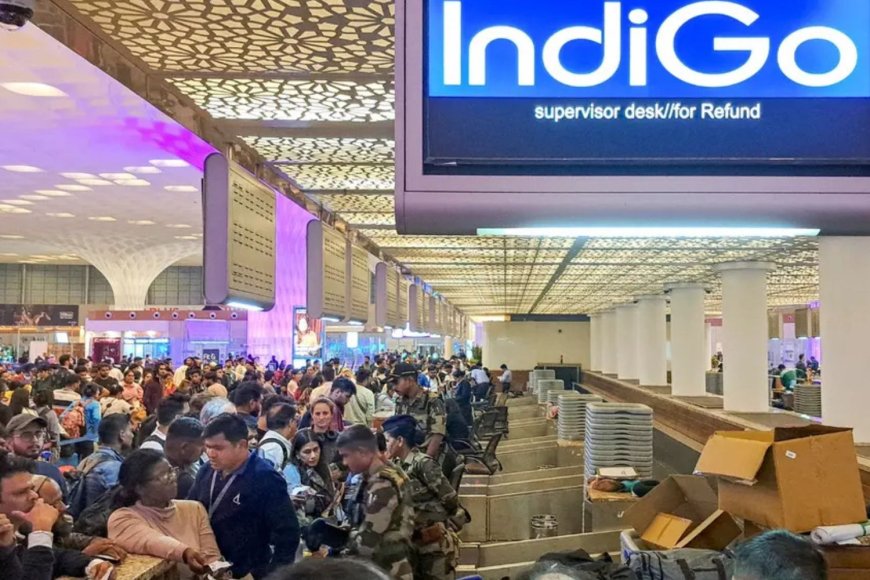
✈ Thousands of passengers stranded
✈ Long flight delays
✈ High cancellations
✈ Ticket prices skyrocketing due to reduced operational capacityFor passengers, it felt like chaos. But for pilots, it was a long-awaited step toward safety.
-
What Are the New Pilot Safety & Duty Rules in India?
Here’s what the revised DGCA rules emphasize:
Shorter Maximum Flying Hours
Pilots can now fly fewer hours per week/month to prevent exhaustion that could lead to mistakes in high-risk situations.
Mandatory Rest Periods
Pilots must receive longer rest time between flights — especially overnight flights and early-morning departures.
Reduced “Red-Eye” (Night) Operations
Late-night & early-morning flying schedules — known to disrupt biological clocks — are now more strictly controlled.
Stricter Cabin & Cockpit Duty Management
Airlines cannot stretch crew to fill last-minute operational gaps or schedule aggressive turnaround times.
Seasonal Schedule Safety
Peak travel seasons can no longer rely on pilot overwork, limiting exploitative rostering.
These rules may look technical but behind them is a simple truth:
Exhausted pilots are a risk to every passenger on board.
-
Why These Rules Were Introduced
The decision came after increasing reports from Indian pilots regarding:
-
Extreme fatigue and burnout
-
Long flying hours without proper rest
-
Mental health issues
-
Near-miss safety incidents linked to exhaustion
-
International calls to improve safety standards
In aviation, fatigue is not a complaint; it’s a safety warning.
A tired pilot isn’t like a tired office employee; one second of reduced alertness can cost hundreds of lives.Countries like the US, UK, Canada & the EU already follow strict fatigue regulations. India’s rules are an effort to match global safety standards.
-
-
How These Regulations Impact IndiGo & Other Airlines
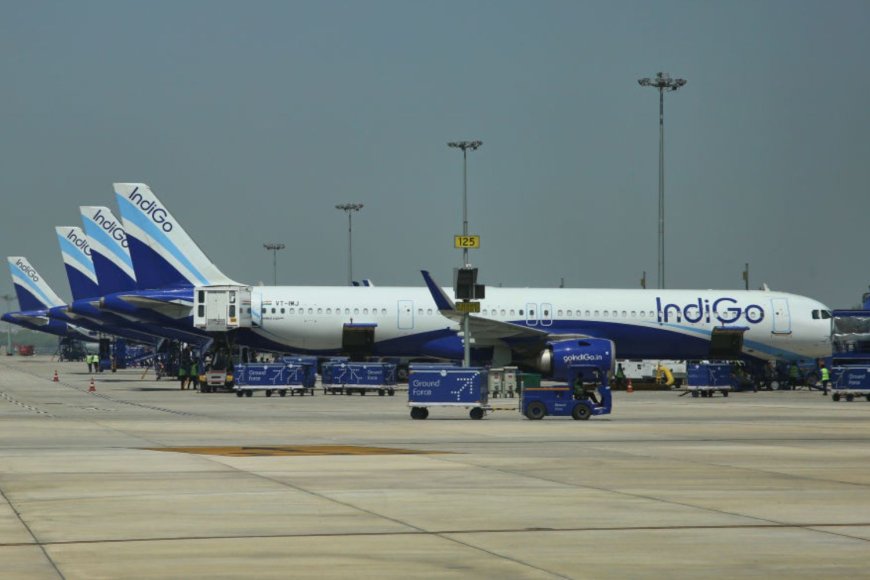
IndiGo has the largest domestic network in India. When stricter rules limited the number of hours pilots could legally operate, IndiGo suddenly did not have enough pilots available to support its dense flight schedules.
Operational imbalance caused:
-
Crew shortages → A crew member short means an entire aircraft can’t fly
-
Rescheduling failures → Domino effect on subsequent flights
-
Overnight delays → Crew timed out due to mandatory rest rules
-
Route cancellations → Flights cut to maintain safety compliance
Airlines didn’t get enough transition time, so their manpower planning collapsed under new pressure. So the problem wasn’t planes; it was people.
-
-
How Travellers Are Being Affected
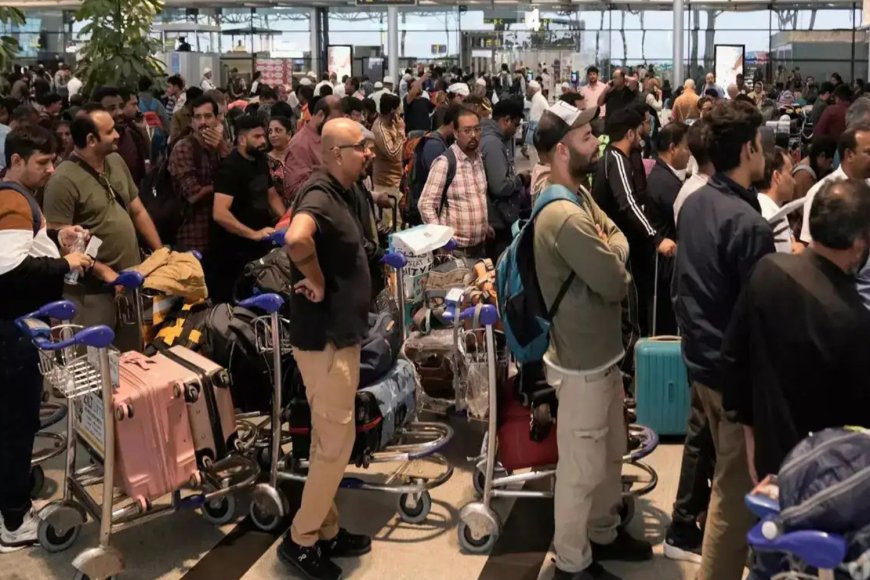
Passengers experienced:
Long queues at airports
Last-minute cancellations
Higher airfare due to short supply
Missed events, business meetings & connections
Confusion about rebooking and refundsThis created national frustration, but the question remains:
Is inconvenience worse than a safety risk in the sky?
Most travelers would say no they would rather face delays than unsafe flights.
-
Voices from Pilots & Aviation Experts
Many pilots have spoken anonymously due to fear of job repercussions:
“We love flying, but we are human too. Fatigue isn’t laziness — it’s a threat. These rules save lives.”
“A well-rested pilot keeps passengers safe. Airlines will adjust with time — but safety cannot wait.”
Experts note that India has seen rapid aviation growth, but operational welfare hasn’t kept pace.
A pilot’s job requires extreme focus on weather changes, crowding at airports, mechanical monitoring, timing accuracy, and emergencies; every second matters.Even passengers responded online:
“I’d rather be late than never arrive.”
-
What Needs to Change Next
To support both safety and travel flow, India needs:
✔ Better long-term crew planning
✔ More hiring and training of new pilots
✔ Smarter scheduling software & fatigue analytics
✔ Higher transparency for travellers
✔ Temporary government support to stabilise operations
✔ Improved passenger compensation rulesThis disruption, though painful, could push Indian aviation toward a safer future.
-
Conclusion
The disruption in IndiGo operations and nationwide travel chaos wasn’t just an airline failure; it was a turning point in aviation safety culture.
Yes, passengers faced inconvenience.
Yes, delays were frustrating.
Yes, airlines lost revenue.But if these rules prevent even one tragedy in the sky, the cost is worth it.
As travelers, we often forget that every smooth landing is built on discipline, responsibility, and fatigue-free judgment.
Pilots carry hundreds of lives behind the cockpit door; they deserve rest, not pressure.So the next time your flight is delayed, remember: a safe delay is better than a risky on-time takeoff.
Sometimes the sky must pause so we can fly again safer, stronger, and wiser.
What's Your Reaction?
 Like
0
Like
0
 Dislike
0
Dislike
0
 Love
0
Love
0
 Funny
0
Funny
0
 Angry
0
Angry
0
 Sad
0
Sad
0
 Wow
0
Wow
0