

The Country That Imports Garbage: Inside Sweden’s Recycling Revolution
Sweden recycles so efficiently that it imports garbage from other countries. Discover how waste powers homes and fuels a global recycling revolution.
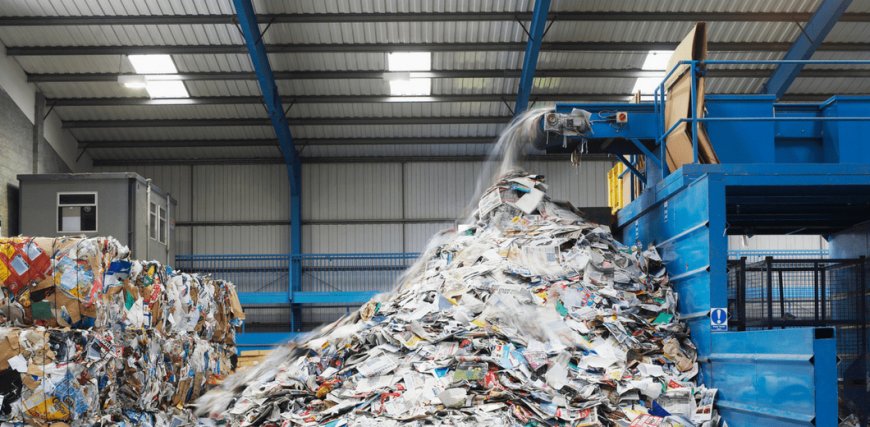
Sweden’s relationship with garbage is nothing like that of most countries. Instead of viewing trash as something to bury and forget, they turned it into value. They recycle almost everything, convert much of the rest into energy, and have perfected a system so efficient that they actually import waste from other nations. That sounds odd at first. But once you understand how they got here and what it means, it starts to make real sense.
Why Sweden’s Recycling System Is Different
Sweden didn’t stumble into recycling success by accident. For decades, the country focused on reducing landfill use and maximizing resource recovery. Back in the 1970s, Sweden landfilled a lot of its waste, like everyone else. Fast forward to today, and less than 1% of its household waste ends up in landfills. Almost all of the rest gets reused, recycled, or converted into energy.
That’s not a minor improvement — it’s a transformation. Recycling rates for common materials like glass, paper, and metal are extremely high, and household waste that can’t go back into something new often ends up powering homes through waste-to-energy plants.
A few things make this system work:
Cultural habits — People in Sweden sort their trash meticulously at home into recyclables, compostables, and combustible waste.
Convenient infrastructure — Recycling stations are everywhere, usually within a short walk of most homes.
Policy backing — Laws banned organic and combustible waste from landfills years ago, pushing recycling and energy recovery as the default paths.
As a result, Swedish citizens send almost nothing to landfill, and a huge chunk of what would be waste gets reused or turned into heat and electricity.
From Local Problem to Fuel Source
Here’s what’s really interesting. Sweden built dozens of waste-to-energy (WTE) plants — facilities that burn refuse to generate electricity and heat. By design, these plants use combustible waste that can’t be recycled into new products, like certain plastics or mixed materials. The heat from burning that waste is captured and used to warm buildings or produce power.
Because so little waste is created domestically that still needs burning, Sweden has more capacity in these plants than the local trash can supply. Instead of letting that extra infrastructure sit idle, it became part of a business model. That’s where the garbage imports come in.
Why Sweden Imports Garbage
Yes, Sweden imports waste. Countries like the United Kingdom, Norway, Italy, and Ireland send millions of tonnes of refuse across borders so Sweden can burn it in its WTE plants. And they pay Sweden to take it.
Here’s how it works:
Other countries produce more waste than they can reuse or process, and they don’t have as many advanced systems for waste-to-energy conversion. Sending that waste to Sweden helps them meet environmental targets and reduce landfill pressure.
Sweden has the capacity and technology to turn that waste into usable energy — enough to heat more than a million homes and generate electricity for hundreds of thousands more.
It’s profitable. Sweden earns money for every ton of waste it accepts — estimates tell of payments of around $40 per ton from European partners. Over time, that adds up to tens of millions of dollars annually.
So, in a twist that sounds almost poetic, a nation with some of the cleanest streets in Europe is literally getting paid to take other people’s trash.
What Sweden Does With the Imported Waste
Once that imported waste arrives, it follows the same path as Swedish garbage:
Separation and sorting — Anything recyclable is pulled out first.
Waste-to-energy processing — The remaining combustible material is burned in highly controlled facilities.
Heat and power generation — The energy produced warms homes or feeds electricity grids.
The best part? Burning waste this way is often better for the environment than landfilling it in the country of origin. Landfills release methane, a greenhouse gas far more potent than CO2. By incinerating and capturing heat energy, Sweden lowers emissions and helps its neighbors meet environmental goals.
Even the leftover ash isn’t wasted. Metals within the ash can be recycled, and the rest is used in construction materials like road beds — meaning even the by-products get a second life.
How This Fits Into a Larger Vision
Sweden’s approach isn’t just about recycling. It’s about imagining waste as a resource. Instead of something to hide in the ground, waste becomes fuel, materials, and even revenue. They treat trash not as an expense but as part of a circular system.
That’s a major mindset shift. Most countries still treat landfills as the default solution. Sweden proves there is a better way — one that aligns environmental goals with economic incentives.
And while exporting trash to Sweden doesn’t solve all environmental problems — transportation emissions and the limits of incineration are real concerns — it’s a clear step away from the throwaway culture that dominates much of the world.
Lessons Other Countries Can Take
Sweden’s model isn’t something every nation can copy overnight, but parts of it are worth thinking about.
Strong public education changes habits. People recycle because the system supports it and everyone understands why it matters.
Policy shapes behavior. Laws banning combustible waste from landfills push everyone toward better practices.
Invest in infrastructure thoughtfully. Having facilities ready before they’re needed gives Sweden options others don’t have.
Most importantly, Sweden’s recycling revolution shows that waste doesn’t have to be a dead end. With the right tools and attitudes, it can be a new beginning.
The Bigger Picture
So when you hear that Sweden imports garbage, here’s what it really means: they found a use for something the rest of the world considers useless. They built systems to extract energy, materials, and value from it. And in the process, they set a benchmark for how a modern nation can handle waste without drowning in it.
This isn’t just a quirky fact. It’s proof that how we think about waste — as a burden or a resource — changes everything. Sweden chose the latter, and it’s paying off in more ways than one.
If you’re looking at sustainability or energy innovation, Sweden’s story is worth a close look. Not because they have all the answers, but because they approached a problem no one else thought could become an opportunity.
What's Your Reaction?
 Like
0
Like
0
 Dislike
0
Dislike
0
 Love
0
Love
0
 Funny
0
Funny
0
 Wow
0
Wow
0
 Sad
0
Sad
0
 Angry
0
Angry
0

I’m Ryan Rehan, Business Development Executive and a passionate blogger dedicated to sharing insights, tips, and experiences that inspire and inform. Through my blogs, I explore topics that matter, spark curiosity, and encourage thoughtful conversations. Whether I’m breaking down complex ideas, offering practical advice, or simply sharing stories, my goal is to create content that adds real value to a growing community of curious minds and passionate readers.














Comments (0)