

Mumbai’s Iconic Parle-G Factory Makes Way for a New Commercial Landmark
Mumbai’s iconic Parle-G factory in Vile Parle closes after 87 years as it receives clearance for redevelopment into a major commercial complex.
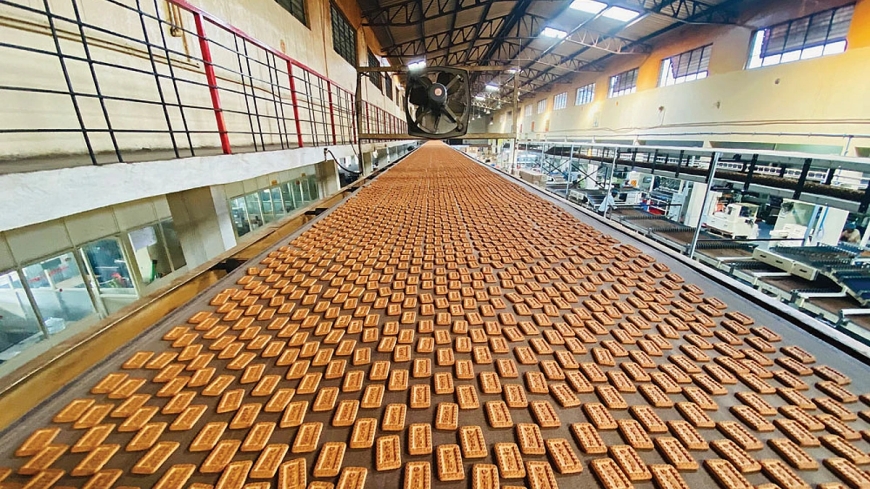
For generations of Mumbaikars, Vile Parle wasn’t just a suburb. It was a feeling. And a big part of that feeling came from the unmistakable smell of biscuits baking at the iconic Parle-G factory in Vile Parle East. That aroma floated through the air for decades, quietly becoming part of the city’s everyday life.
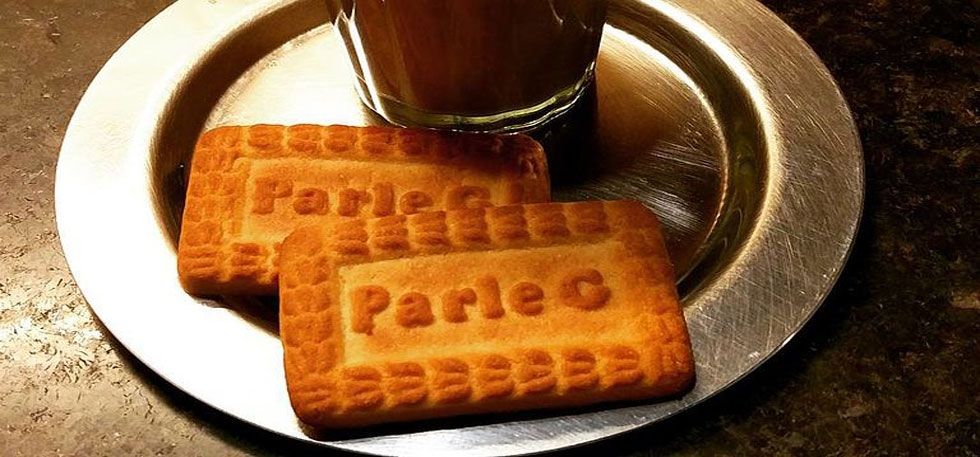 Image Credit: Mens XP
Now, that chapter is officially closing.
After 87 years of operation, the historic Parle-G factory has received partial environmental clearance for demolition and redevelopment. What once symbolized India’s most loved biscuit brand will soon transform into a massive commercial complex, marking one of the most significant industrial-to-commercial shifts Mumbai has seen in recent years.
Let’s break down what this really means, why it matters, and how it reflects Mumbai’s changing urban story.
The Birthplace of a Biscuit That Became a National Icon
Parle Products set up its first factory in Vile Parle back in 1929. At the time, the company focused on making candies. Biscuits came later. In 1939, Parle-G was introduced, and the rest is history.
) Image Credit: Business Standard
Image Credit: Business Standard
What started as a small manufacturing unit soon became the heartbeat of an Indian household staple. During the freedom movement and post-independence years, Parle-G became affordable, accessible, and deeply trusted. For many families, it wasn’t just food. It was comfort.
The Vile Parle factory played a central role in that journey. It housed both production facilities and the company’s headquarters. At its peak, the site employed around 300 workers and ran like a well-oiled machine, quietly supplying millions of biscuits across the country.
Why Production Stopped in 2016
Despite its legacy, the factory couldn’t escape economic reality. By mid-2016, production at the Vile Parle unit was shut down. The reason wasn’t a lack of demand for Parle-G. It was declining output efficiency. As Mumbai expanded and operational costs rose, running a large manufacturing unit in the heart of the city became financially unviable.
Land prices soared. Logistics became complex. Modern manufacturing needed more space and better infrastructure, something difficult to achieve in a densely populated urban area.
Parle Products took a tough but necessary call. Production moved to other facilities better suited for large-scale operations. Employees at the Vile Parle factory were offered voluntary retirement, ensuring a smoother transition.
The factory building remained standing, but its purpose had already changed.
A ₹3,961 Crore Redevelopment Plan
Fast forward today, the 13.45-acre plot, measuring 54,438.80 square metres, is set to undergo a massive transformation. Parle Products has proposed a ₹3,961 crore commercial redevelopment project, turning the former industrial site into a modern business hub.
Here’s what the plan includes:
1. Total built-up area: Around 1.9 lakh square metres
2. FSI construction: 1,21,698 sq m
3. Non-FSI construction: 68,662 sq m
4. Structures planned: Four main commercial buildings
5. Parking infrastructure: Two dedicated parking towers with three and six floors
6. Green cover: Landscaping plans include planting over 1,800 trees
The proposal was submitted to the Municipal Corporation of Greater Mumbai in mid-2025, aligning with the city’s growing push toward commercial redevelopment in prime locations.
Partial Environmental Clearance Granted
A major milestone came on January 7, 2026. The State Environment Impact Assessment Authority, operating under the Ministry of Environment, Forest and Climate Change, granted partial environmental clearance for the project. This approval allows the demolition of 21 ageing structures within the factory premises.
This clearance does not mean construction can begin immediately. It’s a critical first step. Full approvals for construction and redevelopment are still pending and will require additional clearances.
Still, the decision confirms what many had expected. The factory’s physical presence is nearing its end.
Why This Redevelopment Matters to Mumbai
This isn’t just about one factory. The Parle-G redevelopment reflects a much larger shift happening across Mumbai. Old industrial plots are increasingly being repurposed for commercial and mixed-use developments. As the city grows vertically and economically, land use priorities are changing.
Vile Parle East, in particular, sits in a highly strategic location. Close to business districts, transport hubs, and residential areas, it offers immense commercial potential. From an urban planning perspective, the move makes sense.
From an emotional standpoint, it’s more complicated.
An Emotional Goodbye for Mumbaikars
For locals, the factory wasn’t just a building. It was part of their daily routine. People remember walking past it on their way to school, work, or the railway station, greeted by the smell of fresh biscuits.
That sensory memory is hard to replace.
Even though production stopped nearly a decade ago, the building stood as a reminder of a simpler time. Its demolition feels like saying goodbye to a piece of Mumbai’s cultural fabric.
Yet cities evolve. And Mumbai, perhaps more than any other Indian city, has always balanced nostalgia with necessity.
Parle-G’s Legacy Lives On
What this change does not mean is the end of Parle-G. Parle Products continues manufacturing Parle-G and other products at multiple facilities across India. The brand remains one of the most trusted and widely consumed biscuits in the country.
 Image Credit: themintleaves.com
The recipe hasn’t changed. The familiar yellow pack still finds its way into homes, offices, tea stalls, and travel bags. The legacy was built at Vile Parle, but it no longer depends on that single location.
In many ways, this shift allows Parle to honor its past while adapting to the future.
Industrial to Commercial: A Sign of the Times
Mumbai’s transformation is relentless. Textile mills became malls and offices. Warehouses turned into luxury residences. Now, iconic factories are following the same path. The Parle-G redevelopment is part of that ongoing story.
It highlights the economic pressures of operating heavy industry in urban centers. It also raises important questions about heritage conservation, urban memory, and how cities preserve their identity while modernizing.
Some argue that structures like the Parle factory deserve preservation. Others believe redevelopment fuels growth and creates new opportunities. There’s no easy answer. Only trade-offs.
What Happens Next?
With partial clearance granted, demolition of select structures is expected to move forward once procedural formalities are completed. Full construction approvals will determine timelines for the commercial complex.
Once complete, the site will no longer smell of biscuits. Instead, it will host offices, parking towers, landscaped spaces, and the buzz of corporate life.
A different kind of energy. A different chapter.
Closing Thoughts
The Parle-G factory in Vile Parle East gave Mumbai nearly nine decades of quiet service. It fed generations, provided livelihoods, and became part of the city’s identity without ever demanding attention.
Its redevelopment doesn’t erase that history. It simply marks the end of one phase and the beginning of another.
Mumbai moves on. But memories, like the smell of fresh biscuits in the morning air, have a way of lingering.
What's Your Reaction?
 Like
0
Like
0
 Dislike
0
Dislike
0
 Love
0
Love
0
 Funny
0
Funny
0
 Wow
0
Wow
0
 Sad
0
Sad
0
 Angry
0
Angry
0

I’m Ryan Rehan, Business Development Executive and a passionate blogger dedicated to sharing insights, tips, and experiences that inspire and inform. Through my blogs, I explore topics that matter, spark curiosity, and encourage thoughtful conversations. Whether I’m breaking down complex ideas, offering practical advice, or simply sharing stories, my goal is to create content that adds real value to a growing community of curious minds and passionate readers.
















Comments (0)