

Inside the Lives of Afghan Women: Rights Lost Under Taliban Rule and the Reality Today
Explore the reality of Afghan women in 2026 under Taliban rule. Learn about restrictions on education, employment, digital freedom, daily life, humanitarian challenges, and inspiring stories of resilience.

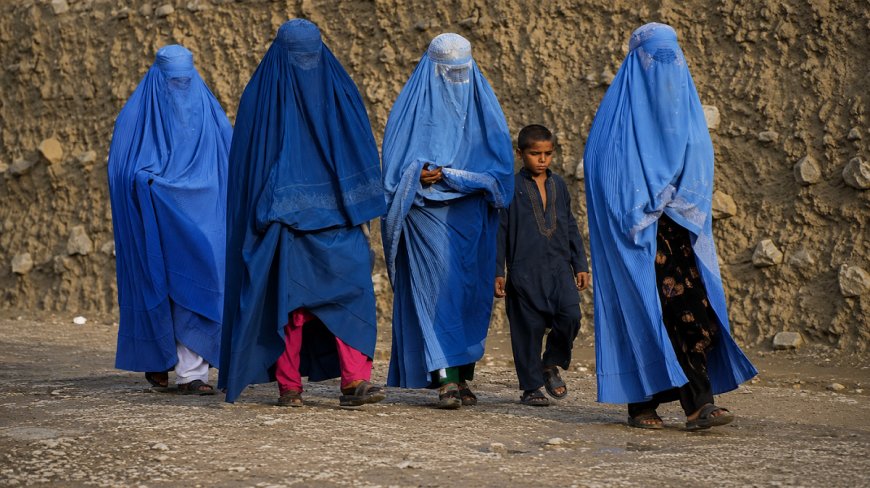
Imagine waking up every morning knowing that your ability to study, work, travel, or even spend time in a public park depends on rules you have no control over. For millions of women and girls in Afghanistan, this is not a fictional scenario - it's part of everyday life in 2026.
Since the Taliban regained control of Afghanistan in August 2021, the country has witnessed sweeping changes that have dramatically affected women's rights and freedoms. Restrictions on education, employment, public participation, and movement have drawn widespread concern from the international community, human rights organizations, and humanitarian agencies.
Yet amid these hardships, Afghan women continue to display extraordinary resilience. Many have found innovative ways to continue learning, support their families, operate home-based businesses, and help one another despite immense challenges.
This article explores the current realities faced by Afghan women in 2026, the impact of ongoing restrictions, and why their stories continue to matter far beyond Afghanistan's borders.

Afghanistan in 2026: Why the Situation Matters
When the Taliban returned to power in August 2021 following the withdrawal of international forces, many Afghans feared that women's rights would once again face severe restrictions.
Over the following years, those concerns became reality.
Measures affecting education, employment, public life, media participation, and civil society have steadily expanded, prompting repeated criticism from the United Nations and numerous international organizations.
Today, Afghanistan remains one of the world's most closely watched human-rights situations—not only because of the restrictions themselves but because millions of women and girls continue to live under them every day.
Timeline of Key Developments
- 2021: Taliban returns to power.
- 2022–2023: Increasing restrictions on girls' secondary education and women in many workplaces.
- 2024–2025: Additional limitations on public participation, movement, and civic activities.
- 2026: Ongoing humanitarian challenges combine with continuing restrictions, creating one of the world's most difficult environments for women.

Education: A Generation Still Waiting
Education has become one of the most visible symbols of Afghanistan's ongoing crisis.
Many girls remain unable to attend secondary school or university under current policies. As a result, an entire generation has seen its educational journey interrupted during some of the most important years of learning.
Girls who were in primary school when the Taliban returned to power in 2021 have now reached college age without being able to continue formal education.
The long-term consequences extend far beyond classrooms.
Without access to education:
- Career opportunities become limited.
- Economic independence becomes harder to achieve.
- Healthcare, science, teaching, and public services lose future professionals.
- Families face reduced long-term earning potential.
Despite these obstacles, many Afghan girls continue learning through:
- Informal community classes
- Home-based study groups
- Online educational platforms where internet access allows
- Volunteer-led teaching initiatives
Their determination reflects a powerful belief that education remains worth pursuing, even under difficult circumstances.
Interesting Fact: Thousands of Afghan girls have spent several consecutive academic years outside formal secondary and higher education, creating one of the largest educational disruptions in recent history.

Employment and Economic Independence
Employment opportunities for women have also narrowed significantly in recent years.
Many women who previously worked in government offices, NGOs, education, and other sectors have faced new restrictions affecting their ability to remain in the workforce.
The impact is particularly severe for:
- Widows
- Female-headed households
- Families relying on women's income
- Urban professionals who previously held skilled positions
According to UN Women, these restrictions intersect with wider humanitarian challenges, including food insecurity, displacement, and poverty. Many households now struggle to meet basic needs as earning opportunities decline.
Some women have adapted by launching:
- Home-based tailoring businesses
- Online tutoring
- Handicraft production
- Small food enterprises
- Remote freelance work where possible
These initiatives provide important sources of income but often remain limited compared with previous employment opportunities.

Daily Life Under Restrictions
Beyond education and employment, restrictions influence many ordinary aspects of everyday life.
For many Afghan women, daily routines may involve navigating rules related to:
- Movement in public spaces
- Dress requirements
- Access to recreational facilities
- Public transportation
- Healthcare services
- Participation in community activities
Even simple activities such as visiting parks or participating in social events may involve additional limitations compared with previous years.
Healthcare presents another concern. While female healthcare workers continue to play an essential role, access can become more complicated in areas facing shortages, displacement, or insecurity.
Together, these restrictions shape nearly every aspect of daily life.

Smartphones and Digital Freedom: A New Battleground
Technology has become one of the few remaining windows to the outside world for many Afghan women.
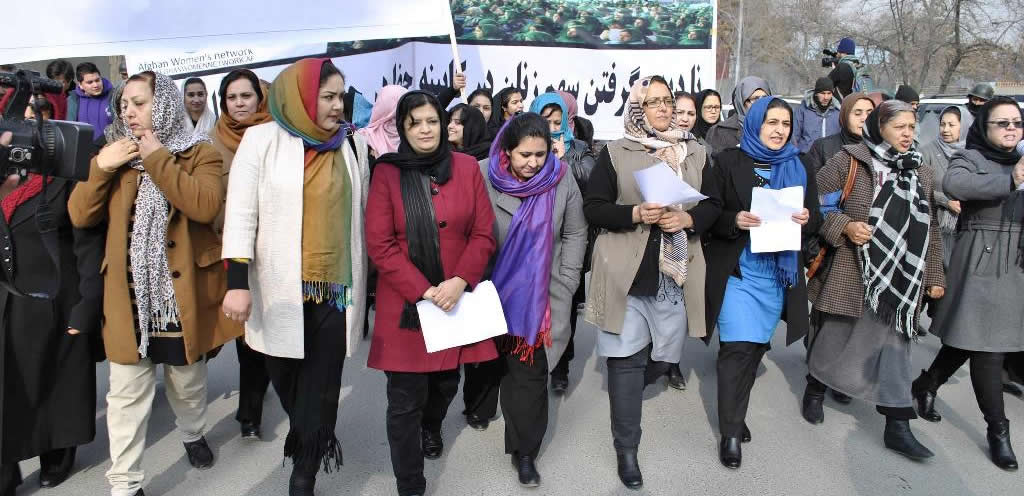
According to recent reporting by Deutsche Welle (DW), authorities have increased scrutiny over smartphone use and digital communication, particularly where online activism or public protests are concerned.
For many women, smartphones are far more than communication devices.
They provide access to:
- Online education
- Remote work opportunities
- Family communication
- Health information
- International news
- Support networks
Digital platforms have also allowed some women to continue professional work from home or participate in virtual learning communities.
As digital access becomes increasingly important, concerns surrounding online freedoms have gained greater international attention.

The Afghanistan Tourists Rarely See
Afghanistan is home to breathtaking mountains, ancient cities, and centuries of cultural heritage.
Many international travellers describe local communities as welcoming and remarkably hospitable.
Yet, as highlighted by accounts from Indian female travel bloggers featured in The Times of India, visitors also observe a striking contrast.
Behind Afghanistan's spectacular landscapes lies a society where local women often experience far greater limitations than tourists.
Visitors frequently note:
- Warm hospitality from families
- Rich cultural traditions
- Historic architecture
- Beautiful natural scenery
At the same time, they also witness:
- Limited female visibility in public spaces
- Restrictions affecting women's mobility
- Reduced public participation by women
This contrast leaves many travellers reflecting on the complex realities of life inside Afghanistan today.
Women Displaced by Conflict
Conflict continues to reshape lives across Afghanistan.
According to UN Women, renewed violence in parts of eastern Afghanistan has displaced many families, creating additional humanitarian pressures.
Displacement often means:
- Loss of homes
- Food insecurity
- Interrupted education
- Limited healthcare
- Psychological trauma
Women and children are frequently among the most vulnerable.
Mothers often carry the responsibility of caring for families while coping with uncertain living conditions and limited access to essential services.
Humanitarian agencies continue providing emergency assistance, but needs remain significant.
Stories of Resilience
Despite enormous challenges, Afghan women continue demonstrating remarkable resilience.
Across the country, inspiring stories continue to emerge.
Many women have found creative ways to preserve hope through:
Secret Learning Communities
Small informal classrooms continue teaching girls wherever possible.
Home-Based Businesses
Women produce clothing, handicrafts, baked goods, and embroidery from their homes to support their families.
Online Education
Where internet access is available, virtual learning has become an important educational lifeline.
Healthcare Volunteers
Female healthcare workers continue serving communities despite difficult circumstances.
Community Support Networks
Women frequently rely on one another through neighborhood support groups, shared childcare, and informal assistance.
These efforts may not erase the broader challenges, but they reflect remarkable courage and determination.
How the World Is Responding
The situation of Afghan women continues attracting attention from governments, humanitarian organizations, and international institutions.
Organizations including UN Women continue supporting:
- Emergency humanitarian assistance
- Food security programs
- Women's livelihoods
- Healthcare initiatives
- Advocacy for education
- Protection of women's rights
International human-rights organizations also continue urging greater access to education, employment, and public participation for Afghan women.
Although progress remains difficult, global attention helps ensure these issues remain part of international discussions.
Frequently Asked Questions
Can Afghan girls attend school in 2026?
Primary education remains available in many areas, but restrictions continue to affect access to secondary and higher education for many girls.
Can Afghan women work?
Employment opportunities remain limited in many sectors, although some women continue working in healthcare, humanitarian services, home-based businesses, and selected private roles depending on local conditions.
Can women travel freely?
Travel and movement are subject to various restrictions and local regulations that have changed since 2021.
What role do humanitarian organizations play?
Organizations such as UN Women and other international agencies provide humanitarian assistance, food support, healthcare, livelihood programs, and advocacy for women's rights.
Why This Matters Beyond Afghanistan
The situation in Afghanistan is not only a national issue—it raises broader questions about:
- Human rights
- Equal access to education
- Economic participation
- Regional stability
- Humanitarian responsibility
Educated women contribute to stronger economies, healthier families, and more resilient communities.
When opportunities disappear for millions of women, the effects extend across generations.
Keeping international attention focused on Afghanistan helps ensure these stories—and the people living them—are not forgotten.
Did You Know?
- Millions of Afghan women and girls continue to face restrictions affecting education and employment.
- Humanitarian organizations report that conflict and displacement have increased hunger, food insecurity, and psychological trauma for many families.
- Smartphones and digital platforms have become essential tools for learning, communication, and remote work.
- Many Afghan women continue operating home-based businesses and participating in informal education despite ongoing challenges.
- International organizations continue advocating for restoring women's access to education, employment, and public life.
Conclusion
The story of Afghan women in 2026 cannot be reduced to restrictions alone.
It is also a story of resilience, courage, and extraordinary determination.
Across Afghanistan, countless women continue searching for ways to learn, earn a living, support their families, and preserve hope despite immense obstacles. Their perseverance reminds the world that even in difficult circumstances, the desire for education, dignity, and opportunity endures.
Understanding their reality is about more than following international headlines. It is about recognizing the experiences of millions of women whose voices deserve to remain part of the global conversation. As humanitarian organizations, educators, and advocates continue working toward greater opportunities, sustained international attention remains vital to ensuring that these stories—and the aspirations behind them—are not forgotten.
What's Your Reaction?
 Like
0
Like
0
 Dislike
0
Dislike
0
 Love
0
Love
0
 Funny
0
Funny
0
 Wow
0
Wow
0
 Sad
0
Sad
0
 Angry
0
Angry
0













Comments (0)