

Why Everyone Is Drinking Matcha in 2026: The Green Tea Trend Taking Over Instagram, Cafés & Wellness Culture
Discover why Matcha is becoming the most popular drink of 2026. Learn about its origins, health benefits, authentic Matcha culture, how it compares to coffee, and the best Matcha cafés and tea houses in India and around the world.

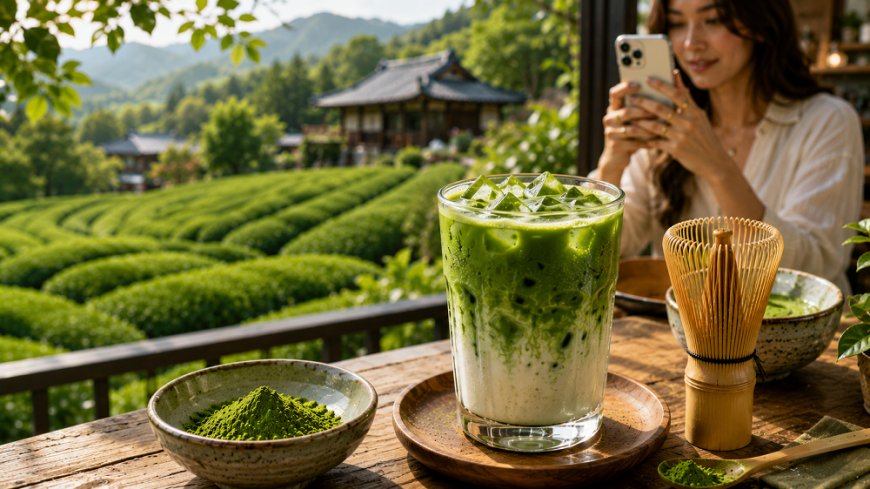
A few years ago, most people outside Japan had never heard of Matcha.
Today, it seems impossible to open Instagram without seeing a bright green Matcha latte sitting next to a laptop, a fashion magazine, or a perfectly styled brunch table. Walk into almost any modern café in a major city and you'll likely find Matcha on the menu; not just as a drink, but in desserts, pastries, smoothies, ice creams, and even cocktails.
What was once considered a traditional Japanese tea has become one of the biggest food and beverage trends of 2026.
But why?
Is Matcha genuinely healthy, or is it simply another social media obsession? Why are cafés replacing coffee specials with Matcha menus? And where can you actually find authentic Matcha instead of sugary green-colored drinks pretending to be Matcha?
If you've been curious about the world's favorite green drink, this guide will tell you everything you need to know.
What Exactly Is Matcha?
Unlike regular green tea, Matcha is made by grinding specially grown tea leaves into an ultra-fine powder.
Instead of steeping leaves in water and throwing them away, you consume the entire leaf when drinking Matcha. This is one reason Matcha contains a much higher concentration of antioxidants and beneficial plant compounds compared to ordinary green tea.
Traditional Matcha has been part of Japanese tea culture for centuries and plays a central role in the Japanese tea ceremony.
The highest-quality Matcha comes primarily from regions around Uji and Kyoto, where tea cultivation has been perfected over generations.


Why Matcha Is Suddenly Everywhere in 2026
The rise of Matcha didn't happen overnight.
Several lifestyle trends have come together at exactly the right moment.
First, consumers are becoming more health-conscious. Many people are actively looking for alternatives to highly caffeinated coffee drinks and sugary energy beverages.
Second, social media loves Matcha.
The vibrant green color instantly stands out in photos and videos. Whether it's a Matcha latte in a minimalist café or an iced Matcha drink filmed during a morning routine reel, it naturally attracts attention.
Third, Matcha fits perfectly into the aesthetic lifestyle movement currently dominating Instagram. Wellness, productivity, self-care, clean eating, and mindful living are all themes commonly associated with Matcha culture.
The result is a drink that looks good, feels premium, and aligns with modern lifestyle aspirations.


Is Matcha Healthier Than Coffee?
This is probably the most common question people ask.
The answer depends on what you're looking for.
Coffee generally contains more caffeine than Matcha. However, Matcha contains a unique amino acid called L-theanine, which helps create a calmer and more sustained energy boost.
Many Matcha drinkers describe the experience as "focused energy without the crash."
Instead of a rapid caffeine spike followed by an afternoon slump, Matcha often provides steadier alertness throughout the day.
Matcha is also rich in antioxidants, particularly catechins, which are associated with various health benefits.
That doesn't mean coffee is unhealthy. It simply means Matcha offers a different type of energy experience.

Not All Matcha Is Created Equal
One of the biggest mistakes new drinkers make is assuming all Matcha tastes the same.
In reality, quality varies dramatically.
High-quality ceremonial Matcha has a bright green color, smooth texture, natural sweetness, and very little bitterness.
Lower-quality Matcha tends to appear dull green or yellowish and often tastes harsh or overly bitter.
If you're trying Matcha for the first time, investing in a good-quality ceremonial grade product can completely change your experience.
Why Cafés Are Obsessed With Matcha
From a café owner's perspective, Matcha is a dream ingredient.
It works in hot drinks, iced beverages, desserts, pastries, cakes, cookies, and specialty menus.
Customers also tend to view Matcha as a premium product, making them more willing to try new menu items.
For social media marketing, Matcha is equally powerful. Few drinks photograph as beautifully as a perfectly layered iced Matcha latte against a minimalist café backdrop.
This combination of visual appeal, versatility, and wellness branding explains why cafés worldwide are expanding their Matcha offerings.
The Best Authentic Matcha Experiences in the World
If you're a serious Matcha lover, there are a few destinations that belong on your bucket list.
Uji, Japan
If Matcha had a capital city, it would be Uji.
Located near Kyoto, Uji is considered one of the most important tea-producing regions in Japan. Visitors can explore historic tea houses, participate in tea ceremonies, and taste some of the world's finest Matcha.
Many tea experts consider this the ultimate Matcha pilgrimage.


Kyoto, Japan
Kyoto combines traditional tea culture with modern café experiences.
You'll find centuries-old tea houses alongside contemporary Matcha cafés serving innovative drinks and desserts.
The city offers perhaps the most complete Matcha experience anywhere in the world.


Tokyo, Japan
Tokyo has transformed Matcha into a modern lifestyle phenomenon.
Here you'll find everything from luxury Matcha tasting rooms to Instagram-famous Matcha dessert cafés.
The city beautifully blends tradition and innovation.


Seoul, South Korea
South Korea's café culture has embraced Matcha enthusiastically.
Many specialty cafés now offer creative Matcha drinks that attract both locals and international tourists.
Singapore
Singapore's café scene has become one of Asia's most exciting destinations for Matcha lovers. Many cafés source premium Japanese Matcha directly from Uji and Kyoto.
Best Places to Drink Matcha in India
India's Matcha culture is still developing, but several cafés have already become favorites among enthusiasts.
Blue Tokai Coffee Roasters
Known primarily for coffee, many locations now serve surprisingly good Matcha beverages prepared with premium ingredients.
Third Wave Coffee
Several Third Wave outlets have introduced Matcha-based drinks that have become popular among younger consumers.
Subko
In cities like Mumbai, Subko has earned a reputation for offering thoughtfully prepared specialty beverages, including high-quality Matcha.
Bokka Coffee
This growing specialty café brand has developed a loyal following among people looking for authentic Matcha experiences.
Independent Specialty Cafés
Cities such as Mumbai, Bengaluru, Delhi, Pune, and Hyderabad are witnessing a rapid rise in independent cafés serving premium ceremonial-grade Matcha.
The quality can vary significantly, so researching reviews beforehand is worthwhile.
How to Spot Authentic Matcha
If you're paying premium prices, you deserve real Matcha.
Authentic Matcha should have:
-
Bright vibrant green color.
-
Fine silky texture.
-
Fresh grassy aroma.
-
Smooth taste with slight sweetness.
-
Minimal bitterness.
If your Matcha looks dull, tastes extremely bitter, or feels gritty, it's likely lower quality.
How to Make Matcha at Home
The traditional preparation method is surprisingly simple.
Place one to two teaspoons of Matcha powder into a bowl. Add a small amount of hot water; not boiling water; and whisk vigorously until a smooth foam forms on top.
You can then enjoy it as traditional Matcha or add milk for a Matcha latte.
The key is using quality Matcha rather than relying solely on preparation techniques.
Is Matcha Worth the Hype?
For many trends, the answer is no.
For Matcha, the answer is surprisingly yes.
Beyond its beautiful appearance and social media popularity, Matcha offers a unique drinking experience that combines centuries of tradition with modern wellness culture.
It provides a different type of energy than coffee, a fascinating cultural history, and an incredible variety of flavors when prepared correctly.
Most importantly, Matcha encourages people to slow down and enjoy the moment—something many of us could use more of in 2026.

Final Thoughts
Matcha's popularity isn't just another passing Instagram trend. Its rise reflects broader changes in how people think about wellness, food, and daily rituals.
Whether you're discovering Matcha for the first time or planning a future trip to Japan's famous tea regions, there's never been a better time to explore this remarkable drink.
From the historic tea houses of Uji and Kyoto to the trendy cafés of Mumbai, Bengaluru, London, and New York, Matcha has become a global phenomenon that bridges tradition and modern culture.
And if the bright green drinks taking over your Instagram feed are any indication, Matcha's story is only just beginning.
What's Your Reaction?
 Like
0
Like
0
 Dislike
0
Dislike
0
 Love
0
Love
0
 Funny
0
Funny
0
 Wow
0
Wow
0
 Sad
0
Sad
0
 Angry
0
Angry
0












Comments (0)