

Why Is Japanese Whisky So Expensive? The Story Behind Its Global Popularity
Discover why Japanese whisky commands premium prices worldwide. Learn about its history, craftsmanship, limited production, global awards, aging process, and why collectors are willing to pay thousands for a single bottle.

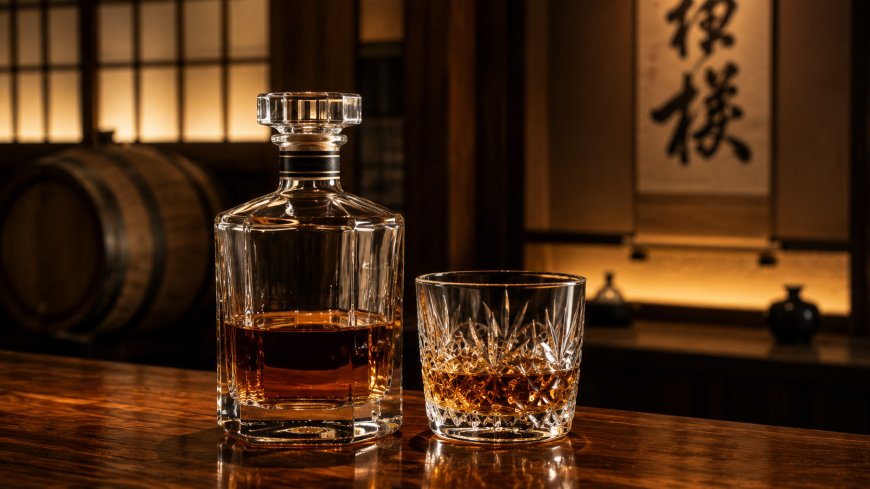
Have you ever walked into a premium liquor store, spotted a bottle of Japanese whisky, looked at the price tag - and wondered, "Why is this so expensive?"
You're definitely not alone.
Some bottles cost two or three times more than premium Scotch whiskies, while rare editions have sold for tens of thousands of dollars at auctions.
So, is it just clever marketing?
Not really.
Japanese whisky has earned its reputation through incredible craftsmanship, years of patience, and a dedication to perfection that's deeply rooted in Japanese culture. In fact, many whisky lovers believe opening a bottle of Japanese whisky is less like pouring a drink and more like experiencing a work of art.
Let's explore what makes it so special.
A Quick History: How Japan Fell in Love with Whisky
Interestingly, whisky isn't native to Japan.
The story begins over a century ago with Masataka Taketsuru, often called the Father of Japanese Whisky. As a young chemist, he traveled to Scotland to study the art of whisky-making firsthand.
He learned everything; from malting barley and fermentation to distillation and barrel aging.
When he returned home, he brought those traditional Scottish techniques with him but blended them with Japan's own culture of precision and craftsmanship.
That combination changed the whisky world forever.
So, How Is Japanese Whisky Made?
This is where things get fascinating.
Making Japanese whisky isn't something that happens overnight. A premium bottle may take 10, 15, or even 25 years before it reaches your glass.
Here's a simple breakdown of the journey.
Step 1: Selecting the Ingredients
Everything starts with high-quality ingredients.
Most distilleries use:
- Malted barley
- Pure spring water
- Carefully selected yeast
Water is especially important because Japan is blessed with exceptionally pure mountain springs, which many believe contribute to the whisky's smooth character.
Step 2: Fermentation
The malted barley is mixed with warm water to extract natural sugars.
Yeast is then added, converting those sugars into alcohol over several days.
At this point, the liquid resembles a strong beer; but the real transformation is still ahead.
Step 3: Distillation
The fermented liquid is heated inside traditional copper pot stills.
As alcohol evaporates and condenses, it becomes much purer and stronger.
Japanese distillers often experiment with different still shapes and sizes to create unique flavor profiles.
Step 4: Aging in Wooden Barrels
This is where the magic happens.
The spirit is stored inside oak barrels for many years.
During this time it slowly absorbs flavors from the wood while becoming smoother and more complex.
Some barrels previously held:
- Bourbon
- Sherry
- Wine
But Japan is also famous for using the rare Mizunara oak.
The Secret Ingredient: Mizunara Oak
Ask any whisky collector about Japanese whisky, and sooner or later you'll hear about Mizunara oak.
Why is it so special?
Because it gives whisky aromas you rarely find anywhere else.
You might notice hints of:
- Sandalwood
- Coconut
- Incense
- Cinnamon
- Delicate floral notes
The downside?
Mizunara trees take many decades to mature, and the wood is notoriously difficult to work with. Barrels are expensive, leak more easily, and require exceptional craftsmanship.
That rarity is one reason premium Japanese whiskies often cost so much.
Why Is Japanese Whisky So Expensive?
There isn't just one reason; it's a combination of several factors.
Limited Production
Japan has far fewer distilleries than Scotland.
With limited supply and growing global demand, prices naturally rise.
Years of Patience
A whisky labeled "18 Years Old" has spent nearly two decades maturing before it can be sold.
That means distilleries invest huge amounts of time, space, and money long before earning any return.
Award-Winning Quality
Japanese whisky was once a hidden gem.
Then it started winning major international competitions.
Suddenly, collectors around the world wanted a bottle.
Demand skyrocketed almost overnight.
Incredible Attention to Detail
Japanese craftsmanship is famous worldwide.
From cars and cameras to sushi knives, Japan is known for perfection; and whisky is no exception.
Every batch is carefully monitored, tasted, and refined before release.

Why Do Collectors Love It So Much?
Some people don't buy Japanese whisky to drink.
They buy it because it has become collectible.
Rare bottles often:
- Increase in value
- Sell out within hours
- Become investment pieces
Certain limited editions have even fetched hundreds of thousands of dollars at international auctions.
Does Japanese Whisky Taste Different?
Absolutely.
Most people describe Japanese whisky as:
- Smooth
- Elegant
- Floral
- Balanced
- Delicate
Instead of overwhelming smoke or peat, many Japanese whiskies focus on harmony.
That's why beginners often find them surprisingly easy to enjoy.
Is Japanese Whisky Good for Your Health?
This is probably one of the most searched questions online.
The honest answer is:
Japanese whisky is still alcohol. It isn't a health drink.
However, researchers have studied alcohol in moderation for many years.
Some studies have suggested that light to moderate alcohol consumption may be associated with certain cardiovascular benefits in some adults. But health experts now emphasize that these findings do not mean people should start drinking for health reasons.
Major organizations, including the World Health Organization (WHO), state that there is no completely safe level of alcohol consumption when it comes to overall health risk.
Possible Effects of Moderate Consumption
Some research has associated moderate drinking with:
- Temporary relaxation
- Social enjoyment
- Certain antioxidant compounds (depending on the beverage)
However, these potential effects do not outweigh the risks of regular or excessive alcohol use.
Drinking Too Much Can Increase the Risk of:
- Liver disease
- High blood pressure
- Certain cancers
- Heart problems
- Sleep disturbances
- Weight gain
- Alcohol dependence
Expert Advice
If you already drink alcohol, moderation is key. If you don't drink, health professionals generally do not recommend starting for any perceived health benefit.
Best Japanese Whisky Brands to Try
If you're curious about Japanese whisky, these names are worth exploring:
Yamazaki – Rich, fruity, and one of Japan's most iconic single malts.
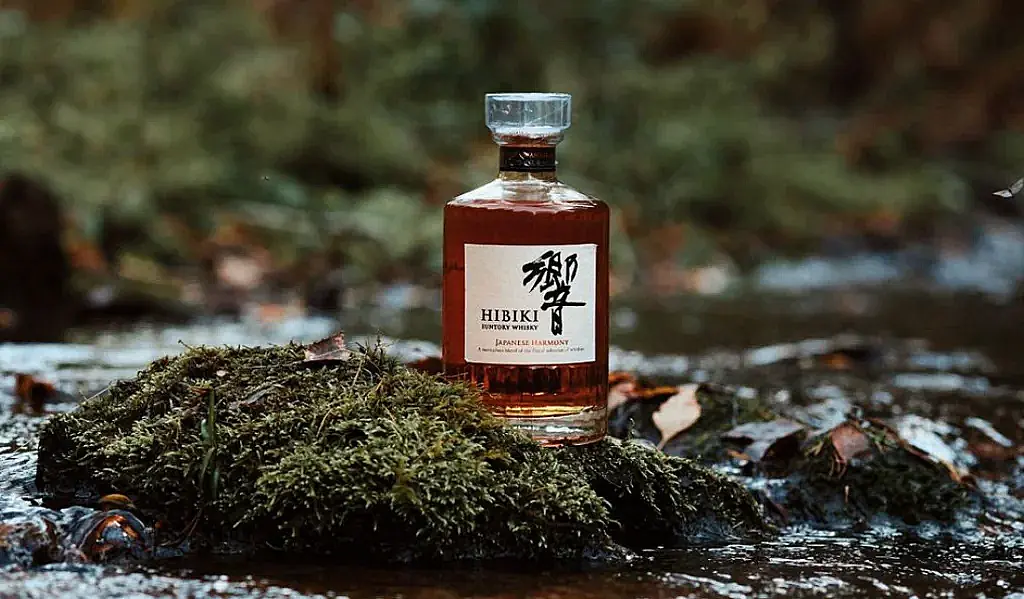
Hibiki – Famous for its beautifully balanced blended whiskies.
Hakushu – Fresh, herbal, and lightly smoky.
Nikka – A favorite among enthusiasts, offering both single malts and blends.
Chichibu – Small-batch whiskies with growing international recognition.
Fun Facts You Might Not Know
Japan's whisky industry is only about 100 years old, yet it competes with centuries-old Scotch traditions.
Mizunara oak trees may take over 200 years before they're suitable for barrel-making.
Some Japanese whisky bottles have sold for over $500,000 at auctions.
Many distilleries are located in quiet mountain regions because the clean water and climate are ideal for aging whisky.

Japanese whisky isn't expensive simply because it's imported or luxurious; it reflects decades of craftsmanship, patience, and a relentless pursuit of quality.
From crystal-clear mountain water and carefully selected barley to years of aging in rare Mizunara oak barrels, every step of the process is designed with extraordinary attention to detail.
If you're a whisky enthusiast, tasting a well-made Japanese whisky isn't just about enjoying a drink. It's about appreciating a tradition that combines Scottish heritage with Japanese precision.
And while it may come with a premium price tag, many people believe the experience and the story behind every bottle, make it worth every sip.
What's Your Reaction?
 Like
0
Like
0
 Dislike
0
Dislike
0
 Love
0
Love
0
 Funny
0
Funny
0
 Wow
0
Wow
0
 Sad
0
Sad
0
 Angry
0
Angry
0








Comments (0)