

Navratri 2025: Complete Guide to Colors, Fasting, and Bhog
Discover Navratri 2025 like never before! Explore the significance of colors, fasting tips, and traditional bhog recipes to celebrate this vibrant festival with devotion and joy. Your complete Navratri guide awaits.
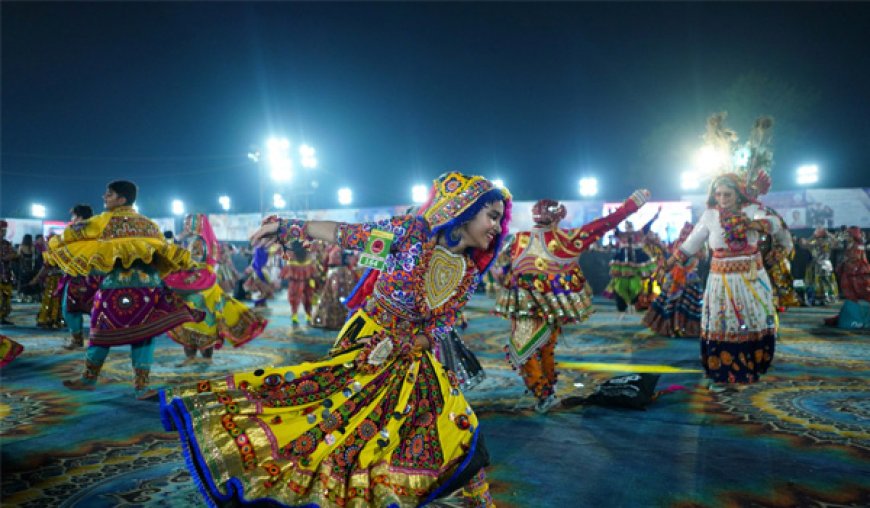
Navratri is one of the most celebrated Hindu festivals, observed with devotion, prayers, and joy across India and by communities worldwide. The word Navratri means “Nine Nights,” and each day is dedicated to one form of Goddess Durga. In 2025, Navratri begins on September 22 and ends on September 30. The festival concludes with Dussehra on October 2.
What makes Navratri special is the blend of rituals, colors, fasting practices, dance traditions, and food offerings. Each element has a meaning and adds to the spiritual connection devotees feel during these nine days.
Navratri 2025 Dates and Schedule
-
Start Date: September 22, 2025
-
End Date: September 30, 2025
-
Dussehra/Vijayadashami: October 2, 2025
During these nine days, people worship the nine avatars of Goddess Durga. They keep fasts, prepare prasad, wear color-coded clothes, and take part in cultural events like Garba and Dandiya in western India, Ramlila in the north, and Durga Puja in Bengal.
Why Navratri is Celebrated
-
Navratri is not just a religious festival. It is also about discipline, devotion, and renewal.
-
Fasting helps purify the body, while prayers and rituals help calm the mind.
-
Each day represents a different strength of Goddess Durga, such as courage, wisdom, and protection.
-
Devotees believe that by worshipping her, they receive blessings for peace, health, and prosperity.
Fasting Rules and Food Practices
Navratri Fasting is a big part of the festival. But it is not about complete abstinence. Instead, devotees eat Sattvic food, which is considered pure and light. Common fasting practices include:
-
Eating fruits, milk, nuts, and natural foods.
-
Using flours like Kuttu (buckwheat) and Singhara (water chestnut) instead of regular wheat.
-
Avoiding onion, garlic, alcohol, and non-vegetarian food.
-
Preparing simple dishes like sabudana khichdi, makhana kheer, or potato-based recipes.
The food is first offered to the Goddesses as bhog and then shared with the family as prasad. This practice shows gratitude and devotion.
Day-Wise: Goddess Worship Guide
Each day of Navratri is linked with a Goddess, a symbolic color, and a unique set of dishes offered as prasad.
Day 1 – Shailaputri (September 22, 2025): The festival begins by worshipping Goddess Shailaputri, symbolizing purity and strength. The color of the day is white, representing peace. Devotees prepare dishes like sabudana khichdi, makhana kheer, and coconut laddoos as offerings.
Day 2 – Brahmacharini (September 23, 2025): On the second day, devotees honor Goddess Brahmacharini, known for her devotion and discipline. The color is red, which stands for power and passion. Popular bhog items include tomato soup, beetroot paratha, and pomegranate salad.
Day 3 – Chandraghanta (September 24, 2025): Day three is for Goddess Chandraghanta, symbolizing bravery and courage. The color is royal blue. Offerings often include blueberry yogurt parfait and dishes like blue rice, reflecting the day’s theme.
Day 4 – Kushmanda (September 25, 2025): Devotees worship Goddess Kushmanda on this day, believed to bring happiness and health. The color is yellow, symbolizing joy. Prasad may include pumpkin curry, mango smoothies, and corn fritters.
Day 5 – Skandamata (September 26, 2025): The fifth day is dedicated to Goddess Skandamata, who represents motherly love and compassion. The color is green, standing for growth and balance. Dishes like spinach potato curry, green apple salad, and cucumber raita are offered.
Day 6 – Katyayani (September 27, 2025): On the sixth day, devotees worship Goddess Katyayani, a fierce form of Durga symbolizing strength. The day’s color is grey, representing balance and stability. Bhog includes grey lentil soup, buckwheat pancakes, and coconut milk pudding.
Day 7 – Kalaratri (September 28, 2025): The seventh day honors Goddess Kalaratri, known as the destroyer of darkness. The color is orange, symbolizing energy and courage. Offerings include carrot halwa, sweet potato chaat, and papaya salad.
Day 8 – Mahagauri (September 29, 2025): Day eight is for Goddess Mahagauri, representing purity and peace. The day’s color is peacock green, which stands for freshness. Green bean curry, mint rice, and herb salads are often prepared as bhog.
Day 9 – Siddhidatri (September 30, 2025): The final day is dedicated to Goddess Siddhidatri, who blesses her devotees with wisdom and powers. The color is pink, symbolizing love and kindness. Prasad includes strawberry smoothies, rose petal jam, and guava chutney.
Nine Colors of Navratri and Their Meaning
Colors play an important role in Navratri. Each color has a spiritual meaning:
-
White: Purity and peace
-
Red: Strength and energy
-
Royal Blue: Courage and determination
-
Yellow: Happiness and positivity
-
Green: Growth and harmony
-
Grey: Balance and calmness
-
Orange: Enthusiasm and warmth
-
Peacock Green: Freshness and vitality
-
Pink: Love and kindness
Devotees wear clothes in these shades, decorate puja rooms with flowers of the same color, and even prepare foods that reflect the day’s theme.
Bhog and Prasad Traditions
One of the highlights of Navratri is preparing special dishes for the Goddesses. This offering, called bhog, is not just food but a token of gratitude. After the offering, the food becomes prasad and is shared among family members.
Here are some common ingredients used in Navratri recipes:
-
Sabudana: Used in khichdi, vadas, or kheer.
-
Makhana: Made into roasted snacks or creamy puddings.
-
Kuttu flour: For puris, pancakes, or parathas.
-
Fresh fruits and dairy: Smoothies, yogurts, and fruit salads.
The idea is to keep meals light, natural, and sattvic.
Regional Celebrations of Navratri 2025
Although Navratri is celebrated across India, the rituals vary by region.
-
Western India (Gujarat, Maharashtra): Garba and Dandiya nights bring communities together with music and dance.
-
Northern India: Ramlila performances show scenes from the Ramayana, and huge effigies of Ravana are burnt on Dussehra.
-
Eastern India (West Bengal, Assam, Odisha): Navratri coincides with Durga Puja. Grand pandals, idols, and cultural performances mark the occasion.
-
Southern India (Tamil Nadu, Karnataka, Andhra Pradesh): Families arrange Golu dolls in steps, symbolizing stories from mythology.
-
Global Celebrations: Indian communities in the United States, UK, and other countries also observe Navratri with prayers, community meals, and dance programs.
How to Observe Navratri at Home
If you are planning to celebrate Navratri 2025 at home, here are some simple steps:
-
Set up a puja altar with an idol or picture of Goddess Durga. Use flowers and fabrics in the day’s color.
-
Offer daily bhog with sattvic dishes prepared freshly.
-
Chant prayers and perform aarti in the morning and evening.
-
Dress in the day’s color and involve family members in the rituals.
-
Join community events like Garba, Dandiya, or local temple gatherings.
-
On the eighth or ninth day, perform Kanya Puja by worshipping young girls and offering them food and gifts.
Dussehra 2025 – The Final Day
-
Navratri ends with Dussehra, also called Vijayadashami, on October 2, 2025.
-
This is the day that marks the winning of good things over bad things. It is believed that Lord Rama defeated Ravana on this day. People celebrate with Ramlila plays, fairs, and fireworks.
-
In many places, effigies of Ravana, Meghnath, and Kumbhkaran are burnt to symbolize the triumph of truth and righteousness.
Why Navratri is More Than Just a Festival
1. Dates and Duration: Navratri 2025 will be observed from September 22 to September 30, followed by Dussehra on October 2. Each of the nine days is dedicated to a different form of Goddess Durga, with symbolic colors, rituals, and prasad dishes.
2. Cultural Diversity: The festival reflects India’s cultural variety, Garba in Gujarat, Durga Puja in Bengal, Golu displays in South India, and Ramlila in North India. Even abroad, families celebrate with the same devotion and joy.
3. Spiritual Connection: Navratri is not just about rituals but also about faith and devotion. By fasting, offering prasad, and honoring the Goddess, devotees believe they invite peace, prosperity, and happiness into their homes.
4. Essence of Navratri: At its heart, Navratri is a time to connect with tradition, celebrate culture, and strengthen the bond with the divine.
Frequently Asked Questions (FAQs)
1. When is Navratri 2025?
Navratri 2025 will be celebrated from September 22 to September 30.
2. When is Dussehra 2025?
Dussehra, also known as Vijayadashami, falls on October 2, 2025.
3. What is the significance of Navratri?
Navratri honors the nine forms of Goddess Durga and symbolizes the victory of good over evil.
4. What foods can be eaten during Navratri fasting?
Devotees eat sattvic foods such as fruits, dairy, sabudana, makhana, kuttu flour, and singhara flour.
5. What foods are avoided in Navratri?
Onion, garlic, alcohol, non-vegetarian food, and regular grains are avoided during Navratri fasting.
6. What are the Navratri 2025 colors?
The nine colors are white, red, royal blue, yellow, green, grey, orange, peacock green, and pink.
7. Which goddess is worshipped on the first day of Navratri 2025?
On the first day, devotees worship Goddess Shailaputri.
8. What is Kanya Puja in Navratri?
Kanya Puja is performed on the eighth or ninth day by worshipping young girls and offering them food, gifts, and blessings.
9. How is Navratri celebrated in different parts of India?
Gujarat and Maharashtra host Garba, Bengal celebrates Durga Puja, north India stages Ramlila, and south India displays Golu dolls.
10. Can people outside India celebrate Navratri?
Yes, Indian communities across the United States, the UK, Canada, and other countries celebrate Navratri with puja, dances, and community gatherings.
What's Your Reaction?
 Like
0
Like
0
 Dislike
0
Dislike
0
 Love
0
Love
0
 Funny
0
Funny
0
 Wow
0
Wow
0
 Sad
0
Sad
0
 Angry
0
Angry
0

I’m Ryan Rehan, Business Development Executive and a passionate blogger dedicated to sharing insights, tips, and experiences that inspire and inform. Through my blogs, I explore topics that matter, spark curiosity, and encourage thoughtful conversations. Whether I’m breaking down complex ideas, offering practical advice, or simply sharing stories, my goal is to create content that adds real value to a growing community of curious minds and passionate readers.












Comments (0)