

Lost and Found on the Silk Road: The Discovery Reviving an Ancient City
A forgotten storeroom in Kargil hid a century of Silk Road treasures. Discover how one accidental find is reviving India's Silk Route legacy and putting Kargil and the stunning Suru Valley back on the world map.
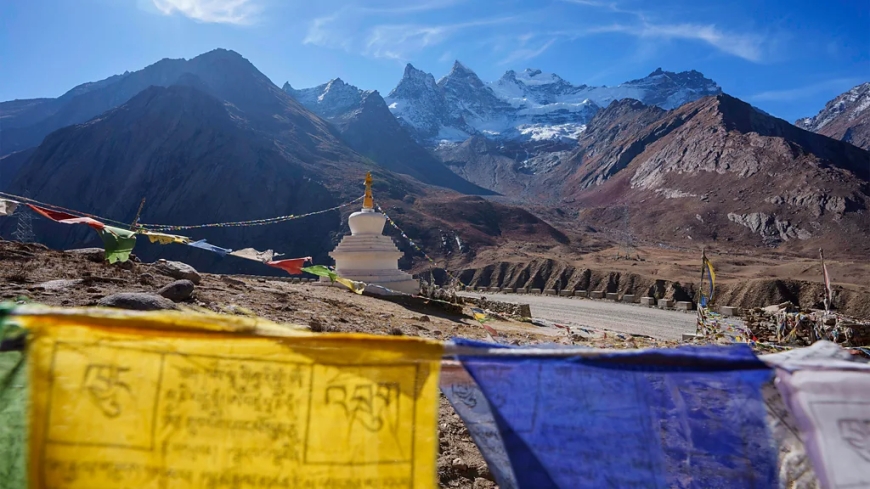
Table of Contents
- Introduction: A City the World Forgot
- Kargil Before the Headlines: The Trading Capital Called Purig
- The Treaty Road: India's Forgotten Branch of the Silk Route
- The Discovery: A Locked Room Full of Lost Centuries
- Inside the Munshi Aziz Bhat Museum
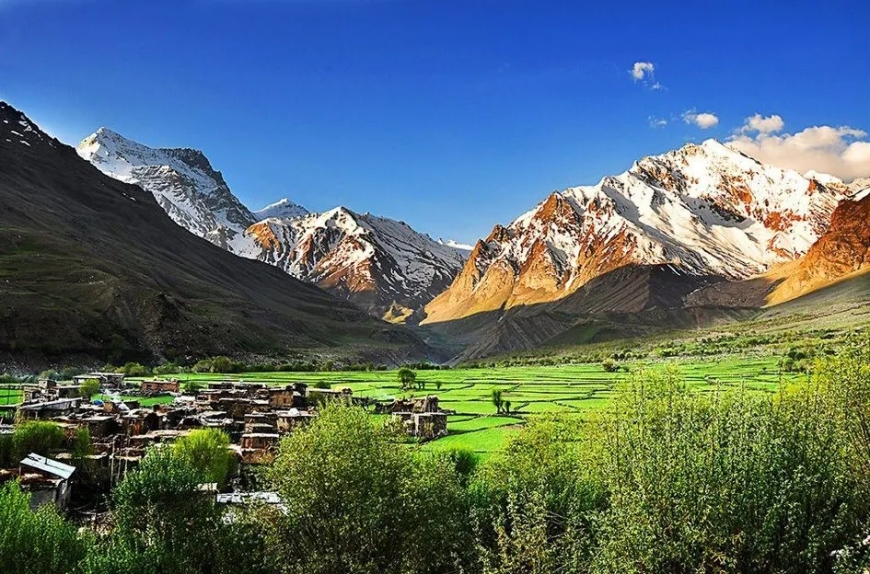
- The Suru Valley: The Silk Route's Most Beautiful Secret
- What the Discovery Means for Kargil Today
- How to Experience the Silk Route of India Yourself
- Best Time to Visit Kargil and the Suru Valley
- Final Thoughts: A City Reclaiming Its Story
-
Introduction: A City the World Forgot
Say the word "Kargil" to most people, and one association comes to mind: the war of 1999. For over two decades, this rugged mountain town in Ladakh has been defined by a single chapter of its long history, a chapter written in conflict rather than commerce, in headlines rather than heritage.
But Kargil's true story is far older, far richer, and far more surprising. Long before it became a name on the evening news, Kargil was a thriving crossroads of the ancient world, a bustling halt on a branch of the legendary Silk Route, where caravans from Central Asia, Tibet, Kashmir, and the Indian plains met to trade silk, spices, carpets, horses, and ideas.
And then, in one of history's strangest twists, an accidental discovery inside a crumbling old building in Kargil's bazaar brought that forgotten world roaring back to life. What was found behind those locked doors has quietly transformed how India and the world sees this Himalayan town.
This is the story of what was lost on the Silk Road, what was found again, and how a single family's inheritance is reviving an ancient city with the breathtaking Suru Valley at the heart of it all.
-
Kargil Before the Headlines: The Trading Capital Called Purig
To understand the significance of the discovery, you first need to understand what Kargil once was.
Historically, the region was known as Purig, and it encompassed not just the town of Kargil but the sweeping Suru Valley, Shaghkar Chiktan, Pashkyum, Bodh Kharbu, and Mulbek. Far from being a remote outpost, Purig sat at one of the most strategic commercial intersections in the Himalayas, a natural meeting point between four major market regions.
Caravans travelling between Srinagar and Leh had little choice but to pass through Kargil. Traders heading north towards Skardu and onwards to Yarkand and Kashgar in Central Asia funnelled through the same narrow valleys. Merchants moving south carried goods down towards the plains of the Indian subcontinent. Kargil, quite literally, was the town where roads met.
The result was a cosmopolitan trading culture that would astonish anyone who thinks of Ladakh as isolated. Central Asian merchants in fur caps haggled beside Kashmiri shawl traders. Tibetan wool arrived on the backs of yaks; Chinese silk arrived on the backs of ponies. Caravanserais, the roadside inns of the trading world filled each evening with a babble of languages: Balti, Purgi, Ladakhi, Kashmiri, Uyghur, Persian.
Evidence of this deep connectivity still stands in the landscape. Just beyond the town, rock-carved Buddhas dating to around the 5th century, sculpted in a distinctive Greco-Buddhist style testify to artistic influences that travelled here from as far away as the Mediterranean world, carried along the very trade arteries that made Kargil wealthy.
-
The Treaty Road: India's Forgotten Branch of the Silk Route
When people picture the Silk Road, they imagine camel trains crossing the deserts of Samarkand and Kashgar. Few realise that vital arteries of this network ran directly through what is now Indian territory.
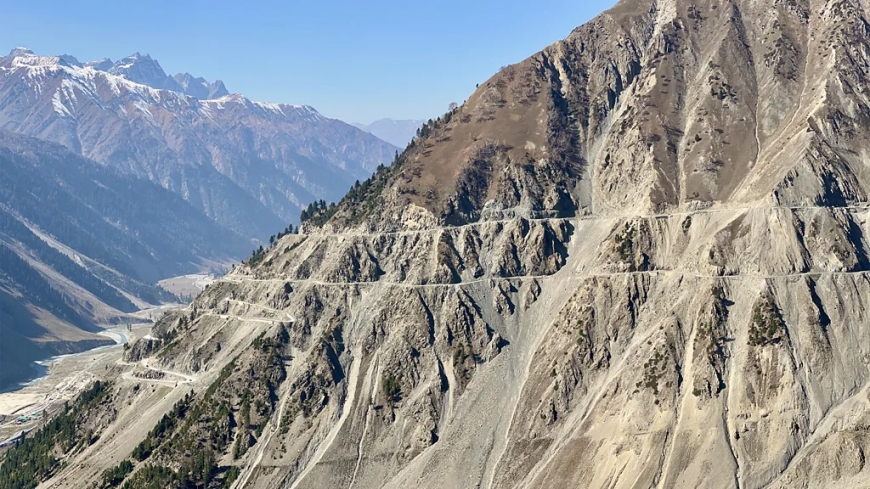
Kargil stood as a key waypoint along the Treaty Road, a significant branch of the Silk Route that connected China and Central Asia to the Indian subcontinent via Kashmir. This wasn't a minor footpath. It was a commercial superhighway of its era, moving goods, wealth, religions, and cultures across some of the harshest terrain on Earth.
Along this route flowed an extraordinary inventory of the ancient and early modern world: silk and tea from China, carpets and dried fruit from Central Asia, pashmina and saffron from Kashmir, indigo and textiles from British India, and manufactured goods from Europe that had travelled halfway around the globe to reach these mountain bazaars.
The route thrived well into the early 20th century. Then came the great ruptures of modern history Partition in 1947, the closing of frontiers, the sealing of the old caravan roads. Almost overnight, the trade that had sustained Kargil for centuries simply stopped. The caravanserais fell silent. The trading families turned to other work. And slowly, the memory of Kargil's Silk Route glory faded surviving only in family stories, old ledgers, and buildings nobody thought to look inside.
Until someone did.
-
The Discovery: A Locked Room Full of Lost Centuries
Every great archaeological story seems to begin with an accident, and Kargil's is no exception.
In the heart of the town's old bazaar stood an ageing, unremarkable building the Munshi Aziz Bhat Sarai, a caravanserai built in the early 20th century by a prominent local trader named Munshi Aziz Bhat. In its heyday, this sarai had been one of the busiest merchant inns on the route, where traders from Yarkand, Lhasa, Srinagar, and Amritsar stabled their animals, stored their goods, and exchanged news from across Asia.
By the late 1990s, it was just another derelict structure. In 1998, the Munshi family decided to demolish the long-abandoned sarai to make way for a modern shopping complex. But as the old walls came down, workers stumbled upon something extraordinary: sealed rooms and forgotten storage spaces packed with the untouched merchandise and belongings of Silk Route traders preserved in the dry mountain air for the better part of a century.
The inventory read like a catalogue of the trading world itself. Fine leather skins and embroidered garments. Jewellery and finely woven Central Asian carpets. British-made horse saddles. Italian-crafted buttons. Luxurious items traced to the royal workshops of the Nizam of Hyderabad. Silks, silver, copperware, and rugs the everyday stock-in-trade of a global commerce network, frozen in time at the exact moment history switched it off.
For the family, the discovery was overwhelming. These weren't just objects; they were proof physical, touchable proof that Kargil had once been connected to the whole world. News of the find spread quickly through the region, and a conversation began that would change the town's future: what if, instead of selling or scattering these relics, they were preserved for everyone to see?
-
Inside the Munshi Aziz Bhat Museum
That conversation gave birth to the Munshi Aziz Bhat Museum of Central Asian and Kargil Trade Artefacts today one of the most remarkable private museums in India, and the beating heart of Kargil's historical revival.
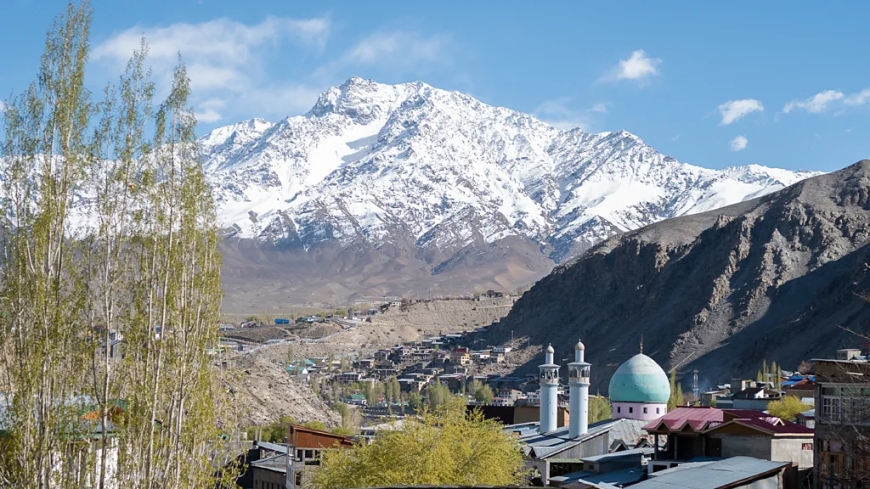
Perched above the Suru River, where the town rises in layers against the peaks of the Zanskar Range, the museum houses the treasures recovered from the old sarai. Visitors move through displays of traditional headgear from across Central Asia, trade documents and ledgers, textiles, saddlery, household goods, and merchant correspondence each item a thread in the vast fabric of trans-Himalayan trade.
What makes the museum so affecting is its intimacy. This is not a state institution assembled from distant acquisitions. It is one family's inheritance, discovered by chance and shared by choice. Standing among the artefacts, you're not looking at "history" in the abstract, you're looking at the actual stock of actual traders who slept, bargained, and dreamed in this very town.
Travellers and historians who visit often describe it as a window into a kind of proto-globalisation evidence that the residents of the high Himalayas were participating in international commerce and cultural exchange long before the word "globalisation" existed. In an age when we imagine connectivity as a modern invention, Kargil's museum quietly proves otherwise.
-
The Suru Valley: The Silk Route's Most Beautiful Secret
If the museum is the heart of Kargil's revival, the Suru Valley is its soul and quite possibly the most underrated landscape in the entire Indian Himalayas.
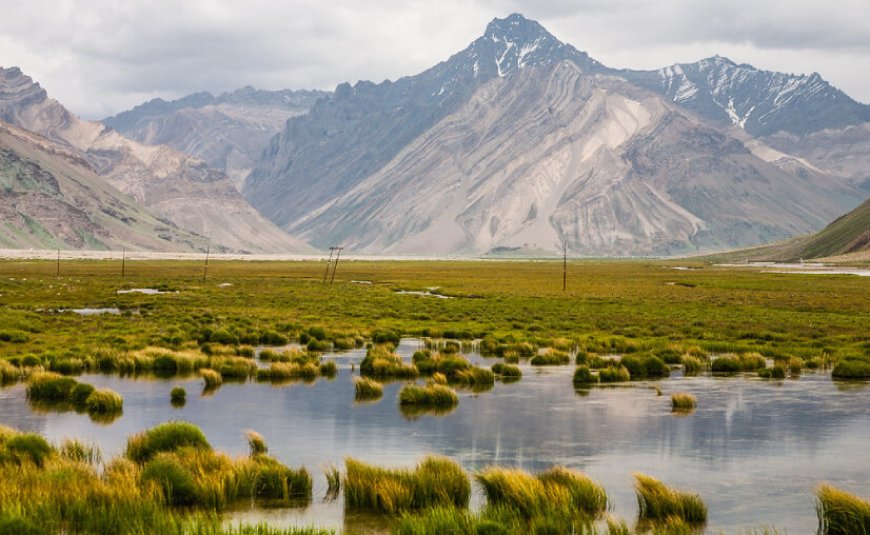
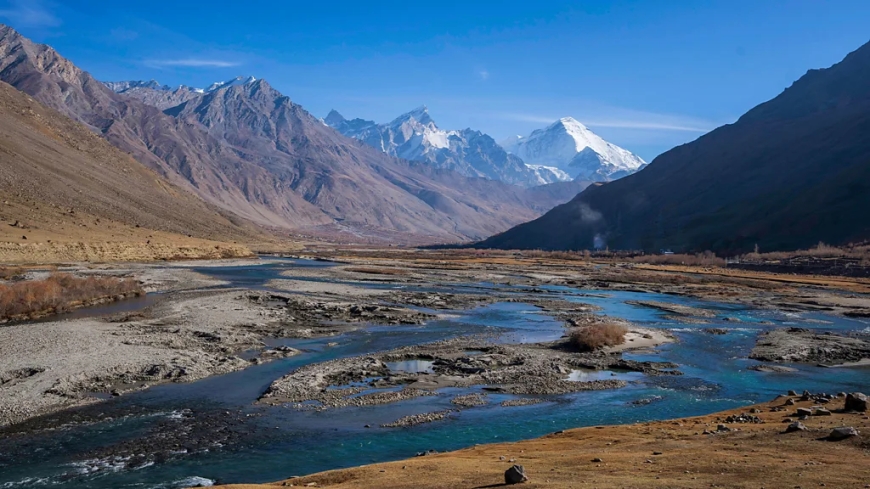
Stretching south of Kargil town along the course of the Suru River, this valley was historically part of the old Purig kingdom and lay within the wider web of routes feeding the Silk Road trade. Today, it offers what few destinations anywhere can: world-class Himalayan scenery with almost none of the crowds that now throng Leh, Nubra, or Pangong.
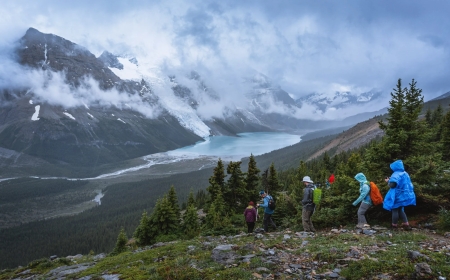
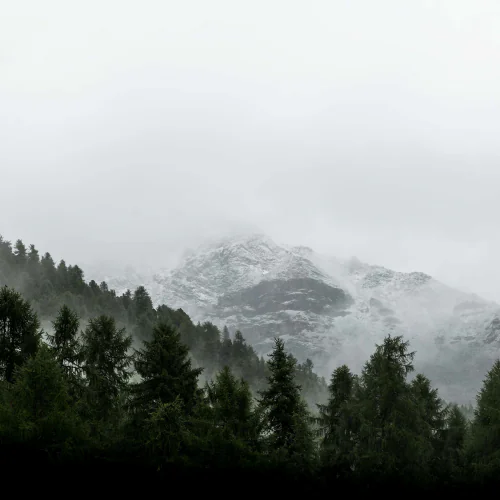
The valley's drama builds as you travel deeper. Emerald-green villages and barley fields line the riverbanks, a startling burst of fertility in Ladakh's high-altitude desert. Willow and poplar groves shade traditional stone-and-mud homes. And then, rising above it all, come the giants: Nun and Kun, twin peaks soaring above 7,000 metres, their glaciers gleaming over the valley floor.
Key experiences in the Suru Valley include:
- Sankoo — a green, garden-like township often called the oasis of the valley, ringed by orchards and streams.
- Panikhar and Parkachik — villages offering staggering front-row views of the Nun-Kun massif and the crawling ice of the Parkachik Glacier.
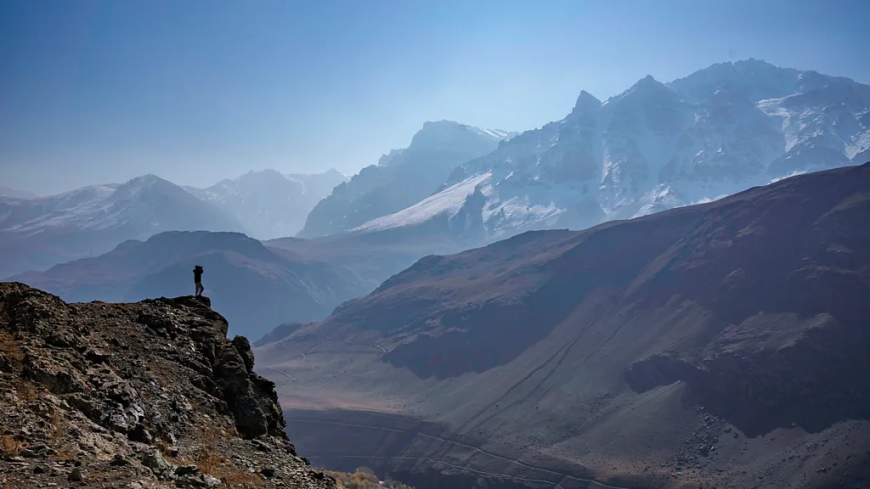
- The drive to Rangdum and onwards to Zanskar — one of the most spectacular road journeys in India, following ancient pathways towards the Buddhist monastery of Rangdum.
- Homestay culture — the valley's warm, predominantly Purgi and Balti communities are increasingly opening their homes to travellers, offering an authentic alternative to hotel tourism.
During the 1999 conflict, families from Kargil town fled into the Suru Valley for safety, a poignant modern echo of the valley's ancient role as a refuge and corridor through the mountains. Today, it is peace, not war, drawing people down this road.
-
What the Discovery Means for Kargil Today
The rediscovery of Kargil's Silk Route heritage is doing something profound: it is giving the town back its own narrative.
For a generation, Kargil's identity in the national imagination was shaped entirely by conflict. The museum, the artefacts, and the growing academic interest in the Treaty Road are steadily replacing that single story with a far older and prouder one Kargil as a city of merchants, travellers, and cultural exchange.
The practical effects are visible. Heritage tourism is slowly growing, with curated Silk Road expeditions now retracing the historic trade route from Srinagar to Leh via Zoji La and Kargil. Local youth are engaging with their history as researchers, guides, and storytellers. And Kargil is increasingly positioning itself not as a stopover between Srinagar and Leh, but as a destination in its own right with the Suru Valley as its crown jewel.
The revival is fragile, and it is young. But it is real and it began with a locked room and a family who chose preservation over profit.
-
How to Experience the Silk Route of India Yourself
Ready to trace the caravan trails? Here's how to build your own Silk Route journey through Ladakh:
- Start in Srinagar and travel the historic trade road east over the Zoji La pass the same high gateway the caravans used for centuries.
- Break the journey at Drass, one of the coldest inhabited places on Earth, before descending into Kargil.
- Spend at least two days in Kargil town. Visit the Munshi Aziz Bhat Museum, wander the old bazaar, and see the ancient rock-cut Buddha sculptures near the town.
- Dedicate two to three days to the Suru Valley. Base yourself in Sankoo or Panikhar, soak in the Nun-Kun views, and drive towards Rangdum if the road is open.
- Continue east to Leh via Mulbek — where a magnificent rock-carved Maitreya Buddha watches over the old trade road and Lamayuru, completing the classic trans-Himalayan route.
Kargil is well connected by road from both Srinagar (around 200 km) and Leh (around 220 km), with regular taxis and buses plying the highway in the open season.
-
Best Time to Visit Kargil and the Suru Valley
- May to September is the ideal window. The Zoji La pass is open, the Suru Valley is at its greenest, and daytime temperatures are pleasant for exploring.
- July and August bring the valley's famous emerald landscapes to their peak, with barley fields glowing against the glaciers.
- October offers golden autumn colours and thinning crowds, though nights turn sharply cold.
- Winter (November to April) sees heavy snow close the high passes; the region turns hauntingly beautiful but is best left to experienced cold-weather travellers.
-
Final Thoughts: A City Reclaiming Its Story
History has a habit of hiding in plain sight. For decades, the evidence of Kargil's golden age sat sealed inside a decaying building in the middle of its own bazaar, waiting for someone to open the door.
Now that door is open and through it, an entire forgotten world is stepping back into the light. The Silk Route of India was never truly lost; it was only waiting to be found. And in Kargil, between the trading relics of the Munshi Aziz Bhat Museum and the glacier-lit magnificence of the Suru Valley, travellers today can walk through both halves of that rediscovery: the history and the landscape, the artefact and the road.
The caravans may be gone. But the route and the remarkable town at its crossroads is very much alive again.
What's Your Reaction?
 Like
0
Like
0
 Dislike
0
Dislike
0
 Love
0
Love
0
 Funny
0
Funny
0
 Wow
0
Wow
0
 Sad
0
Sad
0
 Angry
0
Angry
0

A spirit that pursues sunsets and tales. Entrepreneur at heart, globe-trotter by soul. Founder of an art-worshiping jewelry brand that embodies emotion & individuality — where each piece is a tale of culture, craft, and character. From trails up mountains to gem markets, I'm inspired by all journeys — transforming wanderlust into enduring design. Establishing a brand built on authenticity, refinement & purpose — one work at a time.













Comments (0)