

Why Oslo Is Europe's Most Underrated City Break Destination
Discover why Oslo deserves a top spot on your travel list. From stunning fjords and world-class museums to a thriving food scene and outdoor adventures, Oslo is Europe's most underrated liveable city break destination in 2025.
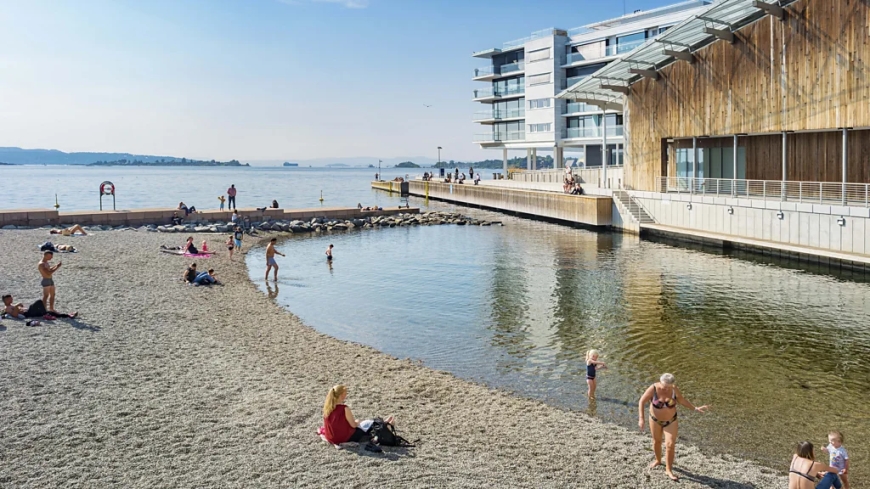
Table of Contents
- Introduction: The City Europe Keeps Overlooking
- A City Built Around Nature
- World-Class Culture Without the Crowds
- Oslo's Food Scene: Far Beyond Smørbrød
- A Genuinely Liveable Urban Design
- Safety, Cleanliness and Quality of Life
- Oslo's Neighbourhoods: Each One Worth Exploring
- The Outdoor Lifestyle That Sets Oslo Apart
- How to Visit Oslo Without Breaking the Bank
- When to Visit Oslo
- Final Thoughts: Why Oslo Deserves More Recognition
-
Introduction: The City Europe Keeps Overlooking
When travellers plan a European city break, the usual suspects dominate the shortlist, Paris for its romance, Barcelona for its beaches, Amsterdam for its canals. Oslo, the compact and remarkably beautiful capital of Norway, rarely makes it into that first conversation. And that's a genuine shame.
For years, Oslo has quietly been doing everything right. It has invested in infrastructure, sustainability, arts, and public spaces in ways that most European capitals are still trying to figure out. It sits at the meeting point of deep fjord waters and forested hills. It has a food scene that punches well above its weight, a public transport network that actually works, and a cultural calendar that would make cities three times its size envious.
The only thing Oslo lacks is the hype. But that, as any seasoned traveller knows, is often the best sign of all.
This is the city that tops global liveability indices year after year, yet remains stubbornly underrated as a short-break destination. Here's why that needs to change and why Oslo should be next on your list.
-
A City Built Around Nature
Oslo's most extraordinary feature isn't a museum or a monument. It's the fact that the entire city is framed by natural spectacle. The Oslofjord sweeps along the southern edge of the city, offering waterfront walks, kayaking routes, and ferry trips to nearby islands that feel worlds away from urban life. To the north and east, the Marka, a vast expanse of forests and lakes, begins almost where the suburbs end.
This isn't green space bolted onto a city as an afterthought. Nature is central to how Oslo functions and how its residents live. On any given weekend, you'll find locals heading into the forest on cross-country skis in winter or hiking through pine-scented trails in summer. The city's relationship with the outdoors is deeply embedded in Norwegian culture, and as a visitor, you're immediately invited into it.
The Oslofjord islands, Hovedøya, Gressholmen, Langøyene, are reachable by public ferry in under 30 minutes. Langøyene has a sandy beach where you can swim in the fjord through the summer months. Hovedøya has monastery ruins from the 12th century and panoramic views back across the water towards the city skyline. These aren't just attractions; they're genuine escapes, and Oslo is one of the very few capital cities in Europe where this kind of experience is this accessible.
-
World-Class Culture Without the Crowds
Oslo has museums that rank among the finest in Europe, yet most visitors will experience them without the shoulder-to-shoulder queues that plague major attractions elsewhere.
The National Museum, which reopened in its expanded new building in 2022, houses Edvard Munch's The Scream along with one of the most extensive collections of Norwegian and international art in the Nordic region. The Vigeland Sculpture Park in Frogner, home to over 200 sculptures by Gustav Vigeland, is an open-air gallery that operates 24 hours a day, entirely free of charge. The Viking Ship Museum (currently undergoing redevelopment into the larger Museum of the Viking Age) holds some of the best-preserved Viking vessels ever excavated from the earth.
Then there's the Fram Museum, dedicated to polar exploration, the Norwegian Maritime Museum, the Munch Museum on the waterfront of Bjørvika, and the Nobel Peace Center near City Hall. For a city of roughly 700,000 people, the cultural offering is genuinely exceptional.
What makes this even more appealing is the pace at which you can experience it. There are no frantic hour-long waits, no mass-tourism saturation. You can stand in front of a masterpiece and simply look at it. In an age where over-tourism is increasingly distorting the travel experience in so many European cities, that quietness feels like a luxury.
-
Oslo's Food Scene: Far Beyond Smørbrød
Oslo's culinary reputation has transformed dramatically over the past decade. The city now has a thriving restaurant culture that draws on both New Nordic principles and a genuinely diverse international food scene.
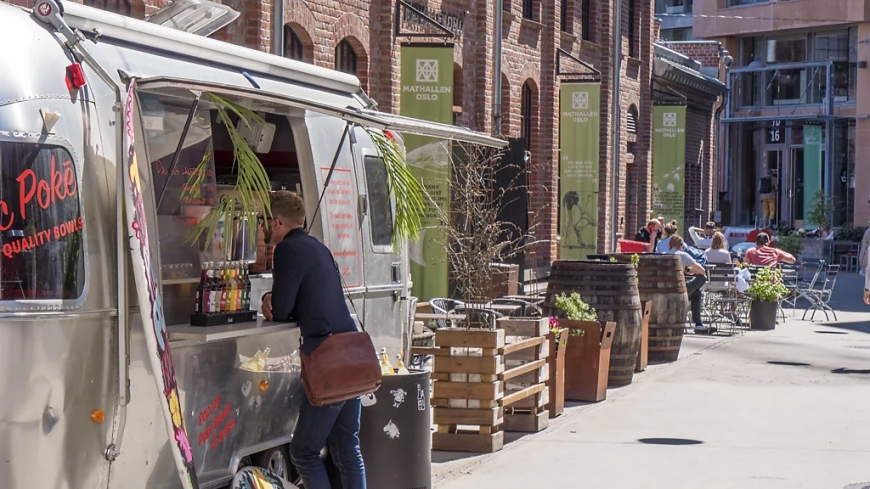
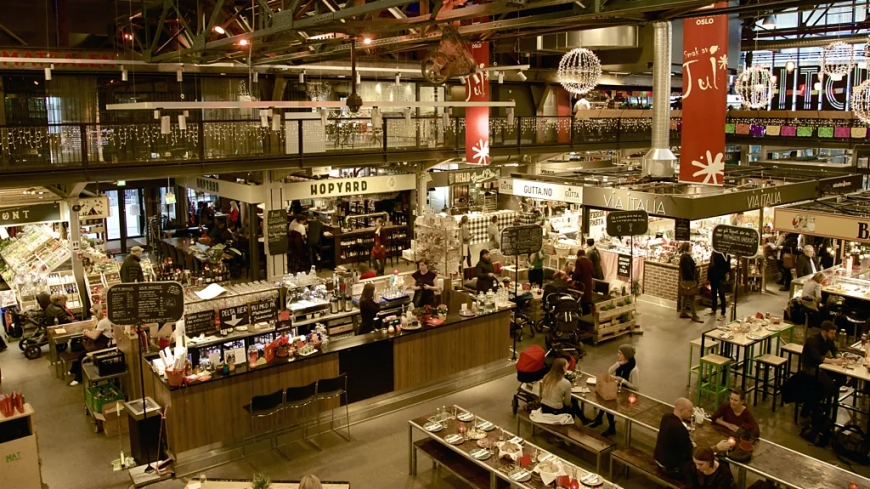
New Nordic cooking, built around local, seasonal, and foraged ingredients found one of its natural homes here. Several Oslo restaurants have held or currently hold Michelin stars, and the broader dining culture reflects a serious attention to ingredients and provenance. But the scene isn't defined only by fine dining. The Mathallen food hall in Vulkan brings together artisan producers, deli counters, bakeries, and casual restaurants under one industrial-chic roof. The Grünerløkka neighbourhood is packed with independent cafés, craft beer bars, and small restaurants serving everything from Vietnamese street food to natural wine.
Seafood deserves particular mention. Oslo's proximity to cold, clean northern waters means that shrimp, king crab, salmon, and cod are staples rather than extravagances. Eating a paper cone of freshly boiled fjord shrimp on the dock at Aker Brygge on a warm summer evening is one of those simple pleasures that stays with you long after you've gone home.
The coffee culture is equally impressive. Oslo has been a hub for speciality coffee for years, with roasters like Tim Wendelboe and Supreme Roastworks shaping what third-wave coffee looks like internationally. A flat white in Oslo is rarely disappointing.
-
A Genuinely Liveable Urban Design
Oslo is a city that has been deliberately, thoughtfully designed for the people who live in it and that design benefits visitors enormously too.
The city centre is compact and walkable. Many of Oslo's main attractions, the National Museum, City Hall, Aker Brygge, the Opera House, the Munch Museum, sit within easy walking distance of one another along the waterfront. The new Fjord City project has transformed former industrial docklands into a continuous public promenade, with green spaces, outdoor sculptures, swimming platforms, and open-air restaurants stretching along the water's edge.
Public transport is efficient and well-integrated. A single Oslo Pass gives you unlimited travel on metro, trams, buses, and ferries, along with free entry to most of the major museums. The city has also made genuine progress on its commitment to reducing car use in the city centre, which makes walking and cycling feel noticeably safer and more pleasant than in most European capitals.
There's also a quality of public space that's immediately noticeable. Parks are well-maintained, street furniture is considered, and there's very little of the visual clutter that degrades so many urban environments. Oslo looks and feels like a place that takes pride in itself.
-
Safety, Cleanliness and Quality of Life
Oslo is one of the safest capital cities in Europe, by any measurable standard. It consistently ranks at or near the top of global peace indices and quality-of-life surveys. Violent crime is low. Public spaces are clean. There's a general culture of civic trust and social cohesion that is tangible even to short-term visitors.
For solo travellers, families, and those who simply want to explore a city without the low-grade anxiety that can accompany visits to busier, more chaotic destinations, Oslo offers something genuinely different. You can walk through any neighbourhood at any time of day without particular concern. Public toilets exist and are maintained. The metro feels secure.
None of this is to suggest that Oslo is a sterile or risk-free utopia no city is. But there's a perceptible sense of calm here that makes the experience of being a visitor considerably more enjoyable.
-
Oslo's Neighbourhoods: Each One Worth Exploring
One of Oslo's understated pleasures is the character of its neighbourhoods. Each has its own distinct personality, and together they make the city feel far larger and more layered than its modest size suggests.
Grünerløkka is the city's creative hub, a neighbourhood of converted warehouses, vintage shops, street art, and a youthful café culture that lines the banks of the Akerselva river.
Frogner is elegant and residential, home to the Vigeland Park and some of Oslo's most beautiful early 20th-century architecture, along with upscale restaurants and boutiques.
Aker Brygge and Tjuvholmen represent the polished, contemporary waterfront Oslo, glass-and-steel architecture, galleries, seafood restaurants, and the Louise Bourgeois sculpture standing sentinel at the end of the dock.
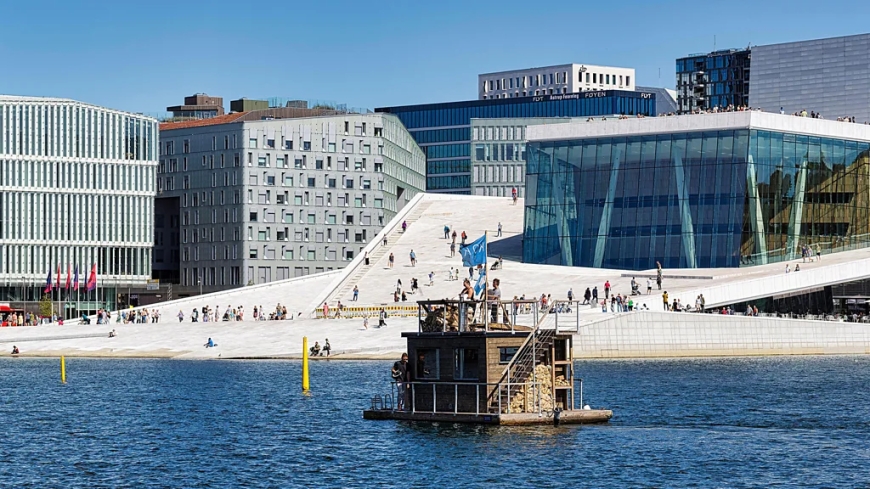
Bjørvika is the newest piece of the puzzle, the Oslo Opera House, the Munch Museum, the Deichman public library (opened in 2020 and worth visiting for the building alone), and the redeveloped waterfront all clustered together in what was, not long ago, a freight terminal.
Grønland offers a window into Oslo's multicultural present, Pakistani bakeries alongside Norwegian delis, kebab restaurants alongside craft beer bars. It's the city at its most eclectic and, for many, its most interesting.
-
The Outdoor Lifestyle That Sets Oslo Apart
Friluftsliv, the Norwegian concept of open-air living isn't just a word. In Oslo, it's a philosophy baked into how the city is built and how its people spend their time.
In winter, the Holmenkollen area in the forested hills above the city offers ski jumping, cross-country trails, and a museum dedicated to winter sport. The Holmenkollen ski jump itself is a striking piece of architecture, and the panoramic view from the top over the city and fjord is spectacular even if skiing isn't on the agenda.
In summer, the beaches along the fjord fill with swimmers, paddleboarders, and kayakers. The islands come alive. Forest trails above the city offer hiking that rivals anything in more traditionally outdoor-focused destinations. And the long Scandinavian summer evenings, the sky still pale and luminous at 10pm, give the whole city a magical, unhurried quality.
The outdoor lifestyle isn't something Oslo keeps separate from its urban identity. It's woven through it.
-
How to Visit Oslo Without Breaking the Bank
It's no secret that Norway is expensive. Oslo's reputation for high prices is real, and it would be misleading to pretend otherwise. However, there are genuine strategies that make a visit far more affordable than many people expect.
The Oslo Pass (available for 24, 48, or 72 hours) includes unlimited public transport, free entry to around 30 museums and attractions, and discounts at many restaurants and shops. For a culture-focused trip, it typically pays for itself within the first day.
Many of Oslo's greatest pleasures are free, the Vigeland Park, the Aker Brygge waterfront walk, the Opera House rooftop (which is open to the public and perfect for sunsets), and hiking in the Marka all cost nothing at all.
Eating affordably is easier than the city's reputation suggests if you shop at local supermarkets and bakeries for breakfast and lunch, saving restaurant spending for dinner. The city's covered food markets offer good value for locally sourced produce and ready-to-eat food.
Flying in on a budget airline and staying in one of the city's growing number of well-located hostels or mid-range hotels can bring the overall cost of a three or four-day break considerably closer to what you'd spend in Berlin or Copenhagen.
-
When to Visit Oslo
Oslo rewards visitors in all seasons, and the best time to go largely depends on what you want from the trip.
Summer (June–August) delivers long days, fjord swimming, island hopping, and a buzzing outdoor restaurant and bar scene. July is peak tourist season but the city never feels overwhelmed.
Winter (December–March) brings the possibility of snow-covered streets, Christmas markets, northern lights in the surrounding region, and skiing directly accessible from the city. There's a cosiness to Oslo in winter, the Norwegian concept of koselig (a kind of warm, convivial comfort) that is deeply appealing.
Spring and Autumn offer shoulder-season value with fewer visitors, pleasant temperatures for walking, and the particular beauty of the forest in blossom or in autumn colour.
-
Final Thoughts: Why Oslo Deserves More Recognition
Oslo is not an undiscovered secret, it has its admirers and its regular visitors. But compared to its peers among European capitals, it remains significantly under-appreciated as a city break destination. Travellers who make the trip almost universally return surprised by how much the city offers and how enjoyable the experience of being there is.
It has the culture of Vienna without the crowds. The outdoor access of Zurich without the sterility. The food scene of Copenhagen without quite the same level of international attention. And it sits beside one of the most dramatic natural landscapes on the European continent.
If your travel shortlist tends to fill up with the same familiar names, it might be time to make room for Oslo. It may not shout for your attention the way other cities do. But those who listen will find a destination that quietly, confidently delivers one of the finest city-break experiences in Europe.
What's Your Reaction?
 Like
0
Like
0
 Dislike
0
Dislike
0
 Love
0
Love
0
 Funny
0
Funny
0
 Wow
0
Wow
0
 Sad
0
Sad
0
 Angry
0
Angry
0

A spirit that pursues sunsets and tales. Entrepreneur at heart, globe-trotter by soul. Founder of an art-worshiping jewelry brand that embodies emotion & individuality — where each piece is a tale of culture, craft, and character. From trails up mountains to gem markets, I'm inspired by all journeys — transforming wanderlust into enduring design. Establishing a brand built on authenticity, refinement & purpose — one work at a time.














Comments (0)