

Past the Postcards: 9 European Spots for Travelers Who've Already Seen the Classics (2026 Edition)
Done with Paris, Rome, and Santorini? Discover 9 lesser-known European destinations for 2026 from Italy's cave city to Montenegro's quiet fjord with insider tips on when to go and what to skip.
Table of Contents
- Why "Past the Postcards" Travel Hits Different
- Matera, Italy — The City Carved From Stone
- Kotor, Montenegro — The Adriatic Without the Crowds
- Tbilisi, Georgia — Europe's Most Underrated Capital
- Ghent, Belgium — Bruges, but Lived In
- Plovdiv, Bulgaria — Older Than Rome, Quieter Than Athens
- The Faroe Islands — Raw Nordic Drama
- Ronda, Spain — The Town That Andalusia Forgot to Overshare
- Sibiu, Romania — Transylvania's Storybook Secret
- Lake Bohinj, Slovenia — The Quiet Sibling of Lake Bled
- How to Plan Your "Beyond the Classics" Trip
- Frequently Asked Questions
-
Why "Past the Postcards" Travel Hits Different
There's a particular feeling that hits somewhere around your fourth or fifth trip to Europe. You've shuffled past the Mona Lisa in a crowd ten people deep. You've queued for the Sagrada Família, watched the sun go down over Santorini's caldera shoulder-to-shoulder with two hundred strangers, and you've taken the obligatory leaning photo at Pisa. None of it was bad, exactly. It just started to feel like collecting other people's memories.
The good news for 2026: Europe is enormous, and the continent's best stories are rarely the ones plastered across fridge magnets. The places below aren't "undiscovered" nowhere with Wi-Fi truly is anymore but they reward the traveler who's already done the greatest hits and wants something with a little more friction, flavor, and breathing room.
This isn't a list of secret villages with one café and no train station. Every spot here is reachable, has somewhere decent to sleep, and gives you a reason to stay more than an afternoon. What they share is a sense of being themselves rather than performances of themselves. Let's go.
-
Matera, Italy — The City Carved From Stone
Best for: History lovers and anyone tired of Rome's elbows.
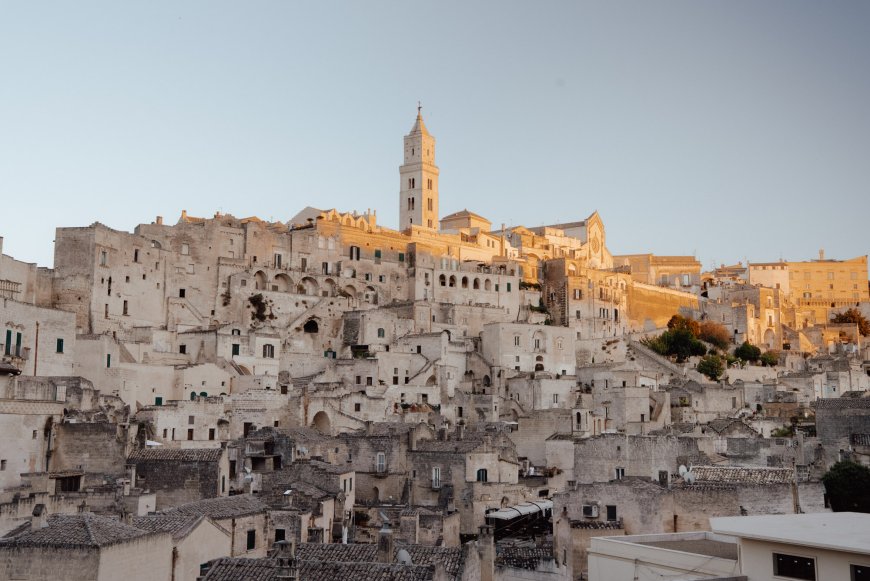
Carved into a ravine in the southern region of Basilicata, Matera is one of the oldest continuously inhabited settlements on Earth, people have lived in its cave dwellings, the Sassi, for something like nine thousand years. Walking through it at dusk, when the limestone glows amber and lamplight flickers from doorways set into rock, feels less like sightseeing and more like time-traveling.
For decades Matera was a national embarrassment; in the mid-20th century the cave homes were synonymous with poverty, and residents were relocated en masse. Then it became a UNESCO World Heritage Site, a film set (you've seen it in more than one biblical epic), and finally a quietly fashionable place to stay in a cave hotel with surprisingly good plumbing.
Don't miss: the rock churches with their faded frescoes, and a slow aperitivo on a terrace overlooking the gorge.
Insider tip: Visit in shoulder season from May to late September and stay overnight. Day-trippers leave by evening, and that's when the Sassi belongs to you.
-
Kotor, Montenegro — The Adriatic Without the Crowds
Best for: Travelers who loved Dubrovnik but hated the cruise-ship congestion.
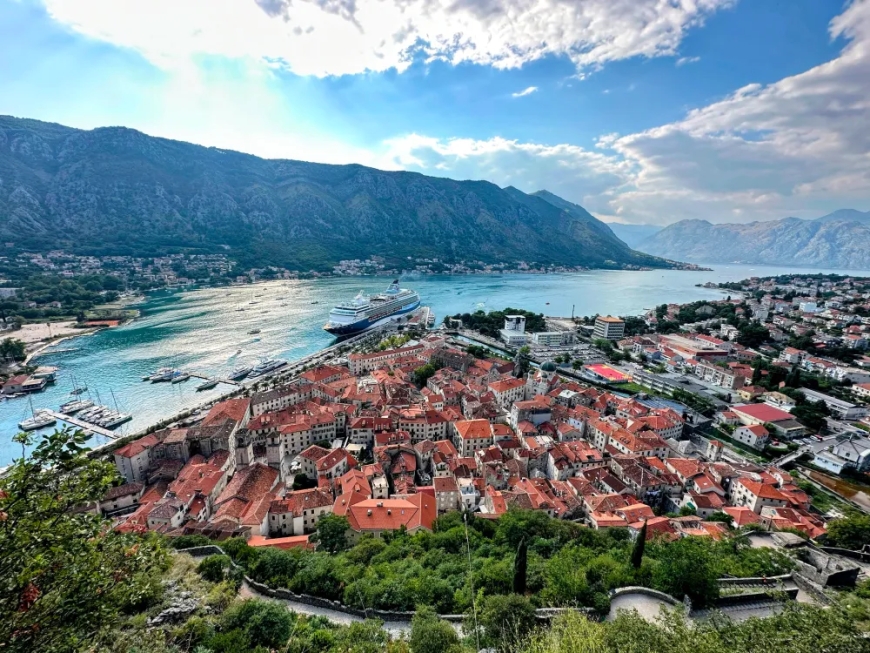
Tucked at the end of a steep-walled bay that everyone insists on calling a fjord (it isn't, technically, but you'll forgive the exaggeration once you see it), Kotor is the Adriatic coast doing its finest impression of Norway. The old town is a tangle of medieval lanes, hidden squares, and stray cats so beloved they have their own museum.
The real reward is the climb. A switchback trail of roughly 1,350 steps leads up the fortress walls to the Castle of San Giovanni, and the view from the top, red rooftops below, the bay coiling out toward the sea is the kind of thing that makes the leg burn worth every step.
Don't miss: the drive (or boat trip) out to Perast and the tiny island church of Our Lady of the Rocks.
Insider tip: Start the fortress hike before 9 a.m. The midday Mediterranean sun on exposed stone is brutal, and the early light is better for photos anyway.
-
Tbilisi, Georgia — Europe's Most Underrated Capital
Best for: Curious eaters and travelers who like their cities a little gloriously chaotic.
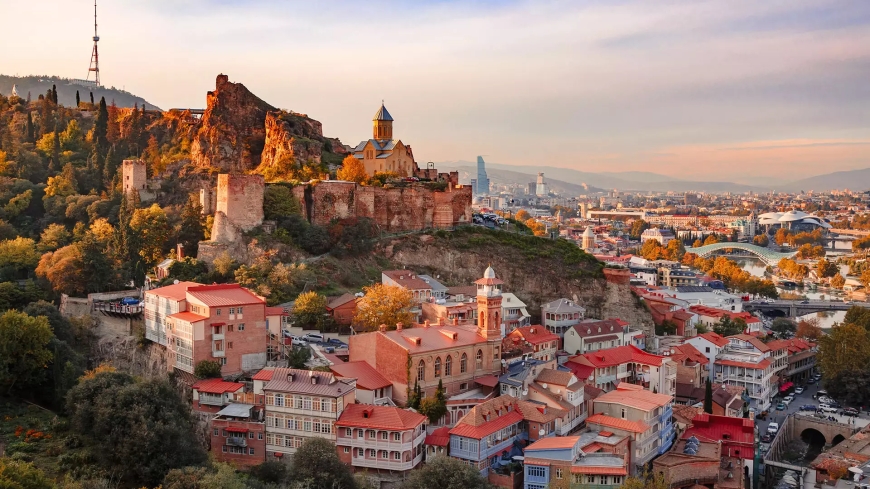
Sitting at the literal edge of Europe where the continent dissolves into the Caucasus, Tbilisi is having a moment, and deservedly so. The Georgian capital is a collision of crumbling Art Nouveau balconies, Soviet-era concrete, sleek new wine bars, and sulfur bathhouses with domed brick roofs that have been steaming away for centuries.
Then there's the food and wine, which alone justify the trip. Georgia claims to be the birthplace of wine, with an 8,000-year-old tradition of fermenting it in buried clay vessels called qvevri, and the natural-wine crowd has caught on hard. Pair a glass with khachapuri, a boat of bread filled with molten cheese and a runny egg and you'll understand the hype.
Don't miss: a soak in the Abanotubani bath district and a wander through the dry bridge flea market.
Insider tip: Georgia is remarkably affordable by European standards, and most nationalities get generous visa-free stays, check the current rules for your passport before booking.
-
Ghent, Belgium — Bruges, but Lived In
Best for: People who found Bruges beautiful but a bit like a theme park.
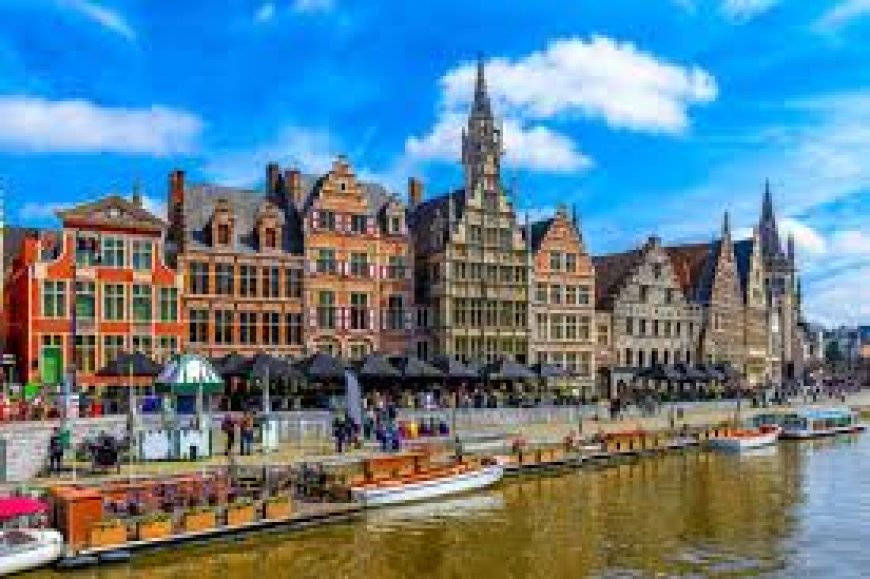
Everyone funnels into Bruges. Smart travelers stop one train earlier, in Ghent. It has the same fairy-tale canals, gabled guild houses, and medieval skyline but Ghent is a working university city, which means the cafés are full of students rather than tour groups, and the energy feels genuine rather than curated for the camera.
The historic core is gorgeous, anchored by the Gravensteen castle and the Saint Bavo's Cathedral, home to the Ghent Altarpiece, one of the most influential and most frequently stolen paintings in European history. By night, a thoughtful lighting plan turns the whole center into something cinematic, minus the crush.
Don't miss: the view from Saint Michael's Bridge at blue hour.
Insider tip: Ghent is a brilliant base for vegetarians, the city declared a weekly meat-free day years ago, so plant-based menus are genuinely good rather than an afterthought.
-
Plovdiv, Bulgaria — Older Than Rome, Quieter Than Athens
Best for: Slow travelers who like ruins without the velvet ropes and crowds.
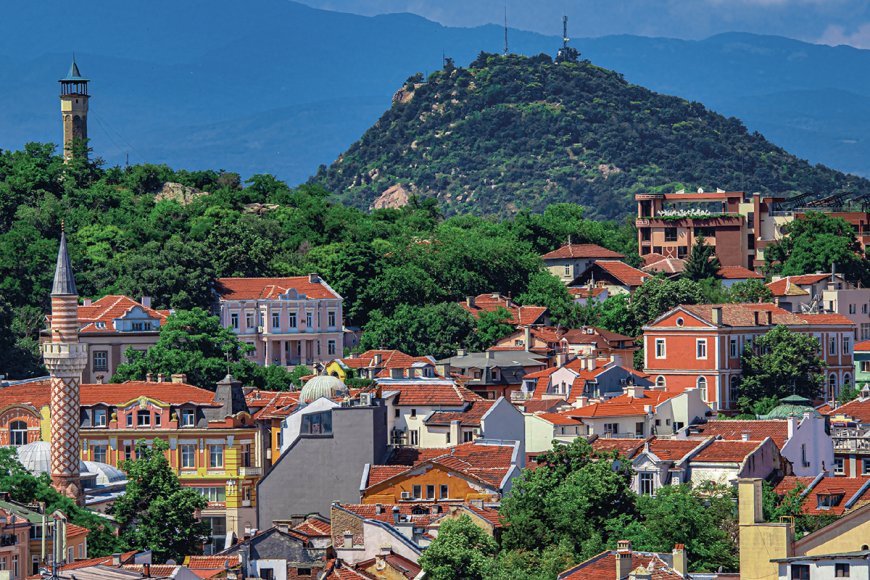
Plovdiv quietly outranks Rome and Athens in one respect: it's one of the oldest continuously inhabited cities in Europe, with roughly eight millennia of history layered beneath its streets. Yet you can wander its Roman amphitheater still used for concerts today, without fighting for a sightline.
The heart of the city is Kapana, a former craftsmen's quarter ("the trap," thanks to its maze of streets) reborn as a creative district of galleries, indie cafés, and street art. Up the hill, the Old Town is a postcard of National Revival mansions painted in confident colors, all overhanging upper floors and creaking wooden staircases.
Don't miss: sunset from one of Plovdiv's famous hills, beer in hand.
Insider tip: Bulgaria remains one of Europe's best-value destinations. Your money stretches dramatically further here than in Western Europe, so splurge a little.
-
The Faroe Islands — Raw Nordic Drama
Best for: Hikers, photographers, and anyone craving genuine emptiness.
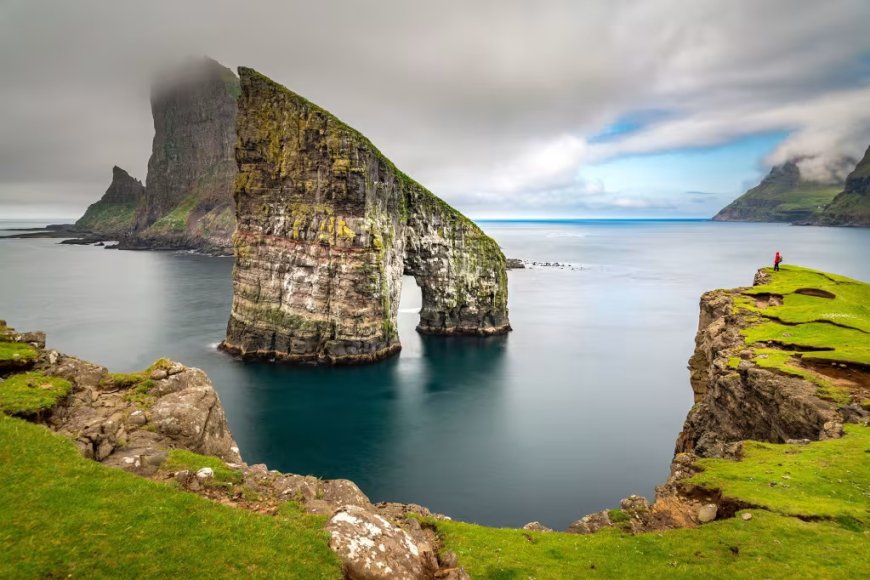
If your idea of a perfect trip involves more sheep than people, set a course for this cluster of eighteen rugged islands marooned in the North Atlantic between Iceland and Norway. The Faroes are all sheer green cliffs, turf-roofed villages, waterfalls that tumble straight into the sea, and weather that changes its mind four times an hour.
This is not a sunbathing destination. It's a place for putting on a waterproof shell, hiking out to a lighthouse, and feeling thrillingly small. The landscapes are so dramatic they border on the cinematic think the Lake of Sørvágsvatn, which appears to hover above the ocean thanks to a clever trick of perspective.
Don't miss: the grass-roofed village of Saksun and a boat trip to sea bird cliffs.
Insider tip: Rent a car. Public transport exists but is sparse, and the freedom to chase a sudden break in the clouds is everything here.
-
Ronda, Spain — The Town That Andalusia Forgot to Overshare
Best for: Andalusia fans who've already ticked off Seville and Granada.
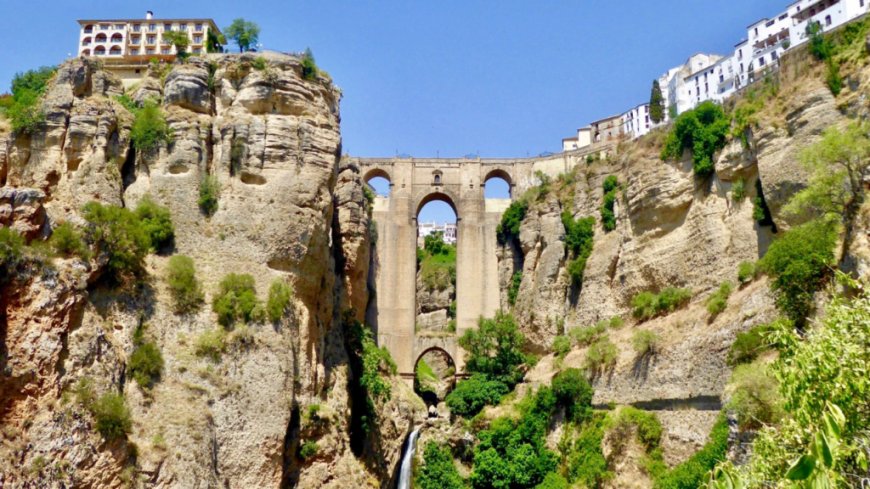
Split dramatically in two by a 100-meter-deep gorge, Ronda is the kind of place that looks Photoshopped until you're standing on the Puente Nuevo bridge that spans it, feeling the wind whip up from below. Perched in the mountains of the Málaga province, this whitewashed town has inspired writers from Hemingway to Rilke, and it's easy to see why.
Beyond the iconic bridge, Ronda is also home to one of the oldest bullrings in Spain, a controversial heritage, but architecturally striking and a clutch of viewpoints, gardens, and tapas bars that see a fraction of the foot traffic of the big Andalusian cities. It makes a perfect day trip from the coast or, better, an overnight escape.
Don't miss: the walk down into the gorge for the view up at the bridge.
Insider tip: Pair Ronda with the white villages (pueblos blancos) nearby for a proper road trip through inland Andalusia.
-
Sibiu, Romania — Transylvania's Storybook Secret
Best for: Travelers chasing Transylvanian atmosphere minus the Dracula kitsch.
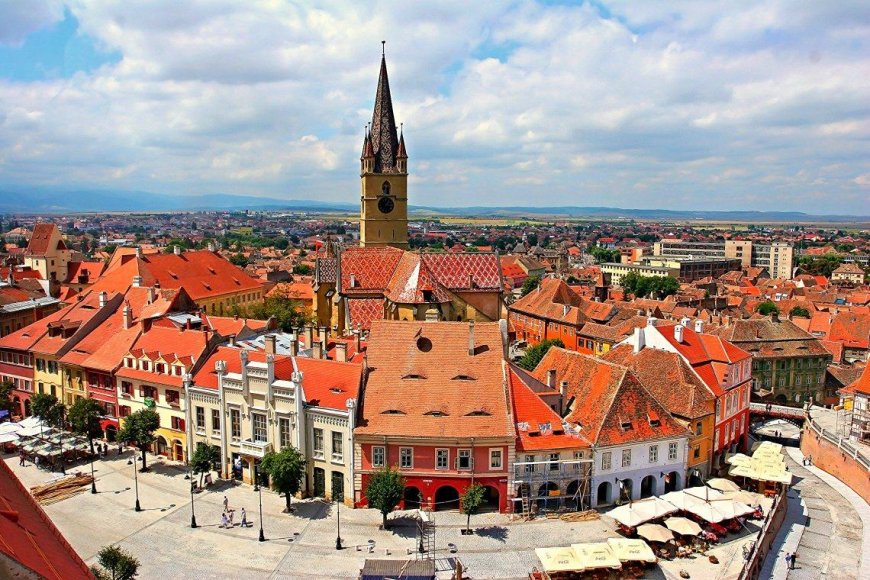
Romania is wildly underrated, and Sibiu is its most charming ambassador. A former Saxon stronghold in the heart of Transylvania, it's a confection of cobbled squares, pastel facades, and steep terracotta roofs punctured by dormer windows that look unnervingly like half-closed eyes, locals call them "the eyes of Sibiu," and they give the whole town a faintly watchful character.
The city is genuinely walkable, split between an upper and lower town connected by passageways and the photogenic Liars' Bridge. Use it as a launchpad: the fortified Saxon churches of the surrounding countryside and the dramatic Transfăgărășan mountain road are within reach, and the wider region offers some of the last truly wild forest in Europe.
Don't miss: climbing the Council Tower for a rooftop panorama.
Insider tip: Time a visit for the late-summer festival season, when the central squares fill with film screenings, theater, and food stalls.
-
Lake Bohinj, Slovenia — The Quiet Sibling of Lake Bled
Best for: Nature lovers who think Lake Bled has gotten too popular for its own good.
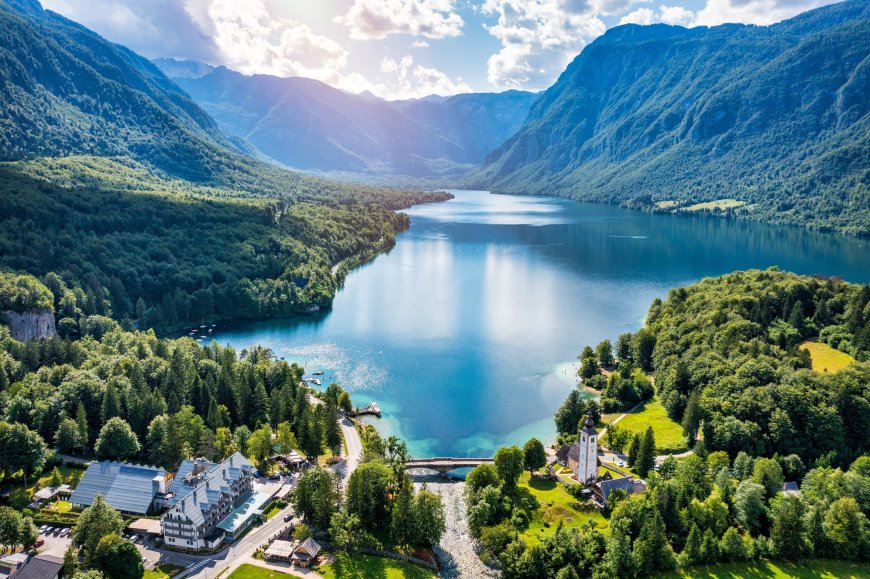
Everyone photographs Lake Bled with its tiny island church and it is lovely but a 30-minute drive deeper into Triglav National Park lies its larger, wilder, far quieter sibling: Lake Bohinj. There's no fairy-tale island here, just clear glacial water ringed by mountains, a handful of low-key guesthouses, and the kind of silence Bled lost years ago.
Bohinj is built for slow days: swim in the cold, clean water, paddle a kayak across mirror-still mornings, or take the cable car up Mount Vogel for an alpine view that feels stolen from Switzerland at half the price. The Savica Waterfall, a short hike away, rewards the modest climb.
Don't miss: sunrise over the lake before the day-trippers arrive.
Insider tip: Base yourself in Bohinj and day-trip to Bled, not the other way around. You'll see the famous lake and sleep somewhere with stars.
-
How to Plan Your "Beyond the Classics" Trip
A few principles make this style of travel work. First, slow down. These places reward lingering, not box-ticking pick three or four spots, not nine, and give each room to surprise you. Second, embrace shoulder season. May, June, September, and early October typically mean kinder weather, lower prices, and a fraction of the summer crowds across most of the continent.
Third, mix the marquee with the modest. There's no shame in flying into a major hubs like Rome, Barcelona, Vienna and then escaping to its quieter cousin. The classics are classics for a reason; the trick is simply not stopping there. And fourth, always verify the practical details before you book: visa requirements, the current state of any entry rules, and seasonal transport schedules can all shift year to year, so confirm them close to your travel dates.
-
Frequently Asked Questions
What is the most underrated travel destination in Europe for 2026?
It depends on your taste, but Tbilisi, Georgia, and the Faroe Islands consistently surprise travelers who think they've seen everything Europe offers. One delivers culture, food, and wine; the other delivers raw, empty landscape.
Where should I go in Europe if I've already visited Paris, Rome, and Barcelona?
Try the alternatives to those classics: Ghent instead of more Western European capitals, Ronda for an Andalusia you haven't seen, and Matera for an Italy that feels nothing like Rome. You get the same continent with a completely different texture.
Which of these destinations is best for budget travelers?
Plovdiv (Bulgaria), Tbilisi (Georgia), and Sibiu (Romania) offer outstanding value, with food, lodging, and transport costing far less than in Western Europe.
When is the best time to visit these lesser-known European spots?
Shoulder season roughly May to June and September to early October is ideal for most of them: pleasant weather, thinner crowds, and lower prices. The Faroe Islands are the exception; summer offers the longest daylight and the most reliable hiking conditions.
Are these destinations easy to reach?
Yes. Each has air, rail, or road connections via a nearby major hub, though a few like the Faroe Islands and Lake Bohinj, are best explored with a rental car once you arrive.
What's Your Reaction?
 Like
0
Like
0
 Dislike
0
Dislike
0
 Love
0
Love
0
 Funny
0
Funny
0
 Wow
0
Wow
0
 Sad
0
Sad
0
 Angry
0
Angry
0

A spirit that pursues sunsets and tales. Entrepreneur at heart, globe-trotter by soul. Founder of an art-worshiping jewelry brand that embodies emotion & individuality — where each piece is a tale of culture, craft, and character. From trails up mountains to gem markets, I'm inspired by all journeys — transforming wanderlust into enduring design. Establishing a brand built on authenticity, refinement & purpose — one work at a time.













Comments (0)