












































4,850 Metres of Pure Madness: A Solo Bike Ride to Baralacha La Pass
Experience 4,850 metres of pure adrenaline on a solo bike ride to Baralacha La Pass, conquering brutal roads, thin air, and Himalayan madness.
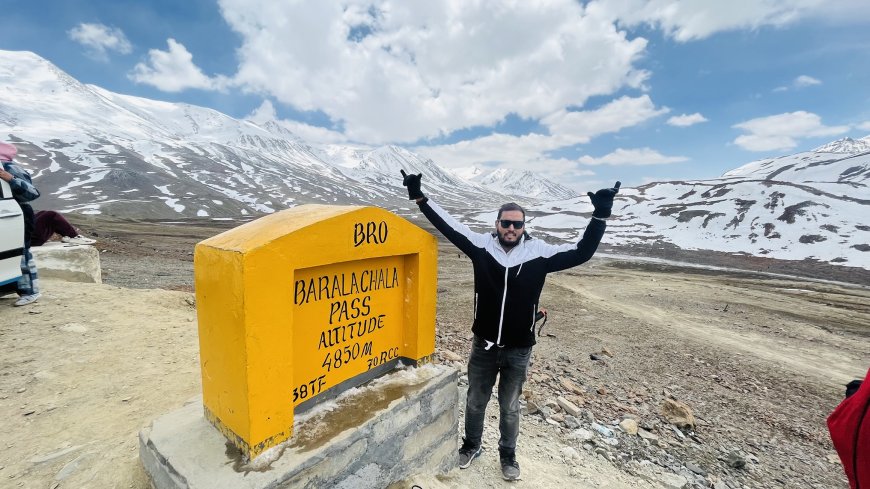
Table of Contents
- Why Baralacha La? The Dream Before the Ride
- Day 1 - Delhi to Kasol: The Journey Begins
- Day 2 & 3 - Kasol to Manali: Into the Mountains
- Day 4 - Manali to Sissu: Through the Atal Tunnel
- Day 5 - Sissu to Udaipur (Mini Switzerland): The Cultural Detour
- Days 6 & 7 - Keylong to Jispa: The Last Outpost
- Day 8 - Jispa to Baralacha La: The Summit Day
- Essential Tips for Riding to Baralacha La
- Final Thoughts: The Road Gives Back What You Put In
-
Why Baralacha La? The Dream Before the Ride
There are some places that exist first in your imagination long before your tyres ever touch their roads. Baralacha La, a 4,850-metre high mountain pass in the Zanskar Range connecting Lahaul in Himachal Pradesh to the Leh district of Ladakh was one such place for me. The name alone felt like a dare. The numbers felt impossible. And that, precisely, was the reason I had to go.
Solo travel on a bike is a particular kind of madness. There's no one to share the weight of the decision to push on in bad weather, no co-pilot to read the map when you're too cold to think straight, and no witness when you stand at the top of the world and feel utterly, completely small. This is the story of that ride from Delhi's relentless heat to the bone-dry, lung-testing silence of one of the highest motorable roads on earth.
-
Day 1 - Delhi to Kasol: The Journey Begins
Every great Himalayan road trip starts the same way: crawling out of Delhi at an ungodly hour, navigating a tangle of highways, flyovers, and chaos that slowly, mercifully, thins into open road as the city shrinks in your mirrors. I had packed light, loaded the bike the night before, and pulled out just before dawn. The Manali highway was already alive with trucks and overnight buses, but there's an energy in those early morning hours on an empty stomach and a full tank that no city can replicate.
Daksh Home Stay, Choj Valley - Kasol
My first stop was Kasol, nestled in the Parvati Valley, and I found exactly what a road-weary biker needs: the Daksh Home Stay in the serene Choj Valley. With quiet mountain views and a genuinely warm family welcome, it was the kind of place that makes you want to slow down.
The Choj Valley homestay was a revelation. Sitting on the balcony with a cup of tea, watching the valley go golden in the late afternoon light, I reminded myself that this journey wasn't just about the destination. The Parvati River murmured below, pine trees swayed on the slopes above, and for a few hours, Baralacha La felt very far away, in the best possible sense.
The next morning I explored the Kasol local market, a wonderfully eclectic little bazaar where Israeli falafel joints sit beside chai stalls and colourful shops selling woollen shawls and prayer flags. It has a bohemian character unlike anywhere else in Himachal - backpackers, pilgrims, and mountain folk all sharing the same narrow lanes.
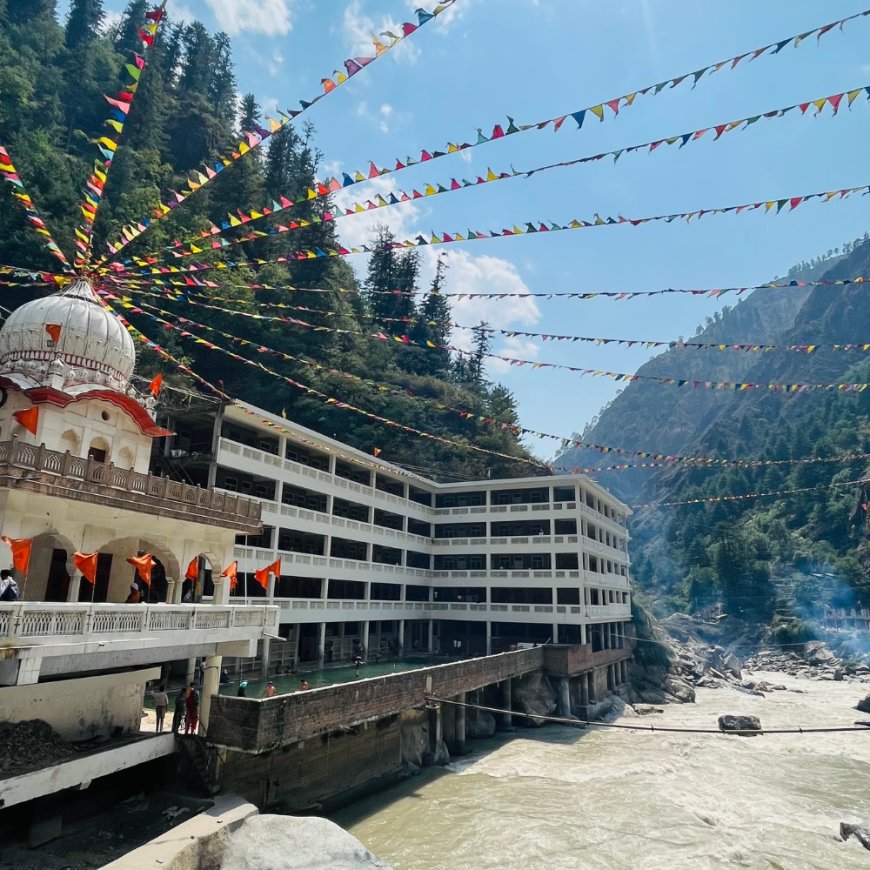
From Kasol, I rode to the sacred Manikaran Sahib Gurudwara, a site of profound spiritual significance for both Sikhs and Hindus. The gurudwara sits beside hot springs that are said to be among the hottest in the world, the langar (community kitchen) here cooks rice in the natural geothermal water. Visiting Manikaran always humbles you; there's a stillness inside that cuts right through the noise you've been carrying on the road.
I pushed further up to Tosh and Barshani, two of the valley's most breathtaking hamlets, accessible via a narrow mountain track that deserves respect rather than speed. Tosh especially, perched high above the valley with views that go on forever, is a reminder of why people leave comfortable lives to wander in the mountains. I returned to the Daksh homestay as the stars came out, already thinking about what lay ahead.
"The Parvati Valley doesn't let you go in a hurry. Every bend in the river, every hamlet on the hillside, whispers: stay a little longer."
-
Day 2 & 3 - Kasol to Manali: Into the Mountains
Leaving the Parvati Valley is always a small heartbreak. The road from Kasol climbs back to the Beas Valley before following the river north all the way to Manali. The scenery transforms dramatically as you gain altitude, orchards give way to deodar forests, and then to the stark, magnificent landscape of upper Kullu.
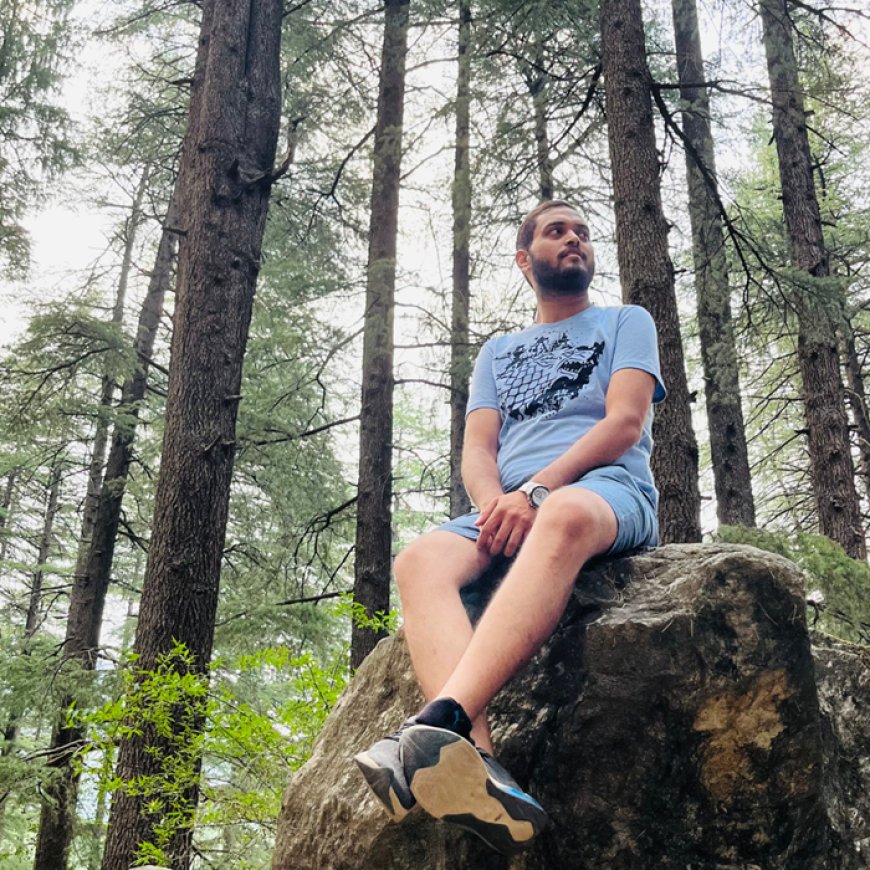
I checked into a cosy hostel in Manali, dropped my gear, and immediately set off on foot for one of my favourite walks in all of Himachal: the jungle trail from Old Manali through the forest and down to the Mall Road. The path winds through thick deodar groves where the air is cool and clean even on the warmest summer day. It connects the hippie-tinged, apple-blossom world of Old Manali with the busy tourist life of the Mall Road in a way that feels like travelling between two different eras.
I ended the walk at the German Bakery on Mall Road, ordered a proper coffee and an apple strudel, and sat watching the evening crowd. Manali in pre-season has a wonderful energy, the mountains are still wild, the tourists haven't yet descended en masse, and the locals go about their business with quiet confidence. I planned the next legs of my route over that coffee, tracing the road north on my phone with a mixture of excitement and a healthy respect for what was coming.
-
Day 4 - Manali to Sissu: Through the Atal Tunnel
The Atal Tunnel is an engineering marvel and a kind of magic trick: you enter it in the green, pine-covered Kullu Valley and emerge, 9.2 kilometres later, in the high-altitude cold desert of Lahaul. The transformation is so complete, so sudden, that it feels theatrical. On the Manali side, summer. On the Sissu side, a completely different world.
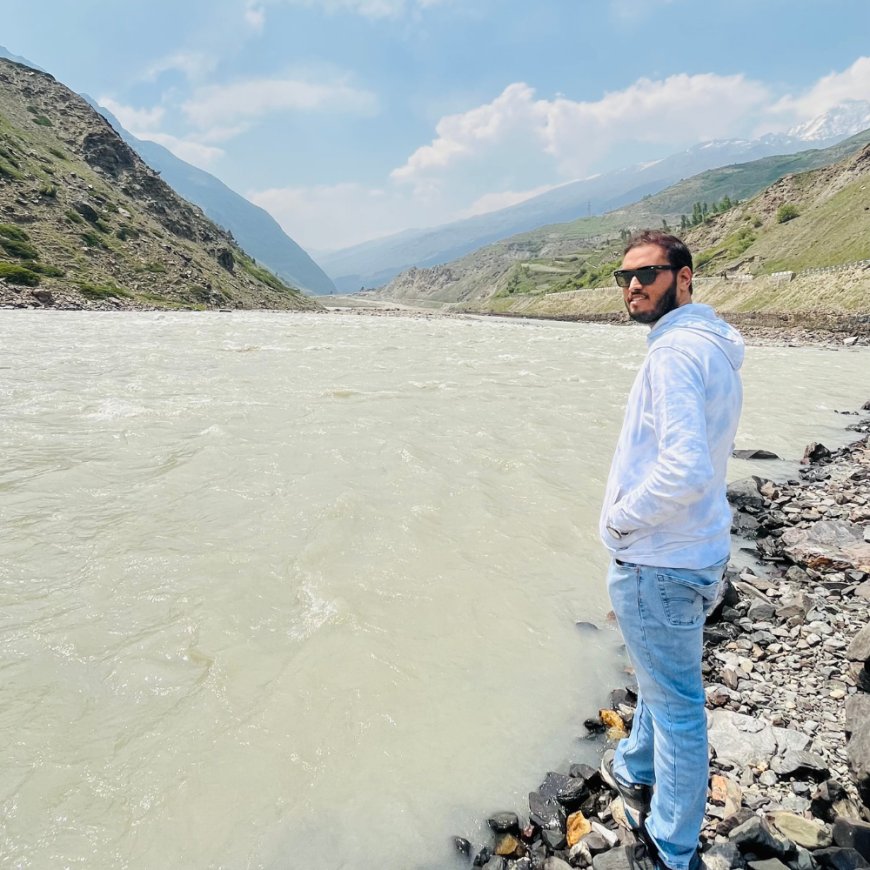
Sissu is the first significant settlement beyond the tunnel, a quiet village ringed by snow-capped peaks that reflects perfectly in the still water of Sissu Lake. I checked into the Zostel there, one of the better-positioned hostels on this route, and spent the afternoon exploring two of Lahaul's understated gems.
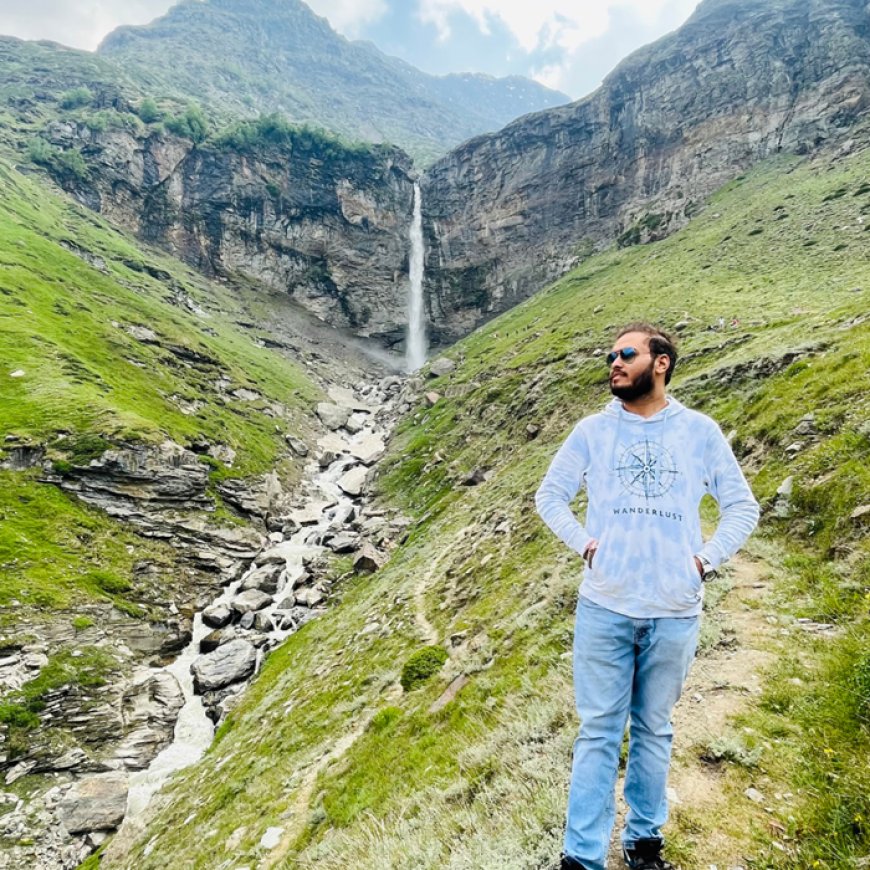
The Sissu Waterfall, fed by snowmelt, crashes down from the cliff face above the village in a torrent that throws cold spray for metres around. Standing beneath it after hours on the bike was instantly reviving. Then Sissu Lake itself glassy, mirror-still, and surrounded by mountains provided one of those pure, uncomplicated moments of peace that you can't manufacture and can never quite describe properly to someone who wasn't there. A nearby monastery rounded out the afternoon, its prayer flags snapping in the wind, its butter lamps flickering inside a darkness that smelled of incense and old wood.
-
Day 5 - Sissu to Udaipur (Mini Switzerland): The Cultural Detour
This was the day I deviated from the main Manali–Leh highway to explore one of Himachal's most rewarding and least-visited corridors. Riding east from Sissu on the road towards Keylong, I turned off toward the Chandrabhaga valley and followed the river upstream through an increasingly dramatic landscape.
Keylong → Darcha → Triloknath Mandir → Udaipur (Mini Switzerland)
This route passes through remote Lahaul, climbing via Darsha before reaching the sacred Triloknath temple, one of the few in India venerated equally by Hindus and Tibetan Buddhists.
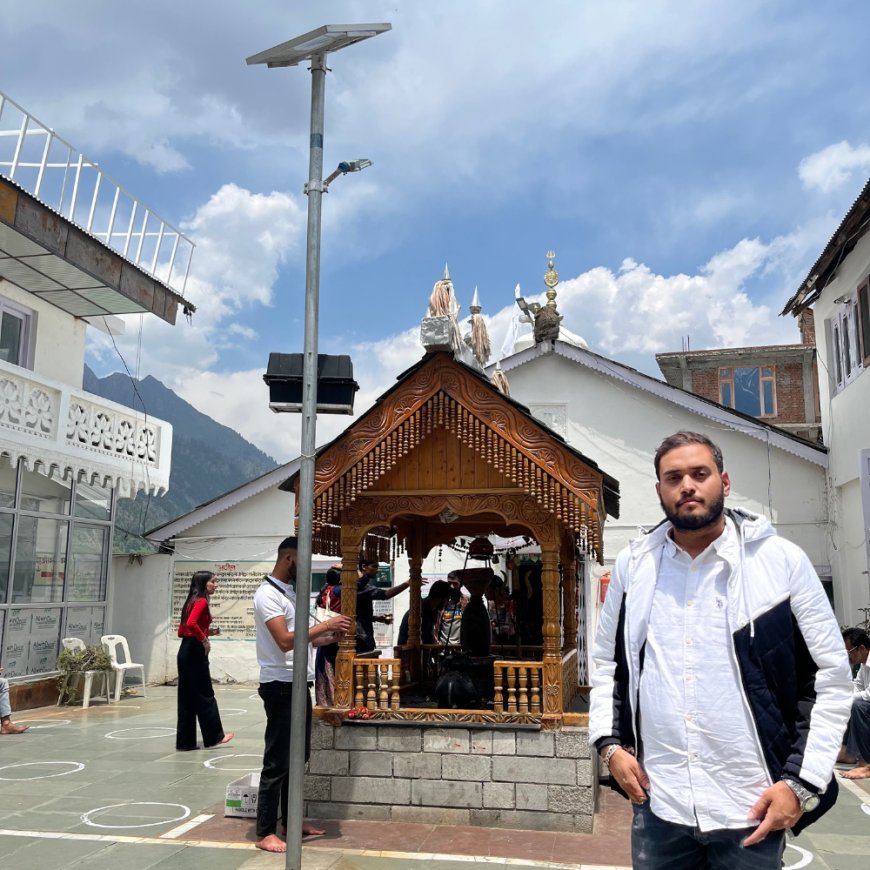
Triloknath Mandir sits in an almost impossibly picturesque setting. The white-marble idol of Avalokesvara, worshipped as Shiva by Hindus and as a bodhisattva by Tibetan Buddhists receives pilgrims from both traditions, a remarkable symbol of syncretic faith in this remote valley. The road to reach it is rough and rewarding, exactly the kind of riding that makes you grateful for every kilometre.
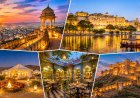
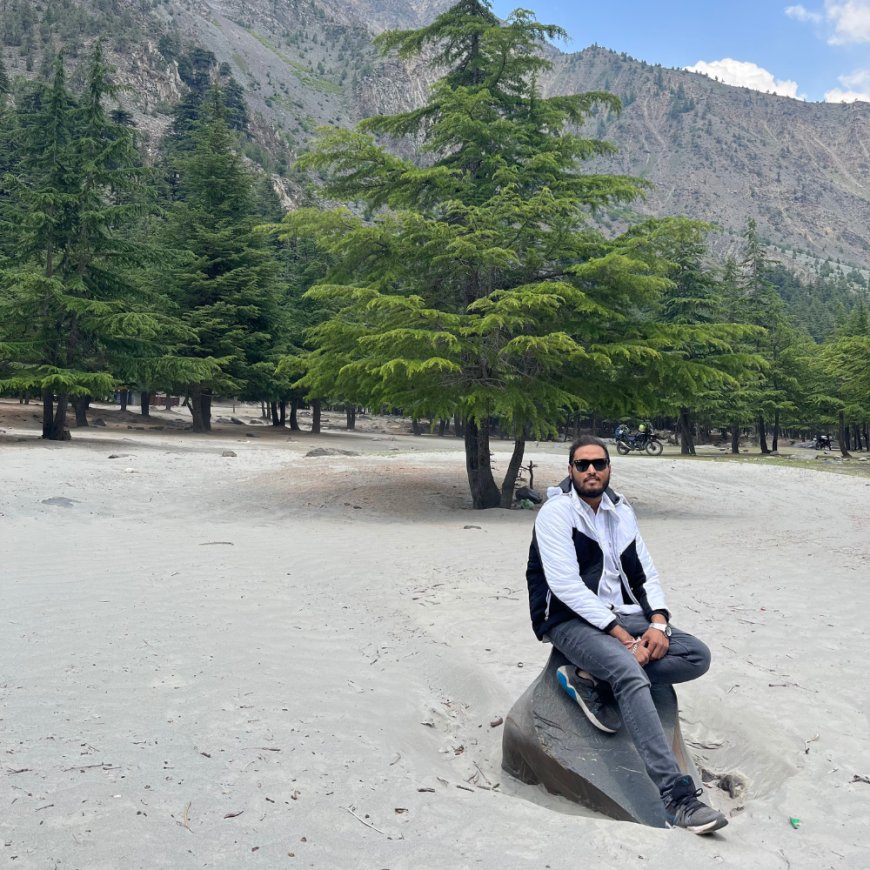
The final destination of this detour was Udaipur in Himachal Pradesh, not to be confused with its famous Rajasthani namesake, though locals have given it an equally grand title: the Mini Switzerland of India. Set in a lush green valley where meadows roll down to the river and snow peaks crowd the skyline in every direction, it genuinely earns the comparison. I lingered longer than planned before riding back to Keylong for the night, already thinking about the altitude that awaited me.
-
Days 6 & 7 - Keylong to Jispa: The Last Outpost
From Keylong, the road gets progressively more serious. Keylong is the district headquarters of Lahaul, a functional, workmanlike town that serves as the last place to properly stock up on supplies before heading deeper into the high Himalayan wilderness. I restocked fuel, food, and warm clothing before leaving the next morning.
Jispa, roughly 25 kilometres north, is a small settlement on the banks of the Bhaga River that has become the standard overnight halt before the push to Bara-lacha La. There's nothing flashy about it, a handful of basic camps and guesthouses, a few dhabas serving dal and rice but it sits at around 3,200 metres and spending a night here is sound acclimatisation strategy before tackling 4,850 metres the following day.
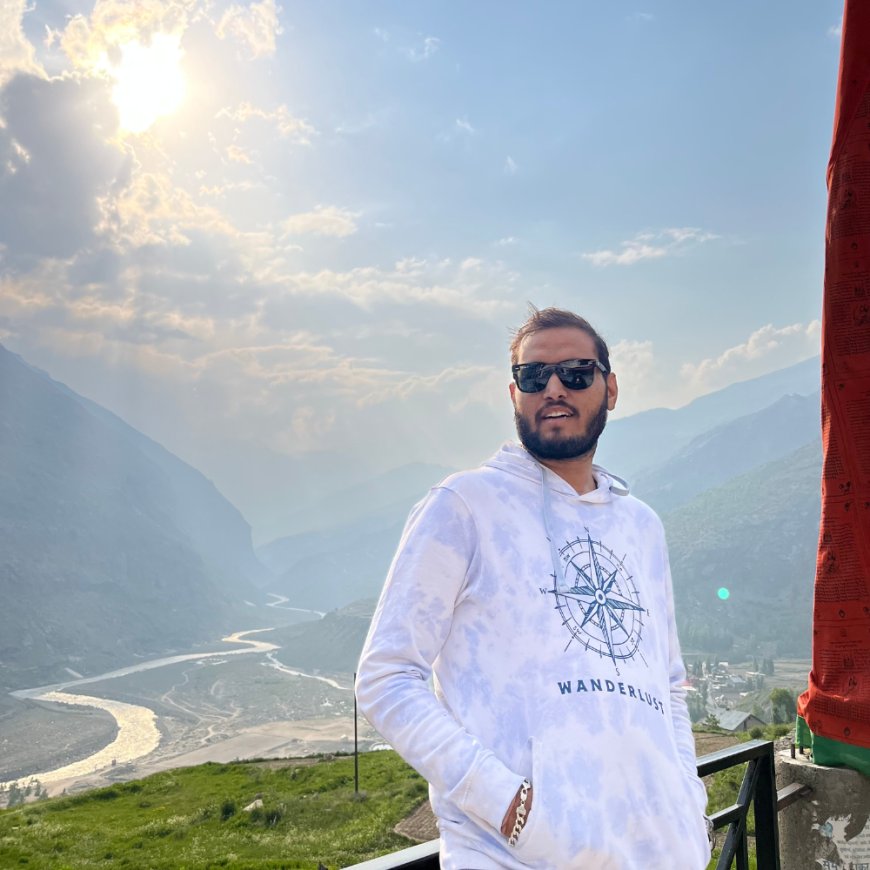
The night in Jispa was clear and brutally cold. The Milky Way was absurd the kind of sky that urban life completely robs you of. I lay in my sleeping bag, listening to the Bhaga roar outside, telling myself tomorrow would be fine. Telling myself I was ready.
-
Day 8 - Jispa to Baralacha La: The Summit Day
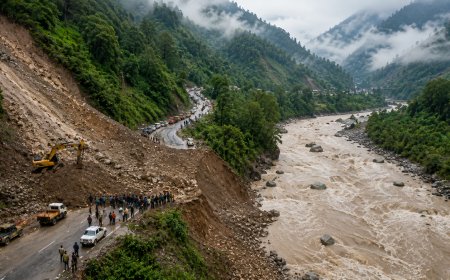
I was on the bike by 6 AM. At Jispa in late spring the mornings are sub-zero, and even with every layer I owned plus my riding gear I was cold before I'd gone a kilometre. The Bhaga Valley narrowed as I climbed, the road alternating between patches of tarmac and raw mountain gravel, with glaciers pressing close from both sides.
Deepak Taal & Suraj Tal: Jewels at the Roof of the World
The first milestone was Deepak Taal, a glacial lake sitting at around 4,300 metres and glowing an extraordinary shade of turquoise, the colour of glacier melt in strong sunlight, a blue so vivid it looks painted. I stopped the engine and simply stood there for several minutes, listening to nothing but wind and distant meltwater. No other vehicles. No other people. Just the lake and the mountains and the ridiculous vastness of it all.
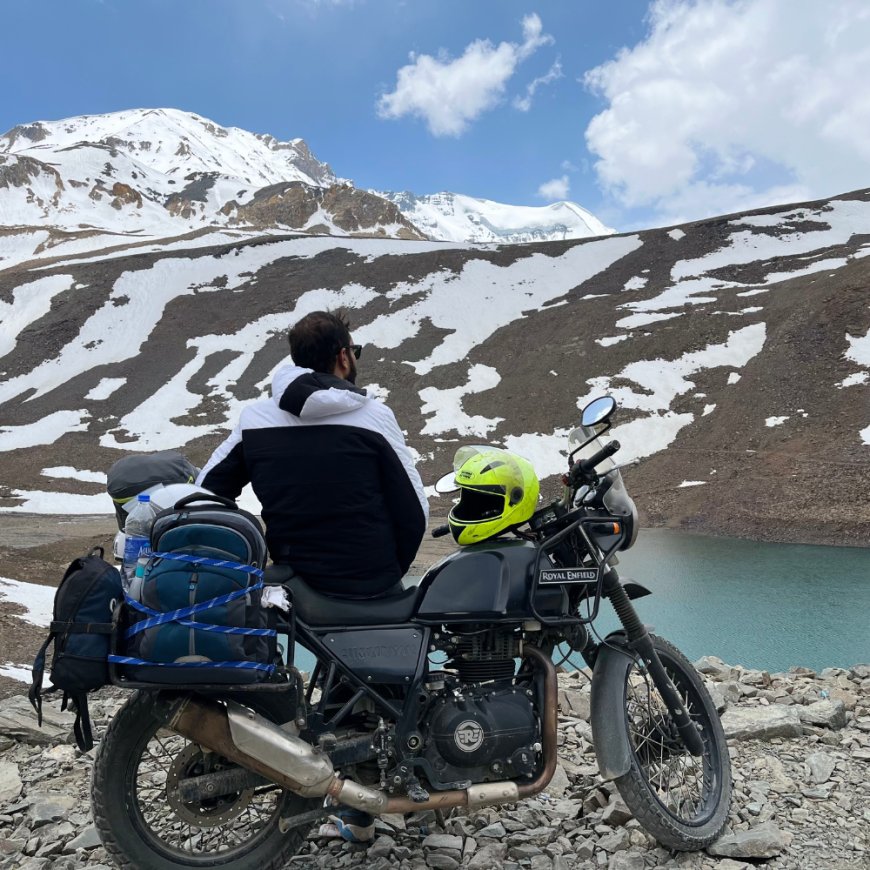
A few kilometres further comes Suraj Tal the "Lake of the Sun God" - the third-highest lake in India at approximately 4,950 metres. Fed directly by the Bara-lacha La glacier, Suraj Tal is the source of the Bhaga River that I had been following for two days. On a clear morning, its surface is a perfect mirror for the surrounding peaks. Sitting beside it, breathless from altitude and from beauty in equal measure, felt like arriving at the edge of the earth.
"Suraj Tal doesn't care about your plans or your schedule. At 4,950 metres, with the glacier above and the blue-green water below, you simply exist in the present tense."
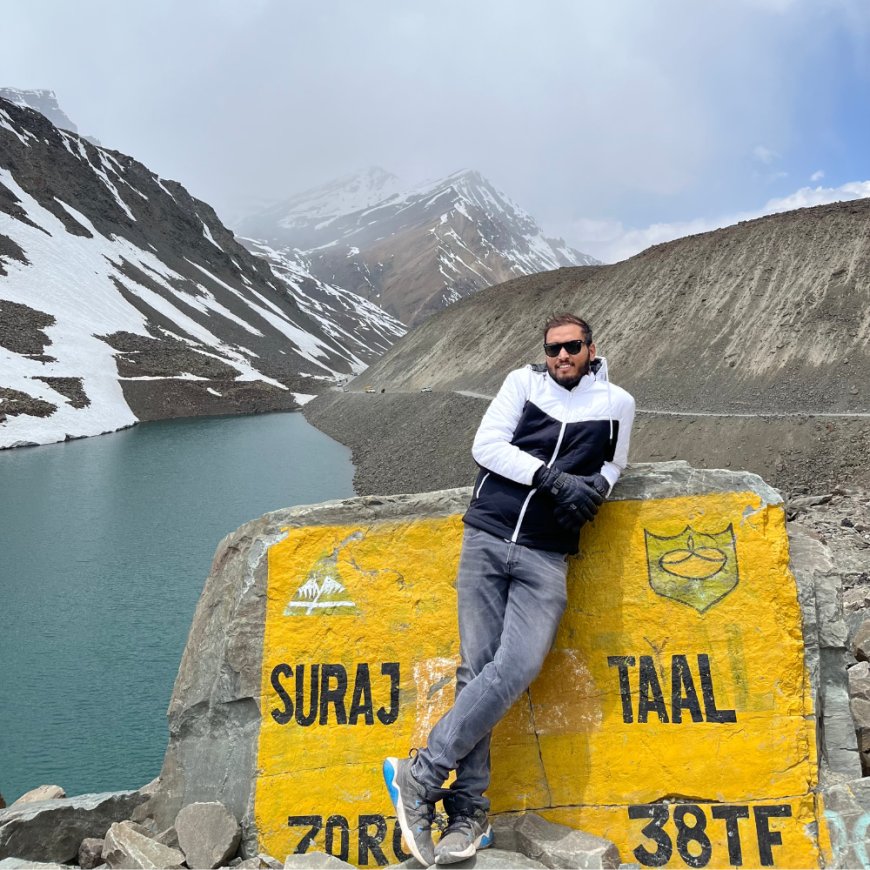
Conquering Bara-lacha La — 4,850 Metres
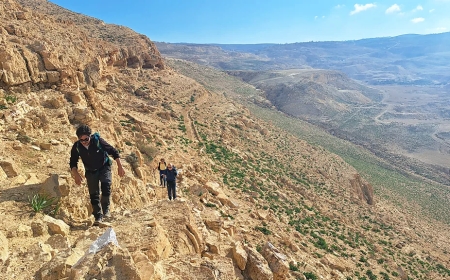
The final climb to Baralacha La is a study in physical and psychological endurance. The altitude thins the air to the point where breathing requires conscious effort, and the cold even in summer is constant and penetrating. The road becomes a series of switchbacks cut into loose scree, and around every corner the view gets bigger, more vertiginous, more completely overwhelming.
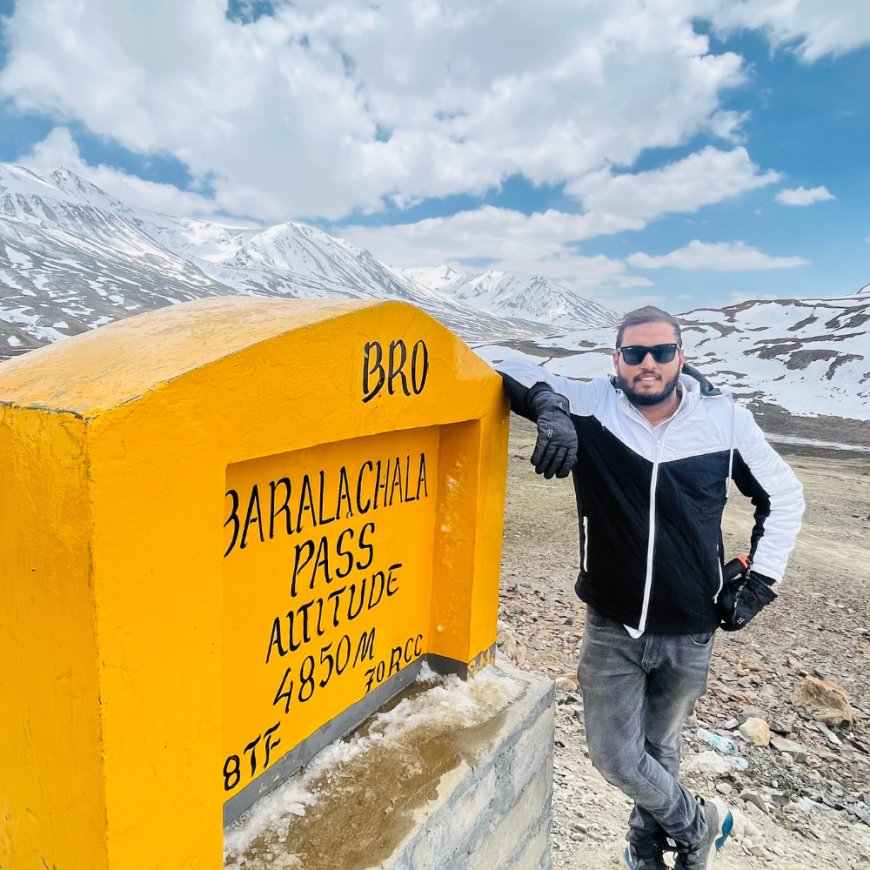
And then, suddenly, you're there. The pass opens out into a flat saddle at 4,850 metres, marked by prayer flags whipping in the ferocious wind. Three valleys meet here Lahaul, Spiti, and Zanskar each pulling away in a different direction. The feeling of standing at that confluence, alone, after days on the road, is genuinely difficult to articulate. Pure. Exhausted. Alive. Small in a way that feels like a gift rather than a diminishment.
I sat at the pass for twenty minutes. Ate a chocolate bar. Took a hundred photographs I will never quite trust to capture what I saw. And then turned the bike back south.
The Infamous Zigzag Bar Road Back to Manali
The return journey brought its own drama. The Bar Loops or Gata Loops, as this stretch of the Leh-Manali Highway is sometimes called are a series of dizzying zigzag switchbacks that descend from the high plateau in a sequence so steep and sustained that they seem almost satirical. Each corner reveals the next series of corners below, spiralling down the mountain face in a cascade of tarmac that would look impossible on a map if you didn't know better.
Riding the Bar Loops on a motorcycle is equal parts terror and pure, exhilarating joy. The road demands complete attention loose gravel in the corners, sheer drops on one side, the occasional oncoming truck taking liberties with lane discipline but deliver that attention and the reward is one of the most memorable riding experiences in India. By the time the road flattened into the Kullu Valley and Manali's familiar bustle appeared on the horizon, I was grinning inside my helmet like a complete fool.
-
Essential Tips for Riding to Baralacha La
Having done this route solo, here's what I'd tell anyone planning the same journey:
Best SeasonJune to mid-September. The pass is snowbound from October to May. July–August is peak season; early June has cleaner roads and fewer crowds.
Bike PrepA Royal Enfield Himalayan or a Hero Xpulse 200 is ideal. Ensure your tyres, brakes, and chain are in top condition before Manali there are no mechanics beyond Keylong.
AcclimatiseDon't rush. Spend a night at Jispa (3,200m) before going for the pass. Altitude sickness above 4,500m is serious. Carry Diamox if your doctor recommends it.
DocumentsCarry your original RC, insurance, driving licence, and a government-issued ID. There are checkposts at the Atal Tunnel and near Keylong.
Fuel & SuppliesLast reliable fuel stop is Keylong. Carry a 2-litre reserve. Stock up on dry food, warm clothing, and a good sleeping bag nights above 3,500m are cold even in summer.
Start EarlyLeave Jispa by 5:30–6 AM. Afternoon weather at the pass can be unpredictable, with sudden snow or hail. You want to be descending by 1–2 PM at the latest.
-
Final Thoughts: The Road Gives Back What You Put In
A solo motorcycle journey to Bara-lacha La is not a comfortable holiday. It is uncomfortable in the best possible way cold mornings, hard climbs, uncertain roads, altitude that makes you feel every step and every breath. It strips away the background noise of ordinary life and replaces it with something elemental and clarifying.
From the Parvati Valley warmth of Kasol and the sacred waters of Manikaran, through the high cold of Sissu and the spiritual remoteness of Triloknath, past the mirror lakes of Lahaul and up to the windswept madness of 4,850 metres this route is a complete journey in every sense. It changes you, slightly but permanently, in the way only the mountains can.
If you've been thinking about doing it: go. Pack your bags, prep your bike, book a homestay in Kasol on the way up, stop in Jispa the night before the pass, and ride. The mountains are not going anywhere. But every year you wait is a year you could have been standing at the roof of the world with the prayer flags cracking in the wind and the whole of the Himalaya spread out before you.
That view is worth every metre of the madness.
What's Your Reaction?
 Like
0
Like
0
 Dislike
0
Dislike
0
 Love
0
Love
0
 Funny
0
Funny
0
 Angry
0
Angry
0
 Sad
0
Sad
0
 Wow
0
Wow
0