You order chips, cold drinks, and ice cream. The app says it will reach you in 10 minutes. You start watching the timer. Five minutes pass. Seven. At nine minutes, you’re already annoyed.
Now pause for a second.
Have you ever thought about the person riding a bike through traffic to meet that promise?
That question is exactly why the Indian government stepped in and asked companies like Swiggy, Zomato, Blinkit, and Zepto to stop advertising “10-minute delivery.”
This isn’t about banning fast delivery. It’s about stopping dangerous pressure on delivery riders. And it’s a much bigger deal than it sounds.
Let’s break it down in the simplest way possible.
How 10-Minute Delivery Became a Big Deal
Quick commerce exploded in India because it solved one simple problem: impatience.
Forgot milk? Order it. Craving snacks at midnight? Order them. Need something right now? Order it faster.
Union Labour Minister Mansukh Mandaviya held meetings with executives from Blinkit, Swiggy, Zomato, Zepto, and other platforms.
The message was clear: Marketing promises should not put workers’ lives at risk.
The government asked platforms to remove fixed delivery claims like “10 minutes” from branding and advertisements.
Not because fast delivery is bad. But because promising it publicly creates unhealthy pressure.
The companies agreed.
Why This Is More Than Just a Marketing Change
Some people think, “It’s just a tagline. What difference does it make?”
A big difference.
When a company promises something publicly, customers expect it. When customers expect it, riders feel responsible for it.
A delay becomes a problem. A traffic jam becomes stressful. A red light becomes frustrating.
Removing the promise doesn’t slow the system. It removes the fear.
Riders can focus on riding safely instead of racing a clock they never agreed to.
What Blinkit, Swiggy, and Zomato Changed
Blinkit Went First
Blinkit removed its famous line: “10,000+ products delivered in 10 minutes.”
It replaced it with something much calmer: “30,000+ products delivered at your doorstep.”
No time pressure. Just service.
Swiggy and Zomato Followed
Swiggy and Zomato stopped promoting 10-minute delivery in ads and on social media.
Fast deliveries may still happen, but they’re no longer advertised as guaranteed.
Both platforms informed the government that they would follow the new direction and focus more on the safety of delivery partners.
What About Zepto and Others?
Zepto and Flipkart also quietly removed time-based promises from their marketing.
The result is simple. No major quick-commerce platform in India now openly promises delivery in 10 minutes.
Will My Orders Take Longer Now?
Honestly? Sometimes yes. Sometimes no.
Here’s the truth.
These companies already have warehouses close to homes. Their systems are designed to be fast. That hasn’t changed.
What has changed is the expectation.
If your order comes in 10 minutes, great. If it takes 15 or 20, that’s okay too.
No one needs to panic. No one needs to rush dangerously.
Speed becomes a bonus, not a rule.
The Gig Workers’ Strike You Might Have Missed
This decision didn’t come out of nowhere.
On New Year’s Eve 2025, delivery riders across India went on strike.
They protested unsafe working conditions, low pay, and excessive pressure, especially during peak hours and adverse weather conditions.
The timing mattered. Food delivery and quick commerce are busiest during holidays. When riders stopped working, people noticed.
Politicians noticed too. AAP MP Raghav Chadha publicly spoke about the risks delivery riders face, especially when companies push speed during rain or late nights.
That protest helped push rider safety into the national conversation.
It officially recognizes gig workers and platform workers. That includes delivery riders.
The idea is simple. If companies benefit from workers, they should also care about their safety and well-being.
Removing 10-minute delivery branding fits into that thinking. It shows that the government is starting to look beyond profits and convenience.
It’s a small step, but it matters.
What This Means for You as a Customer
As a customer, not much changes in your daily life.
You can still order groceries. You can still expect quick service. You can still enjoy convenience.
What changes is how you think about delivery time.
Instead of watching the clock, you wait a little. Instead of getting angry, you understand. Instead of blaming the rider, you remember there’s a human behind the app.
That mindset shift is powerful.
What This Means for Delivery Riders
For riders, this change is huge.
Less pressure to rush. Less stress during traffic or rain. Less fear of complaints over small delays.
It doesn’t solve everything. Riders still need better pay, insurance, and job security.
But removing aggressive time promises removes one major danger from their daily work.
It tells riders: your safety matters more than a marketing line.
A Bigger Change Is Happening
Zoom out, and this decision shows something important.
India is slowly realizing that convenience should not come at any cost.
Technology is great. Fast service is great. But not if it puts lives at risk.
The 10-minute delivery ban is not about slowing progress. It’s about making progress more human.
Final Thoughts
The end of “10-minute delivery” branding is a turning point for quick commerce in India.
Companies still grow. Customers still enjoy convenience. But riders are no longer forced to race against time for someone else’s comfort.
Sometimes, slowing down a little is the smartest move.
I’m Ryan Rehan, Business Development Executive and a passionate blogger dedicated to sharing insights, tips, and experiences that inspire and inform. Through my blogs, I explore topics that matter, spark curiosity, and encourage thoughtful conversations. Whether I’m breaking down complex ideas, offering practical advice, or simply sharing stories, my goal is to create content that adds real value to a growing community of curious minds and passionate readers.


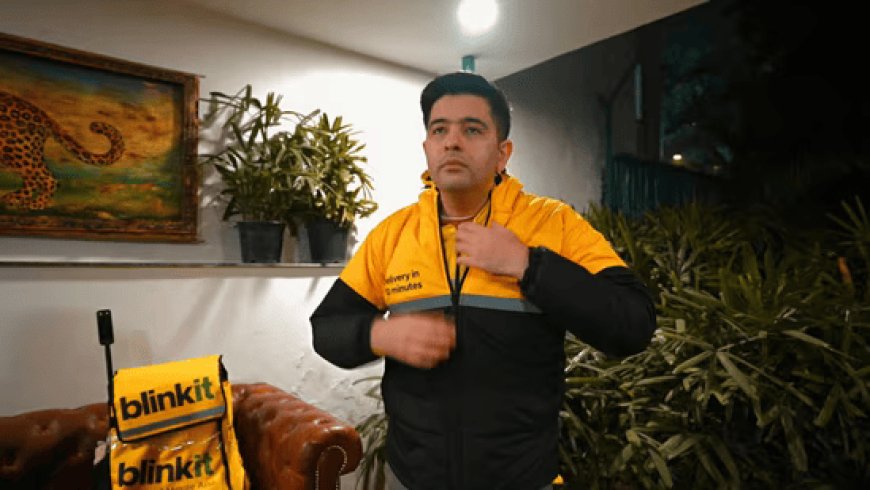
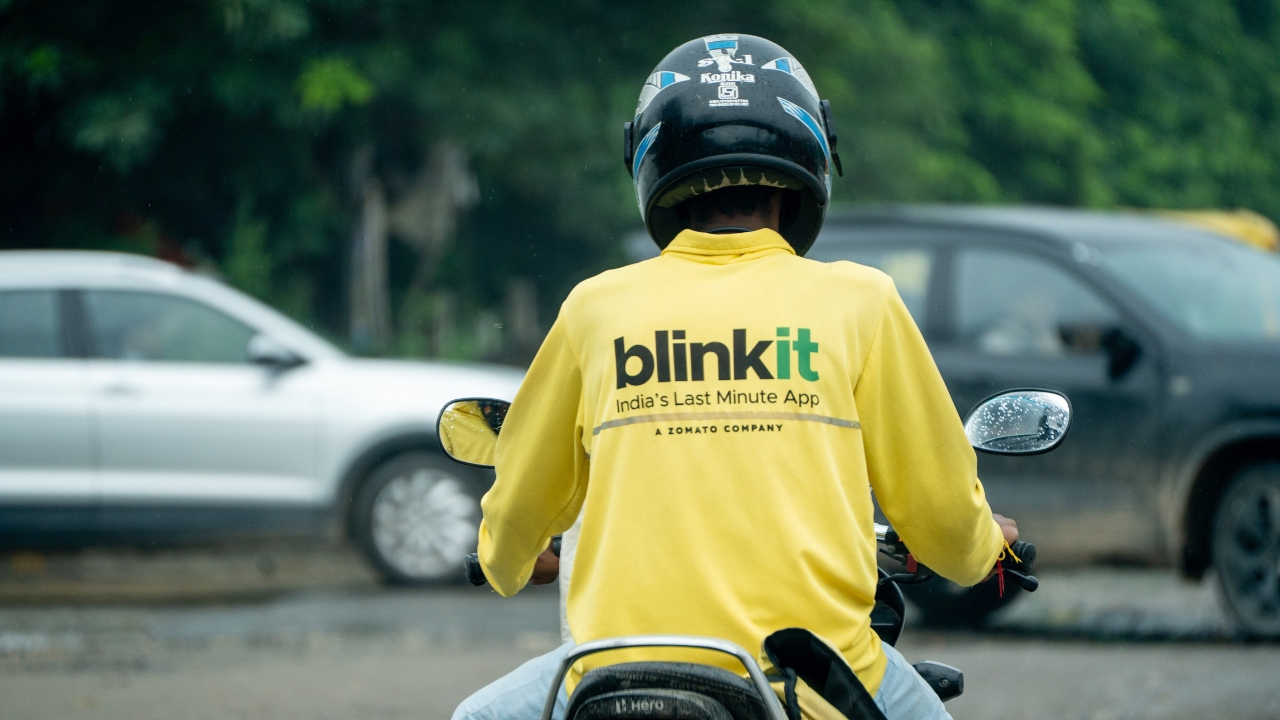 Image Credit:
  Like
0
Like
0
 Dislike
0
Dislike
0
 Love
0
Love
0
 Funny
0
Funny
0
 Wow
0
Wow
0
 Sad
0
Sad
0
 Angry
0
Angry
0















Comments (0)