

New Rules From June 2026: Banking, UPI, LPG, FASTag, Taxes & 15 Other Important Changes Explained
Several important rules are changing from June 2026. Learn how new updates related to UPI payments, banking, LPG cylinders, FASTag, Aadhaar, PAN, taxes, railways, ATM withdrawals, and other financial services may affect you.


June 2026 has arrived with a long list of financial, banking, taxation, and consumer-related changes that could directly impact your daily life. Whether you pay through UPI, use LPG at home, travel through toll plazas, file income tax returns, withdraw cash from ATMs, or maintain a PAN card, several important updates have either taken effect or are becoming relevant this month.
The challenge is that most people hear about these changes through short social media videos or headlines, which often provide incomplete information. As a result, many people remain confused about what has actually changed, what is only being discussed, and what actions they need to take.
This guide explains the most important June 2026 changes in simple language, along with their practical impact on ordinary citizens.
Why June 2026 Is an Important Month
Unlike many months where only one or two policy changes take effect, June 2026 brings updates across multiple sectors simultaneously. Digital payments, LPG connections, taxation, ATM withdrawals, banking compliance, PAN rules, Aadhaar services, and even transportation are seeing changes that affect millions of Indians.
For some people, these changes may only require awareness. For others, ignoring them could result in additional charges, compliance issues, or unnecessary inconvenience.
1. UPI Payments Become Safer With Verified Recipient Names
One of the biggest updates affects UPI users.
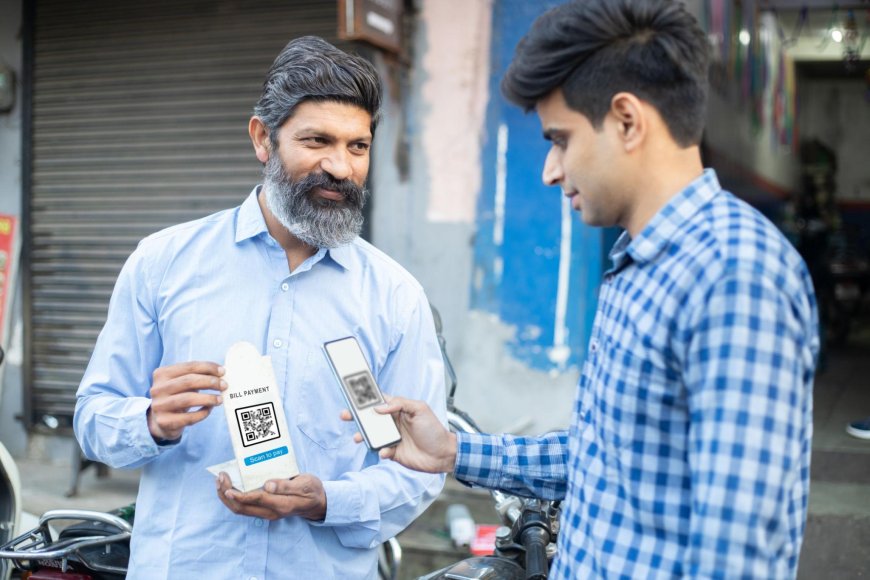
From June 2026, UPI apps are increasingly showing the recipient's officially registered bank name before you enter your UPI PIN. This is designed to reduce fraud and prevent people from accidentally transferring money to the wrong person.
This change may sound small, but it addresses one of the most common UPI problems in India: mistaken transfers and fraudsters using misleading display names.
Now, before confirming payment, users can verify exactly who is receiving the money.
For ordinary users, the takeaway is simple: always check the beneficiary name carefully before approving any transaction.
2. UPI-Based ATM Withdrawals May Affect Your Free ATM Limits
Cardless ATM withdrawals through UPI have become increasingly popular.
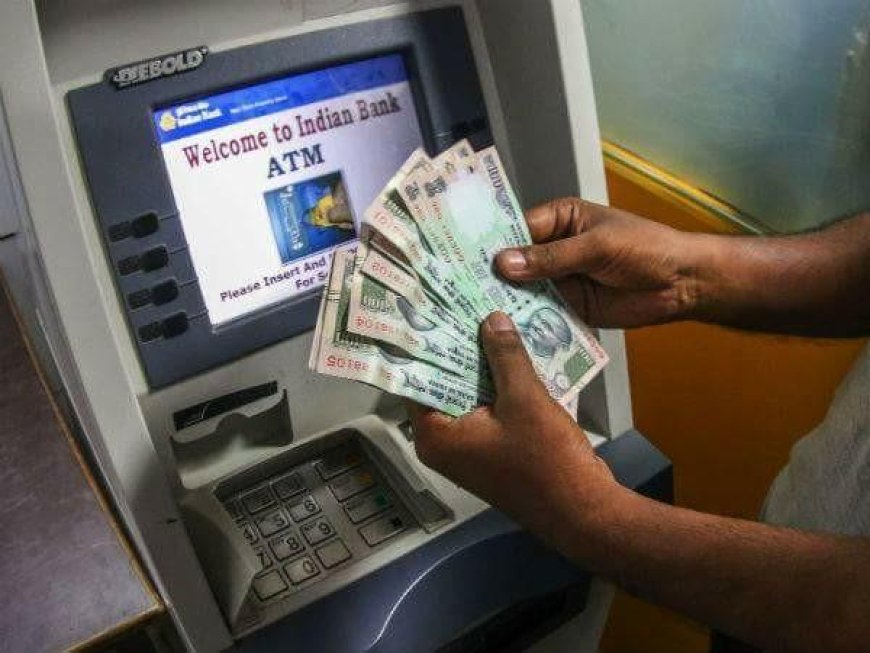
However, an important change has been introduced. UPI-based ATM cash withdrawals are now being counted within many banks' monthly free withdrawal limits. Most banks currently allow 3–5 free ATM transactions per month, depending on the city and account type.
Once the free limit is exhausted, charges typically range from ₹21 to ₹23 per transaction plus applicable taxes. Since many banks are now counting UPI-based ATM withdrawals within these limits, frequent users should monitor their monthly withdrawals carefully to avoid unnecessary charges.
Many people assumed UPI cash withdrawals were separate from traditional ATM usage. That assumption may no longer hold true.
If you frequently use cardless ATM withdrawals, it is worth checking your bank's updated policy.
3. LPG Rules Have Changed for Households Using PNG
One of the most significant changes affects households that have both LPG and PNG connections.
Under revised regulations, households that receive an active PNG (Piped Natural Gas) connection may now be required to surrender their LPG connection within a specified period, generally around 30 days. The objective is to avoid duplicate subsidized household gas connections and improve resource allocation.
If your home recently shifted to PNG, you should verify whether your LPG connection still complies with the latest requirements.

4. Commercial LPG Cylinder Prices Have Increased
Businesses that rely on LPG have already started feeling the impact.
Commercial LPG cylinder prices have increased in several cities, pushing up operational costs for restaurants, cafés, food outlets, bakeries, and small businesses.
Although domestic cylinder prices have not seen the same level of change, commercial users are likely to face higher monthly expenses.
This could indirectly affect consumers through higher food and service costs in the coming months.
5. Advance Tax Deadline Is Approaching
Many taxpayers forget this every year.
June is important because the first advance tax installment deadline falls on June 15. Individuals with substantial non-salary income, business income, capital gains, rental income, or freelance earnings should check whether advance tax applies to them.
Missing advance tax obligations can lead to interest penalties later.
If you earn income beyond your salary, this is a good time to review your tax position.
6. PAN Rules Have Been Updated
Several PAN-related compliance rules have been revised.
One notable change is that PAN may no longer be required for certain routine cash deposits above ₹50,000. However, once cumulative cash transactions cross larger annual thresholds, PAN-related compliance requirements continue to apply.
Additionally, property transaction-related PAN thresholds have also seen revisions under the updated framework.
For most salaried individuals, these changes will not require immediate action, but people dealing in large cash transactions should remain aware.
7. Aadhaar Free Update Deadline Is Ending
Many people have postponed updating their Aadhaar details.
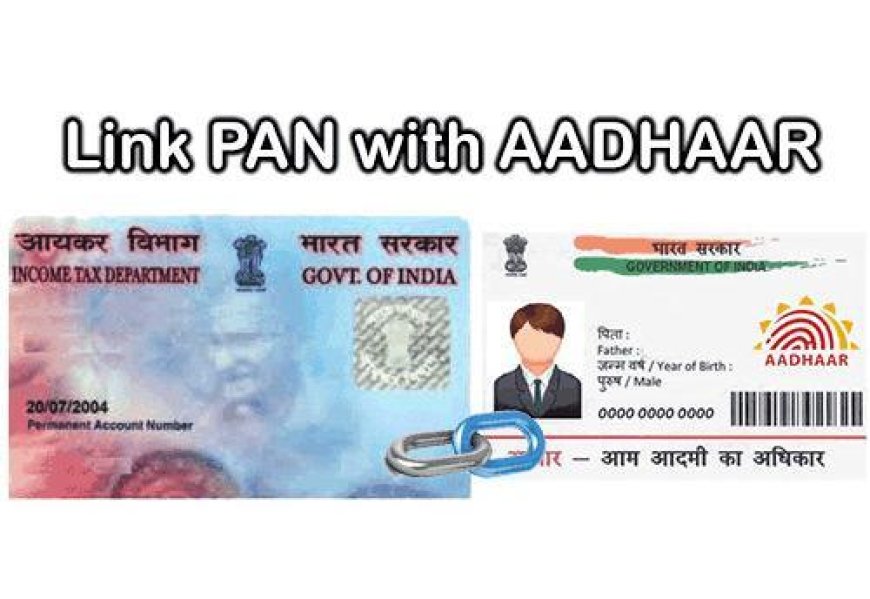
If you still need to update demographic information in Aadhaar, June is important because the free update window is ending. After the free Aadhaar update window closes, demographic updates through Aadhaar centres generally attract a fee of around ₹50 per update request. Therefore, people who need to correct their address, mobile number, name, or other details should consider completing the process before the deadline.
If your Aadhaar contains:
-
Incorrect address
-
Outdated mobile number
-
Name corrections
-
Other demographic updates
This may be the right time to complete them.
8. Banking Charges May Change for Some Customers
Several banks are reviewing ATM fees, cash handling charges, and transaction-related policies.
While the exact impact varies by bank, customers should pay attention to revised service schedules, especially if they frequently use:
-
ATMs
-
Cash deposit facilities
-
Non-home branch services
-
Cardless withdrawals
Certain banks have already updated cash deposit and coin deposit limits.
9. FASTag Users Should Keep KYC Updated
FASTag continues to become more compliance-driven.
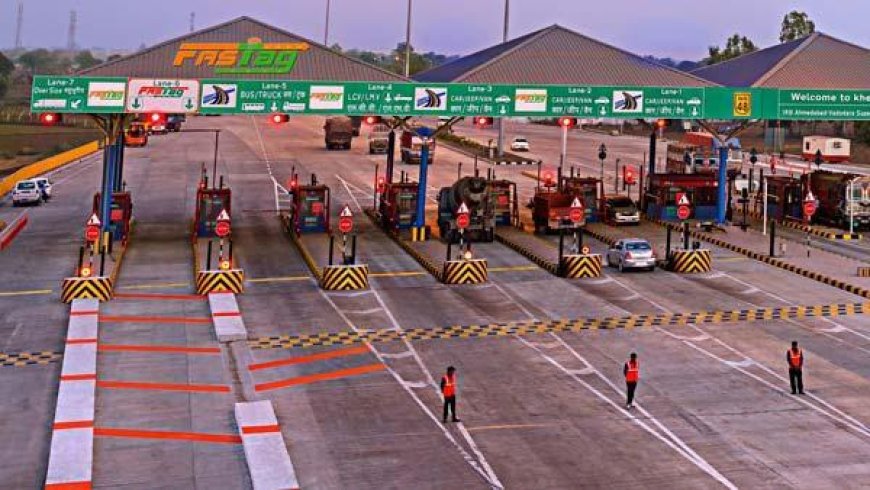
Authorities are increasingly focusing on KYC verification and account accuracy. FASTag users with incomplete KYC details risk having their FASTag classified as inactive or blacklisted. This can result in failed toll transactions and double toll charges at certain plazas. To avoid inconvenience, users should verify that their PAN, vehicle registration, and mobile number details are correctly linked.
If you have not verified your FASTag details recently, it is worth checking your provider's portal.
10. Toll Payment Systems Continue Moving Toward Digital-First Models
India's toll collection ecosystem is becoming increasingly digital.
Authorities continue encouraging FASTag and UPI-based toll payments to reduce congestion and cash handling. Non-digital payment users may face less favorable conditions compared to FASTag users.
For frequent travelers, maintaining an active FASTag remains the easiest option.
11. Income Tax Framework Changes Continue Rolling Out
The transition to newer income tax frameworks introduced in recent reforms continues during FY 2026-27.
Several allowances, compliance processes, and reporting requirements are evolving under the updated tax environment. Taxpayers should review:
-
Tax regime choices
-
Advance tax obligations
-
Deductions
-
Reporting requirements
before filing returns later this year.
12. EPF Withdrawal Through UPI May Become Easier
One development many employees are watching closely is the proposed ability to access PF funds through UPI-linked systems.
While implementation is still progressing, the move aims to make PF withdrawals faster and more user-friendly.
For millions of salaried employees, this could significantly improve accessibility.
13. Solar Energy Rules Are Becoming Stricter
Government-backed solar projects now face stricter compliance requirements regarding approved solar modules and suppliers.
While this is largely relevant for businesses, developers, and solar adopters, it reflects the government's broader push toward quality control and long-term reliability.
14. Vehicle Prices Have Increased
Several automobile manufacturers have increased prices.
Some car buyers may already notice revised pricing structures for certain models. This is partly driven by rising input costs and market adjustments.
If you're planning to buy a vehicle soon, checking updated showroom pricing is advisable.
15. Air Travel Costs May Be Affected
Certain airlines have adjusted flight schedules and frequencies.
Reduced flight availability on some routes could indirectly affect ticket pricing and availability during peak travel periods.
Travelers planning summer journeys should book earlier when possible.
16. Indian Railways: New Trains, Better Connectivity & Updated Fare Structure
June 2026 is also an important month for railway passengers. While there is no major nationwide fare hike being introduced specifically from June 1, passengers are continuing to experience the revised fare structure that came into effect recently under Indian Railways' fare rationalisation policy. Under the current structure, ordinary second-class journeys up to 215 km remain unchanged. For longer distances, fares have increased marginally, while Mail/Express and AC class passengers are paying slightly higher fares compared to previous years. For example, a 500 km journey in a non-AC Mail/Express train may now cost approximately ₹10 more than before, while AC passengers may see a slightly higher increase depending on the route and class.
The bigger development for travelers is improved connectivity. Indian Railways has introduced 122 new train services under the TAG 2026 timetable and accelerated 549 existing trains to reduce travel time across the country. These changes are aimed at improving punctuality and passenger convenience.
17. Higher Focus on Digital Fraud Prevention
Many June 2026 changes share a common theme: fraud prevention.
The new UPI recipient verification system, KYC-focused measures, improved banking checks, and stronger compliance requirements are all aimed at making financial transactions safer.
Consumers should see these changes as protective measures rather than inconveniences.
What Should Ordinary Citizens Do Right Now?
The good news is that most people do not need to take immediate action on every change discussed above.
However, you should:
-
Verify your Aadhaar details.
-
Review your PAN compliance status.
-
Check FASTag KYC.
-
Understand your bank's ATM policies.
-
Verify UPI recipient names before payments.
-
Review advance tax obligations if applicable.
-
Check LPG/PNG eligibility if your household uses both systems.
A few minutes of preparation today can prevent unnecessary problems later.
Final Thoughts
June 2026 is one of the most important months for financial and consumer-related changes in recent times. While some updates are procedural, others can directly affect your expenses, taxes, banking experience, digital payments, and household services.
The biggest takeaway is that India is steadily moving toward a more digital, transparent, and compliance-driven system. Whether it's safer UPI payments, stricter LPG norms, improved tax administration, or stronger KYC requirements, the overall direction is clear: fewer loopholes, better security, and greater accountability.
For most people, staying informed is the best strategy. Understanding these changes today can save money, prevent penalties, and help you make smarter financial decisions throughout the rest of 2026.
What's Your Reaction?
 Like
0
Like
0
 Dislike
0
Dislike
0
 Love
0
Love
0
 Funny
0
Funny
0
 Wow
0
Wow
0
 Sad
0
Sad
0
 Angry
0
Angry
0
















Comments (0)