

20 Hidden Gems in India You Need to Visit in 2026
Discover 20 hidden gems in India to visit in 2026, from untouched valleys and remote villages to breathtaking landscapes and unique cultural treasures.
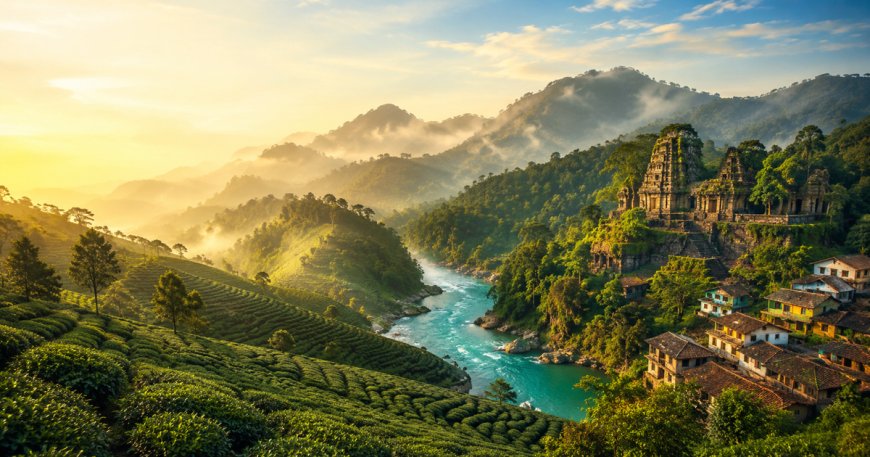
Table of Contents
- Discover the India Most Travelers Never Get to See
-
Hidden Himalayan Villages, Secret Beaches & Untouched Landscapes
- Chitkul, Himachal Pradesh
- Pin Valley, Himachal Pradesh
- Turtuk, Ladakh
- Ziro Valley, Arunachal Pradesh
- Mawlynnong & Dawki, Meghalaya
- Khonoma, Nagaland
- Majuli Island, Assam
- Unakoti, Tripura
- Lepchajagat, West Bengal
- Velas, Maharashtra
- Tarkarli, Maharashtra
- Champaner-Pavagadh, Gujarat
- Patan, Gujarat
- Mandu, Madhya Pradesh
- Gokarna, Karnataka
- Yana, Karnataka
- Chettinad, Tamil Nadu
- Dhanushkodi, Tamil Nadu
- Gandikota, Andhra Pradesh
- When to Go & How to Plan
- Frequently Asked Questions
-
Discover the India Most Travelers Never Get to See
India has a habit of being predictable in the worst way. Ask anyone where to go and you'll hear the same five or six names - Goa, Jaipur, Manali, Rishikesh, and so on, until the list starts to feel less like a travel plan and more like a queue. The thing is, the country is enormous and stubbornly varied, and most of its best corners never make it onto the front page.
This is a list for people who'd rather be the only ones at the viewpoint. Twenty places, spread from the Himalayas down to the southern coast, that reward a little extra effort to reach. None of them are secrets exactly, but in 2026 they're still quiet enough to feel like you found them yourself. Pack light, keep your plans loose, and read on.
-
Hidden Himalayan Villages, Secret Beaches & Untouched Landscapes
Here are the top 20 unexplored places you will love as a traveller:
- Chitkul, Himachal Pradesh
- Pin Valley, Himachal Pradesh
- Turtuk, Ladakh
- Chopta, Uttarakhand
- Ziro Valley, Arunachal Pradesh
- Mawlynnong & Dawki, Meghalaya
- Khonoma, Nagaland
- Majuli Island, Assam
- Unakoti, Tripura
- Lepchajagat, West Bengal
- Velas, Maharashtra
- Tarkarli, Maharashtra
- Champaner-Pavagadh, Gujarat
- Patan, Gujarat
- Mandu, Madhya Pradesh
- Gokarna, Karnataka
- Yana, Karnataka
- Chettinad, Tamil Nadu
- Dhanushkodi, Tamil Nadu
- Gandikota, Andhra Pradesh
-
Chitkul, Himachal Pradesh
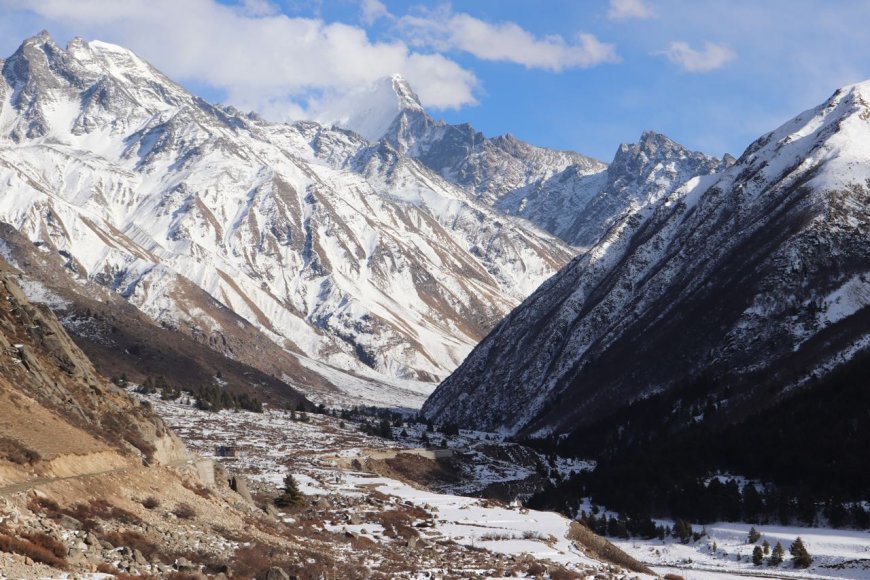
Tucked into the Baspa Valley, Chitkul holds the title of the last inhabited village before the old Indo-Tibetan trade route disappears into restricted territory. Wooden houses with slate roofs sit against a backdrop of snow-streaked peaks, and the air carries a faint pine sharpness you don't forget. There's no real "to-do" list here, which is the point, you walk along the river, sip tea that locals insist is the best in the country, and let the silence do its work.
-
Pin Valley, Himachal Pradesh
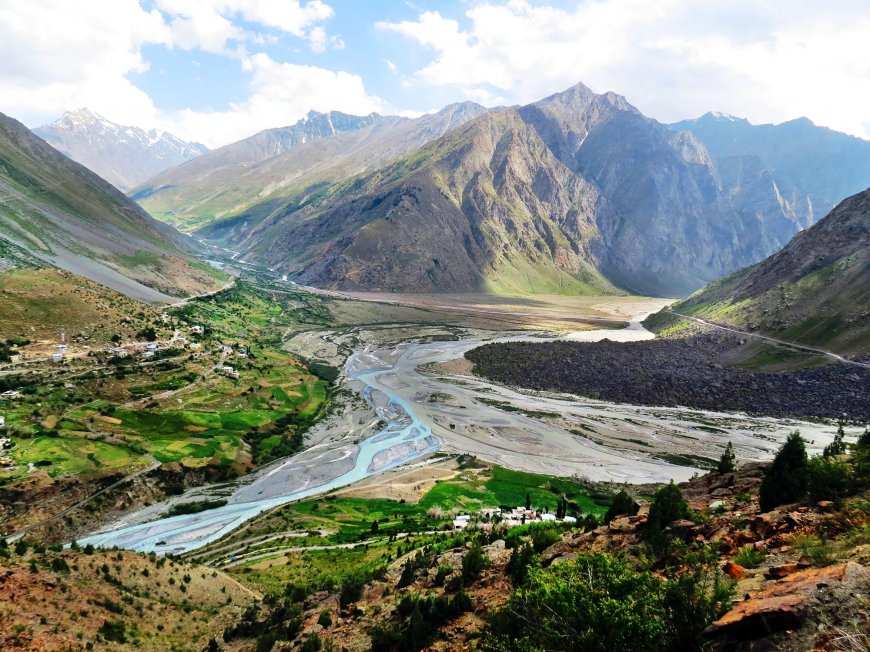
While crowds funnel into mainstream Spiti, Pin Valley stays gloriously empty. This is high-altitude desert country, ochre cliffs, a thin braided river, and clusters of whitewashed homes that look painted onto the landscape. It's also home to the Pin Valley National Park, one of the few places where the elusive snow leopard still roams. Spend a night in a homestay at Mudh, the last motorable village, and you'll understand why people come back year after year.
-
Turtuk, Ladakh
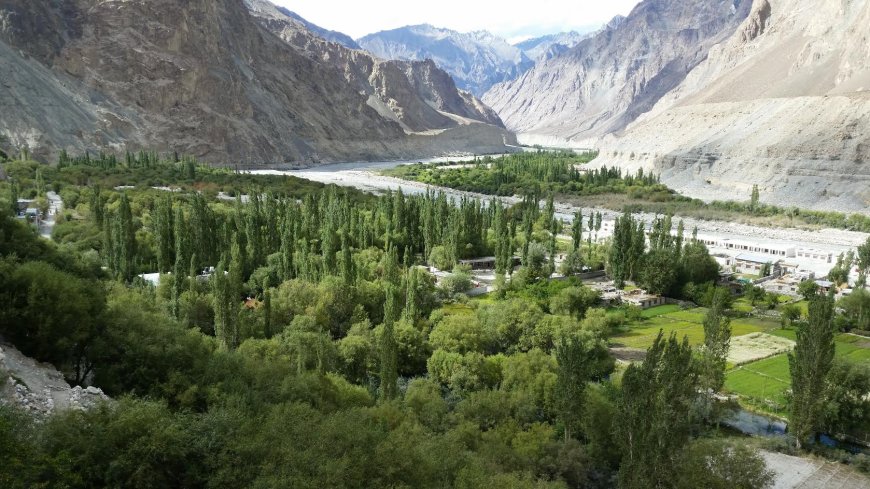
Turtuk only opened to visitors in 2010, and it still feels like a place caught slightly out of time. Sitting near the border in the Nubra region, it's one of India's few Balti villages, with apricot orchards, stone irrigation channels, and a culture that feels distinct from the rest of Ladakh. Locals are warm and genuinely curious about visitors, and a plate of fresh apricots eaten in someone's garden beats any restaurant meal you'll have on the trip.
-
Ziro Valley, Arunachal Pradesh
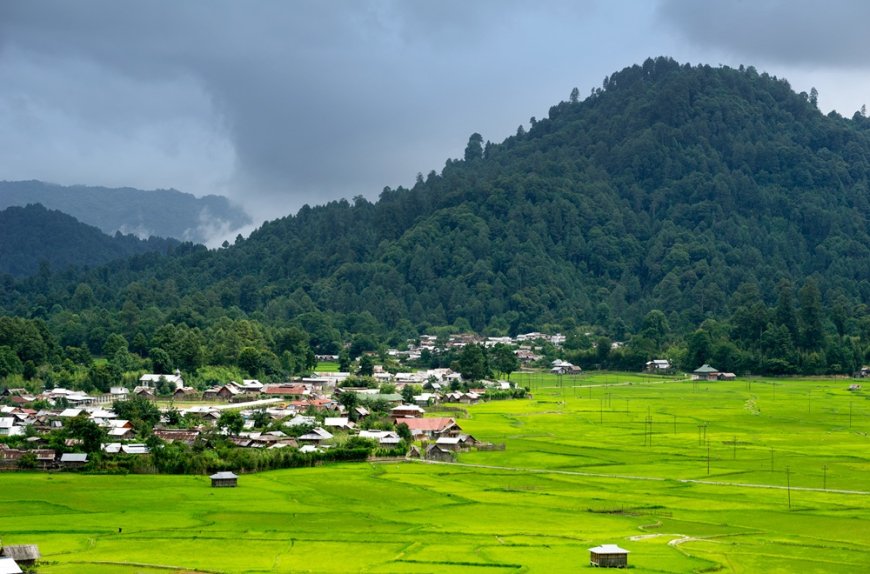
Ziro is the kind of place that quietly converts people. Home to the Apatani tribe and a patchwork of emerald rice paddies, it has a rhythm shaped by farming and festivals rather than tourism. The annual Ziro Festival of Music draws an indie crowd to an open-air stage ringed by hills, but the valley is worth visiting any month. Watch for the older Apatani women, whose traditional facial tattoos carry generations of history.
-
Mawlynnong & Dawki, Meghalaya
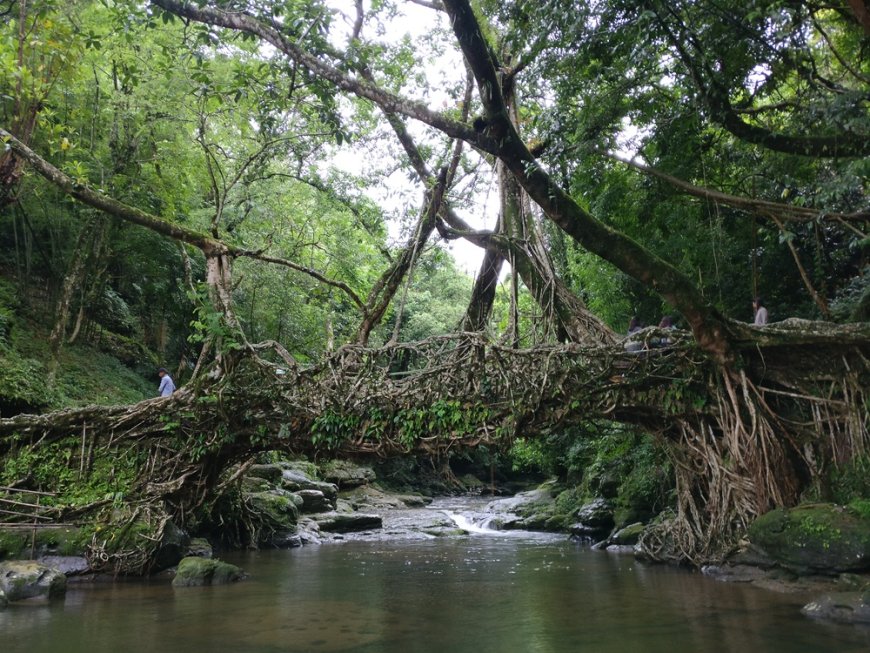
Mawlynnong earned the nickname "Asia's cleanest village," and it's earned the reputation honestly, flower-lined lanes, woven bamboo dustbins, and a community that takes real pride in its surroundings. Nearby Dawki offers something stranger: the Umngot River runs so clear that boats appear to float on glass, their shadows printed sharply on the riverbed below. String the two together with the region's famous living root bridges and you've got an unforgettable couple of days.
-
Khonoma, Nagaland
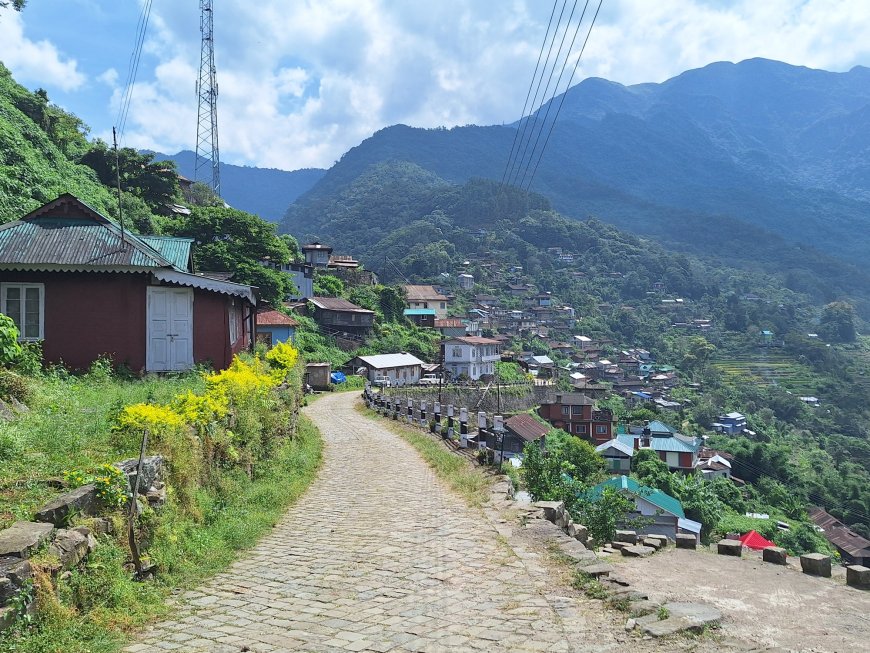
Roughly 20 kilometres from Kohima, Khonoma is often described as India's first "green village," and the Angami community here has banned hunting and logging across a protected forest reserve. The result is a place rich with birdlife and terraced fields that climb the hillsides in tidy steps. Beyond the scenery, there's a fierce sense of history, Khonoma resisted colonial forces more than once, and villagers tell those stories with obvious pride.
-
Majuli Island, Assam
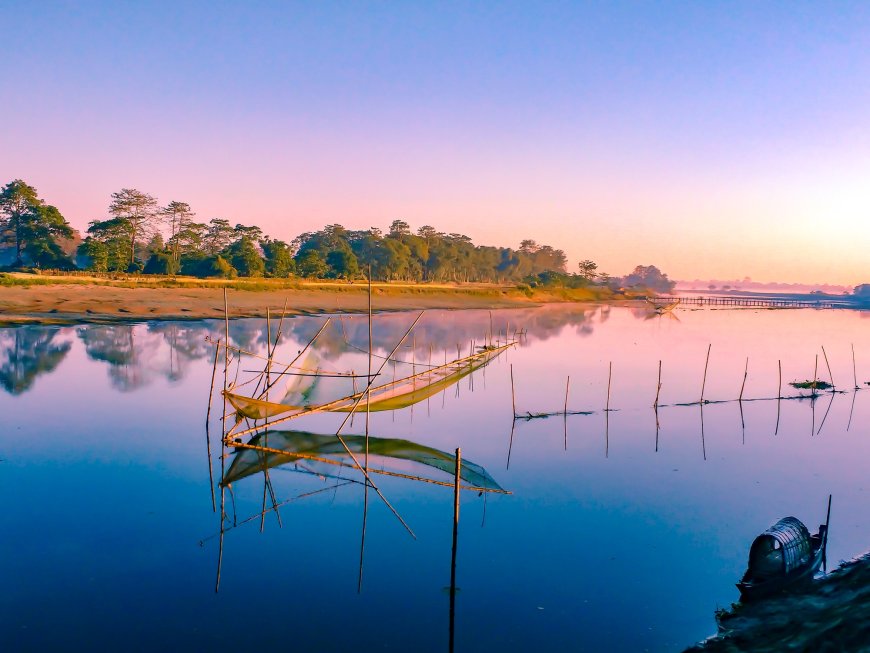
Majuli sits in the middle of the Brahmaputra and ranks among the largest river islands on the planet, though it's slowly shrinking as the river reclaims its banks. That fragility gives the place an unhurried, almost wistful feel. It's a centre of Assamese Vaishnavite culture, with monasteries called satras where monks practise mask-making and devotional dance. Rent a cycle, lose track of the afternoon, and watch a sunset that turns the whole river copper.
-
Unakoti, Tripura
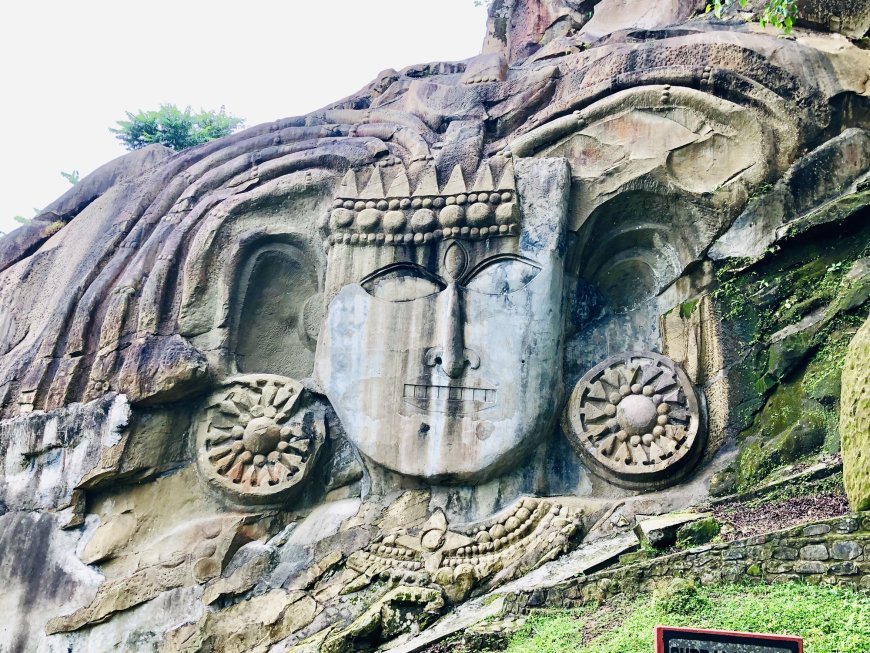
Unakoti is one of India's great underrated mysteries - a hillside in the northeast covered with enormous rock-cut sculptures and carvings, many of them weathered into half-faces and ghostly outlines by centuries of monsoon. Legend ties the site to Shiva and a host of attendant deities, and the name itself means "one less than a crore." Few travellers make it out this far, so you'll likely wander among these moss-covered giants almost entirely alone.
-
Lepchajagat, West Bengal
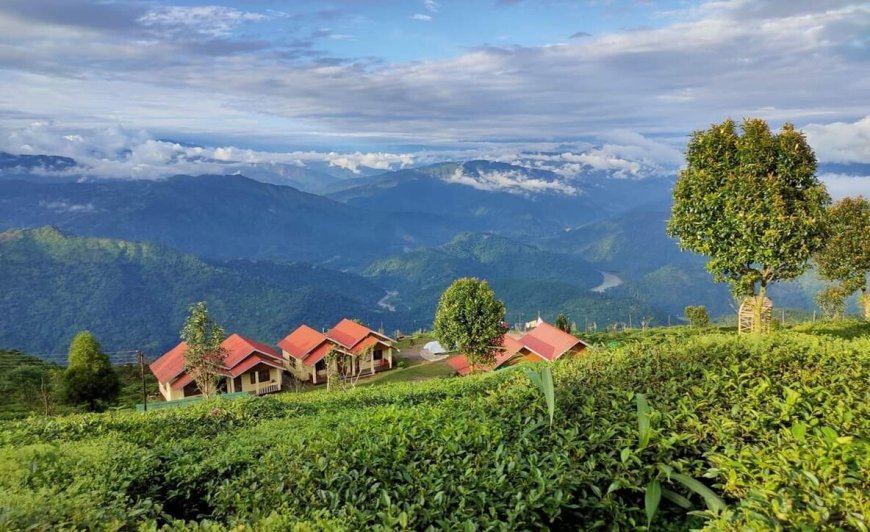
If Darjeeling has started to feel a little too busy, Lepchajagat is its quiet cousin, a tiny hamlet wrapped in oak and pine forest about an hour's drive away. On a clear morning the Kanchenjunga range floats above the treeline like something stitched onto the sky. There's little to do beyond walking, reading, and drinking tea on a misty verandah which, after a chaotic India itinerary, is often exactly the medicine you didn't know you needed.
-
Velas, Maharashtra
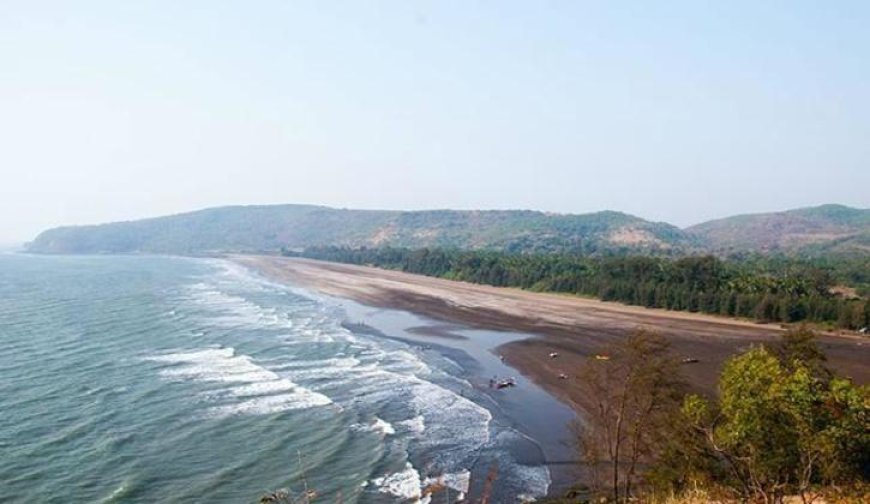
Velas is a small Konkan coast village that becomes briefly famous every year for one reason: baby Olive Ridley turtles. Through a community-led conservation programme, locals protect the nesting beach and, during hatching season, visitors gather quietly at dawn to watch tiny turtles scramble toward the sea. Stay in a village homestay, eat home-cooked Malvani food, and you'll come away convinced that responsible tourism doesn't have to mean dull tourism.
-
Tarkarli, Maharashtra
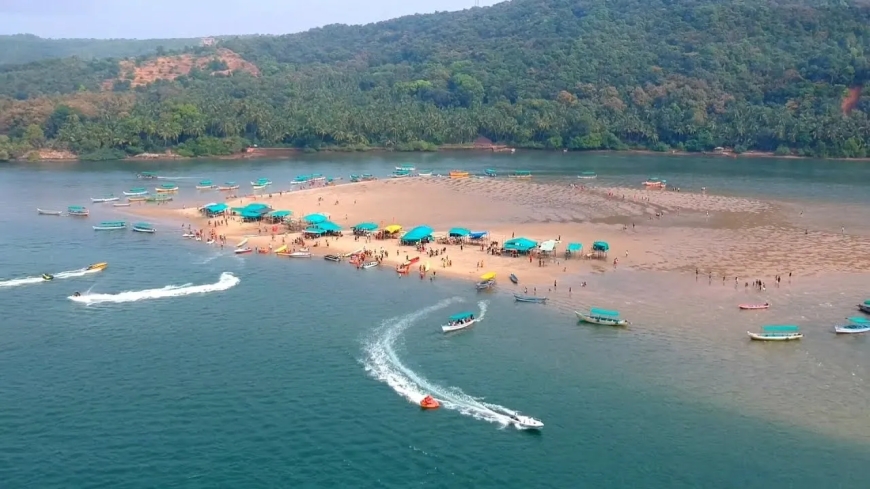
Further down the same coast, Tarkarli delivers the clean, uncrowded beaches that Goa hasn't had in decades. The water is clear enough for genuine snorkelling and scuba diving, the sand is soft and pale, and the seafood, especially the fried surmai is worth the trip on its own. Add a backwater boat ride and a stay in a traditional Konkani house, and Tarkarli quietly outperforms its glossier neighbours.
-
Champaner-Pavagadh, Gujarat
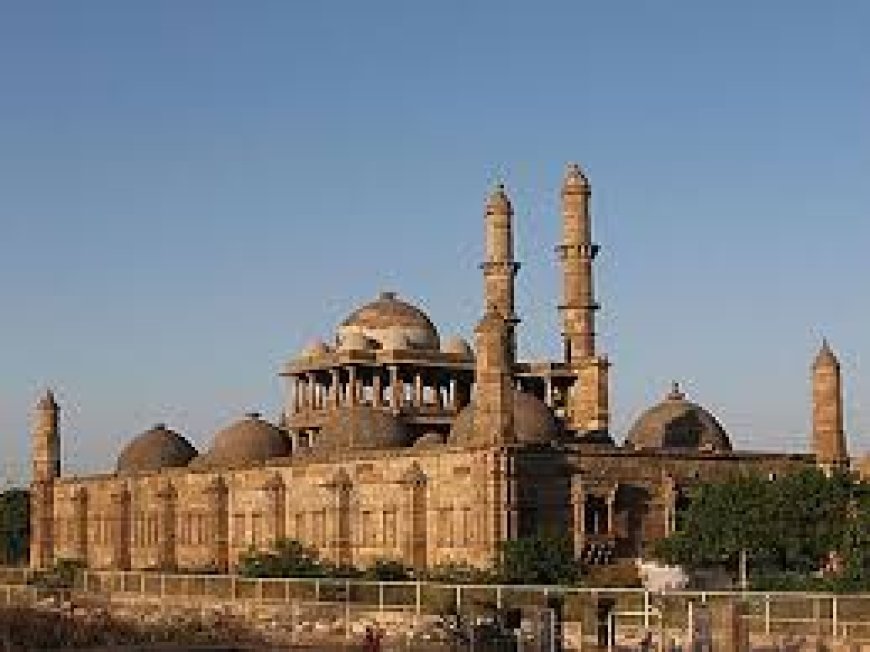
A UNESCO World Heritage Site that somehow flies under most travellers' radar, Champaner is a near-complete pre-Mughal city frozen mid-sentence. Mosques with delicate stone latticework, stepwells, and fortifications spread across the plain below Pavagadh hill, while a hilltop temple draws a steady stream of pilgrims above. Climb (or take the ropeway) for the view, then wander the ruins below, the carving here rewards anyone willing to slow down and look closely.
-
Patan, Gujarat
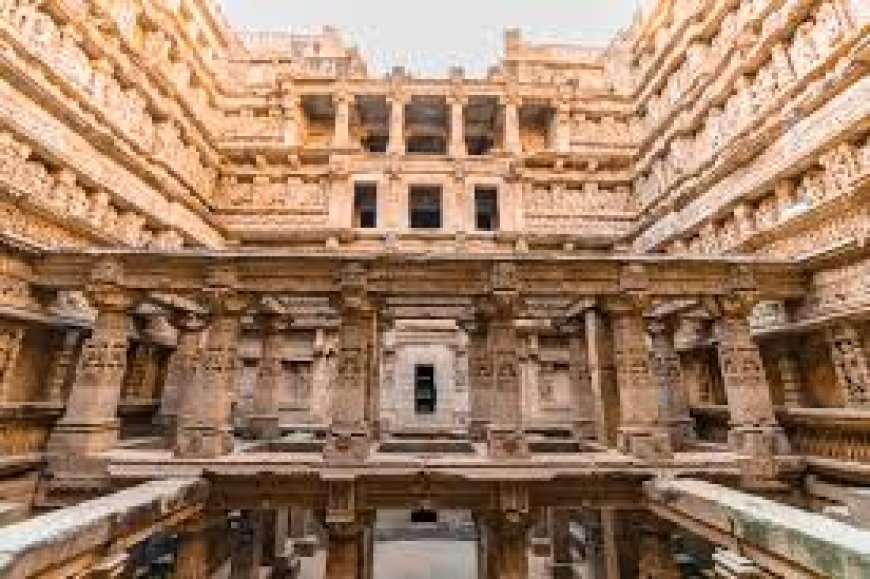
Patan's headline act is Rani ki Vav, an eleventh-century stepwell so intricate it appears on Indian currency. Descending into it feels like walking down into an inverted temple, every level lined with hundreds of sculptures of gods, dancers, and mythic creatures. The town is also famous for Patola sarees, woven using a painstaking double-ikat technique that can take months per piece. Watch a weaver at work and you'll never look at a sari the same way.
-
Mandu, Madhya Pradesh
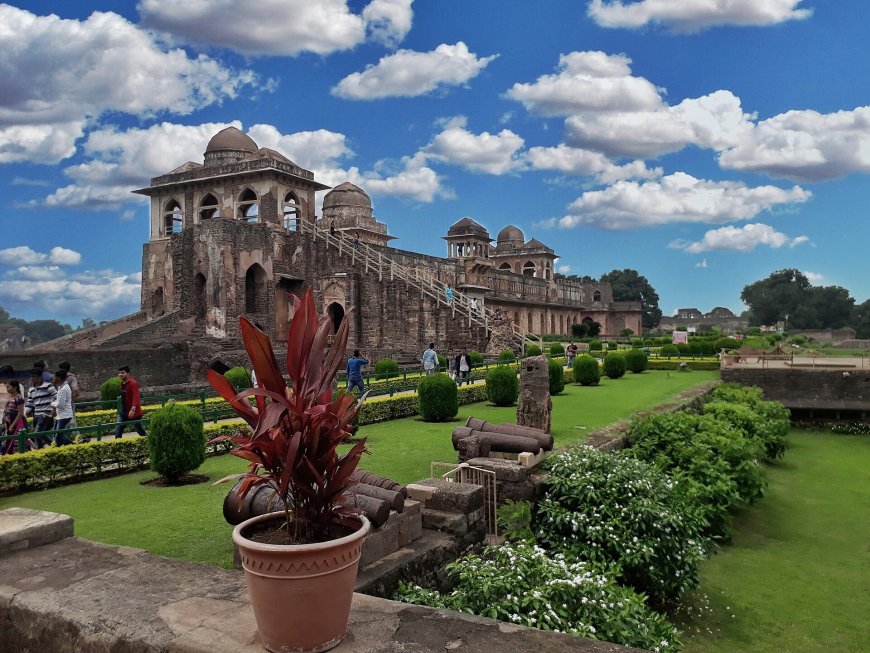
Mandu is a hilltop fort city built for romance and the rains, and it's at its most cinematic during the monsoon when the whole plateau turns green and the lakes brim. The architecture is gorgeous and unusual - Afghan-influenced pavilions, a "ship palace" stretched between two lakes, and the airy Jahaz Mahal that seems to float. There's a love story baked into the place too, between a sultan and a poet-queen, which only adds to the dreamlike mood.
-
Gokarna, Karnataka
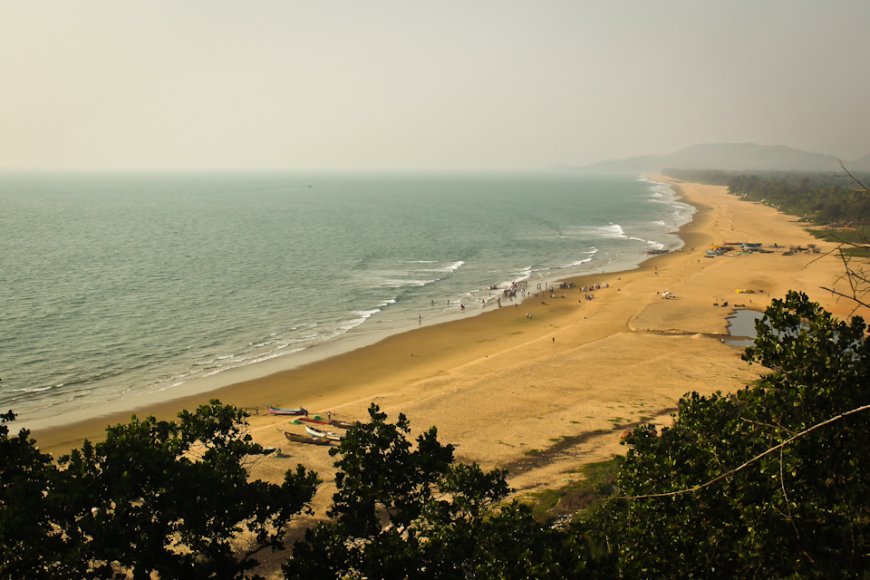
Gokarna is what Goa was before Goa became Goa. A genuine temple town first and a beach destination second, it pairs a deeply traditional centre with a string of golden beaches you reach on foot along the coast. Om Beach, Half Moon, and Paradise reward a short cliff trek with relative solitude. Spend your mornings swimming and your evenings watching the sun drop into the Arabian Sea with a coconut in hand.
-
Yana, Karnataka
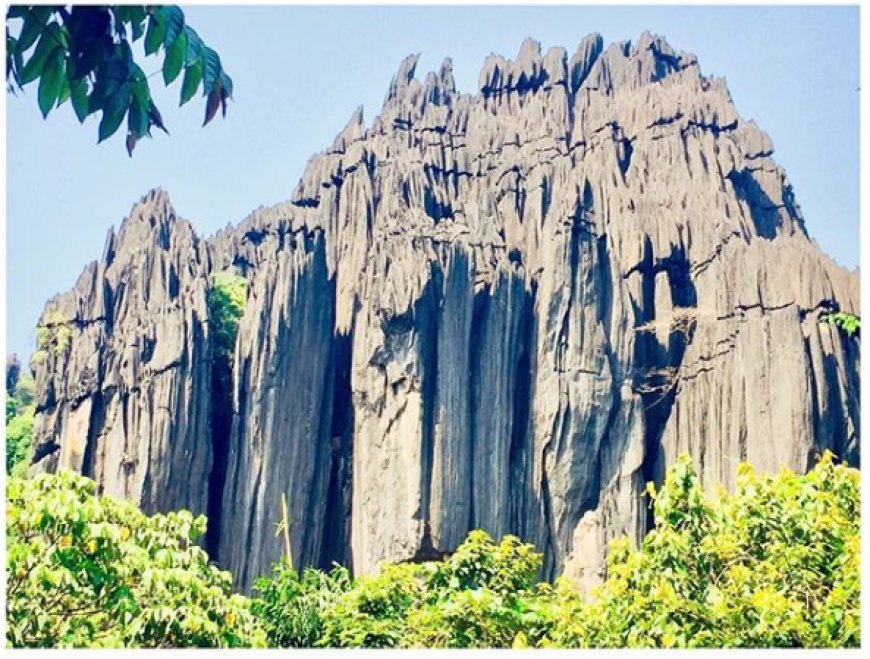
Hidden in the dense forests of the Western Ghats, Yana is built around two dramatic black limestone monoliths that rise abruptly out of the greenery like something from a fantasy novel. A short trek through the woods leads to a cave shrine tucked beneath the larger rock, and the whole walk hums with birdsong and the smell of wet earth. It pairs beautifully with the nearby Vibhooti Falls for a full day in the wild.
-
Chettinad, Tamil Nadu
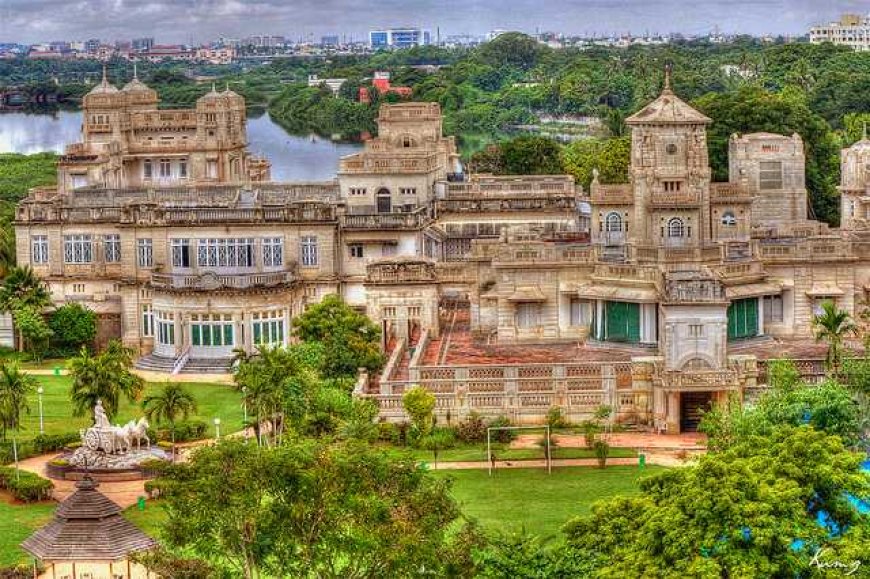
Chettinad is a region rather than a single town, and it's a feast for two senses in particular. First, the architecture: sprawling mansions built by a merchant community, decked out with Burmese teak, Italian marble, and Athangudi tiles, many now fading gently into grandeur. Second, the food - Chettinad cuisine is among the most aromatic and fiery in India. Tour a few mansions, eat everything you're offered, and don't skip the pepper chicken.
-
Dhanushkodi, Tamil Nadu
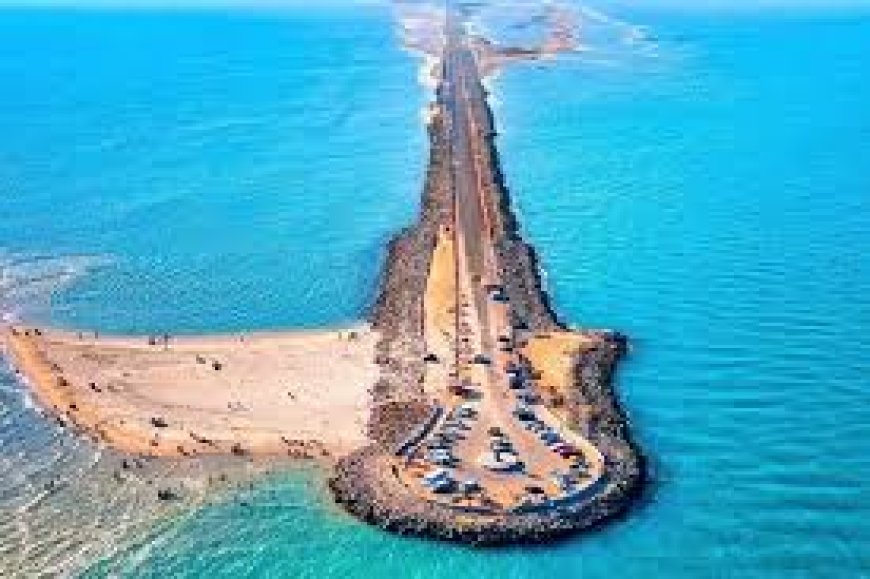
At the very tip of Rameswaram island sits Dhanushkodi, a ghost town wiped out by a cyclone in 1964 and never rebuilt. A thin ribbon of land runs out toward Sri Lanka with the Bay of Bengal on one side and the Indian Ocean on the other, and the drive to land's end is genuinely surreal. Skeletal church ruins, fishing hamlets, and an endless horizon give the place a haunting, end-of-the-world atmosphere.
-
Gandikota, Andhra Pradesh
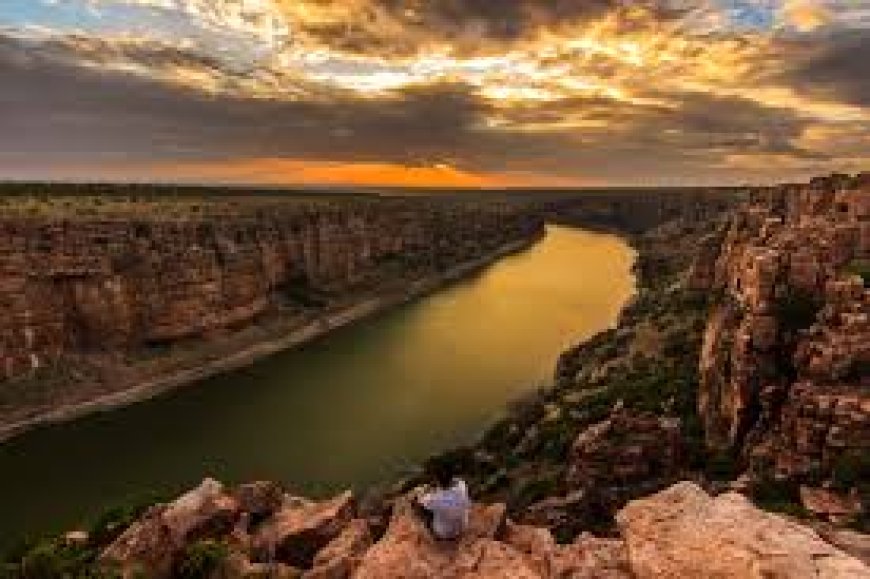
Often billed as the "Grand Canyon of India," Gandikota is a deep gorge where the Pennar River has carved through reddish rock over millennia. An old fort perches on the rim, complete with crumbling temples and granaries, and the viewpoint at sunset is the kind of thing you keep your phone in your pocket for, just to look. Camp overnight beside the canyon and wake up to one of South India's most underrated panoramas.
-
When to Go & How to Plan
A few practical notes, because half of these places live in extreme corners of the map. The Himalayan spots Chitkul, Pin Valley, Turtuk, and Chopta are best between May and October; many roads close once the snow sets in. The northeast (Ziro, Meghalaya, Nagaland, Assam, Tripura) shines from October to April, with festivals clustered around autumn and winter. Coastal and southern destinations are most pleasant from November to February, when the heat eases off.
Two repeated tips: stay in homestays wherever they exist, they're cheaper, friendlier, and feed money straight into the community and check whether you need an Inner Line Permit, which several northeastern states and parts of Ladakh still require. Carry cash, since ATMs thin out fast once you leave the towns, and download offline maps before you lose signal.
-
Frequently Asked Questions
Which of these places is most beginner-friendly?
Gokarna, Chopta, and Mandu are the easiest to reach and need the least logistical planning, making them solid first choices if you're new to offbeat travel in India.
Are these hidden gems safe for solo travellers?
Broadly, yes - India's offbeat regions are often safer than its tourist hubs because they're small, community-driven, and low on hustle. As always, basic precautions apply, and solo female travellers may prefer the well-established homestay networks in places like Meghalaya and Himachal.
How many of these can I realistically cover in one trip?
Group them by region rather than trying to crisscross the country. A focused 10–14 day trip through the northeast, the Himalayas, or the south will leave you far happier than a frantic dash between all twenty.
Will these destinations still be quiet in 2026?
Most remain genuinely under-visited, though word travels fast. If staying ahead of the crowd matters to you, the northeastern picks and the lesser-known Gujarat and Andhra sites are your safest bets for solitude.
What's Your Reaction?
 Like
0
Like
0
 Dislike
0
Dislike
0
 Love
0
Love
0
 Funny
0
Funny
0
 Wow
0
Wow
0
 Sad
0
Sad
0
 Angry
0
Angry
0

A spirit that pursues sunsets and tales. Entrepreneur at heart, globe-trotter by soul. Founder of an art-worshiping jewelry brand that embodies emotion & individuality — where each piece is a tale of culture, craft, and character. From trails up mountains to gem markets, I'm inspired by all journeys — transforming wanderlust into enduring design. Establishing a brand built on authenticity, refinement & purpose — one work at a time.













Comments (0)