

The Return of Canada's Most Jaw-Dropping Backpacking Trail and Why You Should Go Now
The legendary Berg Lake Trail in Mount Robson Provincial Park is fully open again after years of reconstruction. Discover what makes this iconic Canadian Rockies backpacking route unmissable and why 2026 is the perfect year to hike it.
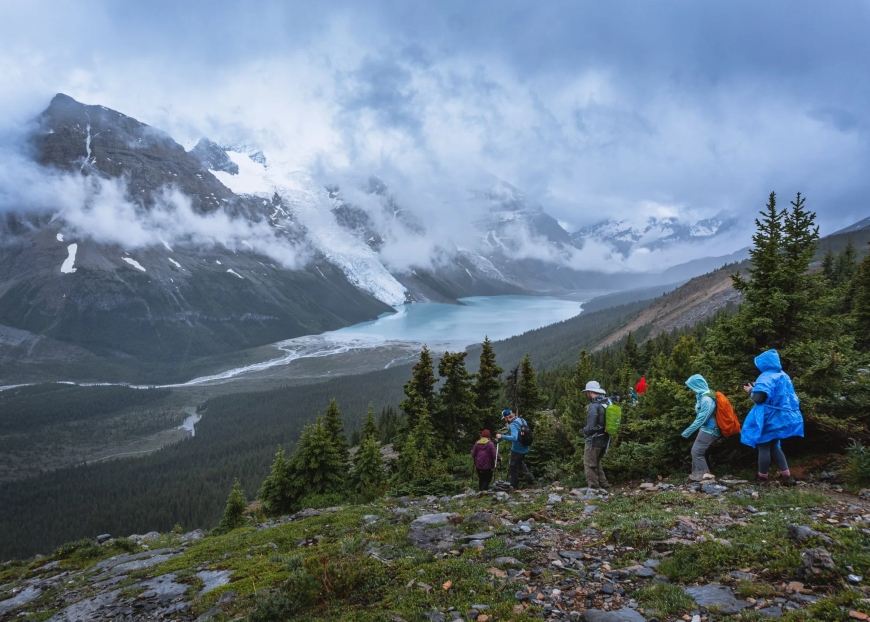
Table of Contents
- Introduction: A Legend Returns
- What Happened to the Berg Lake Trail?
- The Comeback: A Trail Rebuilt Better Than Before
- What Makes the Berg Lake Trail So Special?
- The Route: A Section-by-Section Journey
- Beyond Berg Lake: The Day Hikes That Seal the Deal
- Permits and Reservations: What You Need to Know
- Best Time to Hike the Berg Lake Trail
- Essential Tips for First-Time Hikers
- Why You Should Go Now
- Final Thoughts
-
Introduction: A Legend Returns
Ask any serious backpacker in Canada to name the country's most spectacular multi-day trails, and one name comes up again and again: the Berg Lake Trail. Tucked into Mount Robson Provincial Park in British Columbia, this legendary route leads hikers through temperate rainforest, past thundering waterfalls, and up into a glacier-carved alpine world crowned by the tallest peak in the Canadian Rockies.
For four long years, that experience was out of reach. A catastrophic flood in the summer of 2021 tore through the valley, destroying bridges, submerging campsites, and forcing the closure of one of the most beloved backcountry routes in North America.
Now, the wait is over. After a massive multi-year reconstruction effort, the entire Berg Lake Trail is open once again rebuilt, rerouted in places, and arguably better than it has ever been. A whole generation of hikers who missed their chance is now flooding back, and a new generation is discovering it for the first time.
If this trail has ever been on your bucket list, this is your moment. Here's everything you need to know about the return of Canada's most jaw-dropping backpacking trail and why you should start planning your trip now.
-
What Happened to the Berg Lake Trail?
In July 2021, an extreme flooding event swept through Mount Robson Provincial Park. Swollen by intense rain and rapid snowmelt, the Robson River burst its banks with devastating force. Bridges were washed away, long sections of trail simply disappeared, campgrounds were submerged, and hikers on the trail had to be evacuated.
The damage was so severe that a quick patch-up was never an option. BC Parks made the decision to close the trail beyond Kinney Lake entirely and undertake a full-scale rebuild — one designed not just to restore what was lost, but to make the trail far more resilient against the kind of extreme weather events that climate change is making more frequent in the Rockies.
For the hiking community, the closure left a genuine void. The Berg Lake Trail had been drawing nearly 20,000 backcountry hikers and campers every year from all over the world. Local communities like Valemount and McBride, whose economies lean heavily on park visitors, felt the absence deeply.
-
The Comeback: A Trail Rebuilt Better Than Before
The reconstruction unfolded in three carefully planned phases over four years.
Phase 1 tackled the first stretch from the trailhead parking lot to Kinney Lake, which reopened in 2023 for day hiking and overnight camping. Phase 2 covered the section from Kinney Lake to Whitehorn Campground, reopening in 2024 with a rerouted path and brand-new bridges. Phase 3 the most ambitious stage rebuilt the dramatic upper section from Whitehorn all the way to Berg Lake and Robson Pass, with significant trail realignment designed to keep the route out of the flood plain wherever possible.
On June 26, 2025, the full trail officially reopened for the first time since the flood, and the response was immediate. Reservations were snapped up within minutes, and the trail's first full season back saw hikers arriving from across Canada and around the globe.
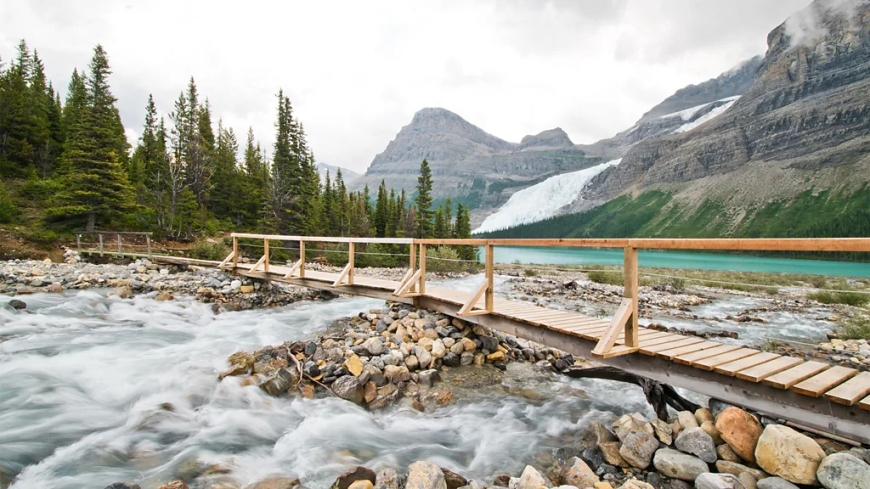
The rebuilt trail includes new engineered bridges, retaining walls, upgraded campgrounds, and even a memorable boulder-hopping section near Berg Lake's outlet where the route crosses the river flats over carefully placed rocks, a stretch many returning hikers say adds a genuine sense of wilderness adventure to the journey.
The result is a trail that keeps everything that made the original iconic while quietly fixing its vulnerabilities. It's a comeback story worthy of the landscape itself.
-
What Makes the Berg Lake Trail So Special?
Plenty of trails have great views. Very few pack this much variety and drama into a single route.
The Berg Lake Trail runs roughly 22 to 23 kilometres one way, climbing around 800 metres from the trailhead to the shores of Berg Lake. Over that distance, the landscape transforms completely and repeatedly.
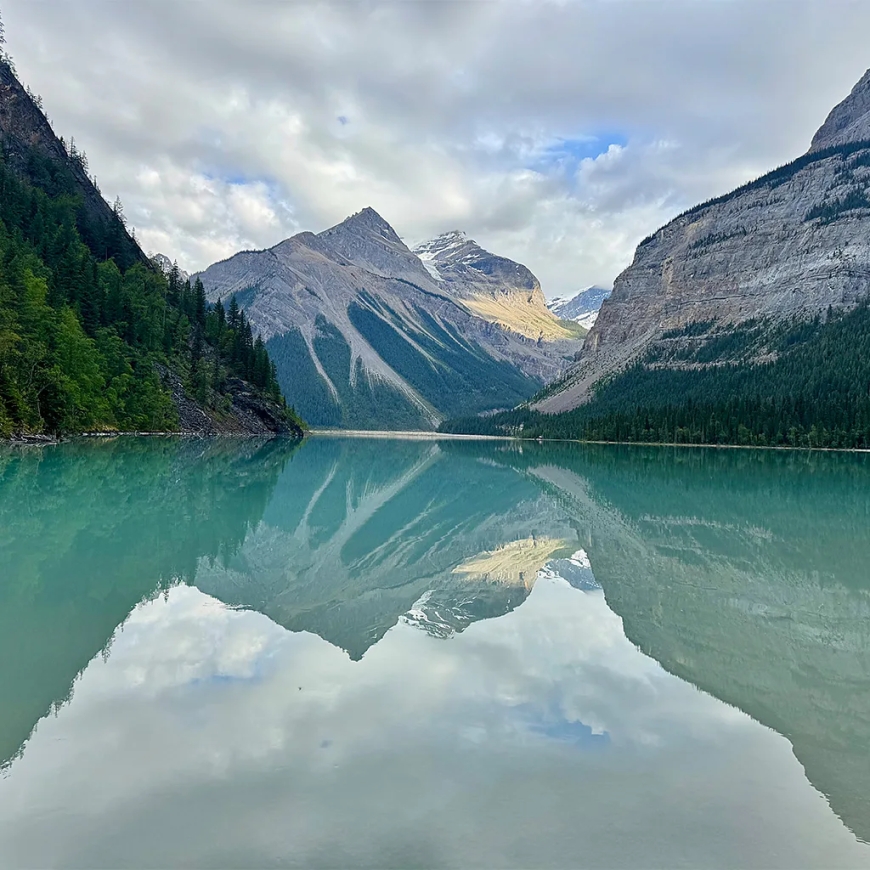
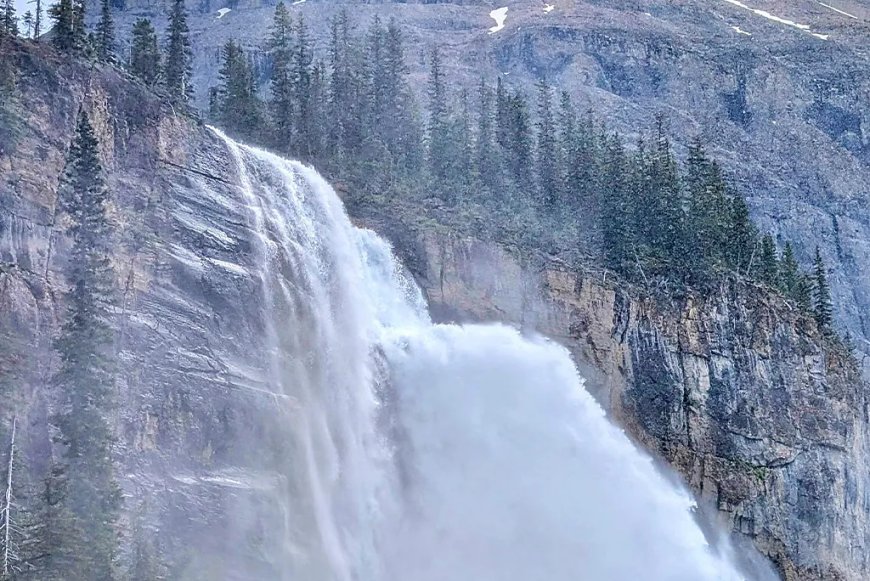
You begin in lush, temperate rainforest, walking beneath towering cedar and hemlock beside the roaring, milky-blue Robson River. Then comes Kinney Lake, a body of water so intensely turquoise it hardly looks real. From there, the trail climbs into the aptly named Valley of a Thousand Falls, where waterfalls pour down the valley walls from every direction, culminating in the showstopper: Emperor Falls, a colossal cascade that thunders down in a permanent cloud of mist.
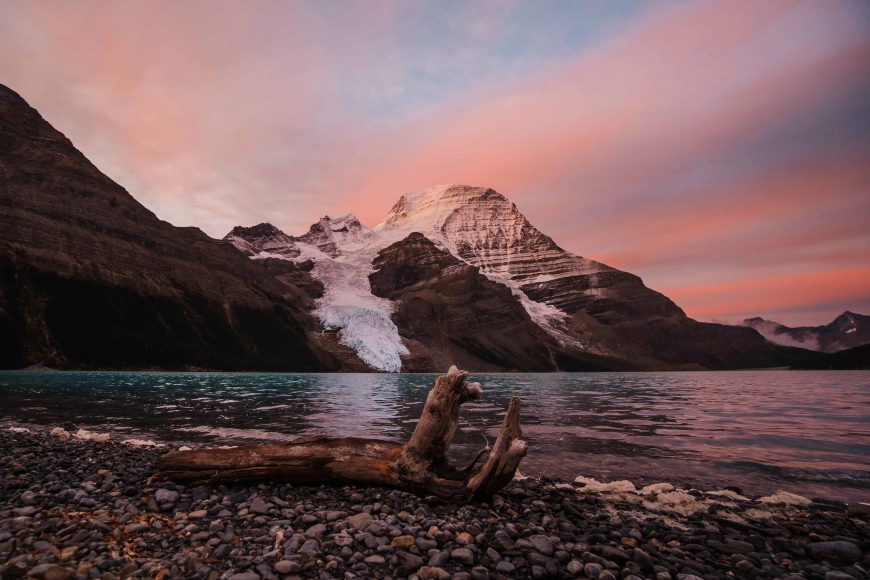
And then the grand finale. The trail levels out and delivers you to Berg Lake itself a glacier-fed alpine lake of surreal colour, backed by the enormous north face of Mount Robson, the highest peak in the Canadian Rockies at 3,954 metres. The Berg Glacier spills directly down the mountainside into the lake, actively calving chunks of ice into the water. On a quiet morning, you can sometimes hear the glacier crack and groan across the stillness. Yes, there are real icebergs floating in the lake. That's how it got its name.
Rainforest, turquoise lakes, waterfall valleys, glaciers, and Canada's rooftop peak all in a single trail. That's why hikers travel from around the world for this one.
-
The Route: A Section-by-Section Journey
Trailhead to Kinney Lake (approx. 4.5–7 km). The gentlest part of the trip. The path is wide, well graded, and follows the Robson River through beautiful forest. This section is popular with day hikers and families, and on clear days you'll catch your first glimpses of Mount Robson's summit.
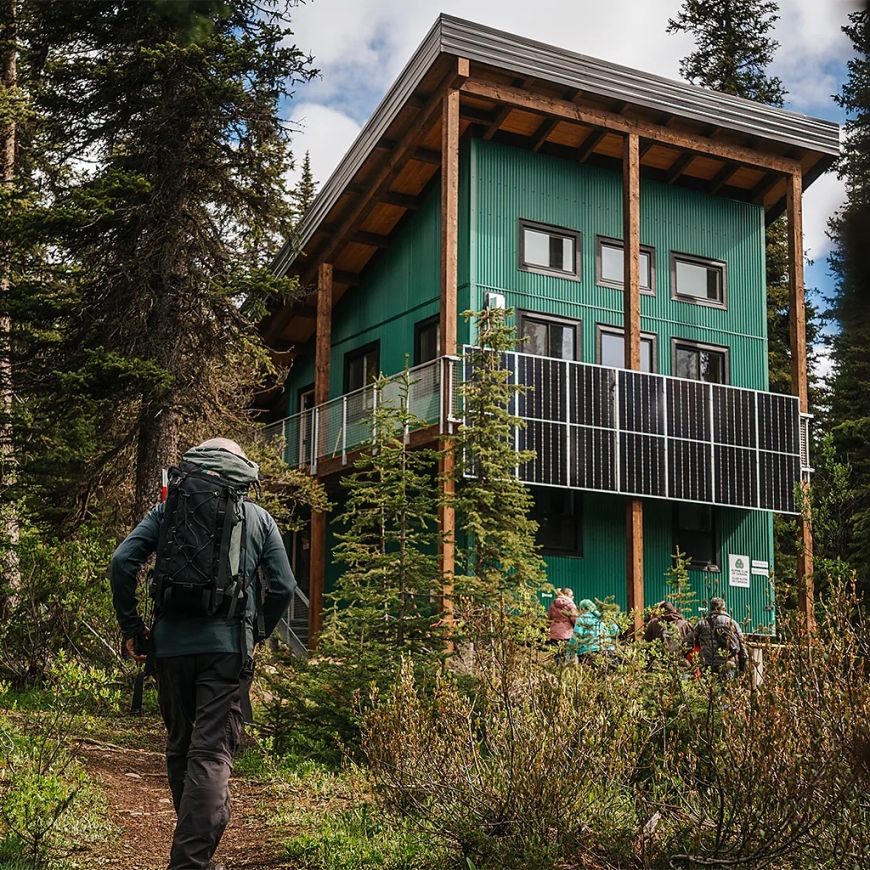
Kinney Lake to Whitehorn Campground (approx. 11 km mark). The trail winds around Kinney Lake and through rerouted forest sections before arriving at Whitehorn Campground, the largest on the trail with over 20 tent pads, set right beside the river with views into the Valley of a Thousand Falls. A newly rebuilt bridge marks your arrival.
Whitehorn to Emperor Falls (the big climb). This is where the trail earns its reputation. A steep series of switchbacks carries you up through the Valley of a Thousand Falls, passing White Falls and Falls of the Pool along the way. It's demanding but every switchback rewards you with another cascade. Emperor Falls, near the top, is the emotional high point of the ascent, blasting mist across the trail in a scene you'll never forget.
Emperor Falls to Berg Lake (the payoff). The gradient eases, the trees thin, and suddenly the alpine world opens up. Mount Robson's glaciated north face fills the horizon. You'll cross the rebuilt rock-hop section near the lake's outlet, and then Berg Lake stretches before you turquoise water, floating ice, and one of the greatest mountain backdrops on the continent.
Seven campgrounds are spaced along the route, letting you break the hike into a comfortable two, three, or four-day itinerary. Berg Lake Campground and Robson Pass, at the far end, are the most coveted spots.
-
Beyond Berg Lake: The Day Hikes That Seal the Deal
Reaching Berg Lake isn't the end of the adventure for many hikers, it's the beginning. Basing yourself at one of the upper campgrounds for an extra night or two unlocks a network of side trails that rank among the finest day hikes in the Rockies.
Snowbird Pass is the crown jewel: a challenging out-and-back route that climbs alongside the Robson Glacier to a high alpine pass with staggering views over an ocean of ice and rock. Many who complete it call it the single best day hike they've ever done.
Hargreaves Lookout and Hargreaves Lake offer a shorter climb with a postcard-perfect elevated view of Berg Lake and Mount Robson, the classic photo you've seen on every Canadian hiking blog.
Toboggan Falls and Mumm Basin provide more waterfalls, wildflower meadows, and bird's-eye panoramas over the entire valley.
If your schedule allows, plan three or more nights on the trail. You won't regret it.
-
Permits and Reservations: What You Need to Know
Here's the honest truth: demand for this trail is fierce, and it has only intensified since the reopening. Overnight camping along the Berg Lake Trail requires a reservation during the main season, which runs from late May through the end of September.
Unlike most BC Parks backcountry sites, Berg Lake Trail reservations are released all at once on a single day, typically announced only a week or two in advance in late autumn or early winter for the following summer. When that day comes, campsites across the entire season become bookable at 7 a.m. Pacific time through the BC Parks reservation system, and the most popular dates and campgrounds vanish within minutes.
To give yourself the best shot:
- Create your BC Parks account well before reservation day and familiarise yourself with the booking system.
- Follow BC Parks and Mount Robson Provincial Park on social media so you don't miss the announcement.
- Have your itinerary planned in advance, plus a backup option or two.
- If you're hiking as a group, have every member log in and try simultaneously multiple attempts mean multiple chances.
- Check back 15–20 minutes after launch; abandoned carts often release spots back into the pool.
Fees are refreshingly reasonable, a small per-tent reservation fee plus nightly backcountry camping fees per person. On arrival day, you'll check in at the Mount Robson Visitor Centre to collect your permit tag before hitting the trail. Day hiking, notably, requires no permit at all and strong hikers do tackle the full return trip to Berg Lake in a single (very long) day.
-
Best Time to Hike the Berg Lake Trail
The core hiking season runs from late June to late September. Because Mount Robson is the tallest mountain in the Canadian Rockies, snow lingers on the trail well into early summer and returns early in autumn.
- Late June to early July: The trail is freshly open, waterfalls are at maximum flow from snowmelt, but higher side trails may still hold snow.
- Mid-July to mid-August: The sweet spot. Warm days, accessible side trails, and wildflowers in the alpine meadows. This is peak season, so competition for permits is at its highest.
- September: Cooler and quieter, with crisp air, golden larch-season light, and slightly better permit availability. Nights can dip below freezing, so pack accordingly.
Weather at Berg Lake is famously changeable sunny 25-degree afternoons can give way to near-freezing nights, and snow is possible in any month. Layers are non-negotiable.
-
Essential Tips for First-Time Hikers
Train for the climb. The ascent from Whitehorn to Emperor Falls is steep and sustained. Arrive with some hill fitness and your experience will be dramatically better.
Pack for four seasons. Warm sleeping bag, insulated jacket, rain shell, and sun protection, you may need all of them in a single day.
Respect bear country. Both black bears and grizzlies live in the park. Carry bear spray, know how to use it, and store all food in the lockers provided at campgrounds.
Book more nights than you think you need. A rushed two-day itinerary gets you to the lake and back, but the side trails are half the magic.
Bring a camera with real battery life. You will take more photos on this trail than almost anywhere else you've ever hiked.
Leave no trace. This trail was lovingly rebuilt by hundreds of hands over four years. Honour that effort by packing out everything you bring in.
-
Why You Should Go Now
So why the urgency? A few reasons.
First, the trail is in the best condition of its existence. Fresh bridges, upgraded campgrounds, thoughtfully rerouted sections, you're experiencing the route at its absolute peak, before decades of boot traffic wear it in.
Second, this is a rare cultural moment in Canadian hiking. The reopening has an energy about it, celebration events at the trailhead, park ambassadors running programmes through the summer, and a shared sense among hikers that they're part of a comeback story. That collective excitement won't last forever.
Third, and more soberingly: the 2021 flood was a reminder that landscapes like this are not guaranteed. Glaciers are receding across the Rockies, and extreme weather is reshaping the backcountry faster than ever. The Berg Glacier still calves icebergs into Berg Lake today. Nobody can promise what the scene will look like in twenty years.
The mountains will always be there. The exact magic of this moment might not be.
-
Final Thoughts
The Berg Lake Trail isn't just back, it's back with a story. A trail that was nearly lost to the elements has been painstakingly returned to the hikers of the world, stronger and smarter than before. The rainforest still glows green, Emperor Falls still thunders, and Mount Robson still towers over a turquoise lake dotted with ice.
Few backpacking trips anywhere on Earth deliver this much beauty per kilometre. Fewer still come wrapped in a comeback story this good.
Mark the reservation date. Train your legs. Pack your bear spray. Canada's most jaw-dropping backpacking trail is waiting and there has never been a better time to answer the call.
What's Your Reaction?
 Like
0
Like
0
 Dislike
0
Dislike
0
 Love
0
Love
0
 Funny
0
Funny
0
 Wow
0
Wow
0
 Sad
0
Sad
0
 Angry
0
Angry
0

A spirit that pursues sunsets and tales. Entrepreneur at heart, globe-trotter by soul. Founder of an art-worshiping jewelry brand that embodies emotion & individuality — where each piece is a tale of culture, craft, and character. From trails up mountains to gem markets, I'm inspired by all journeys — transforming wanderlust into enduring design. Establishing a brand built on authenticity, refinement & purpose — one work at a time.













Comments (0)