





























































Gold, Jaguars & Endangered Eden: A Trekker's Guide to Costa Rica's Wildest Trails
Planning a trek in Costa Rica? Always book park permits and guides in advance, especially for Corcovado and Chirripó. Travel during shoulder seasons (November or April–May) to balance good conditions with lower visitor numbers. And whatever trail you choose, walk slowly, look closely, and remember that you are a guest.
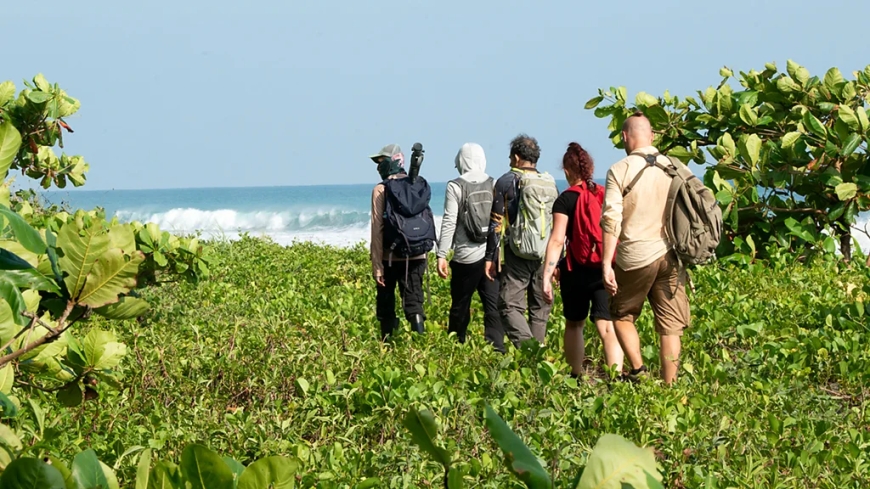
Table of Contents
- Why Costa Rica Is the Last True Wilderness Frontier
- The Gold Connection: Pre-Columbian History on the Trail
- Corcovado National Park: Where Jaguars Still Roam
- Chirripó: Summit of the Clouds
- Tortuguero: Trekking Through a Liquid Jungle
- La Amistad International Park: The Forgotten Giant
- Rincon de la Vieja: Fire, Mud & Volcanic Grit
- Essential Wildlife You'll Encounter on the Trai
- Conservation Crisis: What Every Trekker Should Know
- Practical Trekking Guide: Getting In, Getting Ready
- Responsible Trekking in Endangered Ecosystems
- Final Thoughts: Walk Slowly, Look Closely
-
Why Costa Rica Is the Last True Wilderness Frontier
There is a moment, somewhere deep inside the Osa Peninsula, where the forest closes in so completely around you that the rest of the world ceases to feel real. The canopy above is layered like cathedral ceilings, dripping with bromeliads and strangler figs. Somewhere in the middle distance, a scarlet macaw cuts through the green. And if you stand still long enough, if you breathe slowly and resist the urge to reach for your phone, you might hear something that stops your heart: the low, guttural moan of a jaguar marking its territory.
This is not a zoo. This is not a national park experience designed for Instagram. This is one of the few places left on Earth where apex predators, pre-Columbian gold, ancient forests, and endangered ecosystems exist within a single day's hike of each other.
Costa Rica covers just 0.03% of the Earth's surface, yet harbours approximately 6% of the world's biodiversity. That number, which scientists and conservation organisations repeat often, still doesn't fully prepare you for the reality on the ground. Trekking here is not like trekking anywhere else. The trails are alive in a way that feels almost aggressive vines reclaim paths overnight, rivers shift after a single night of rain, and wildlife appears not as a highlight, but as a constant, humbling backdrop.
For the serious trekker, this is both the appeal and the challenge. You are not a visitor here. You are a temporary guest in an ecosystem that existed long before humans arrived, and will exist, if we let it, long after.
-
The Gold Connection: Pre-Columbian History on the Trail
Before the first Spanish galleon arrived on these shores, the Diquís people were casting gold into spheres so perfect that their geometry still baffles metallurgists today. These mysterious stone spheres known as Las Bolas, dot the Osa Peninsula like forgotten gods, and the gold work associated with the region's pre-Columbian cultures is among the most sophisticated in the ancient Americas.
The Museo del Oro in San José holds a jaw-dropping collection of these artefacts: frog figurines, pendants, ceremonial discs. But the real pilgrimage for the historically-minded trekker is to walk the Osa Peninsula itself, where many of these objects were discovered. Some were found buried along jungle trails. Others were unearthed near river bends, deep in what is now Corcovado National Park.
Walking these trails with that history in mind changes everything. You are not just moving through forest. You are moving through the landscape that a sophisticated, nature-embedded civilisation called home. The rivers you cross were their highways. The ridgelines you summit were their lookouts. And the gold those extraordinary animal figurines and ceremonial objects, reflected a worldview in which the natural world was not merely backdrop but absolute centre.
The Spanish, of course, came for that gold. They got some of it. But what they never managed to extract and what still remains is the living gold of these forests: the biodiversity, the ancient trees, the rivers heavy with sediment and life.
That living gold is what you are walking toward.
-
Corcovado National Park: Where Jaguars Still Roam
Best for: Serious multi-day trekkers, wildlife photographers, and anyone who wants to say they walked through one of the most biodiverse places on Earth.
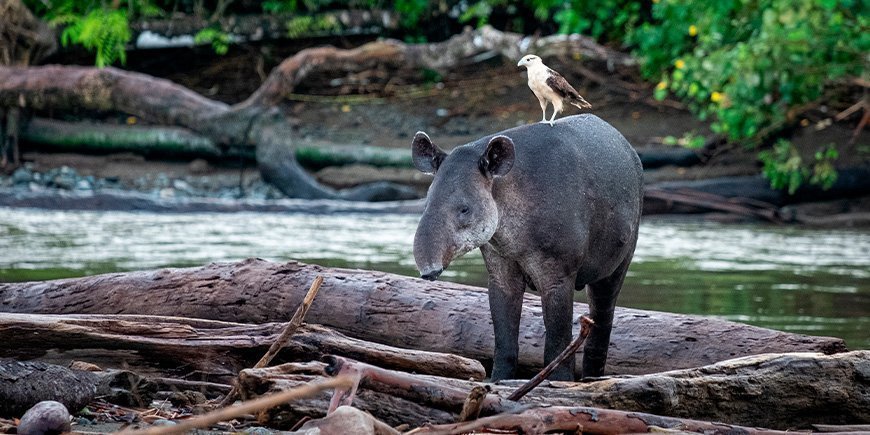
National Geographic once called Corcovado "the most biologically intense place on Earth," and decades later, the label still sticks. Covering over 400 square kilometres of primary rainforest on the Osa Peninsula, Corcovado is home to all four of Costa Rica's monkey species, two species of crocodile, tapirs, peccaries, poison dart frogs, and crucially one of Central America's last stable jaguar populations.
The main trekking route runs between San Pedrillo ranger station in the north and La Leona in the south, with Los Patos station providing an inland entry point. The full circuit takes three to five days depending on your pace and the weather, and you will need a certified guide, a non-negotiable park requirement that also happens to be one of the best decisions you'll make.
The Sirena Trail is the centrepiece: a 23-kilometre stretch through primary forest that deposits you at Sirena Biological Station, a research outpost on the Pacific coast. The station itself is extraordinary scientists from around the world base themselves here, and the surrounding beaches are where you're most likely to spot tapirs grazing at dusk or scarlet macaws in their hundreds descending on almond trees.
Trail conditions vary dramatically by season. The dry season (December to April) makes for faster progress on firmer ground, but the wet season (May to November) is when the forest is loudest, greenest, and most alive. River crossings are unavoidable in either case; some involve wading thigh-deep with your pack hoisted above your head.
Jaguar sightings are rare but not impossible. Dawn and dusk near Sirena are your best windows. What's more likely and almost equally thrilling are paw prints in the river mud, scratch marks high on cecropia trees, and the particular silence that falls over the forest when a large predator moves nearby.
-
Chirripó: Summit of the Clouds
Best for: High-altitude trekkers, those seeking panoramic views, and anyone wanting a physically demanding summit experience.
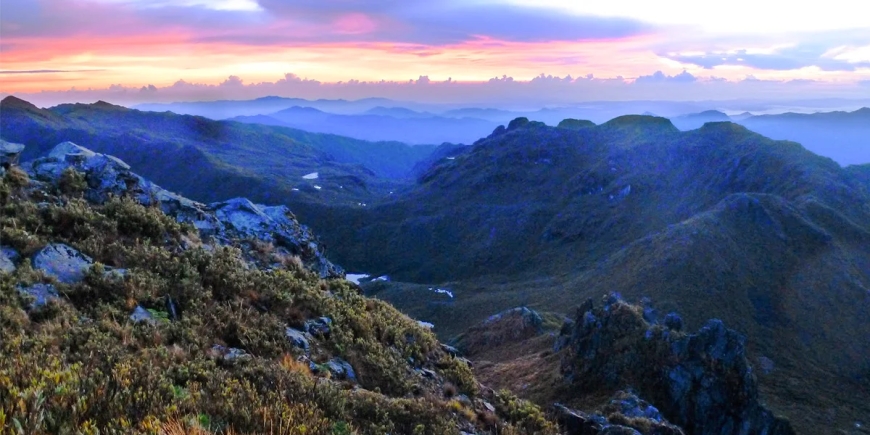
At 3,821 metres, Cerro Chirripó is the highest peak in Costa Rica and the highest point in Central America outside of Guatemala. The trail to the summit begins in the mountain town of San Gerardo de Rivas and climbs through a remarkable series of climate zones from cloud forest to páramo, the high-altitude grassland ecosystem that exists in isolation here, thousands of kilometres from the Andes where it is more commonly found.
The standard route covers roughly 19 kilometres one way, with most trekkers spending a night at the Crestones Base Lodge at 3,400 metres before pushing for the summit at dawn. The lodge is basic but functional bunk beds, shared bathrooms, and a kitchen where you can heat food purchased from the park entrance. Permits are required and sell out months in advance, so booking early is essential.
The climb itself is relentless but deeply rewarding. Above the treeline, the world opens up dramatically. On clear mornings, you can see both the Pacific and Caribbean coasts simultaneously one of the few places on Earth where that is possible. The summit plateau is studded with glacial lakes, their surfaces still at dawn and perfectly reflective.
Chirripó is not just a physical challenge. The ecological transition it represents from lowland rainforest through cloud forest to alpine páramo is a compressed version of what it would take weeks to experience hiking from the equator toward a mountain range in South America.
-
Tortuguero: Trekking Through a Liquid Jungle
Best for: Birdwatchers, sea turtle enthusiasts, and trekkers who want a different pace, one set by waterways rather than footpaths.
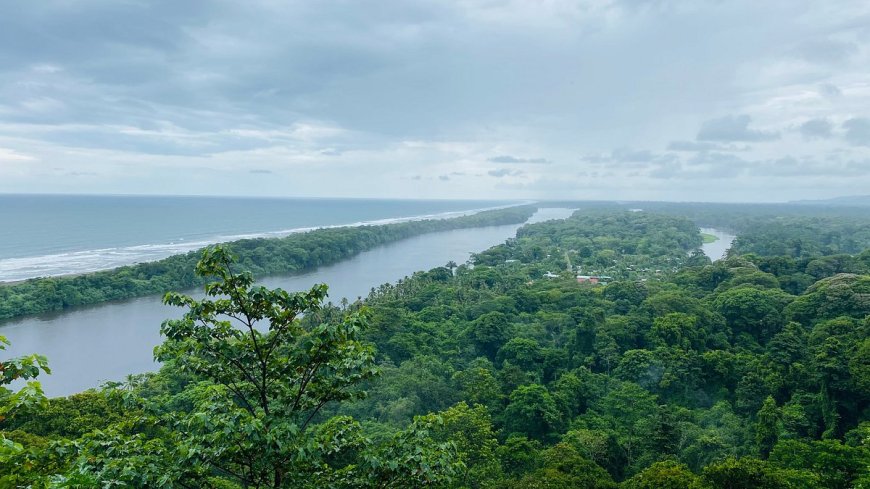
Tortuguero, on Costa Rica's Caribbean coast, is not a traditional trekking destination. There are no mountain passes here, no summit rewards. What there is, instead, is an extraordinary network of canals and jungle waterways that constitute one of the most important sea turtle nesting sites in the Western Hemisphere.
Walking the trails here requires rubber boots, the ground is perpetually saturated, and the mud is the kind that tries to keep your footwear when you lift your foot. But this inconvenience is entirely beside the point. The forest on either side of these waterlogged paths is ancient, dense, and ecologically intact in a way that is increasingly rare on the Caribbean coast.
From July to October, leatherback, green, and hawksbill turtles haul themselves up the dark sand beaches at night to nest. Guided night walks along the beach are one of the most moving wildlife experiences available anywhere in the tropics, a 300-kilogram leatherback, her ancient eyes catching no light at all, digging her nest with a patience that predates human civilisation by millions of years.
-
La Amistad International Park: The Forgotten Giant
Best for: Experienced, self-sufficient trekkers seeking true wilderness and zero tourist infrastructure.
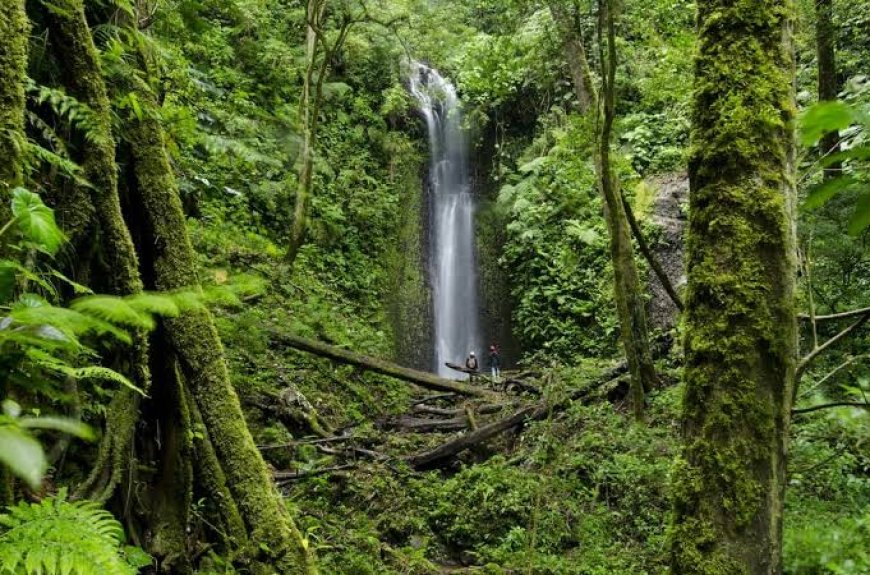
La Amistad is Costa Rica's largest national park and part of a UNESCO World Heritage Site shared with Panama. It covers over 400,000 hectares of mountainous terrain, and it is, by almost every metric, the least-visited major protected area in the country.
This is a place for serious adventurers only. Trails are poorly marked, infrastructure is minimal, and the terrain is genuinely demanding this is not Corcovado with its established ranger stations and regular ranger patrols. What La Amistad offers in return is something increasingly hard to find: absolute, overwhelming solitude in one of the Western Hemisphere's last great intact forest blocks.
The park is home to the highest concentration of endemic species in Costa Rica, and its altitude range from lowland Caribbean forest all the way to subalpine zones above 3,000 metres, means that its biodiversity is stacked vertically as well as horizontally.
Access is primarily through the village of Las Tablas or the Indigenous communities near Ujarrás. Working with local Indigenous guides is not just recommended here, it is essential. These communities have managed this landscape for centuries, and their knowledge of the terrain, the wildlife, and the seasonal rhythms of the forest is encyclopaedic.
-
Rincon de la Vieja: Fire, Mud & Volcanic Grit
Best for: Geologically curious trekkers, those interested in active volcanic landscapes, and hikers who want something visually dramatic.
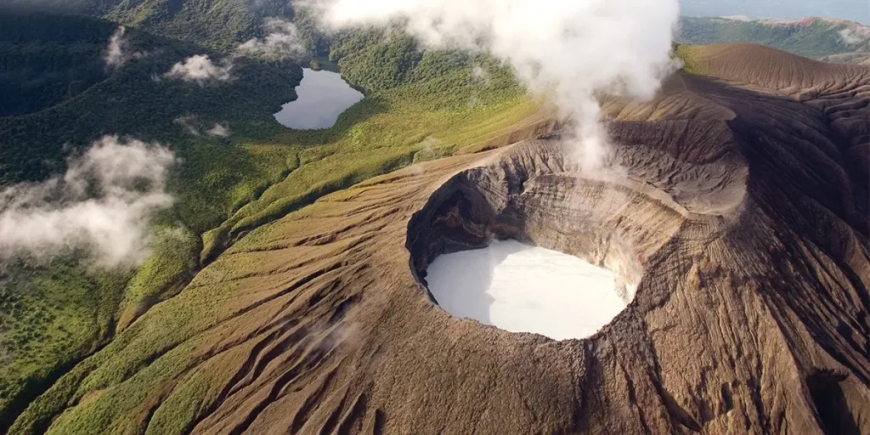
In the northwestern province of Guanacaste, Rincon de la Vieja volcano rises above a landscape of dry tropical forest, hot springs, and bubbling mud pools. The Las Pailas trail, a six-kilometre loop from the park's main entrance passes fumaroles venting sulphurous steam, boiling mud pots, and a small waterfall that drops into a pool stained turquoise by dissolved minerals.
This is trekking through an active volcanic system, and the drama is constant. The ground occasionally trembles. The air smells of sulphur. Bright orange patches of mineral-stained earth break through the forest floor. And above it all, the volcano itself is currently one of Costa Rica's most active, sends occasional plumes of ash drifting across the ridgeline.
Longer trails within the park lead to the summit crater and pass through some of Guanacaste's last remaining cloud forest fragments, now critically important refuges as the surrounding lowland forests have been heavily converted to agriculture and cattle ranching.
-
Essential Wildlife You'll Encounter on the Trai
Costa Rica's wildlife density means that nearly every trail, regardless of location, delivers sightings that would be considered extraordinary anywhere else. Here is what to expect:
- Jaguars and pumas — Corcovado and La Amistad; most likely at dawn/dusk near water sources
- Tapirs — Corcovado's Sirena sector; often spotted on beaches at dusk
- Scarlet Macaws — Osa Peninsula and Carara; often in large, noisy flocks
- Resplendent Quetzal — Cloud forests of San Gerardo de Dota; breeding season is March–April
- Poison Dart Frogs — Anywhere there is primary rainforest and leaf litter
- White-lipped Peccaries — Travel in herds of 100+; give them space
- Fer-de-lance — Costa Rica's most dangerous snake; always watch where you step
-
Conservation Crisis: What Every Trekker Should Know
Costa Rica's reputation as an environmental success story is real, but it requires context. The country has indeed increased its forest cover from roughly 20% in the 1980s to over 55% today, a genuine conservation achievement. But the forests that survive face mounting pressure from agricultural encroachment, illegal logging at the fringes of protected areas, and the insidious creep of climate change, which is altering rainfall patterns in ways that threaten the cloud forest ecosystems of Chirripó and the Monteverde region.
Jaguar populations, while holding in Corcovado, remain under pressure from habitat fragmentation beyond the park boundaries. The Osa Peninsula corridor, the biological connection between Corcovado and the broader regional forest network is narrowing.
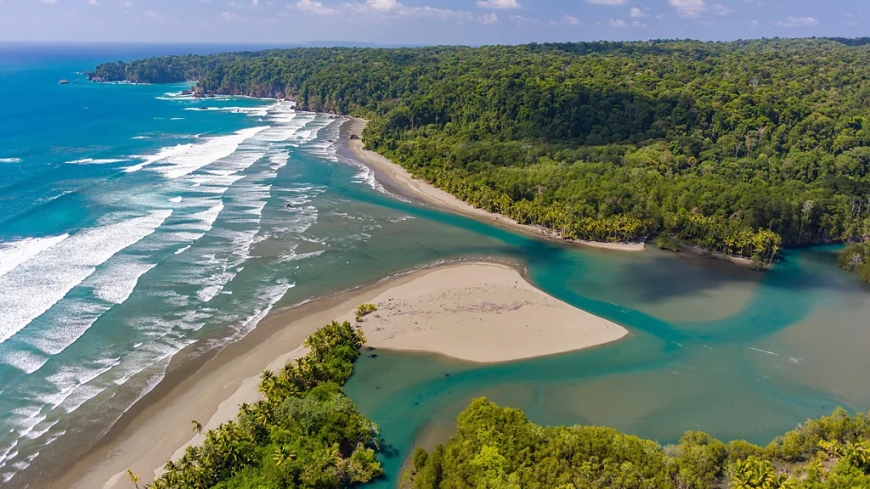
Sea turtle nesting beaches face both climate threats (rising temperatures affect the sex ratio of hatchlings) and ongoing poaching pressure, particularly for hawksbill turtles.
As a trekker, you are part of this story. The money you spend on park permits, certified guides, community-run lodges, feeds directly into the economic argument for conservation rather than conversion.
-
Practical Trekking Guide: Getting In, Getting Ready
Best Trekking Season: December to April (dry season) for easier trail conditions; May to November for lush forests and fewer crowds.
Fitness Level Required:
- Corcovado: High (long distances, river crossings, humidity)
- Chirripó: High (altitude, distance, cold nights)
- Rincon de la Vieja: Moderate
- Tortuguero: Easy to Moderate
Essential Gear:
- Waterproof hiking boots (non-negotiable)
- Lightweight rain jacket
- Dry bags for electronics and documents
- DEET-based insect repellent
- Water purification tablets or a filter
- Headlamp with spare batteries
- Trekking poles for river crossings
Permits and Guides: All national parks require paid entrance. Corcovado mandates a certified guide for all trails. Chirripó requires advance permit booking (often months ahead). La Amistad strongly recommends local Indigenous guides.
Health Considerations: Consult a travel medicine clinic before visiting. Dengue fever is present year-round; malaria risk exists in some remote areas. Leptospirosis is a risk around river crossings, cover any cuts before entering water.
-
Responsible Trekking in Endangered Ecosystems
The phrase "leave no trace" was not invented with Corcovado in mind, but it could have been. In a forest this sensitive, the accumulated impact of thousands of trekkers adds up in ways that are not always immediately visible.
A few principles worth internalising before you lace up:
Stay on marked trails. Off-trail movement in primary rainforest causes root compaction and disrupts the leaf litter layer that hundreds of species depend on for habitat and food.
Never feed wildlife. A white-faced capuchin that learns to associate humans with food becomes a problem animal and problem animals in national parks end up euthanised.
Hire local guides. Beyond the legal requirement in some parks, local guides know this terrain intimately, provide critical livelihoods to surrounding communities, and dramatically increase your chances of seeing wildlife you would otherwise walk past.
Support community-based accommodation. The economic logic of conservation only holds if the communities adjacent to protected areas benefit from it. When you choose a community-run lodge over a distant-owned resort, you are making a conservation choice as much as a hospitality one.
-
Final Thoughts: Walk Slowly, Look Closely
There is a particular kind of traveller who comes to Costa Rica's wildest trails and spends the whole time rushing — trying to cover maximum distance, hit every viewpoint, photograph every species. And there is another kind who sits down on a root beside a river at ten in the morning and watches a column of leaf-cutter ants for twenty minutes, and comes away understanding something that no guidebook can explain.
The gold that drew the Spanish here was always the wrong kind of gold. The real wealth was and remains the living complexity of these ecosystems: the intricate, ancient relationship between jaguar and peccary, between sea turtle and ocean current, between forest and cloud.
Walking these trails, you are moving through that wealth. Treat it accordingly.
What's Your Reaction?
 Like
0
Like
0
 Dislike
0
Dislike
0
 Love
0
Love
0
 Funny
0
Funny
0
 Angry
0
Angry
0
 Sad
0
Sad
0
 Wow
0
Wow
0