

Flash Floods and Landslides Ravage Arunachal Pradesh: Full Story, Latest Updates & Rescue Efforts
Flash floods and landslides have caused widespread damage across Arunachal Pradesh. Read the full story, latest updates, affected districts, rescue operations, weather warnings, and government relief efforts.

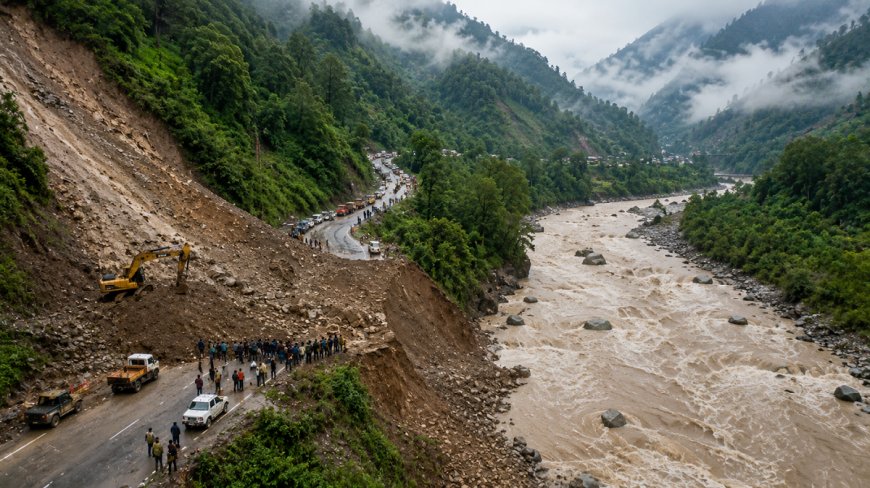
Flash floods and landslides have turned life upside down in Arunachal Pradesh this monsoon. Days of relentless rain have battered the state; roads broken, villages cut off, and rivers rising far above danger marks. It’s one of the toughest seasons people here have seen in years.
Thousands are struggling. Homes have gone under. Basic services are out. Getting around is nearly impossible with bridges destroyed and mountain roads washed away. For many living in remote pockets, help took time to reach; and, in some places, access just isn’t there.
Rescue teams are out there, working long hours. Meanwhile, weather experts are watching closely. Here’s a look at what’s unfolded so far, which areas are suffering the most, and what’s being done on the ground.

What Happened in Arunachal Pradesh?
It started with days of heavy, unbroken rain. Rivers and mountain streams swelled in no time and poured over their banks. The waterlogged slopes just couldn’t hold, so landslides started hitting village after village. In some districts, whole stretches of road simply disappeared overnight.
Electricity went down in several spots. Phone and internet lines followed. Flash floods in the lowlands happened almost instantly, leaving people scrambling with little warning.
It’s this combo; steep mountain roads, fragile terrain, and nonstop rain; that turned a bad monsoon into a disaster.

Why Is Arunachal Pradesh Vulnerable to Flash Floods and Landslides?
Well, look at the map. Arunachal Pradesh sits in the lap of the Himalayas. The mountains are steep, the rivers are everywhere, and rainfall can get intense; even in an average year.
On top of that, a lot of people live in remote settlements, connected by narrow, winding roads that aren’t built for this kind of weather. When rain pounds the hills for days, the land turns unstable and landslides follow. River levels can jump in hours, and flash floods turn the usual streams into raging torrents.
Climate scientists have warned about this. These heavy monsoon bursts are happening more often now, especially across the hills.
Districts Most Affected by the Disaster
Itanagar, Papum Pare, East and West Kameng; these are just some of the districts that have taken the brunt. Lower Subansiri, Kurung Kumey, Dibang Valley, Siang, Changlang, and Lohit haven't been spared either. The list goes on.
Roads that once connected small communities aren’t usable now. Many families have been left without any way to get out or to ask for help.
Roads and Transportation: Cut Off
Transport has been hit the hardest. Landslides blocked highways, bridges gave way, and long stretches of mountain roads simply vanished beneath the mud and water. Even getting rescue vehicles down these tracks is a huge challenge right now.
With main roads closed, sending food, water, and medical help to the interior gets much tougher. Crews are working non-stop, using whatever equipment is available, to clear what they can.

Life in the Villages
For people living in these far-flung villages, it’s a nightmare. Homes are flooded, and belongings have been washed away. Many lost crops and livestock. Clean drinking water has run short.
Despite all this, lots of locals; and volunteers; have pitched in to move people to safer spots and set up makeshift shelters. It’s far from easy, but everyone is doing what they can.
Rescue in Action
Teams from the state disaster agency, police, and district staff have come together for rescue and relief. Their priorities? Move people out of risky zones, distribute food and water, provide medical help, and try to get the roads open again.
They’re watching the most dangerous hills for any fresh signs of landslides, too. Right now, the goal is keeping people safe and getting at least basic supplies through.

NDRF on the Ground
The National Disaster Response Force is out there as well; helping with search and rescue, evacuations, and relief. Their experience in tackling landslides and floods is making a difference, especially as they coordinate with local teams.

Rain’s Not Over Yet
Meteorologists say the rain could keep coming in places that are already inundated. That’s caused plenty of anxiety about new landslides and river surges. Roads could get worse, so people in danger zones have been told to keep alert and check in with local authorities regularly.
No one’s letting their guard down; rescue teams are staying ready for anything.

Counting the Costs
It’s not just homes and farms taking a hit. Arunachal Pradesh faces a massive bill for fixing roads, bridges, and other infrastructure. Farmers have lost their harvest; small businesses are stalled; and tourism, which brings in vital income, is at a standstill.
For many, the toughest days might actually come in the rebuilding phase.
Is Climate Change to Blame?
Scientists are clear: extreme weather is hitting the Himalayan region more frequently these days. Warmer air holds more moisture, which can supercharge monsoon storms. No, not every heavy rain is purely climate change; but the trend is unmistakable. The need for better disaster planning and tougher infrastructure keeps growing.
What the Government’s Doing
Authorities have announced special relief and rehab measures; emergency help for displaced families, repair crews for roads and bridges, damage assessment teams, and camps for those who lost their homes. They’re warning people to avoid travel until the weather settles.
Community Guidelines
Stay tuned to official updates. Keep away from dangerous slopes, rivers, and flooded roads. Put together an emergency kit. Store important papers safely. Report any emergencies at once.
Above all, communities are being urged to work together and stay aware.
What’s Next?
The days ahead are crucial. The main jobs? Get roads open, get help to stranded places, and keep monitoring the weather. Staff and volunteers will be busy well after the water goes down; repairing, rebuilding, and picking up the pieces.
This whole ordeal is another reminder of how fragile mountain ecosystems really are when faced with intense rain. But Arunachal’s people aren’t new to hardship; they’re resilient, and so are the teams helping them through.
For now, the top priority is simple: save lives, help those affected, and build back with smarter, stronger systems for whatever comes next.
What's Your Reaction?
 Like
0
Like
0
 Dislike
0
Dislike
0
 Love
0
Love
0
 Funny
0
Funny
0
 Wow
0
Wow
0
 Sad
0
Sad
0
 Angry
0
Angry
0
















Comments (0)