

UK Government Investigation Into Chinese-Made Electric Buses: Why Remote Deactivation Risks Are Raising Red Flags
The UK government investigation into Chinese-made electric buses highlights growing concerns about remote deactivation, cybersecurity risks, and dependence on foreign technology.

Let's explore this story, which on the surface is one of transportation, but one that very quickly balloons into much greater dimensions. The UK is investigating whether hundreds of Chinese-made electric buses running on British roads could be remotely accessed or even shut down. While it sounds like the high-stakes plot of a political thriller, it does, in fact, represent a very real concern for those people handling national security and critical infrastructure.
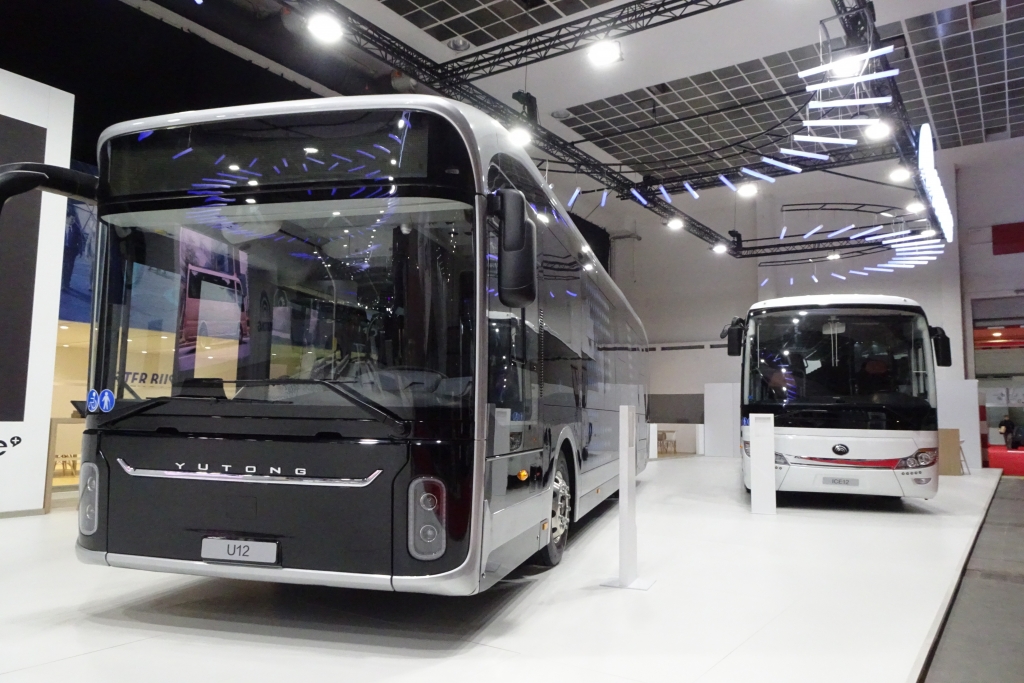 Image Credit: Sustainable Bus
But the fact is, electric buses are no longer just vehicles; they are software-intensive machines integrated with networks, maintenance systems, and digital dashboards. That means anything that can talk to the internet can become a potential entry point for misuse, which is precisely why this investigation is getting so much attention.
Why the UK is Taking This Seriously
The inquiry zeros in on whether the Chinese manufacturer of the buses, Yutong, can access the systems of their buses remotely. Most of the modern electric buses use remote diagnostics so that technicians can monitor their performance and update or fix issues without physically touching the vehicle. That is normal.
The question is, how far does this access go?
Well, if the manufacturer can change performance settings remotely or run diagnostics, couldn't that same connection be used to shut the buses down altogether? If the answer is yes, then this isn't a technical problem; this is a security issue, considering those buses operate in major cities and are moving around thousands of people on a daily basis.
British officials aren't pointing fingers at anybody. They're basically saying: Let's check before there's a problem. And with the stakes this high, that's a fair point.
The Trigger Behind the Probe
It's not that the UK just woke up one morning and questioned electric buses; this is a concern that has grown over time in Europe, especially as more countries learn about how deeply foreign-made tech is embedded within their infrastructure.
But popular for their affordability, reliability, and speed of deployment, many Yutong buses out there have remote access features. These are meant to be useful: fleet managers love them because they make maintenance easier and keep buses online.
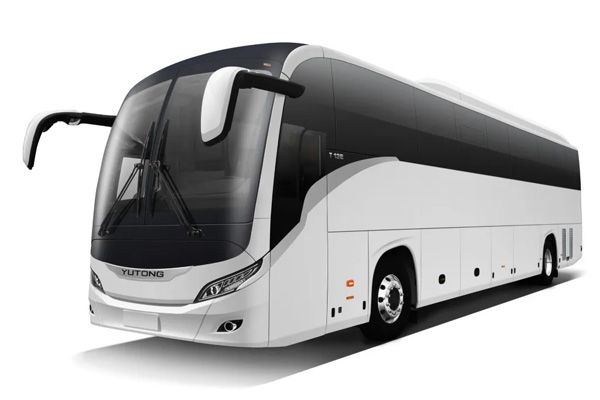
Image Credits: China Buses
But then officials began taking a closer look at just how much access these tools provide, and the alarms went off. If a system allows for remote updates, for example, it might also allow for remote shutdown. That possibility is enough to raise eyebrows in any government office overseeing national infrastructure.
The Real Fear: Remote Deactivation
But it is serious when you visualize a major city, like London, Manchester, or Birmingham, in rush hour, and the entirety of an electric bus fleet also goes completely dark because some kind of kill switch has been flipped, whether it was accidental or on purpose.
You don't just lose transport, you lose a part of the city that is functioning.
Snarled traffic, delayed emergency services, stranded commuters-in times of crisis, a natural disaster or a national emergency, say-such a shutdown would amplify the chaos.
That's why today, governments are looking beyond the hardware and asking tougher questions about the software and systems that control these vehicles. When transport goes digital, so do the risks.
Why Yutong Is the Center of It All
Yutong is not some small brand; it's considered one of the largest electric bus makers in the world and a key player in Europe's switch over to cleaner public transportation.
Its buses run in the UK, the EU, and most other regions in the world, while, according to industry sources, some of its models use onboard systems linked to remote management platforms that allow operators to view data related to battery performance, routes, and overall vehicle health.
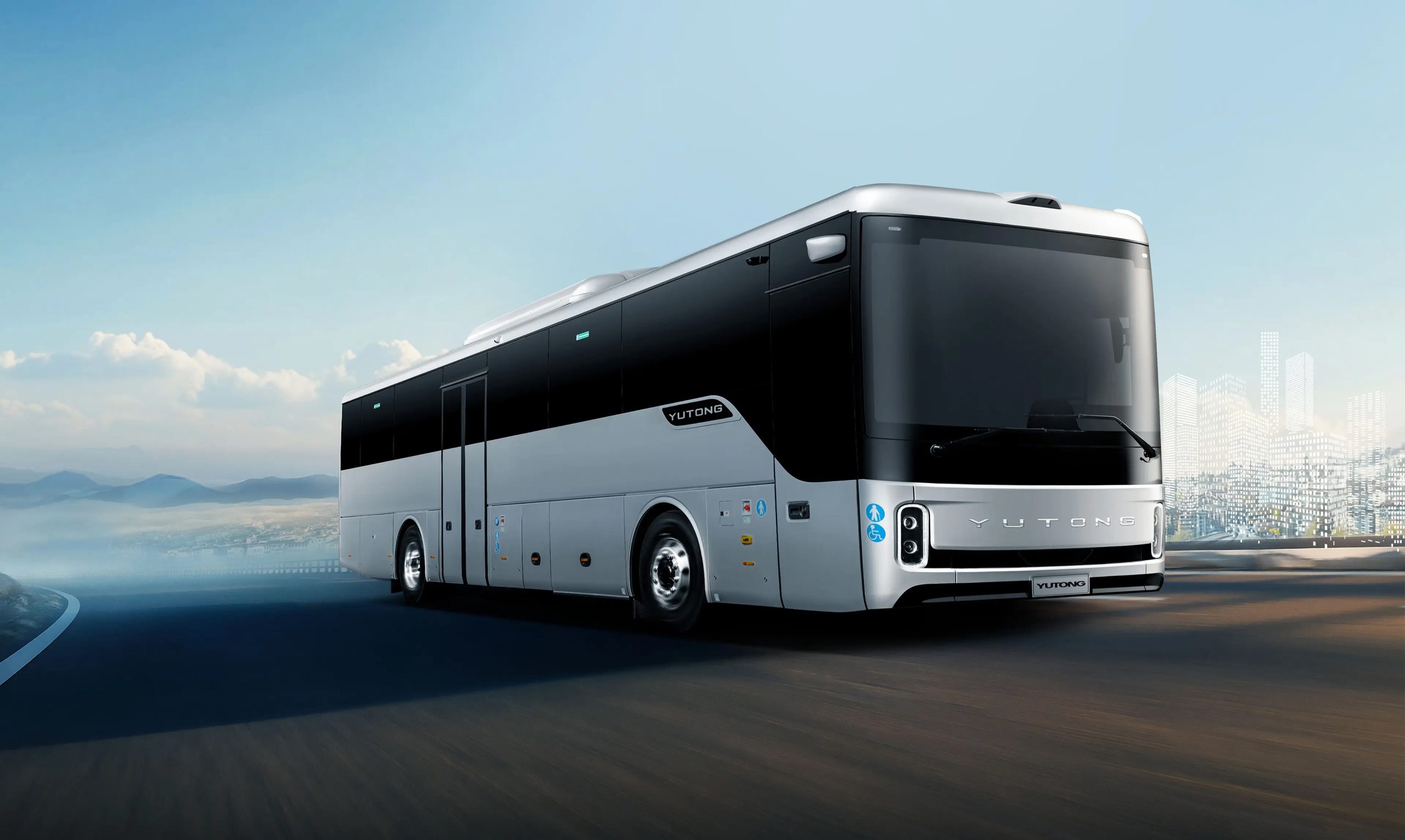 Image Credits: Sustainable Buses
None of that taken on its own is particularly suspicious: Tesla does it, BYD does it, Volvo does it. The difference is in the geopolitical tension. Who else can see these systems? Who else has keys to the backend? And what can they do with that access?
Scrutiny becomes automatic when the manufacturer belongs to a country often at the heart of all global tech debates.
Other countries saw this coming.
This is what really made the UK act: Denmark and Norway had raised similar questions some time ago.
Both countries began to investigate whether the Chinese-made buses were leaving them open to remote access. Findings weren't fully made public, but the investigations were enough to cause the UK to take a closer look.
You know it is serious when different governments in different regions recognize the same issue. Usually, that is the stage when policymakers intervene and say: We need to reassess the whole system before something like a disaster happens.
It's part of a larger story: how Europe is reassessing how much of its infrastructure depends on foreign technology.
The Bigger Picture: Europe's Problem of Tech Dependence
But even when this bus investigation comes back with "everything's fine," that bigger question doesn't go away.
European dependence on Chinese technologies cuts across many sectors.
1. Telecom networks
2. Vigilance systems
3. Renewable energy infrastructure
4. Electric vehicles and batteries
Because it's not always visible, remote access may make some governments nervous: a system may look secure from the outside but hold risks inside its code.
And geopolitically speaking, dependency means vulnerability. Would a foreign supplier, in the event of a grand conflict, attempt to coerce or disrupt via remote access? It's not about predicting the disaster - it's about preparing for the possibility.
That's why this investigation is more than just a transport story; it's a warning shot about what's ahead in the future of digital infrastructure.
What Does This Mean For Industry and Politics?
This could mean serious fallout if the UK finds serious risks.
Public transportation operators may need to upgrade their fleets; governments might impose strict cybersecurity regulations on new purchases, and manufacturers-most notably Chinese companies-may face increased scrutiny or outright bans on bidding for certain contracts.

Image Credits: Pelican
There is also the cost factor involved: European-made electric buses are usually more expensive than those made in China; making operators change suppliers is going to stress budgets.
Politically, the leadership could seize on this investigation to rally support for more domestic manufacturing and less foreign dependency, or increased investment in homegrown EV technology.
Potential Policy Changes in the UK
What you might expect can be as follows:
1. Stricter cyber-audits before procurement
2. Future contracts could have full disclosure requirements of the software, backend access checks, and independently conducted security tests.
Limitations on the features of remote access:
1. This may even force manufacturers to withdraw, or at least restrict, remote shutdown capabilities.
2. More investment in UK and European EV production
3. This incident may give impetus to the local companies working on electric mobility.
4. Mandatory disclosure of access to foreign data
Operators may be forced to declare the systems that export data outside the nation.
This would fundamentally reshape the purchasing, managing, and securing of electric bus fleets.
What Happens Next
Though the investigation is still in process, the UK government is likely to do the following: It is the buses whose software actually needs testing. Review access logs, Impose transparency on Yutong, Conduct an independent cybersecurity audit. This is not a decoupling from foreign technology but a means of ensuring that the country does not get caught off guard in any situation where digital control may be leveraged against it. In due course, this may prove to be a defining moment in how countries all over the world handle imported technology in key public systems.
Closing Thoughts
What this whole story really shows is how the definition of "infrastructure" has changed. It's not just roads and bridges and buses anymore; it's the software behind those buses, the networks speaking to those buses, and the companies that made those networks. If anything, the UK investigation isn't an overreaction-it's a sign of the times. When technology gets smarter, the risks get smarter too. As countries push deeper into clean transport and digital mobility, the questions are only getting louder: Who controls the tech that controls our cities? And how do we make sure that control stays where it should.
What's Your Reaction?
 Like
0
Like
0
 Dislike
0
Dislike
0
 Love
0
Love
0
 Funny
0
Funny
0
 Wow
0
Wow
0
 Sad
0
Sad
0
 Angry
0
Angry
0

I’m Ryan Rehan, Business Development Executive and a passionate blogger dedicated to sharing insights, tips, and experiences that inspire and inform. Through my blogs, I explore topics that matter, spark curiosity, and encourage thoughtful conversations. Whether I’m breaking down complex ideas, offering practical advice, or simply sharing stories, my goal is to create content that adds real value to a growing community of curious minds and passionate readers.

















Comments (0)