

Dream Cities, Real Lives: Inside the World's Most Liveable Places in 2026
Explore the top 10 most liveable cities in the world for 2026 from Copenhagen and Vienna to Osaka and Vancouver. Discover what makes these cities the best places to live, work, and thrive.
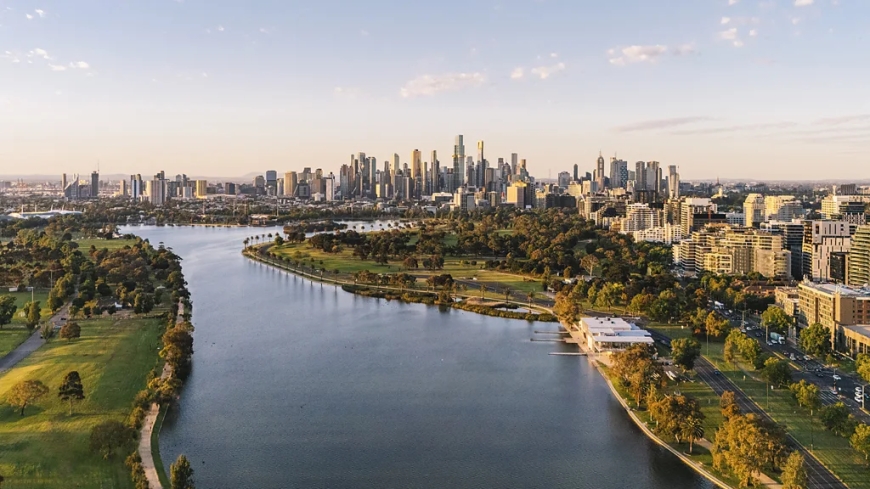
Table of Contents
-
Introduction: What Makes a City Truly Liveable?
Every year, millions of people ask themselves the same quiet question: is there somewhere better to live? Somewhere the commute doesn't drain the soul, the healthcare system actually works, the streets feel safe after dark, and a walk in the park doesn't require a forty-minute drive.
The answer, according to the world's leading liveability rankings, isn't a fantasy. It exists, in cities that have spent decades making deliberate, sometimes unglamorous decisions about transport, housing, healthcare, education, and public space. These are not necessarily the flashiest cities on Earth. They're the ones where daily life simply works.
In 2026, the top of the global liveability table tells a familiar yet fascinating story. Northern Europe and Australia continue their long-running dominance, Japan strengthens its position with two cities in the top ten, and Canada holds its ground on the west coast. What unites them all is not luck or geography, it's a set of choices about how a city should treat the people who call it home.
This is a closer look at the ten cities leading the world in 2026, and what "liveability" actually feels like on the ground.
-
How Liveability Is Measured
Before diving into the list, it's worth understanding what these rankings actually assess. Global liveability indices typically evaluate cities across five broad categories:
- Stability — crime rates, civil unrest, and the general sense of security in daily life
- Healthcare — availability, quality, and accessibility of both public and private medical care
- Culture and Environment — climate, corruption levels, social freedoms, sport, food, and cultural offerings
- Education — the quality and availability of schooling at every level
- Infrastructure — roads, public transport, housing quality, energy, water, and telecommunications
A city doesn't reach the top ten by excelling in one category. It gets there by being consistently strong across all of them. That consistency is precisely what makes these cities feel different to live in there's no glaring weakness that residents have simply learned to tolerate.
-
The Top 10 Most Liveable Cities in 2026
-
Copenhagen, Denmark
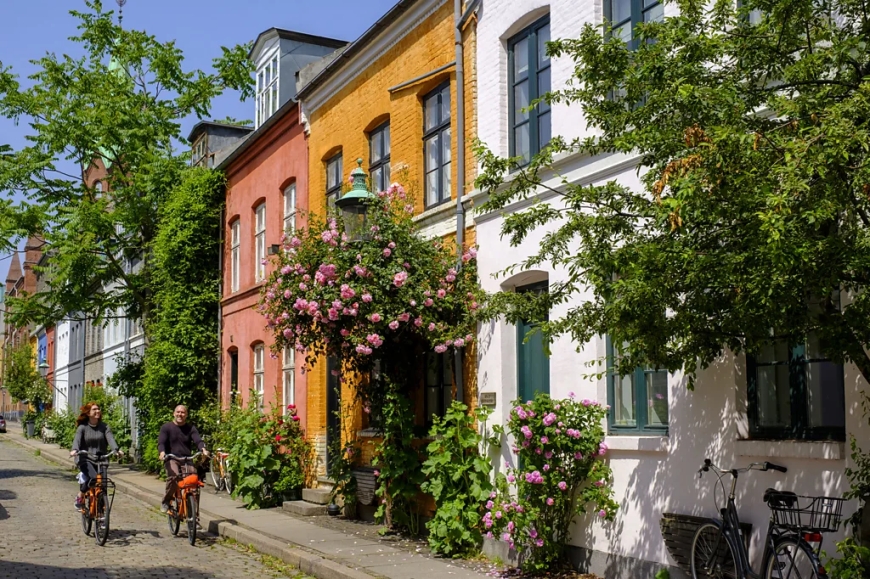
Copenhagen claiming the top spot feels less like an upset and more like an inevitability finally arriving. The Danish capital has spent decades perfecting the art of human-scale urbanism, and in 2026 it stands as the global benchmark.
Nearly half of all commutes in Copenhagen happen by bicycle, along a network of dedicated lanes so extensive and safe that cycling is the default rather than the daring choice. The city scores near-perfect marks for stability, education, and infrastructure, while its healthcare system remains among the most accessible in the world.
But what statistics can't quite capture is the texture of daily life: harbour baths where residents swim in clean city-centre water, the design-forward neighbourhoods of Nørrebro and Vesterbro, and a work culture that genuinely respects the boundary between office and home. Copenhagen doesn't just rank as liveable, it feels it, hour by hour.
-
Vienna, Austria
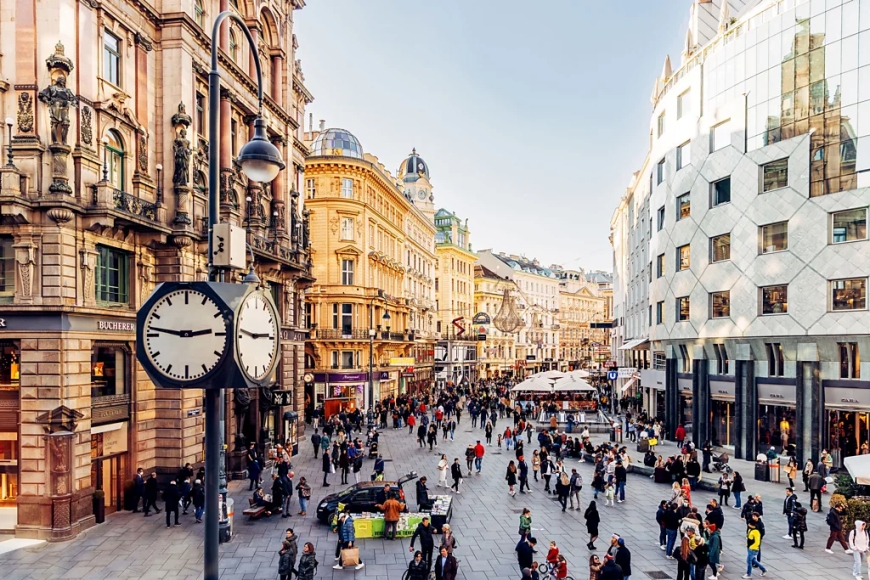
For years, Vienna sat comfortably at the summit of these rankings, and its slip to second place changes little about the substance of the city. The Austrian capital remains a masterclass in how to combine imperial grandeur with modern social policy.
Vienna's crown jewel is its housing model. Roughly 60% of residents live in subsidised or city-owned housing of genuinely high quality, keeping rents remarkably reasonable for a major European capital. Add to that a public transport system where an annual pass costs around one euro a day, world-class healthcare, and a cultural calendar anchored by the State Opera and dozens of museums, and it's easy to see why the Viennese rarely leave.
The coffee house culture, unhurried, unpretentious, protected by UNESCO as intangible cultural heritage says everything about the city's relationship with time. Vienna is a city that refuses to rush, and its residents are healthier and happier for it.
-
Melbourne, Australia
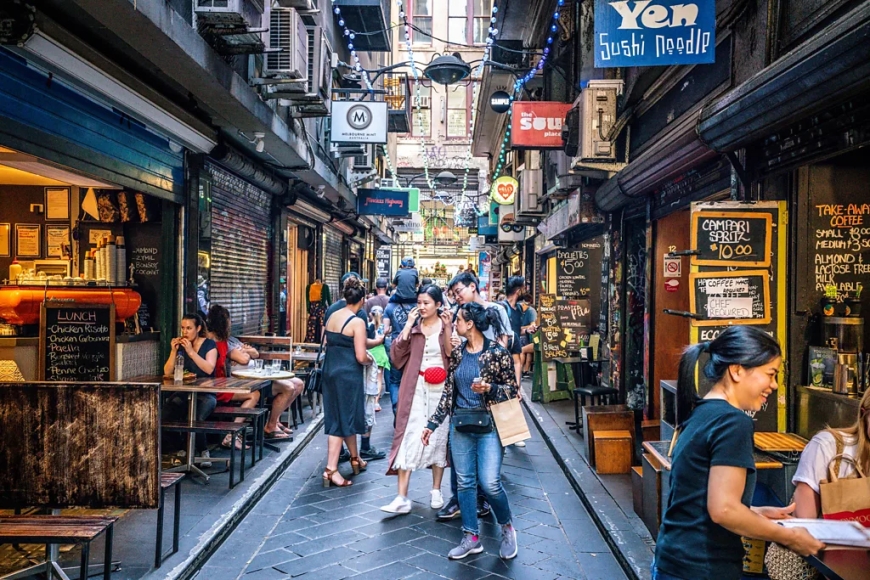
Melbourne has spent more than a decade in and around the top of the world's liveability rankings, and in 2026 it remains Australia's leading city on the list. Its strength lies in an almost unmatched combination of culture, education, and healthcare.
The city's famous laneways, narrow arteries filled with street art, hidden bars, and some of the best coffee served anywhere on the planet, give Melbourne a creative energy that few cities of its size can rival. Its universities draw students from across the globe, its sporting calendar (the Australian Open, the AFL, the Melbourne Cup) is world-renowned, and its food scene reflects one of the most successfully multicultural societies on Earth.
Melbourne's challenge, as with much of Australia, remains housing affordability. But as a place to build a life rich in culture, opportunity, and community, it continues to deliver.
-
Sydney, Australia
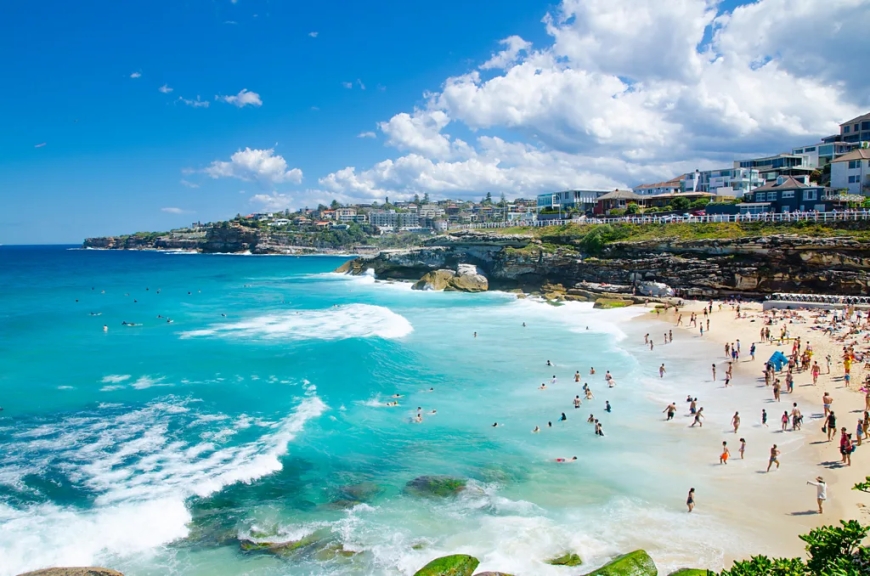
Sydney's appeal begins with geography, that impossible harbour, the coastal walks from Bondi to Coogee, more than 100 beaches within the metropolitan area but its top-five position rests on far more than beauty.
The city scores strongly across healthcare, education, and infrastructure, with an expanding metro network that has transformed cross-city travel in recent years. Its economy is the largest in Australia, offering career depth across finance, technology, and creative industries that few Pacific-region cities can match.
Sydney offers a lifestyle that blends big-city ambition with an outdoor culture built around sunshine and saltwater. Morning ocean swims before work aren't a fantasy here; they're a routine. For those who can navigate its property market, Sydney remains one of the most complete packages in world urban living.
-
Zurich, Switzerland
Zurich is what happens when a city decides that
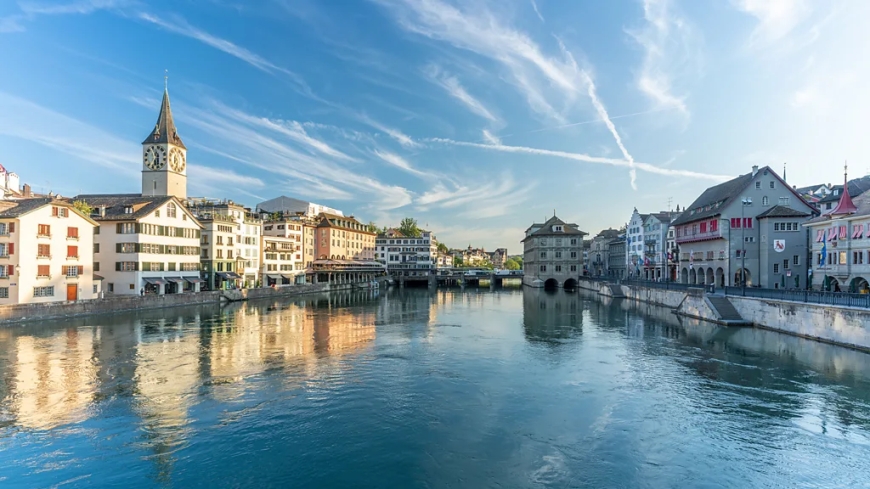
everything should simply function. Trains run to the minute. The lake water in the city centre is clean enough to swim in, and thousands do throughout the summer. Salaries are among the highest in the world, and although the cost of living matches them, the quality delivered in return is extraordinary.
Switzerland's largest city pairs its banking-capital reputation with a surprisingly vibrant cultural undercurrent: the former industrial district of Zürich-West has become a hub of galleries, restaurants, and nightlife. Meanwhile, the Alps sit close enough for a spontaneous after-work hike or a weekend ski trip.
Zurich's liveability is built on reliability. It is a city that never wastes its residents' time and there are few greater luxuries than that.
-
Geneva, Switzerland
Geneva makes it a Swiss double in the top ten, and while it shares Zurich's precision and prosperity, it has a distinctly international soul. Home to the United Nations' European headquarters, the Red Cross, and hundreds of NGOs and international bodies, Geneva is a small city with a global population and outlook.
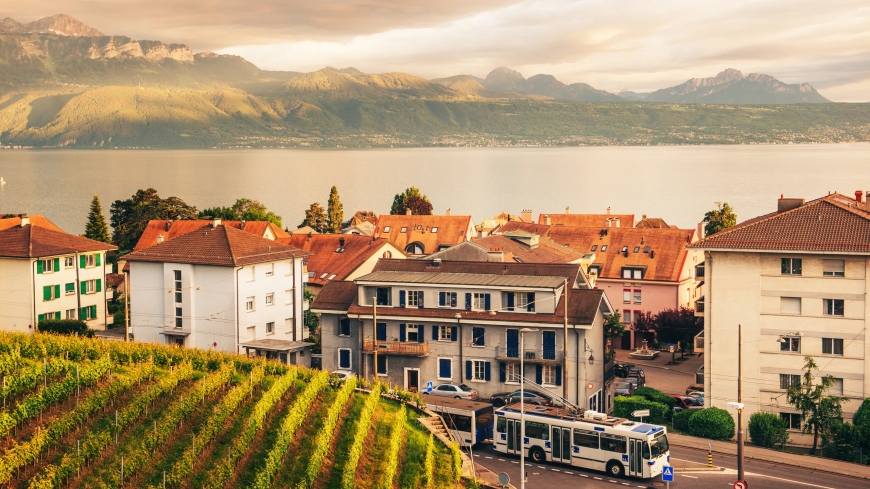
Set on the shores of Lac Léman with Mont Blanc visible on clear days, Geneva offers a lakeside lifestyle wrapped in Alpine scenery. Its healthcare and education systems are exemplary, public transport is seamless, and the city's compact size means nothing is ever far away.
Geneva is calm, safe, and orderly to a degree that some find almost surreal. For families and professionals seeking stability without sacrificing an international career, few cities on Earth compete.
-
Osaka, Japan
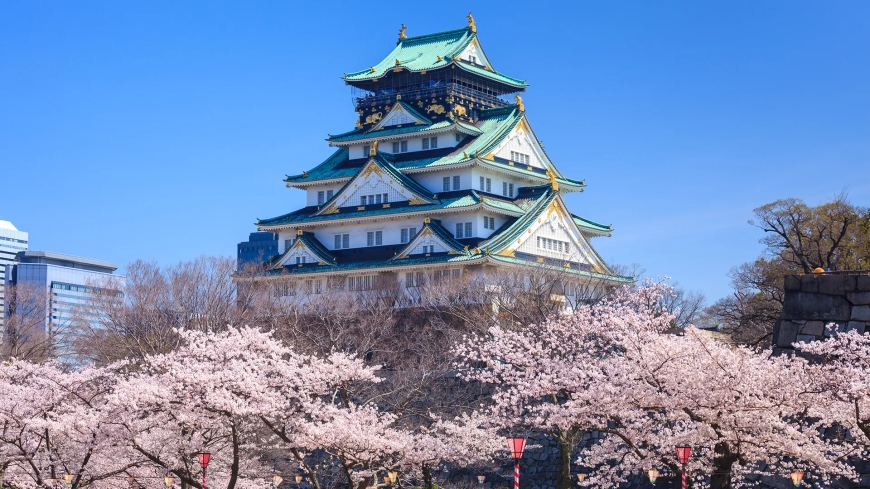
Osaka's presence in the global top ten is one of the most compelling stories in modern liveability. Japan's third-largest city combines the country's legendary safety, cleanliness, and infrastructure with something its bigger sibling Tokyo is sometimes accused of lacking: warmth.
Osakans are famously friendly, direct, and food-obsessed. The city is known as "the nation's kitchen," and its street food culture takoyaki, okonomiyaki, kushikatsu is a genuine civic identity. The Dotonbori district at night is one of the great urban spectacles of Asia.
Beneath the neon, Osaka delivers on the fundamentals: an exceptional public transport network, excellent healthcare, low crime, and a cost of living notably gentler than Tokyo's. It's Japan at its most liveable and most human.
-
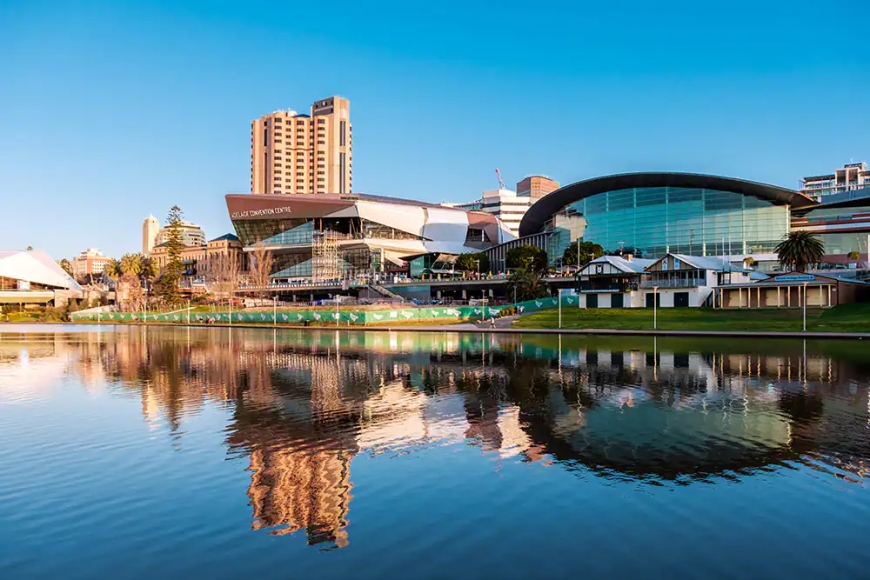
Adelaide, Australia
Adelaide is the quiet achiever of Australian cities. While Sydney and Melbourne take the headlines, South Australia's capital consistently ranks among the world's most liveable places and residents will tell you exactly why.
The city was planned in the 1830s as a grid surrounded entirely by parklands, a design decision that still shapes daily life today. Traffic is light by big-city standards, commutes are short, beaches are twenty minutes from the centre, and the world-famous wine regions of the Barossa Valley and McLaren Vale sit within an easy drive.
Adelaide offers something increasingly rare: big-city amenities, festivals, universities, quality healthcare with the pace and affordability of a much smaller place. For quality of life per dollar, it may be the best value city in the top ten.
-
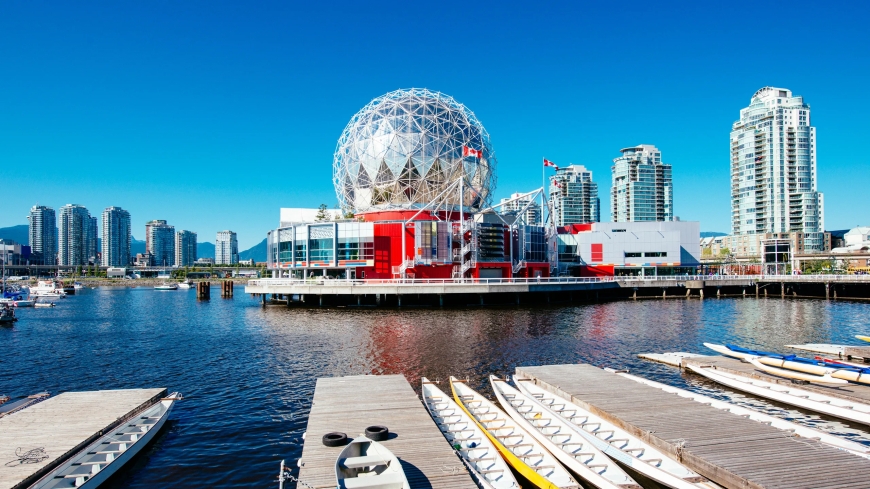
Vancouver, Canada
Vancouver has long been the poster child for spectacular urban settings, and 2026 finds it once again among the world's elite. Wedged between the Pacific Ocean and the Coast Mountains, it's a city where you can genuinely ski in the morning and walk the seawall at sunset.
Beyond the scenery, Vancouver earns its place through strong healthcare, an excellent education system, and one of the most multicultural populations in North America, a diversity reflected in what is arguably the continent's best Asian food scene. The city's commitment to green space, from Stanley Park's 400 hectares to the endless waterfront paths, embeds nature into everyday life.
Housing costs remain Vancouver's well-documented weakness. But for those who make it work, the reward is a lifestyle that fuses urban sophistication with raw natural beauty like almost nowhere else.
-
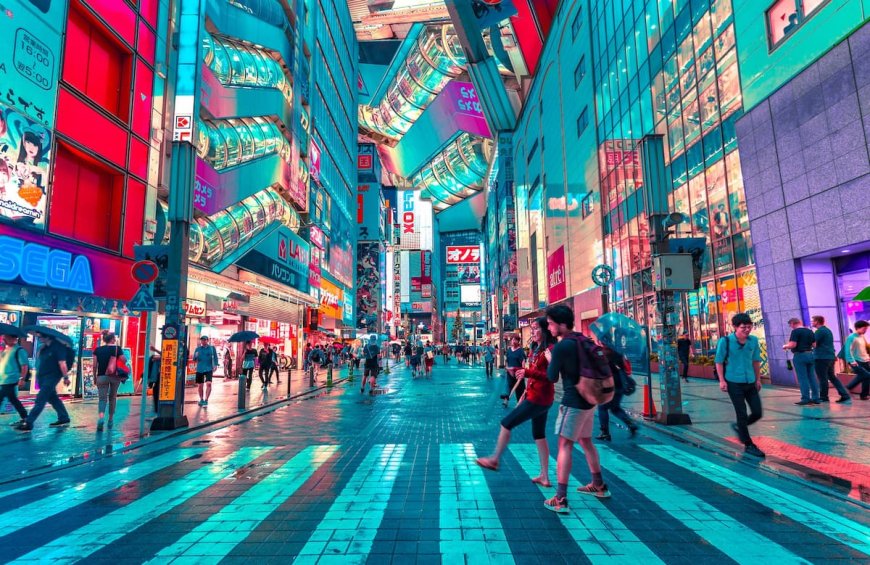
Tokyo, Japan
That a metropolis of 37 million people can rank among the world's ten most liveable cities borders on the miraculous and it is perhaps Tokyo's greatest achievement. The world's largest urban area runs with a smoothness that cities a fraction of its size can't replicate.
Trains arrive with legendary punctuality. Streets are immaculate. Crime is so low that lost wallets are routinely returned intact. Healthcare is world-class, and the city's food culture from humble ramen counters to more Michelin stars than any other city on Earth is without equal.
Tokyo proves that scale and liveability are not opposites. Its secret lies in treating the details the neighbourhood, the station, the street corner as seriously as the skyline. For all its size, Tokyo lives locally.
-
-
Common Threads: What the Top Cities Get Right
Look across these ten cities and clear patterns emerge:
Public transport is treated as essential, not optional. Every city on this list has invested heavily in metro systems, trams, cycling infrastructure, or all three. Liveable cities free their residents from car dependency.
Safety is foundational. From Copenhagen to Osaka, these are places where personal security is simply assumed, a baseline that transforms how people use their city, especially at night.
Nature is integrated, not exiled. Harbour swims in Copenhagen, lake dips in Zurich, mountain trails in Vancouver, parklands ringing Adelaide, the world's most liveable cities keep the outdoors within reach of everyday life.
Healthcare and education are universal strengths. No city reaches this level with weak hospitals or struggling schools. Long-term public investment underpins every ranking on this list.
They plan in decades, not election cycles. Vienna's housing model, Adelaide's parkland grid, Copenhagen's cycling network these were multi-generational commitments that are still paying dividends today.
-
Liveability vs. Affordability: The Honest Trade-Off
There's an uncomfortable truth running through this list: liveability and affordability rarely travel together. Zurich, Geneva, Sydney, and Vancouver rank among the most expensive cities in the world for housing. High quality of life attracts people, and demand drives prices.
That said, the picture isn't uniform. Osaka offers top-ten liveability at a cost of living well below its Western peers. Adelaide remains genuinely affordable by developed-world capital standards. Vienna's social housing model actively suppresses rental costs in ways most cities can only envy.
For anyone considering a move, the smart question isn't simply "which city ranks highest?" but "which city offers the best life I can actually afford?" On that measure, the value stories of Osaka, Adelaide, and Vienna deserve particular attention.
-
What This Means for Travellers and Movers
Liveability rankings are designed with residents in mind, but they're quietly one of the best travel-planning tools available. A city that works beautifully for the people who live there safe streets, brilliant transport, clean public spaces, great food works beautifully for visitors too.
For travellers, these ten cities offer low-stress, high-reward trips where the everyday experience of simply being there is a pleasure. For remote workers, students, and families weighing an international move, the list is a shortlist of places where the fundamentals of a good life are already in place.
-
Final Thoughts: Dream Cities, Real Lives
The phrase "most liveable city" can sound abstract, a statistic on a spreadsheet in a research office. But behind every ranking on this list are millions of ordinary days lived well: the Copenhagen parent cycling children to school in safety, the Viennese pensioner in an affordable city-centre flat, the Osaka office worker home by train in time for dinner, the Vancouverite hiking before breakfast.
That's what these rankings really measure not glamour, but the quiet, daily dignity of a city that works.
What's Your Reaction?
 Like
0
Like
0
 Dislike
0
Dislike
0
 Love
0
Love
0
 Funny
0
Funny
0
 Wow
0
Wow
0
 Sad
0
Sad
0
 Angry
0
Angry
0

A spirit that pursues sunsets and tales. Entrepreneur at heart, globe-trotter by soul. Founder of an art-worshiping jewelry brand that embodies emotion & individuality — where each piece is a tale of culture, craft, and character. From trails up mountains to gem markets, I'm inspired by all journeys — transforming wanderlust into enduring design. Establishing a brand built on authenticity, refinement & purpose — one work at a time.















Comments (0)