

Indore Hit by Deadly Water Contamination Outbreak
Indore faces a deadly water contamination outbreak in Bhagirathpura, causing diarrhoea, deaths, and thousands falling ill. Latest updates here.
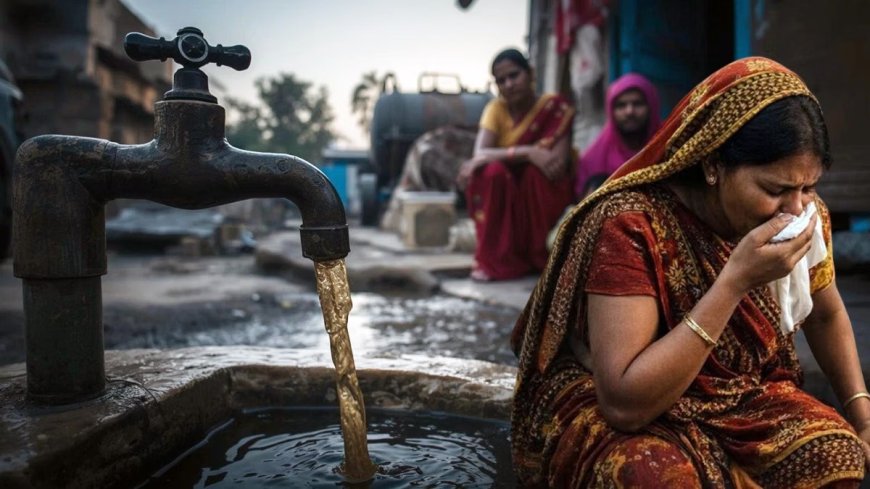
Indore, one of India’s largest cities in Madhya Pradesh, recently faced a severe public health crisis. The Bhagirathpura area was declared under an epidemic after a massive water contamination incident caused widespread diarrhoea and several deaths. The situation raised alarm among residents, but officials have firmly clarified that there is no link between the outbreak and Guillain-Barré Syndrome (GBS). Let’s break down what happened, why it happened, and how the authorities tackled this crisis.
What Happened in Bhagirathpura?
The trouble in Bhagirathpura began in late December 2025 when residents noticed something alarming: their water supply smelled foul and appeared discolored. Reports started pouring in of people falling ill with diarrhoea, vomiting, and fever. By early January 2026, over 1,400 residents had reported sickness, and 398 required hospitalization. While most patients were discharged after treatment, the official death toll currently stands between six and eleven. Locals, however, claim the number could be as high as 16, including a child.
The outbreak sparked fear, rumors, and social media speculation, particularly linking the water contamination to Guillain-Barré Syndrome (GBS). But authorities quickly clarified that GBS, a rare neurological disorder causing nerve damage, had no confirmed cases in the city. The confusion stemmed from a 67-year-old woman exhibiting GBS-like symptoms, who was later diagnosed with a stroke.
What Caused the Water Contamination?
The root cause of the outbreak was traced to sewage mixing with the drinking water supply. Specifically, a toilet at a local police outpost had no septic tank, and waste leaked directly into a 30-year-old damaged pipeline. This pipeline supplied water to roughly 50,000 residents in Bhagirathpura.
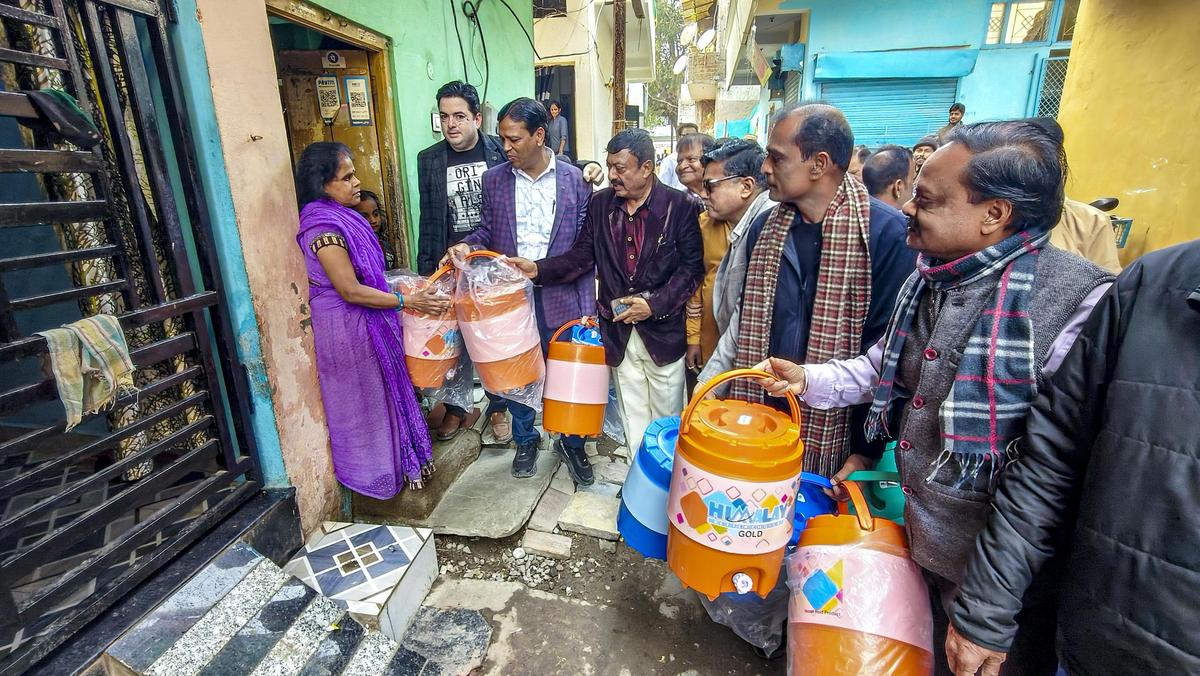 Image Credit: The Hindu
Investigations revealed multiple pathogens in the contaminated water, including E. coli, Salmonella, Vibrio cholerae, viruses, fungi, and protozoa. The combination of these microorganisms caused polymicrobial infections, leading to sepsis and multi-organ failure in the most severe cases.
Interestingly, this crisis could have been prevented. A repair tender for the damaged pipeline had been floated back in August 2025, but was delayed. Prior complaints from residents about dirty and foul-smelling water were also ignored, as highlighted in a Comptroller and Auditor General (CAG) report that pointed out flaws in the city’s water infrastructure.
How Authorities Responded
Once the severity of the outbreak was recognized, Indore’s health administration acted decisively. On January 4, 2026, the epidemic was officially declared in Bhagirathpura. A combination of central and state teams was deployed to carry out several measures:
Water Testing and Chlorination – Borewells, water tanks, and pipelines were tested, and chlorination efforts began immediately to purify contaminated water.
House-to-House Screening – Health officials conducted door-to-door screenings, assessing thousands of residents for symptoms and providing medical advice.
Hospital Care – Patients showing severe diarrhoea or sepsis received ICU care, ensuring proper treatment and monitoring.
Compensation for Families – The government announced Rs 2 lakh compensation for the families of deceased victims.
According to CMHO Dr. Madhav Hasani, the outbreak is now under control, and no new cases are being reported. However, the crisis highlighted the urgent need for proper water management and maintenance of city infrastructure.
Clearing the GBS Confusion
Amid the outbreak, rumors spread about a possible connection to Guillain-Barré Syndrome (GBS). GBS is an autoimmune disorder where the body’s immune system attacks the nerves, leading to weakness, paralysis, or even life-threatening complications. The confusion began when a 67-year-old woman displayed GBS-like symptoms.
 Image Credit: Outlook India
Authorities quickly investigated and clarified that her condition was actually a stroke, not GBS. No hospital in Indore reported any case of GBS linked to the water contamination. Health officials emphasized that the primary concern was bacterial diarrhoea and sepsis, caused by contaminated water, not a neurological disorder.
This distinction is important because GBS is rare and unrelated to waterborne outbreaks. Spreading misinformation about GBS could have caused unnecessary panic in the community, which officials worked hard to prevent.
Why Water Contamination Happens in Indian Cities
While Bhagirathpura’s case is alarming, it is not unique in India. Many urban areas face challenges related to aging pipelines, inadequate sewage systems, and delayed infrastructure repairs. When sewage leaks into drinking water, it introduces bacteria, viruses, and protozoa, which can trigger diarrhoea, cholera, typhoid, hepatitis A, and other infections.
Experts point out that timely maintenance, proper monitoring, and public awareness about water safety are critical to preventing outbreaks. In this case, the lack of a septic tank at a government facility and delayed repairs directly contributed to the epidemic.
Symptoms to Watch For
Residents experiencing contaminated water should watch for early signs of infection:
1. Diarrhoea or loose stools
2. Vomiting
3. Fever
4. Stomach cramps
5. Fatigue or weakness
Severe symptoms, such as dehydration, blood in stools, or persistent vomiting, require immediate hospital care.
Preventive Measures for Residents
While authorities handle the larger infrastructure issues, residents can take steps to protect themselves:
Boil Water Before Drinking – Boiling kills most bacteria and viruses.
Use Water Purifiers – Filters can remove bacteria, protozoa, and some viruses.
Avoid Raw or Unwashed Vegetables – Contaminated water can affect food too.
Maintain Personal Hygiene – Regular handwashing reduces infection risk.
Report Water Issues Promptly – Quick action can prevent large-scale outbreaks.
Lessons From Bhagirathpura
The Indore outbreak is a stark reminder of how urban water systems can fail and impact thousands of lives. Here are key takeaways:
Infrastructure Maintenance is Crucial – Delayed repairs and old pipelines can have deadly consequences.
Rapid Response Saves Lives – Quick medical action, water testing, and house-to-house screenings limited the outbreak’s impact.
Clear Communication Matters – Officials had to clarify misinformation about GBS to avoid panic.
Public Awareness is Vital – Residents must understand how to prevent waterborne diseases and take immediate precautions when water quality declines.
Moving Forward
Indore authorities have assured the public that steps are being taken to strengthen water supply infrastructure and prevent future outbreaks. Regular water quality checks, repairing old pipelines, and better sewage management are on the agenda.
Meanwhile, this incident serves as a warning for other cities in India and across the world. Water safety is often overlooked until an outbreak occurs, but proactive measures can prevent illness, save lives, and build public trust.
Conclusion
The Bhagirathpura water contamination outbreak in Indore highlights the deadly consequences of compromised water infrastructure. With over 1,400 people falling ill and several deaths, it could have been far worse without swift intervention. Authorities successfully contained the outbreak, clarified that there’s no link to GBS, and implemented safety measures.
Residents and governments alike must remain vigilant. Ensuring safe water supply, regular maintenance, and prompt reporting can prevent crises like Bhagirathpura from recurring.
Stay informed, stay safe, and always treat water safety as a priority.
What's Your Reaction?
 Like
0
Like
0
 Dislike
0
Dislike
0
 Love
0
Love
0
 Funny
0
Funny
0
 Wow
0
Wow
0
 Sad
0
Sad
0
 Angry
0
Angry
0

I’m Ryan Rehan, Business Development Executive and a passionate blogger dedicated to sharing insights, tips, and experiences that inspire and inform. Through my blogs, I explore topics that matter, spark curiosity, and encourage thoughtful conversations. Whether I’m breaking down complex ideas, offering practical advice, or simply sharing stories, my goal is to create content that adds real value to a growing community of curious minds and passionate readers.
















Comments (0)