




















































Ijen Crater Lake: The World’s Most Acidic Lake with Blue Fire
Ijen Crater Lake in Indonesia is the world’s most acidic lake, famous for its turquoise waters, toxic fumes, and rare blue fire seen before sunrise.
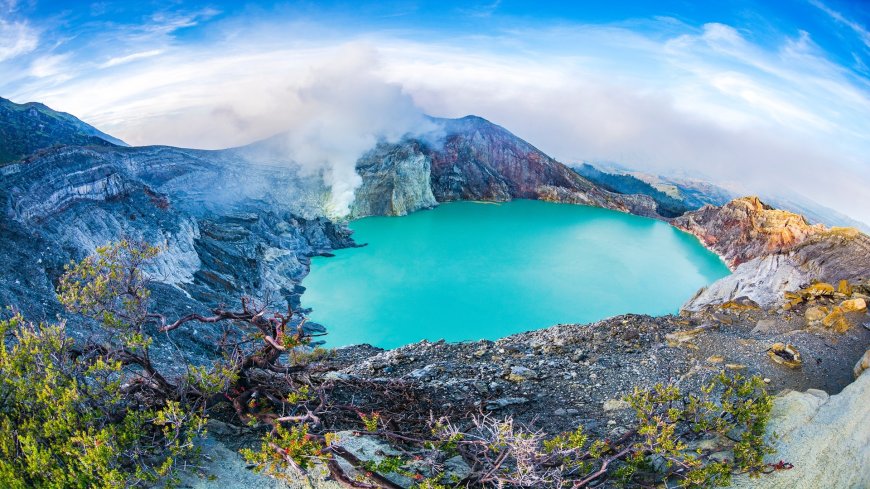
At first glance, Ijen Crater Lake feels almost peaceful. A still sheet of turquoise water sits quietly inside a mountain, reflecting the sky like a mirror. It looks calm. Inviting, even.
Then reality sets in.
That water can burn skin on contact. The air around it can tighten your chest. And after dark, the mountain glows with blue flames rising straight from the ground.
This contrast is exactly what makes Ijen impossible to forget.
Let’s take it step by step.
The World’s Most Acidic Lake That Doesn’t Look Dangerous
Hidden inside the caldera of Mount Ijen in East Java, Indonesia, this lake isn’t just another volcanic attraction. It’s the largest acidic crater lake on the planet, and also one of the most extreme natural environments in which humans can still walk.

The lake fills a vast section of the Ijen caldera and drops to depths of more than 200 meters. What truly sets it apart is its acidity. The pH level can fall as low as 0.5. For comparison, battery acid has a pH of around 1.
In other words, this water is more corrosive than something you’d find in a lab.
And yet, people hike for hours, often in the middle of the night, just to stand near it.
Where Exactly Is Ijen Crater Lake?
Ijen Crater Lake is located within Mount Ijen, an active stratovolcano in East Java, not far from the coastal town of Banyuwangi. The entire region falls under the Ijen UNESCO Global Geopark, an area protected for its rare volcanic formations, ancient lava flows, and dramatic landscapes.
The lake itself lies at an elevation of around 2,386 meters above sea level. Steep crater walls surround it, trapping heat, gases, and steam within the basin.
That natural enclosure gives the place an eerie, almost sealed-off feeling. Like you’ve stepped into a pocket of the Earth that wasn’t meant for visitors.
How the Lake Became So Acidic
The story begins with a massive volcanic eruption thousands of years ago, which collapsed part of the mountain and formed the Ijen caldera. Over time, rainwater slowly collected inside the crater.
But Mount Ijen never truly went dormant.
Deep below the surface, volcanic activity continues to push gases upward. Sulfur dioxide and hydrogen chloride rise constantly through vents and cracks. When these gases dissolve into the lake water, they form sulfuric and hydrochloric acid.
What this really means is that the lake functions like a natural chemical reactor. It captures volcanic gases, mixes them with water, and creates one of the most acidic natural lakes on Earth.
Water temperatures typically hover between 42°C and 45°C. On quiet days, you can see bubbles rise to the surface or thin steam drifting upward, small signs that the volcano is still very much alive.
That Unreal Turquoise Color
The first thing almost everyone notices is the color.
Ijen Crater Lake glows in shades of turquoise, teal, and blue-green that feel almost unreal. It looks like something edited for social media, except it’s completely natural.
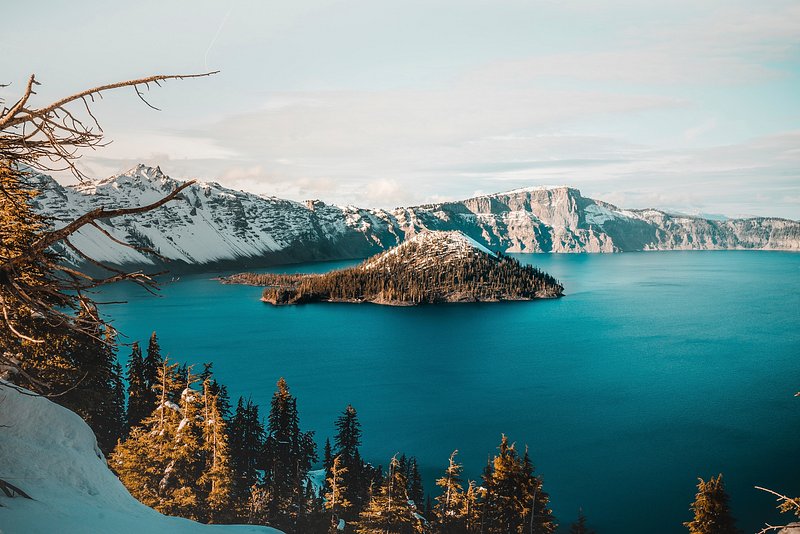 Image Credit: Raw Pixel
That color comes from dissolved minerals, sulfur deposits, and the way light reacts with the acidic water. It’s stunning to look at, but dangerously misleading.
The same chemical makeup that gives the lake its beauty also makes it lethal. Touching the water can cause serious chemical burns. Falling in would almost certainly be fatal. Even standing too close without proper protection can be risky when gas levels rise.
It’s a place where beauty and danger exist in perfect balance.
Blue Fire: When the Mountain Burns at Night
Ijen isn’t famous only for its lake. It’s one of the very few places on Earth where you can see natural blue fire.
After sunset, sulfuric gases escape through cracks in the crater floor. When these gases meet oxygen and ignite, they produce electric-blue flames that can burn at temperatures above 360°C.
Despite what many photos suggest, this isn’t blue lava. It’s burning sulfur gas, flowing along the rocks like liquid light.
The effect is only visible in complete darkness. Once the sun rises, the flames fade from view, washed out by daylight.
Standing there before dawn, watching blue fire flicker against black volcanic rock, feels unreal. The air smells sharp and metallic. The ground glows softly. Everything feels slightly off, like you’re standing on another planet.
Sulfur Mining: A Harsh Way of Life
Inside the crater, long before tourists arrive, sulfur miners are already at work.
Local miners descend into the crater daily, often with minimal protective gear. They break off solid sulfur deposits that form as volcanic gases cool and harden. Then they carry these blocks up steep paths in baskets balanced across their shoulders.
Some loads weigh as much as 80 kilograms.
The work is exhausting. The fumes are toxic. And yet, this has been a way of life here for generations.
Watching the miners changes how you see the place. For visitors, Ijen is an adventure. For the miners, it’s a livelihood built inside one of the harshest environments imaginable.
The Hike to Ijen Crater Lake
Reaching Ijen Crater Lake takes effort, but it’s manageable if you’re prepared.
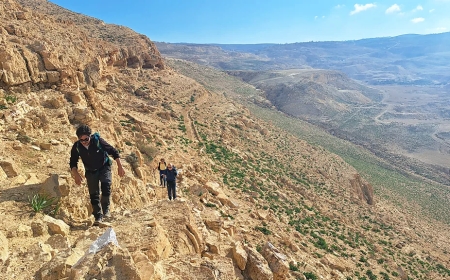
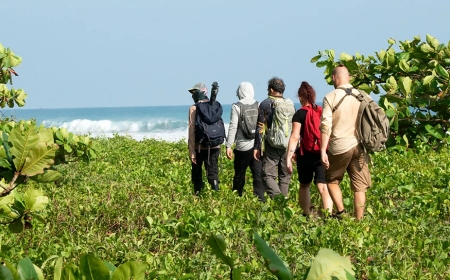
The hike begins at Paltuding base camp and covers roughly 3 kilometers to the crater rim. The trail is steep in sections but well-maintained. Most people start between midnight and 2 AM to reach the crater before sunrise.
 Image Credit: The Gees Travel
Those hoping to see the blue fire must descend further into the crater, which is more challenging and requires extra caution.
You don’t need to be an athlete, but you do need patience. Altitude, cold air, and sulfur fumes can slow you down more than expected.
Safety Isn’t Optional Here
Ijen is not a place to take lightly.
Gas masks are essential. Sulfur fumes can intensify without warning, especially when the wind shifts. A guide is strongly recommended, particularly if you plan to go down into the crater.
Volcanic activity at Mount Ijen can change quickly. Phreatic eruptions, caused by sudden steam explosions, have occurred in the past. Always check official alerts before planning your visit.
If authorities restrict access, respect it. This is not a mountain you argue with.
Best Time to Visit Ijen Crater Lake
The dry season, from May to October, offers the best conditions. Trails are safer, skies are clearer, and visibility is better.
If blue fire is your priority, arrive on a clear night and reach the crater well before sunrise. If you’re more interested in the lake’s color, early morning light after sunrise reveals the most vivid shades.
Temperatures can drop quickly at high altitude, so layered clothing is a smart move.
What Else to See Nearby
Banyuwangi has more to offer once you descend from Ijen.
Coffee plantations blanket the lower slopes of the volcano, producing rich local beans. Natural hot springs nearby are perfect for easing sore muscles after the hike.
The region also acts as a gateway to Bali, making Ijen an unforgettable stop for travelers exploring eastern Indonesia.
Why Ijen Stays With You
Ijen Crater Lake isn’t just visually striking. It’s immersive.
The sharp sting of sulfur in the air. Heat rising from the ground beneath your boots. The quiet was broken only by crackling flames and distant voices echoing off crater walls.
Everything feels raw. Untouched. Honest.
This is nature without soft edges.
If you’re drawn to places that challenge your senses and stay in your thoughts long after you leave, Ijen delivers. It’s a reminder that the Earth is powerful, unpredictable, and still capable of creating places that don’t exist anywhere else.
And sometimes, the most beautiful landscapes are also the most dangerous ones.
What's Your Reaction?
 Like
0
Like
0
 Dislike
0
Dislike
0
 Love
0
Love
0
 Funny
0
Funny
0
 Angry
0
Angry
0
 Sad
0
Sad
0
 Wow
0
Wow
0