

Solo and Fearless: The Best Countries for Women Travelling Alone in 2026
Discover the 5 best countries for solo female travel in 2026 from Iceland's unrivalled safety to Japan's cultural ease and Portugal's warm affordability. Real insights, honest trade-offs, and practical tips included.
Table of Contents
- Why Solo Female Travel Is Having Its Biggest Year Yet
- What Makes a Country Truly Safe for Solo Women?
- Iceland — The Gold Standard of Solo Female Travel
- Japan — Safety, Culture, and Unmatched Ease
- Portugal — Europe's Most Underrated Solo Destination
- New Zealand — Adventure Without Anxiety
- Denmark — Where Equality Is a Way of Life
- Universal Safety Tips for Solo Female Travelers
- How to Choose the Right Destination for You
- Final Word: Go. Just Go.
- FAQs About Solo Female Travel in 2026
-
Why Solo Female Travel Is Having Its Biggest Year Yet
Something shifted in global travel culture over the past few years, and 2026 feels like the moment it all clicked into place. Women are booking solo trips in record numbers, not because the world has suddenly become risk-free, but because the infrastructure, the conversation, and the confidence around solo female travel have reached a new level of maturity.
National tourism boards are designing campaigns specifically for solo women. Cities are investing in better urban lighting, safer public transit, and solo-friendly accommodation options that go beyond the traditional double room you're always paying to leave half empty. Online communities of solo female travelers share real, unfiltered accounts from the road, making destination research more honest and more useful than it's ever been.
And the data backs all of this up. The Women, Peace, and Security Index (WPS), the Global Peace Index (GPI), and traveler safety surveys now give women something concrete to plan around, rather than gut instinct alone.
This guide draws on the latest 2026 rankings, on-the-ground reports from real solo female travelers, and practical insights to bring you five countries that genuinely deserve a place on your solo bucket list this year.
-
What Makes a Country Truly Safe for Solo Women?
Before diving into the destinations, it's worth clarifying what "safe for solo female travelers" actually means, because it's more nuanced than a low crime rate.
A destination earns that label when several layers of experience align: the streets feel comfortable to walk at night, local cultural attitudes toward women are respectful, infrastructure is reliable and easy to navigate alone, harassment is genuinely rare rather than merely illegal, and the solo traveler herself feels free, not hyper-vigilant from the moment she steps off the plane.
It also matters how accessible the country is. Is public transport dependable? Is English widely spoken? Is there a strong traveler community to tap into? Are accommodation options designed with single travelers in mind, with single-room pricing that doesn't penalize you for travelling without a companion?
The five countries below score consistently well across all of these dimensions. They come from different continents, offer wildly different experiences, and suit different travel personalities, but every single one of them has earned its place on this list by making solo women feel something that no statistic can fully capture: genuinely, unmistakably welcome.
-
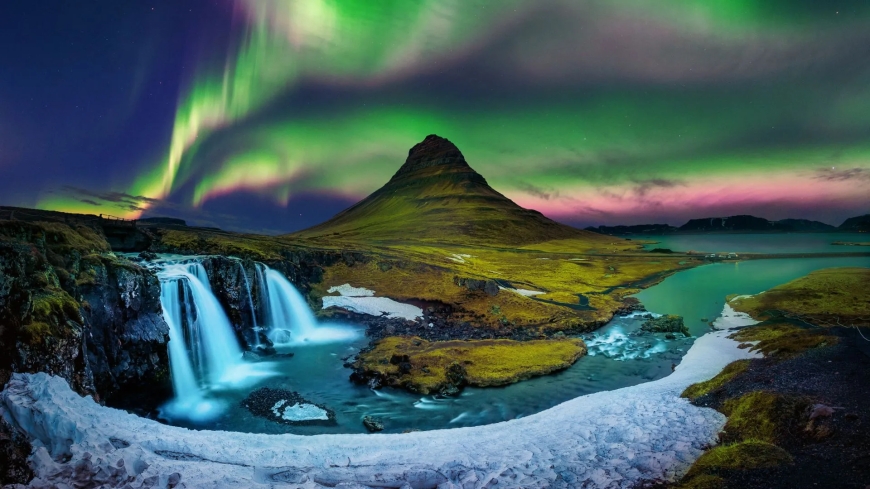
Iceland — The Gold Standard of Solo Female Travel
If you ever need to end a debate about where women can travel most safely alone, Iceland ends it immediately. For 14 consecutive years, this small North Atlantic island has held the top spot on the Global Peace Index, and it's equally dominant on every gender equality ranking that exists. Iceland has topped the World Economic Forum's Global Gender Gap Report for over a decade. These aren't quiet administrative achievements; they shape the texture of daily life in a way that solo female travelers feel from the first day.
Violent crime and street harassment are virtually non-existent here. Women who visit regularly describe a sense of spatial freedom that's genuinely hard to find elsewhere, the kind where you can take a midnight walk during the summer solstice, hike to a waterfall before dawn, or sit alone at a Reykjavík bar without a second thought about who might be watching. The population sits at just over 380,000, which makes it tight-knit in the best possible way. People look out for each other by default.
The country practically begs you to explore independently. The famous Ring Road circles the entire island, passing glaciers, geysers, volcanic beaches, and dramatic lava fields, all of which are perfectly suited to a self-drive solo adventure. Reykjavík itself is endlessly walkable, full of creative restaurants, bookshops, design studios, and one of the warmest coffee cultures in the world. Even the most remote highland landscapes are well-marked and safely navigated with a bit of preparation.
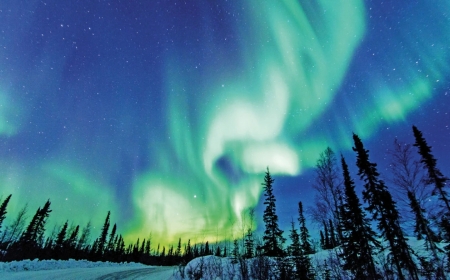
The honest trade-off: Iceland is expensive. Not mildly expensive, significantly so. Accommodation, dining, and car rental costs are among the highest in Europe. The savvy approach is to self-cater where possible, book accommodation early (especially for summer travel, when the midnight sun draws enormous crowds), and prioritize free natural wonders over paid attractions. The Northern Lights and the volcanic interior cost nothing to experience, and they're the reason most people come anyway.
Best time to visit: June through August for long daylight hours and the green highland interior; October through February for the best Northern Lights viewing.
-
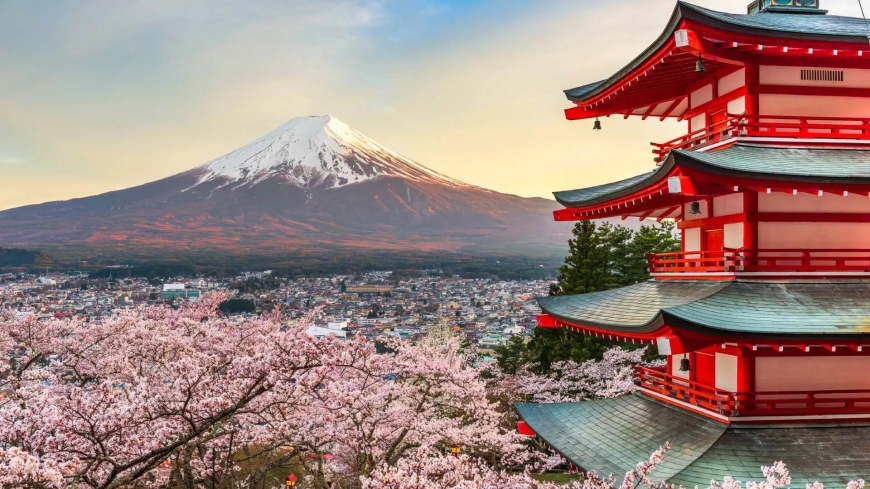
Japan — Safety, Culture, and Unmatched Ease
Japan occupies a rare category of destinations: places where the reality is even better than the reputation. Women who have visited solo across dozens of countries consistently rank Japan as the place where they felt safest, not because they were told it was safe, but because they experienced a particular quality of ease within hours of arriving.
The specifics matter here. Violent crime against tourists is extremely uncommon. Petty theft is so rare that people genuinely leave laptops on café tables and return to find them untouched. There is no catcalling culture. Children commute to school alone on the subway. These are daily observable realities, not marketing points, and they create a baseline comfort that lets you focus entirely on exploring rather than managing your environment.
Japan also gets the practical details right in ways that directly benefit solo female travelers. Major cities including Tokyo and Osaka operate designated women-only train carriages during rush hours, clearly marked with pink signage, providing a straightforward option when platforms get crowded. Accommodation options span a wide range that works particularly well for solo travelers: women-only capsule hotels and hostels exist in Tokyo and other cities; ryokan guesthouses offer private rooms with exceptional hospitality; and business hotels typically have strong security infrastructure including locked elevator floors.
Solo dining, which can feel awkward in some cultures, is completely normalized in Japan. Ramen bars, sushi counters, and izakayas are literally designed with single diners in mind, with counter seating that makes eating alone not just acceptable but actually enjoyable. The food is extraordinary, the trains run on time, and Google Maps works flawlessly, which makes navigating a country where you may not read the script far more manageable than you'd expect.
Culturally, Japan is endlessly rewarding. The contrast between ultramodern Tokyo and the ancient temples of Kyoto alone would justify the trip, but there are also the mountain towns of the Japanese Alps, the island-hopping routes of the Seto Inland Sea, the artistic island of Naoshima, and the slow magic of rural Tohoku waiting for anyone willing to venture a little further off the standard circuit.
The honest trade-off: The language barrier is real. English is not as widely spoken outside major tourist areas as it is in European destinations. A few offline translation tools and some pre-downloaded maps go a long way. Earthquakes are also a natural hazard worth being aware of; downloading a real-time alert app before you travel is a smart first step.
Best time to visit: March through May for cherry blossoms; October through November for autumn foliage and comfortable temperatures.
-
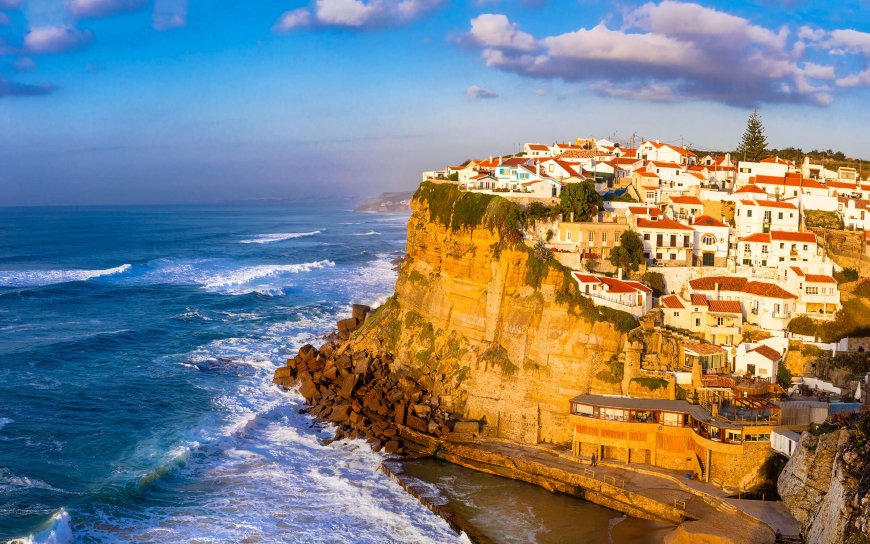
Portugal — Europe's Most Underrated Solo Destination
Portugal has a quiet confidence about it that suits solo travel perfectly. It doesn't shout or hustle. It just delivers warm food, warmer people, dramatic coastlines, and a pace of life that makes it genuinely easy to be present. For solo female travelers in 2026, it consistently ranks among Europe's best-value, highest-comfort options.
The safety credentials are serious. Portugal held the seventh spot on the 2024 Global Peace Index, and violent crime targeting visitors is rare. The most common issue travelers encounter is pickpocketing in busy tourist zones, Lisbon's famous Tram 28 route is a known hotspot which is easily addressed with a front-worn crossbody bag and basic awareness. Beyond that, solo women report feeling comfortable walking at night in city centers, sitting alone in restaurants, and exploring coastal areas without concern.
Lisbon is an exceptional solo city. It's compact enough to navigate on foot, hilly enough to surprise you around every corner, and vibrant enough that there's always something to observe from a café terrace. The historic Alfama neighborhood, with its winding streets and fado music drifting from open doorways, is the kind of place that feels entirely different at different hours of the day. Morning brings quiet tile-fronted houses and strong espresso; evening brings fairy lights and the unmistakable ache of live fado. A solo traveler here is never lonely, the city keeps you company.
Porto earns equal praise. The historic centre is walkable, the food scene is outstanding, and the Douro River waterfront is one of the most pleasant evening strolls in Europe. Branching out further, the Algarve's coastal towns like Lagos and Tavira are calm, safe, and scenic, with hiking trails along dramatic limestone cliffs, affordable seafood, and a friendly community of both locals and international visitors.
Portugal is also genuinely affordable by Western European standards. Budget travelers can eat well and sleep comfortably for far less than in France, Germany, or the UK, which extends how long you can stay and how deeply you can explore.
The honest trade-off: Tourist crowds in Lisbon and parts of the Algarve have grown significantly in recent years. Shoulder season travel, spring or autumn gives you better prices, thinner crowds, and arguably better weather for walking.
Best time to visit: April through June and September through October for pleasant temperatures, fewer tourists, and blooming countryside.
-
New Zealand — Adventure Without Anxiety
New Zealand makes the list for a reason that's distinct from the others: it's where solo female travelers who want genuine adventure get to have it without the safety compromises that usually come with remote wilderness travel. The landscapes are staggering fjords, glaciers, volcanic peaks, luminous green farmland, and beaches that look like they've never been touched and the infrastructure for exploring them independently is excellent.
The country consistently earns strong scores on global safety and gender equality indexes, and the cultural baseline is welcoming and unpretentious. New Zealanders — Kiwis have a frank, friendly, no-fuss approach to visitors that makes it easy to ask for help, strike up a conversation, or get reliable local advice without any of the awkward formality that can make solo travel in some countries feel isolating.
The network of Department of Conservation (DOC) huts along the country's Great Walks means you can complete multi-day treks through some of the most dramatic scenery on earth while staying in well-maintained, staffed accommodation that naturally brings solo hikers together. Trampers on routes like the Milford Track or the Tongariro Alpine Crossing share huts, stoves, and stories solo travel without the solitude, if that's what you want.
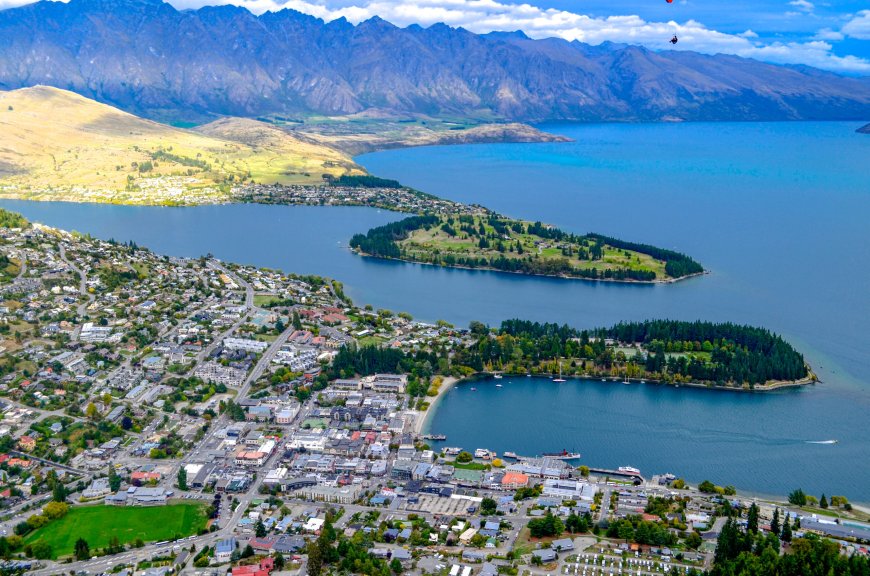
Cities like Auckland, Wellington, and Queenstown are safe, easy to navigate, and rich with food, art, and nightlife options. Queenstown in particular has a well-earned reputation as a solo-friendly hub, where the hostel and activity culture means it's nearly impossible to spend a week there without making friends. For solo women who find city-based travel a little too passive, New Zealand's combination of adrenaline activities, Māori cultural experiences, and wild landscapes offers something genuinely different.
The honest trade-off: Distance. Getting to New Zealand from Europe, North America, or most of Asia involves a long-haul flight that can feel like a commitment. Budget accordingly, and plan to stay at least three weeks to make the journey worthwhile.
Best time to visit: December through February (Southern Hemisphere summer) for hiking and outdoor adventure; March through May for quieter travel and autumn color.
-
Denmark — Where Equality Is a Way of Life
Denmark doesn't make the solo female travel shortlist by accident. It earns its place by building a society where gender equality isn't a campaign it's an infrastructure. The country scores at the very top of the Women, Peace, and Security Index, with exceptional performance across employment, financial inclusion, freedom from legal discrimination, and personal safety. For a solo female traveler, that translates into a place where you're treated with consistent respect not because you're a visitor, but because that's simply how things work here.
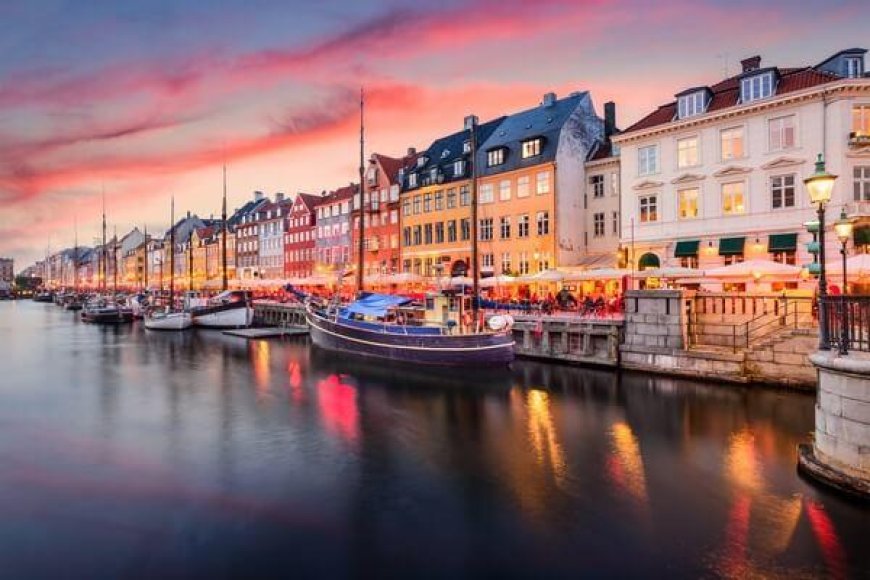
Copenhagen is arguably the most livable city in Europe, and for solo travelers it's close to ideal. The city is extraordinarily walkable and bike-friendly bike lanes are so well maintained that cycling is genuinely the fastest way to get around which gives solo exploration a relaxed, low-pressure quality that's hard to match. The architecture shifts from candy-colored canal houses in Nyhavn to brutalist design museums to cutting-edge food labs, all within cycling distance of each other.
Denmark's food scene has become world-famous, and eating solo here is a particular pleasure. The New Nordic culinary movement that started with Noma has trickled down into the whole city's approach to ingredients and presentation; even casual lunch spots take their smørrebrød seriously. Torvehallerne, the city's covered food market, is an ideal solo dining ground where the whole culture is built around grazing, standing, and eating without ceremony.
Beyond Copenhagen, Aarhus offers a cooler, more understated Danish experience with a fantastic contemporary art museum (ARoS), a lively university culture, and the charming "old town" open-air museum. The Danish coastline is quiet and windswept and deeply beautiful for anyone willing to rent a bike and ride toward the sea without a firm plan.
The honest trade-off: Denmark shares Iceland's price tag. It's one of the more expensive European countries, particularly for accommodation and dining out. A combination of food market grazing, self-catering, and booking accommodation in advance helps stretch the budget without missing any of the experiences that make it worth coming.
Best time to visit: May through August for long days, outdoor markets, and the best of the cycling culture; December for hygge season and festive markets.
-
Universal Safety Tips for Solo Female Travelers
No matter which country you choose, a few habits make every solo trip smoother and safer.
Before you leave: Share your full itinerary with at least one person at home. Download offline maps, translation apps, and your destination's emergency number. Invest in travel insurance that covers medical evacuation it's rarely needed, but when it is, you'll be grateful.
On the ground: Keep your most important documents (passport copy, insurance details, emergency contacts) accessible digitally and backed up in cloud storage. Use a front-worn crossbody bag in crowded areas. Charge your phone at every opportunity and carry a small power bank.
Accommodation: Trust your instincts when choosing where to stay. Read recent reviews from other solo female travelers specifically their experiences are the most relevant. Well-lit entrances, a staffed reception desk, and a central location matter more than a slightly lower price.
Meeting people: Hostel common rooms, day tours, cooking classes, and hiking groups are among the best ways to meet other travelers without the pressure of nightlife situations. Many solo female travelers build the best connections of a trip through shared activities rather than bars.
Trust yourself: The greatest safety tool you have is your own intuition. If a situation, a person, or a route feels wrong, walk away without explanation. No travel experience is worth compromising your comfort or safety.
-
How to Choose the Right Destination for You
The five countries in this guide span a wide range of travel personalities, price points, and experiences. Here's a quick way to think about which one fits your trip.
Go to Iceland if you want the greatest sense of personal freedom and safety, love dramatic natural landscapes, and don't mind paying a premium for that peace of mind. Go to Japan if you're drawn to deep cultural immersion, extraordinary food, hyper-efficient infrastructure, and the rare comfort of true urban safety. Choose Portugal if you want the European solo experience at a more accessible price point, crave warmth and hospitality, and love a destination that rewards slow, curious exploration. Head to New Zealand if adventure is your primary motivation and you want to combine great outdoors experiences with a reliably safe, English-speaking environment. Pick Denmark if you prioritize sophisticated urban design, a world-class food scene, and the quiet confidence of traveling in one of the world's most equal societies.
Any one of them will repay the effort of getting there. The hardest part, honestly, is choosing.
-
Final Word: Go. Just Go.
Solo female travel has never had more resources, more community, or more momentum behind it than it does right now. The women filling long-haul flights in 2026 aren't reckless they're informed. They've done the research, packed thoughtfully, and decided that the world is worth experiencing on their own terms without waiting for someone else's schedule to align with theirs.
Iceland, Japan, Portugal, New Zealand, and Denmark are five of the most rewarding places on earth to do exactly that. They are different in almost every way that matters climate, culture, cost, landscape but they share one quality that no index can fully capture: the feeling of arriving somewhere and knowing, within a few hours, that you made exactly the right choice.
Plan carefully, stay curious, and trust yourself. The trip you've been putting off is closer than you think.
-
FAQs About Solo Female Travel in 2026
Which is the single safest country for women traveling alone in 2026?
Iceland consistently holds the top spot across multiple global safety and gender equality indexes, including the Global Peace Index and the WPS Index. For solo female travelers specifically, it offers the greatest sense of personal spatial freedom of any destination in the world.
Is Japan easy to navigate without speaking Japanese?
Yes, more so than many first-time visitors expect. Major train stations and tourist sites have English signage, Google Maps works reliably, and translation apps handle menus and signs in real time. Most hotels and tourist-facing businesses have English-speaking staff.
Is solo female travel in Europe affordable in 2026?
It depends on the country. Portugal is one of the most budget-friendly Western European destinations. Denmark and Iceland are significantly more expensive. Planning self-catering accommodation and avoiding peak summer season helps with costs across the board.
What's the best way to meet other travelers as a solo woman?
Staying in social hostels, joining day tours, taking cooking or language classes, and participating in guided hikes are all reliably good ways to connect with like-minded travelers. Many of the destinations on this list have a strong backpacker and solo traveler culture that makes meeting people feel natural.
Do I need travel insurance for solo female travel?
Without question, yes. Travel insurance covering medical emergencies, trip cancellation, and ideally medical evacuation is an essential part of any solo trip. The cost is small relative to the protection it provides.
What is the Women, Peace, and Security (WPS) Index?
The WPS Index measures women's inclusion, justice, and security across 181 countries and is published by Georgetown University and the Peace Research Institute Oslo. It's one of the most comprehensive tools available for understanding how women are treated and protected in different countries around the world.
What's Your Reaction?
 Like
0
Like
0
 Dislike
0
Dislike
0
 Love
0
Love
0
 Funny
0
Funny
0
 Wow
0
Wow
0
 Sad
0
Sad
0
 Angry
0
Angry
0

A spirit that pursues sunsets and tales. Entrepreneur at heart, globe-trotter by soul. Founder of an art-worshiping jewelry brand that embodies emotion & individuality — where each piece is a tale of culture, craft, and character. From trails up mountains to gem markets, I'm inspired by all journeys — transforming wanderlust into enduring design. Establishing a brand built on authenticity, refinement & purpose — one work at a time.










Comments (0)