

Isla de la Juventud: Why Cuba's Forgotten Island is a Nature Lover's Dream
Discover why Isla de la Juventud is Cuba's best-kept secret for nature lovers, from world-class coral reef diving to endemic wildlife, wetland reserves, and pristine unspoiled coastlines. Your complete travel guide.
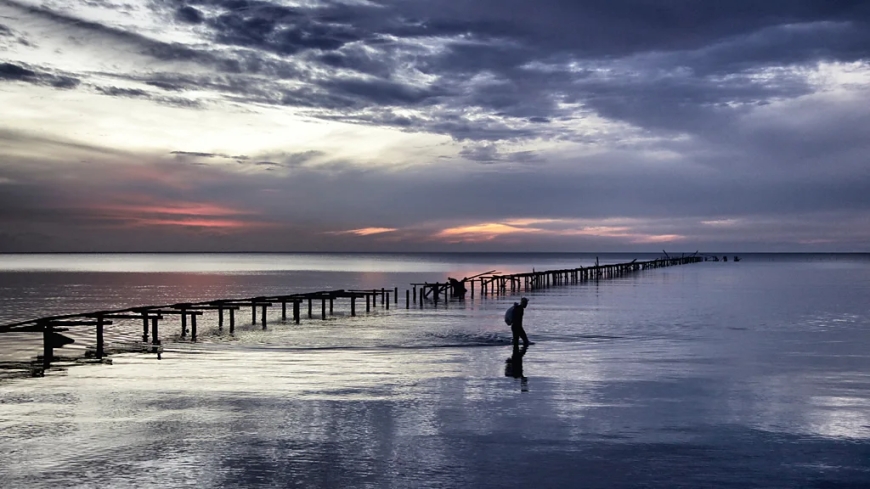
Table of Contents
- Introduction: Cuba's Best-Kept Secret
- Where Exactly Is Isla de la Juventud?
- A Brief History That Shaped the Island
- The Untouched Natural Landscapes
- World-Class Diving and Marine Life
- Wildlife and Birdwatching Paradise
- Ecological Reserves Worth Exploring
- What to Do Beyond Nature
- Best Time to Visit
- How to Get There
- Travel Tips for First-Time Visitors
- Final Thoughts: Is It Worth the Journey?
-
Introduction: Cuba's Best-Kept Secret
When most travellers picture Cuba, the images that come to mind are vivid and predictable, the colourful vintage cars weaving through Havana's crumbling colonial streets, the salsa rhythms drifting from open doorways, and the long white beaches of Varadero. Few ever think to look beyond the mainland. Fewer still have heard of Isla de la Juventud.
And that, as it turns out, is exactly what makes it extraordinary.
Isla de la Juventud, which translates to "Island of Youth" in English is Cuba's largest offshore island and sits tucked away in the Gulf of Cazones, roughly 100 kilometres south of the Cuban mainland. Despite its size and its long, layered history, the island remains almost entirely absent from mainstream travel itineraries. No cruise ships dock here. No luxury resort chains have staked their claim. What you find instead is something increasingly rare in today's over-touristed world: a destination that feels genuinely, unhurriedly itself.
For nature lovers in particular, this island is nothing short of a revelation. From world-renowned diving sites teeming with coral and marine life to vast wetland reserves sheltering endemic bird species, Isla de la Juventud offers a depth of ecological richness that most Caribbean islands simply cannot match. This guide dives into everything that makes this forgotten island a dream worth seeking out.
-
Where Exactly Is Isla de la Juventud?
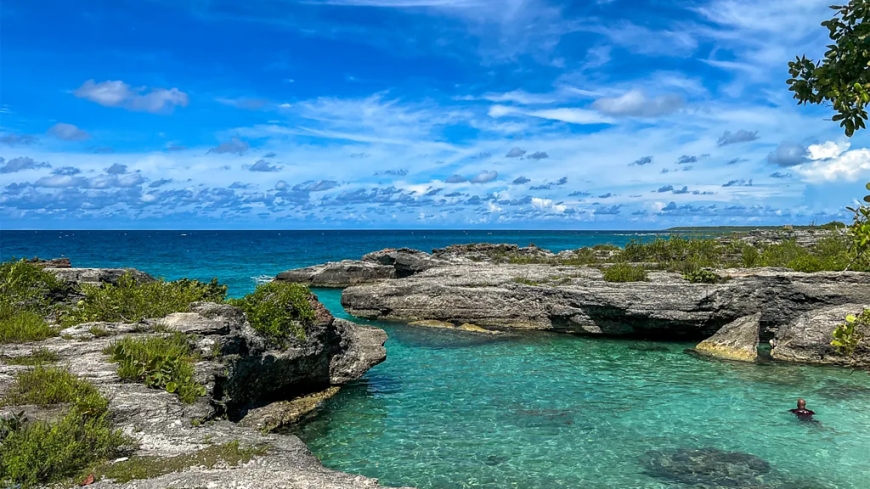
Isla de la Juventud is the principal island of the Canarreos Archipelago, a scattering of small cays and islets in the southwestern Caribbean Sea. With an area of approximately 2,200 square kilometres, it is the sixth-largest island in the Caribbean by landmass, yet its population sits at only around 80,000 people, a remarkably low density that has helped preserve its natural character.
The island's capital is Nueva Gerona, a quiet, unpretentious town that serves as the main hub for transport and services. Beyond the town limits, the landscape opens up dramatically into pine forests, mangrove swamps, rolling savannahs, and pristine coastline. The southern half of the island is largely undeveloped and protected as a natural biosphere reserve, making it one of the most ecologically intact areas in the entire Caribbean.
-
A Brief History That Shaped the Island
To understand Isla de la Juventud today, it helps to understand the unusual life it has lived.
The island was first encountered by Christopher Columbus during his second voyage in 1494, and for centuries it changed hands between pirates, colonial powers, and regional authorities. Its remoteness made it a favoured refuge for buccaneers, and legends of buried treasure still cling to parts of its coastline, some historians believe the island may have inspired Robert Louis Stevenson's fictional Treasure Island, though this connection remains delightfully debated.
Under Spanish colonial rule, the island served as a penal colony, a function the Cuban government itself later revived. Notably, a young Fidel Castro was imprisoned here between 1953 and 1955 following the failed Moncada Barracks assault. The prison where he was held, the Presidio Modelo, still stands near Nueva Gerona and is now one of the island's most visited historical sites, an eerie, circular structure inspired by the Panopticon model of surveillance architecture.
In the 1970s and 1980s, the island was rebranded as a symbol of socialist internationalism. Thousands of students from Africa, Asia, and Latin America were brought here to study under Cuban educational programmes, which is where the name "Island of Youth" was officially adopted. Many of the school buildings from that era remain standing, partially reclaimed by vegetation, lending the island a peculiar, almost post-apocalyptic atmosphere in certain corners.
This layered, unlikely history has kept the island off conventional tourism radar, but it has also kept its natural world remarkably intact.
-
The Untouched Natural Landscapes
Step outside Nueva Gerona in almost any direction and the landscape changes quickly. The northern half of the island is covered in low pine forests, grasslands, and red-earthed hills that bear an almost surprising resemblance to parts of the Mediterranean. The southern reaches, however, are where the island's ecological identity becomes fully apparent.
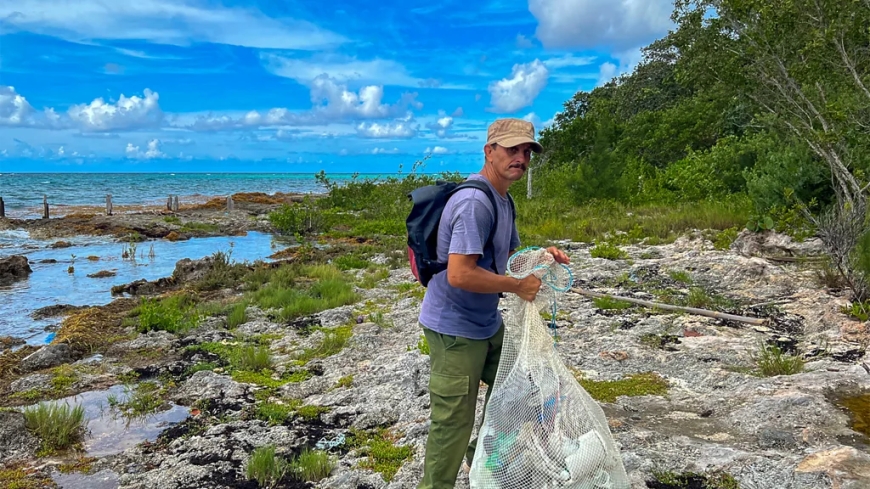
The Ciénaga de Lanier a vast, largely impenetrable wetland that bisects the southern portion of the island, acts as a natural boundary between the inhabited north and the protected south. This freshwater and brackish marshland is home to crocodiles, manatees, jutías (native tree rats), and countless bird species. Accessing it requires a guide and some patience, but the reward is a landscape that genuinely feels untouched by modern intrusion.
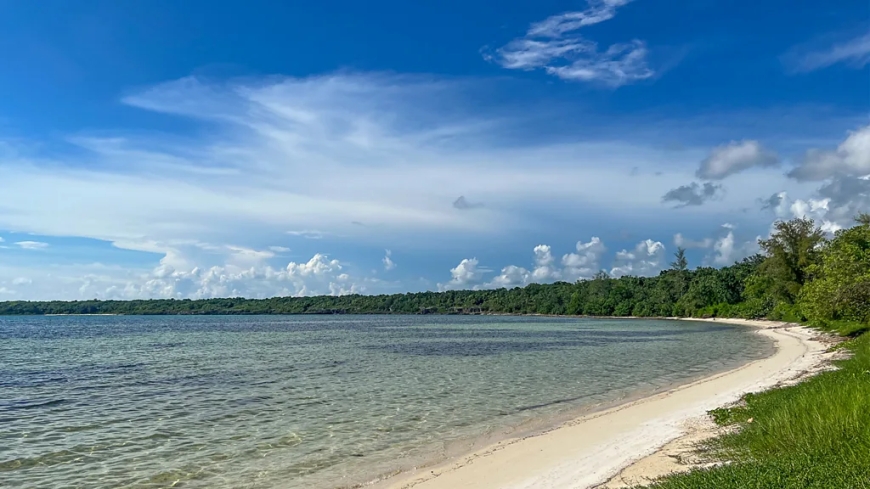
The southern coastline, running from Punta del Este westward through Caleta Grande, is one of the most unspoiled stretches of shoreline in the Caribbean. White sand beaches with no vendors, no sun loungers for hire, and no queues for beach bars, just ocean, sky, and the occasional pelican conducting its own investigation into the shallows.
-
World-Class Diving and Marine Life
If there is one thing that draws the island's small but devoted community of repeat visitors back again and again, it is the diving.
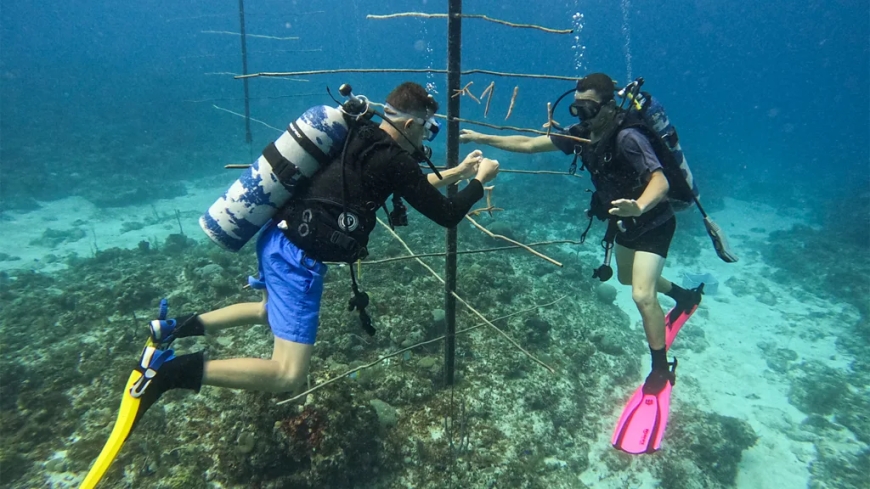
The waters surrounding Isla de la Juventud, particularly along the southwestern coast near Punta Frances, are home to some of the best-preserved coral reef systems in the Caribbean. The area falls within the Marino de la Reina National Park, and because access has historically been limited, the reefs have had the chance to recover and flourish in ways that reefs elsewhere simply haven't.
Visibility in these waters regularly exceeds 30 metres. Divers encounter black coral gardens at depth, enormous sponge formations in hues of orange and violet, and a cast of marine characters that reads like an underwater encyclopaedia eagle rays, nurse sharks, hawksbill turtles, and dense schools of snapper and grouper moving through the blue like slow-turning clouds.
There are around 56 mapped dive sites off the island, catering to everything from beginners exploring shallow reef gardens to experienced divers navigating dramatic wall dives where the ocean floor drops away into darkness. The dive infrastructure is modest, a handful of small dive centres operating out of Colony Hotel, but the instructors are knowledgeable and genuinely passionate about these waters.
For snorkellers, the shallower sections near Punta Frances offer equally impressive encounters without the need for tanks and certification.
-
Wildlife and Birdwatching Paradise
Beyond the water, the island's terrestrial ecosystems are equally compelling for wildlife enthusiasts.
The Lanier Swamp and the surrounding pine savannahs support over 175 recorded bird species, including several endemic to the Cuban archipelago. The Cuban pygmy owl, the bee hummingbird (the world's smallest bird, at under six centimetres long), the Cuban trogon, and the Cuban amazon parrot can all be found here with some patience and a decent pair of binoculars.
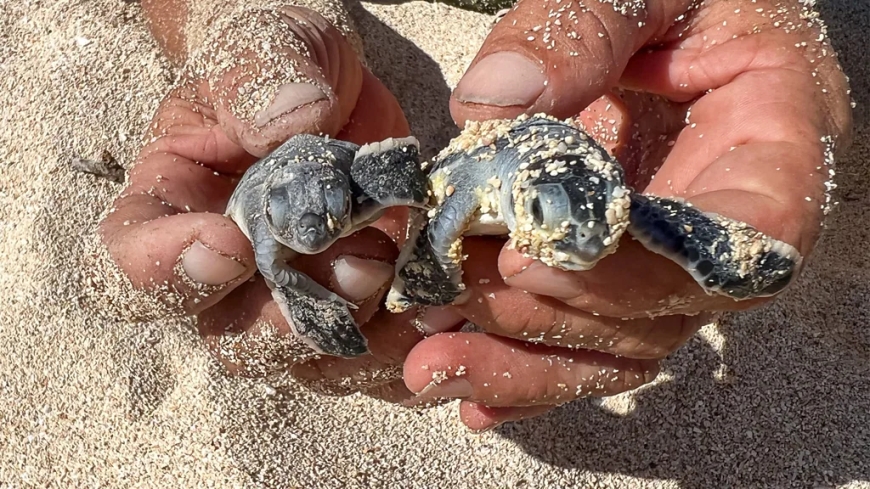
The island also supports a healthy population of Cuban crocodiles, one of the world's most endangered crocodilian species. Though their range has contracted significantly across Cuba due to habitat loss, the southern wetlands of Isla de la Juventud remain one of their last strongholds. Crocodile breeding programmes operate on the island, and carefully managed guided tours offer the remarkable experience of observing these ancient animals in a semi-wild setting.
The jutía, a large, tree-dwelling rodent endemic to the Caribbean, is also commonly spotted in the pine forests. These gentle, unhurried creatures appear almost indifferent to human presence, which makes for excellent, close-range observation.
-
Ecological Reserves Worth Exploring
The southern quarter of the island forms part of a UNESCO-recognised biosphere reserve, and several protected areas within it deserve special mention.
Punta del Este is home to a series of pre-Columbian cave paintings attributed to the Siboney people, who inhabited the island long before European contact. The site contains over 200 pictographs arranged in concentric circles and geometric patterns whose meaning remains a subject of scholarly debate. Visiting requires a permit and is typically arranged through the island's cultural heritage authorities, but the journey there through untouched wilderness is half the experience.
Los Indios Natural Reserve on the southwestern tip of the island is one of the best areas for observing both coastal and inland ecosystems in close proximity. Mangroves give way to dry scrub forest, which opens onto dazzling white sand beaches and gin-clear water. Flamingos, roseate spoonbills, and frigate birds are all regularly spotted here.
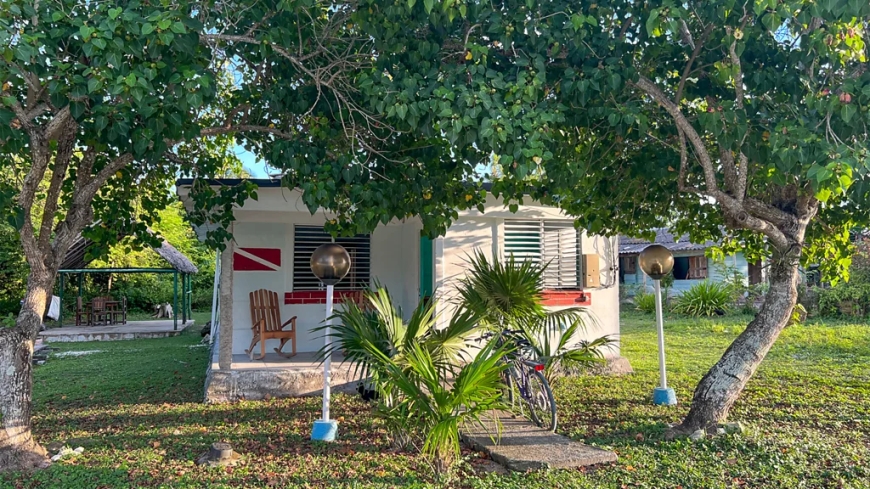
Ensenada de la Siguanea is a broad, sheltered bay on the island's western coast that provides a relatively calm entry point for kayakers and snorkellers looking to explore the reef edge independently.
-
What to Do Beyond Nature
While nature is undoubtedly the island's greatest draw, a few days spent in and around Nueva Gerona reveals a quietly rewarding cultural dimension as well.
The Presidio Modelo is an essential visit, not only for its historical resonance but for its strange, cinematic architecture. Walking the circular corridors of the cellblocks, now open to the sky and weathered by decades, is a genuinely haunting experience.
The Museo Municipal in Nueva Gerona offers a well-curated introduction to the island's layered history, from its pre-Columbian indigenous inhabitants through the colonial era and into the revolutionary period. Staff are typically friendly and happy to provide context that the exhibits alone don't always convey.
The town's Fondo de Bienes Culturales gallery showcases work by local artists, and the quality is often surprisingly high. Paintings, ceramics, and woodwork rooted in the island's distinctive landscape make for more meaningful souvenirs than anything sold in airport gift shops.
-
Best Time to Visit
The island's climate follows the broad pattern of the Cuban archipelago, a dry season running roughly from November through April, and a wetter, hotter period from May through October.
For diving and outdoor exploration, the dry season offers the clearest skies and most reliable conditions. Water temperatures remain warm year-round, hovering between 24°C and 29°C, which makes cold-water diving gear unnecessary. Hurricane season runs from June through November and can occasionally disrupt travel connections to the island, so those visiting during this period should build in flexibility around their itinerary.
Birdwatching is excellent year-round, though the winter months bring migratory species from North America that supplement the island's resident populations, making December through February particularly rewarding for enthusiasts.
-
How to Get There
Reaching Isla de la Juventud requires a small amount of planning, which is itself part of the reason the island remains so unspoiled.
The most common route is a domestic flight from Havana's José Martí International Airport to the airport just outside Nueva Gerona. Flights operate most days and take approximately 30 minutes, though schedules can be irregular and booking in advance through Cuban aviation authorities or local travel agencies is advisable.
An alternative, and considerably more atmospheric, option is the ferry service from the port of Surgidero de Batabanó on the southern coast of mainland Cuba. The high-speed catamaran crossing takes around two and a half hours and operates several times weekly. The slower conventional ferry is less predictable in schedule but provides a more immersive sense of arrival.
Entry to Cuba requires a valid tourist card (tarjeta del turista), available through Cuban embassies, airlines, or authorised travel agencies, alongside a passport valid for the duration of your stay.
-
Travel Tips for First-Time Visitors
Bring cash. As with mainland Cuba, credit cards issued by US banks are generally not accepted, and ATM availability is limited. Even for visitors from elsewhere, having sufficient cash in Cuban pesos or convertible currency is strongly advisable before arriving on the island.
Learn a little Spanish. English is spoken by some staff at the main hotel and dive centre, but the broader population communicates primarily in Spanish. Even a basic vocabulary goes a long way and is warmly appreciated.
Book dive trips in advance. The dive centre at Colony Hotel operates the primary organised dive programme on the island. During the peak dry season, spaces can fill up quickly, particularly for the most popular sites near Punta Frances.
Embrace the slower pace. Isla de la Juventud does not operate on the logic of a conventional tourist resort. Transport connections can be irregular, restaurants may run out of certain dishes, and timelines rarely unfold as precisely as planned. Approaching this with patience rather than frustration transforms it from an inconvenience into part of the island's distinct, unhurried charm.
Respect protected areas. Much of the island's most dramatic wildlife habitat sits within formally protected zones. Stay on designated paths, follow the guidance of local rangers and guides, and resist the temptation to remove shells, coral, or plant material from natural areas.
-
Final Thoughts: Is It Worth the Journey?
There is a particular kind of travel experience that has become genuinely rare, the kind where the destination does not yet know it is supposed to perform for visitors. Isla de la Juventud offers exactly this. It has not been packaged, smoothed, or optimised for international consumption. The reefs have not been depleted by decades of overuse. The birds have not been trained to appear on cue. The history sits in the open air, unrestored and unvarnished, exactly as it was left.
For the nature lover willing to put in the small additional effort that reaching this island requires, the reward is a Caribbean experience that feels almost impossible to find in 2026 genuinely wild, genuinely quiet, and genuinely unforgettable.
Cuba's forgotten island is waiting. And the fact that so few people know about it yet is precisely the reason you should go now.
What's Your Reaction?
 Like
0
Like
0
 Dislike
0
Dislike
0
 Love
0
Love
0
 Funny
0
Funny
0
 Wow
0
Wow
0
 Sad
0
Sad
0
 Angry
0
Angry
0

A spirit that pursues sunsets and tales. Entrepreneur at heart, globe-trotter by soul. Founder of an art-worshiping jewelry brand that embodies emotion & individuality — where each piece is a tale of culture, craft, and character. From trails up mountains to gem markets, I'm inspired by all journeys — transforming wanderlust into enduring design. Establishing a brand built on authenticity, refinement & purpose — one work at a time.











Comments (0)