

Winter Spiti Valley: A Complete Travel Guide to the Frozen Himalayas
Explore Winter Spiti Valley with this complete travel guide — routes, itinerary, stays, weather & tips for an unforgettable frozen Himalayan adventure.
Table of Contents
- Introduction: The Magic of Winter Spiti Valley
- Why Go to Spiti in Winter
- Best Route for a Winter Road Trip to Spiti Valley
-
8-Day Spiti Itinerary during Winter
- Day 1: Chandigarh → Narkanda (180 km / 6–7 hrs)
- Day 2: Narkanda → Pooh Village (230 km / 8–9 hrs)
- Day 3: Pooh → Nako (70 km / 3–4 hrs)
- Day 4: Nako → Kaza (120 km / 5–6 hrs)
- Day 5: Kaza → Langza, Hikkim & Comic → Return to Kaza (Local Tour)
- Day 6: Kaza → Key Monastery, Kibber & Chicham Bridge → Return to Kaza
- Day 7: Kaza → Tabo → Rampur (260 km / 8–9 hrs)
- Day 8: Rampur → Chandigarh (250 km / 7–8 hrs)
- Weather During Winters in Spiti
- Best Stay Options in Spiti Valley
- Mandatory Travel Tips for a Spiti Winter Adventure
- Things to Remember Before You Arrive
- Conclusion: The Frozen Beauty of the Himalayas
-
Introduction: The Magic of Winter Spiti Valley
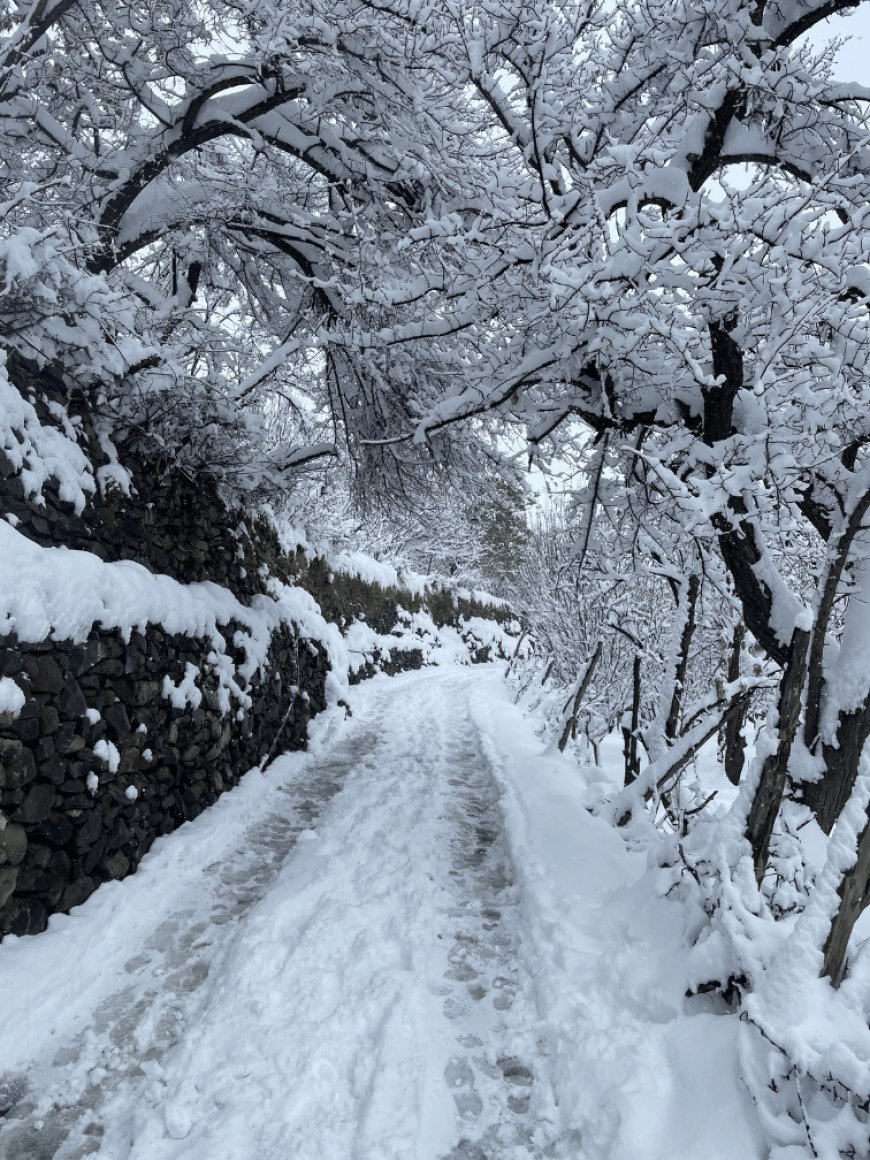
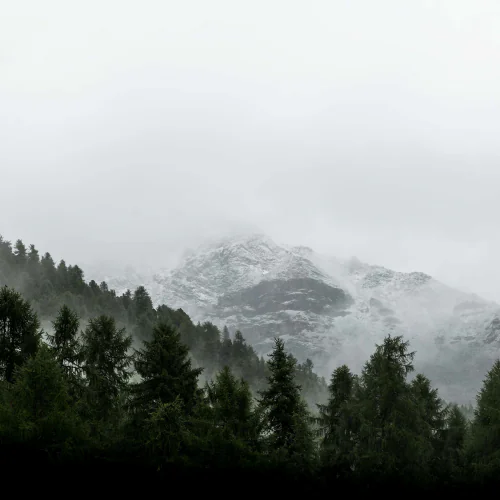
Located deep in the Trans-Himalayan range of Himachal Pradesh, Spiti Valley is a winter wonderland. A place referred to as the "Middle Land" between India and Tibet, this high-altitude desert is a land of snow-white monasteries, ice-capped rivers, and serene mountain villages.
If you're looking for solitude, adventure, and unbridled Himalayan splendor, a winter road trip to Spiti Valley provides an experience that will linger in your memory forever. This Spiti Valley Travel Guide will assist you in planning your ideal Spiti itinerary in winter covering routes, weather, lodging, and tips.
-
Why Go to Spiti in Winter
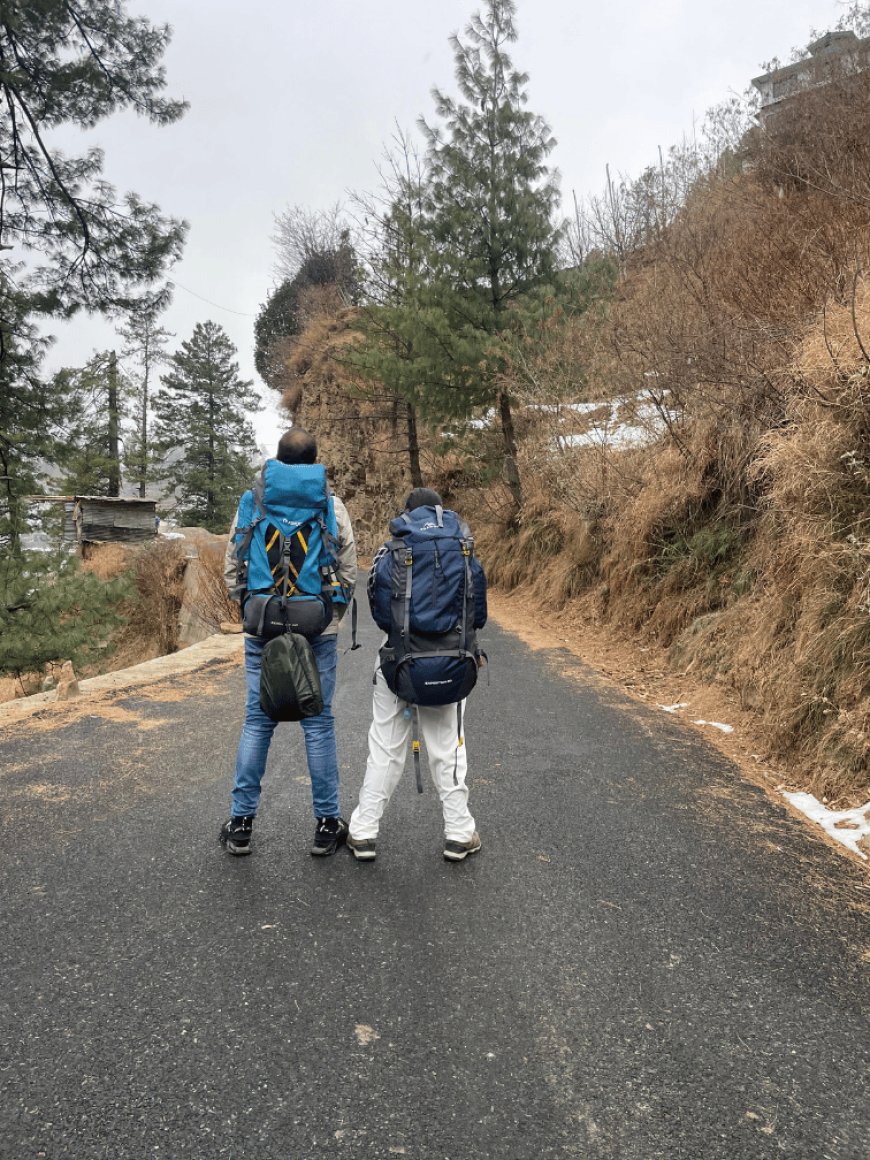
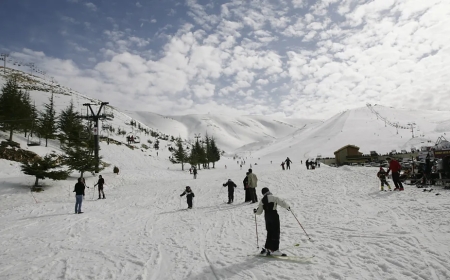
Whereas tourists flock to Spiti between May and October, winter Spiti Valley provides a totally different experience. The rugged climate deters groups, and it becomes perfect for adventurers and photographers who want to experience real Himalayan living.
- Snow-Covered Landscapes: The valley shines with thick layers of snow.
- Cultural Experience: See how villagers live through sub-zero temperatures with warm welcome.
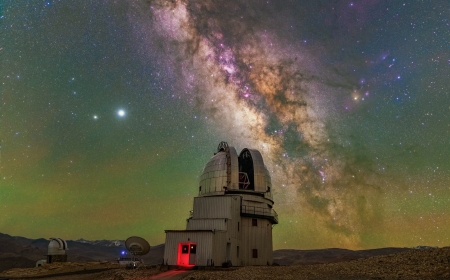
- Less Touristy: Experience serene monasteries, frozen lakes, and starry skies.
- Lesser Experiences: If fortunate, you might even catch the enigmatic Snow Leopard at the Kibber area.
-
Best Route for a Winter Road Trip to Spiti Valley
The Manali–Kaza highway is closed during winter because of heavy snowfall at Kunzum Pass. The route open is Shimla–Kinnaur–Spiti.
Recommended Route:
Chandigarh → Shimla → Narkanda → Rampur → Pooh → Nako → Kaza
This route is open for most of the year, although snow chains and 4x4 cars are highly recommended.
Distance: Approx. 720 km
Time Taken: 8 Days (best for a leisurely, scenic trip)
-
8-Day Spiti Itinerary during Winter
Here is a comprehensive 8-day Spiti Valley winter itinerary, ideal for travellers from Chandigarh.
-
Day 1: Chandigarh → Narkanda (180 km / 6–7 hrs)
Begin the day early from Chandigarh. While driving through Shimla and Kufri, pine forests are replaced by snow-covered hills. Arrive in Narkanda, a peaceful mountain town surrounded by apple orchards.
Stay: Comfortable homestays or budget-friendly hotels such as The Hatu or Tethys Ski Resort.
Highlights: sunset views over the valley, skiing, and Hatu Peak.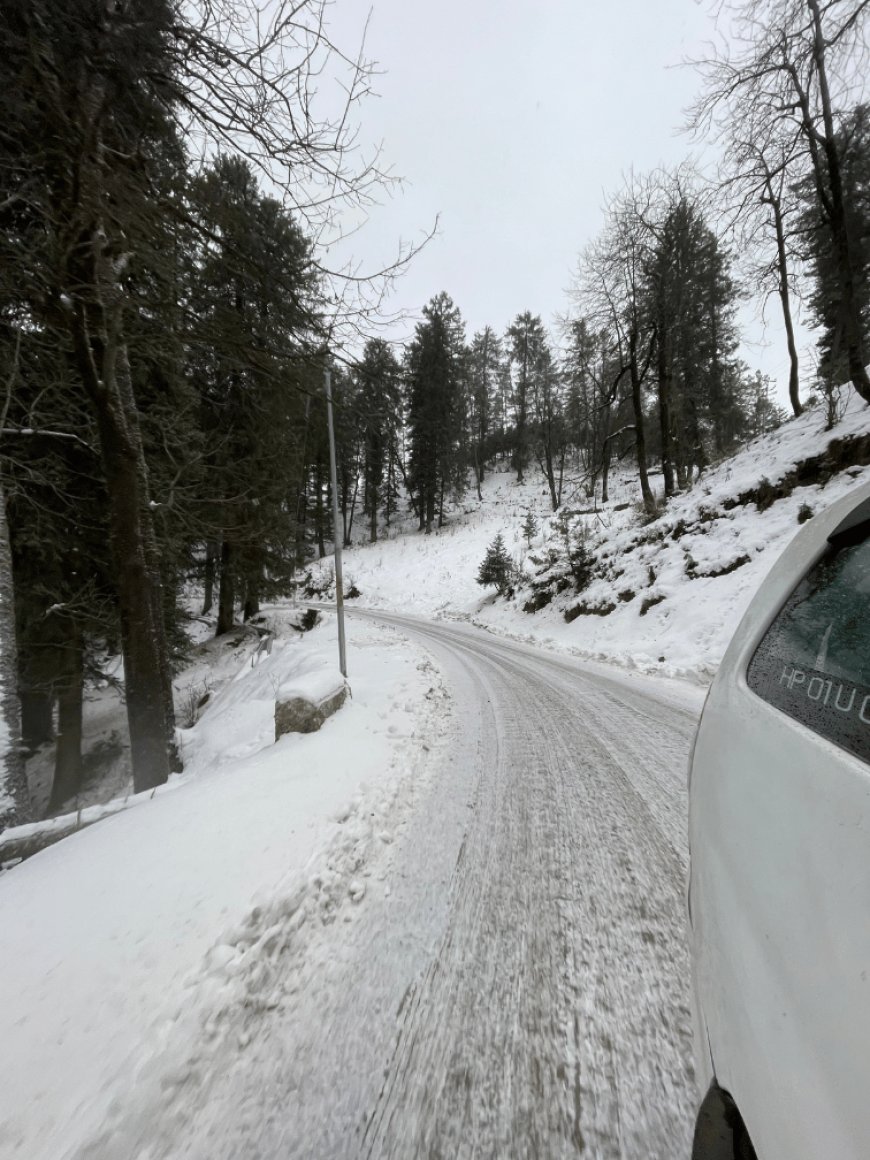
-
Day 2: Narkanda → Pooh Village (230 km / 8–9 hrs)
Drive along the picturesque Sutlej River via Rampur and Karcham. Cross several hydro dams en route to reach Pooh, a tiny Himalayan village nestling in the midst of naked peaks.
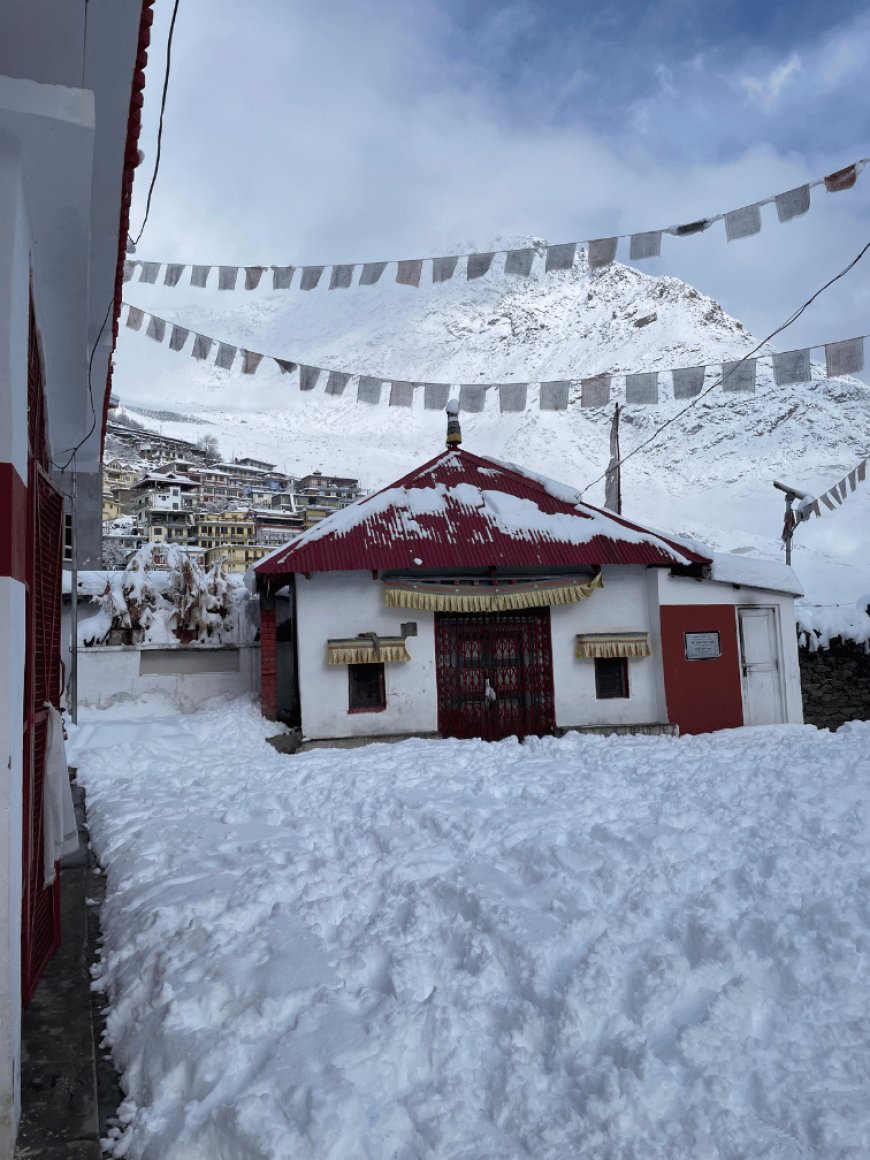
Stay: Local guesthouses in Pooh village (Don Meong Homestay).
Highlights: Scenic views of Spiti River confluence with Sutlej, Kinnauri traditional houses.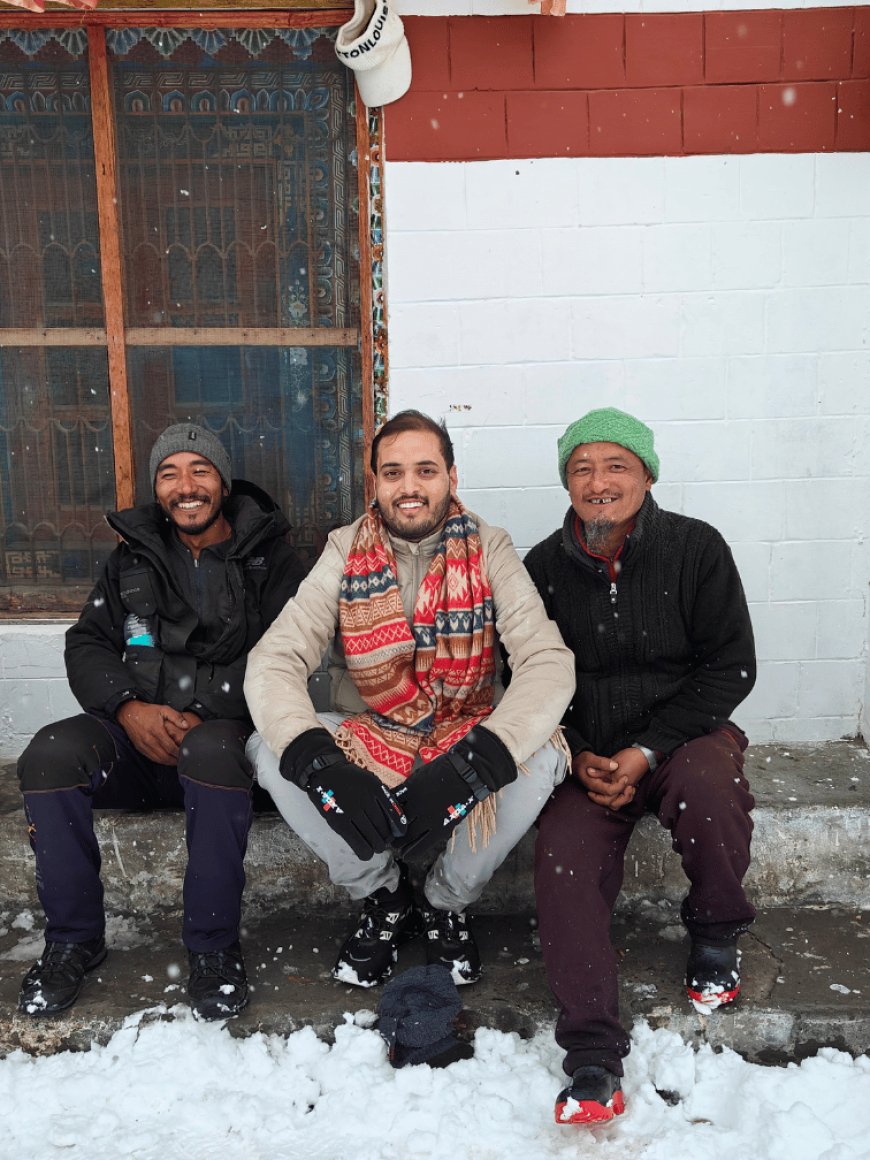
-
Day 3: Pooh → Nako (70 km / 3–4 hrs)
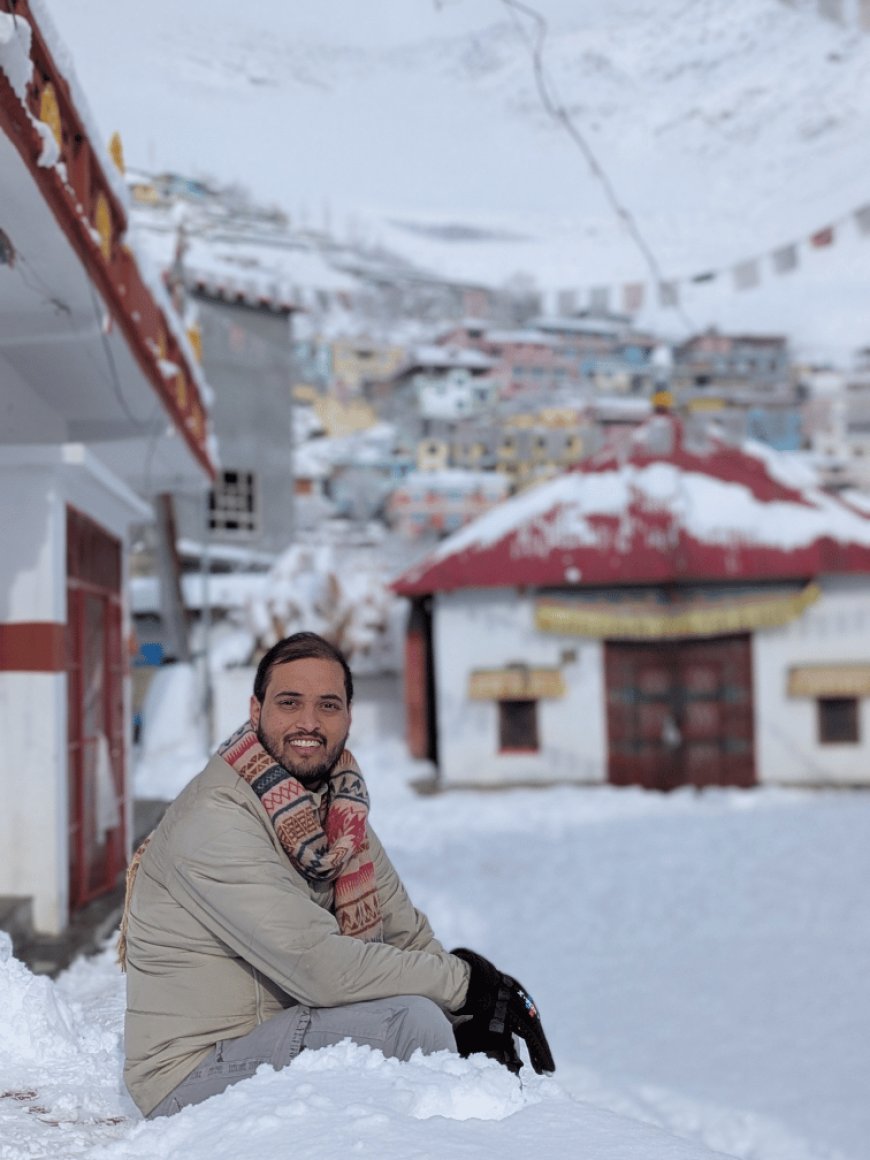
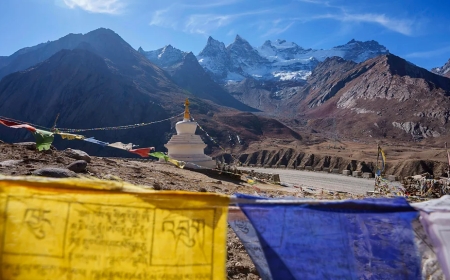
Ascend to Nako, a lake-side village at high altitude. Snow-clad stone houses and Buddhist prayer flags contribute to its otherworldly ambiance.
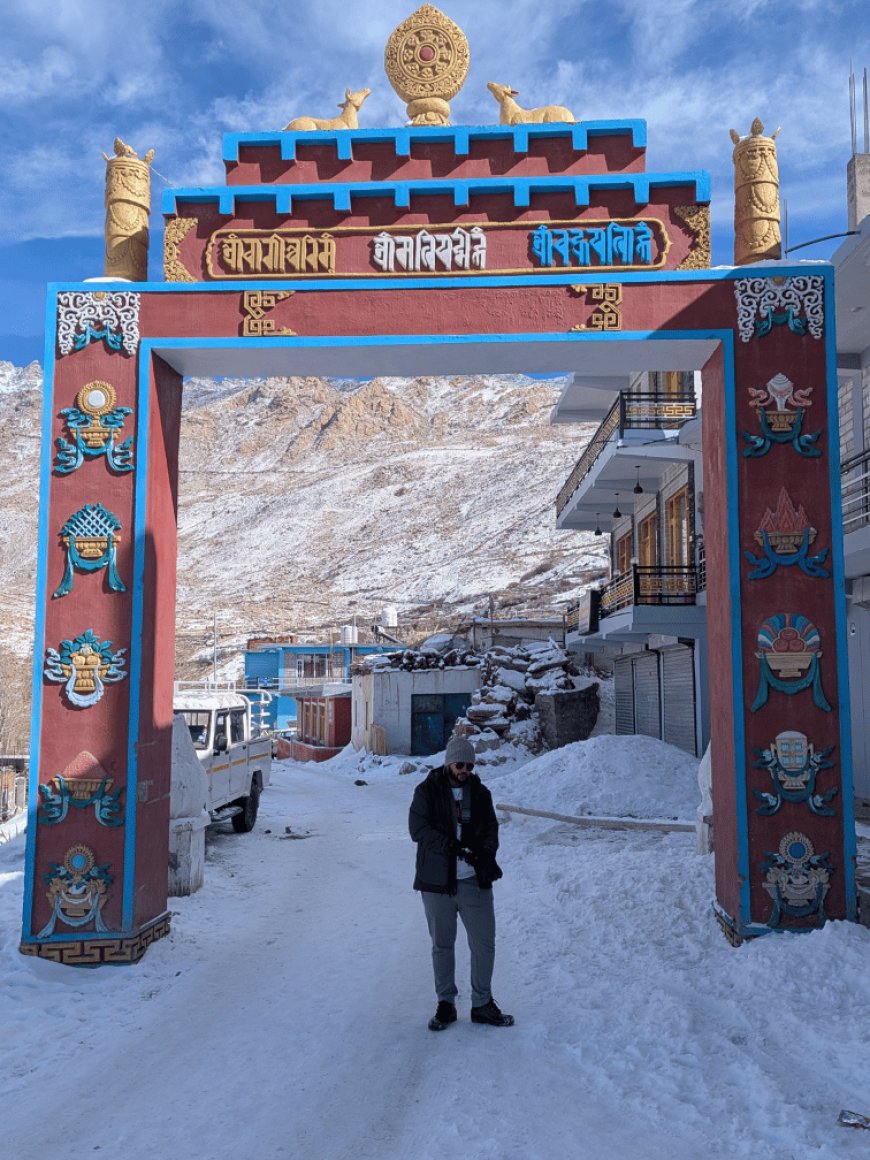
Stay: Lake View Hotel or homestays around Nako Monastery.
Highlights: Nako Lake (frozen during winter), Nako Monastery, and sweeping snow views. -
Day 4: Nako → Kaza (120 km / 5–6 hrs)
Keep driving via Gue and Tabo. Visit Tabo Monastery, the oldest continuously functional Buddhist monastery in India. Arrive at Kaza, the principal town of Spiti Valley.
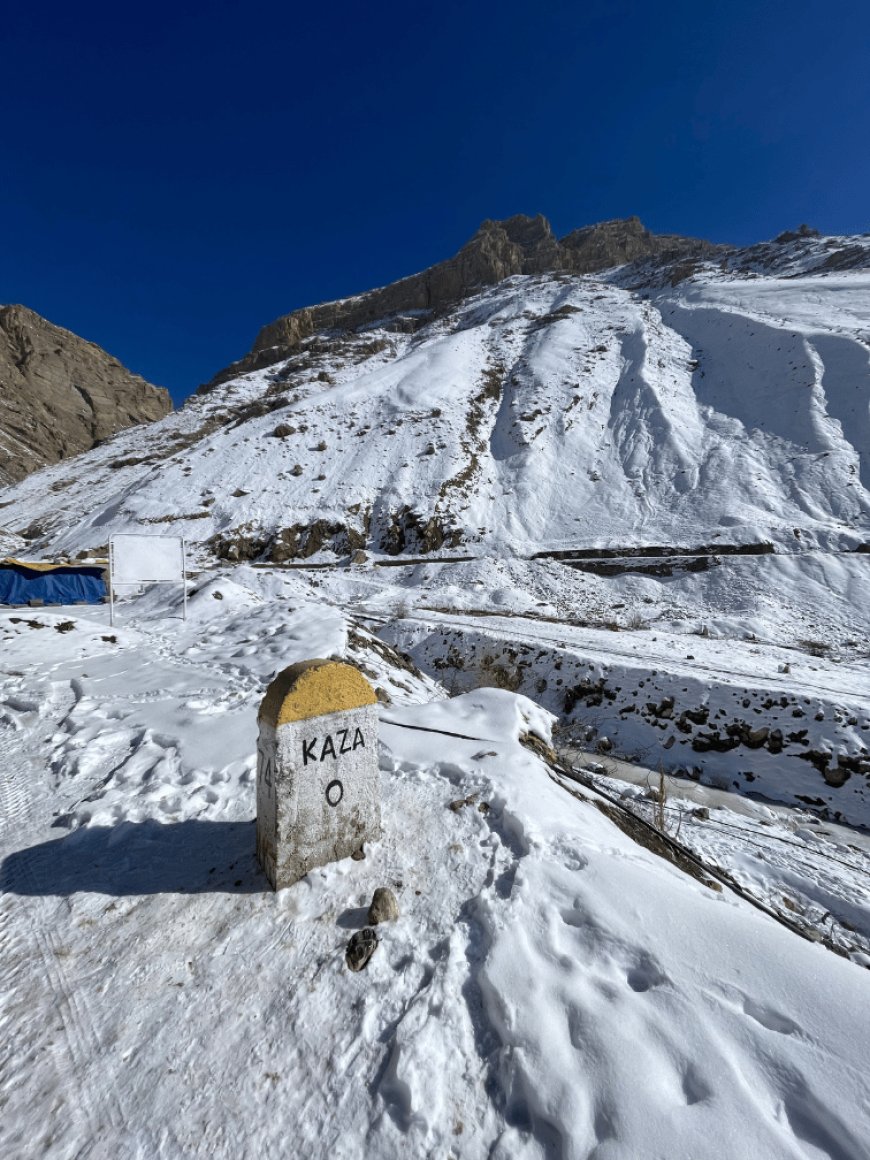
Stay: The Grand Dewachen, Zostel Kaza, or homestays with heating.
Highlights: Gue Mummy, Tabo Monastery, and evening walk in Kaza market.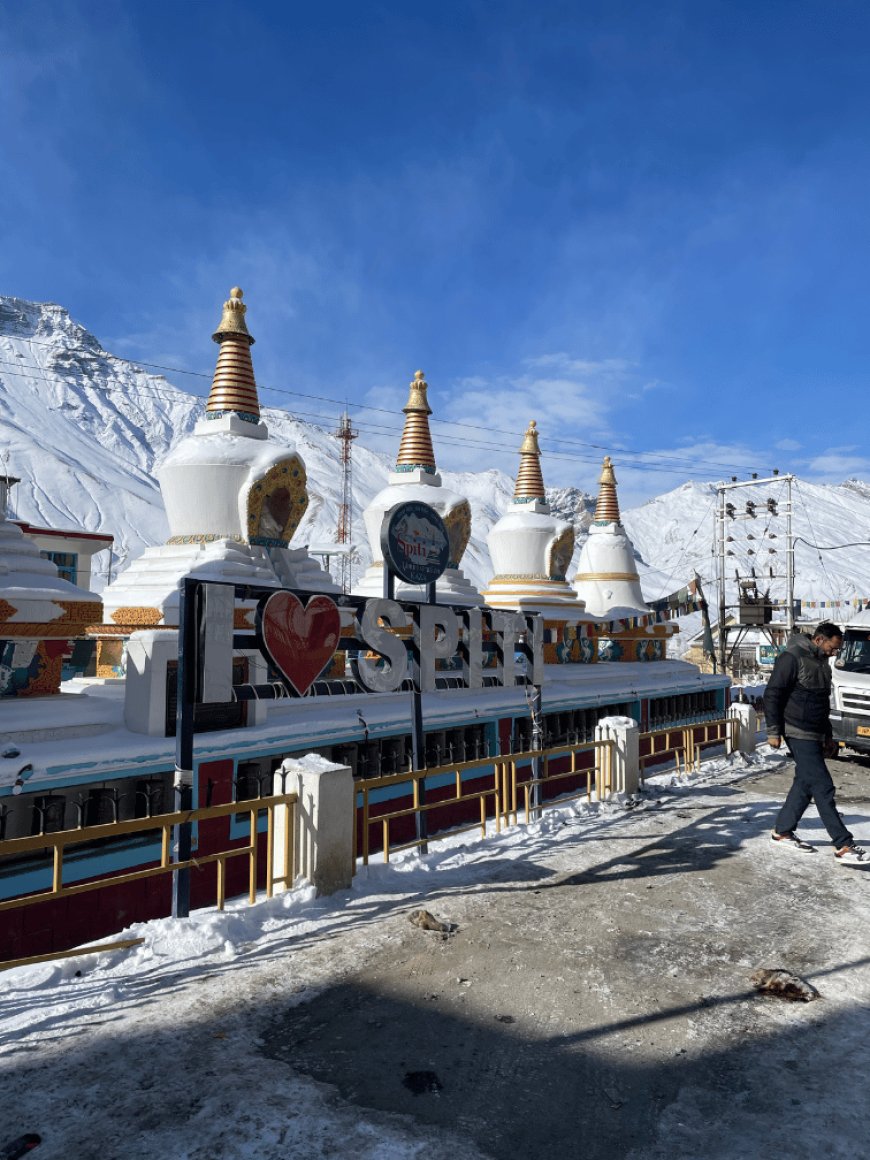
-
Day 5: Kaza → Langza, Hikkim & Comic → Return to Kaza (Local Tour)
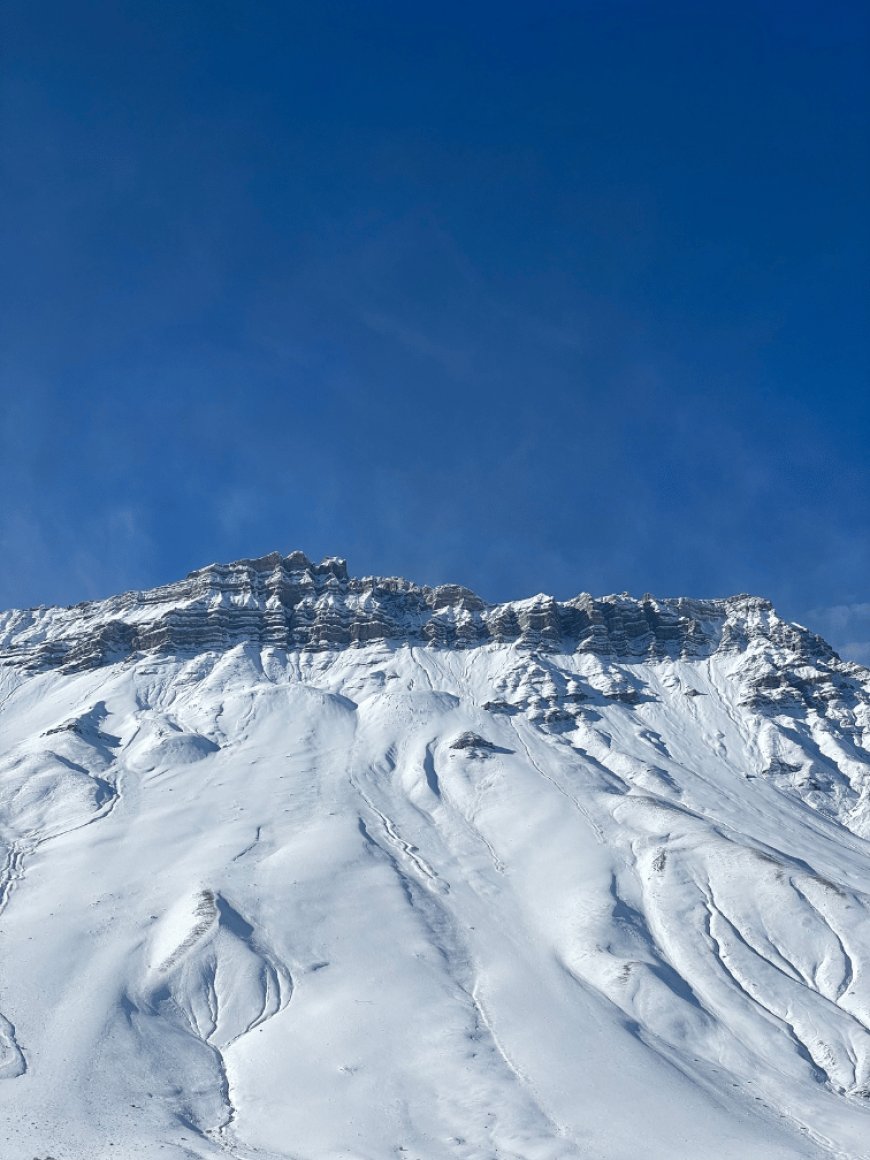
Spend the day visiting the renowned Spiti circuit of high-altitude villages.
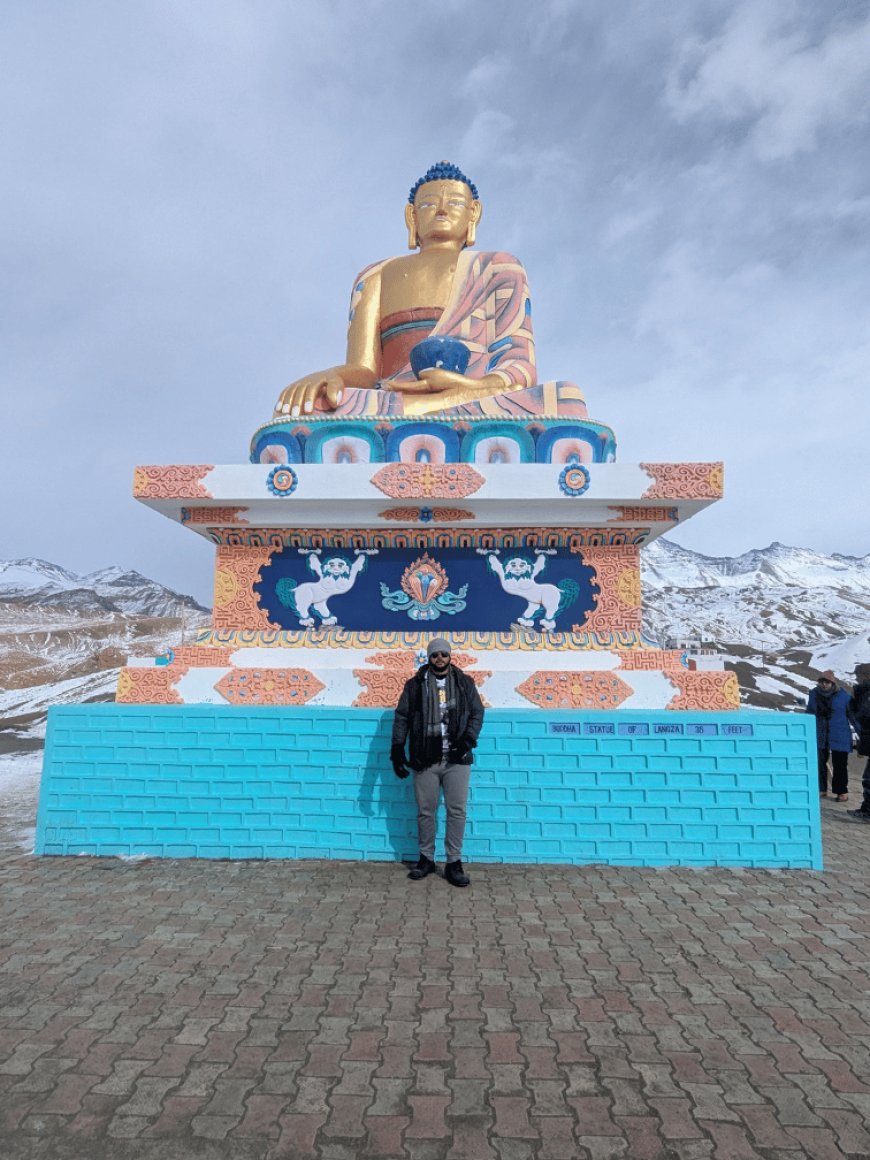
Langza: The Fossil Village and also the location of the big Buddha statue.
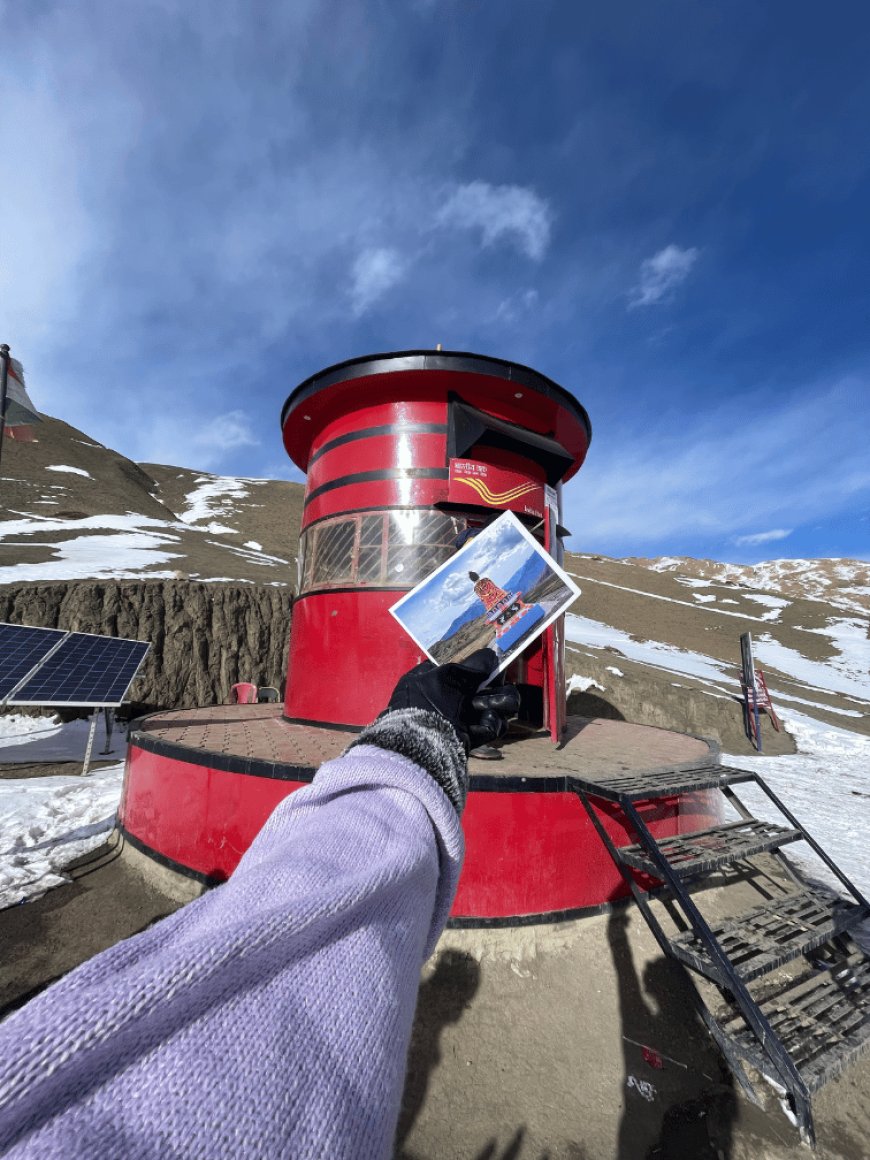
Hikkim: See the world's highest post office.
Comic: One of Asia's highest villages with super-wide views.
Stay: Return to Kaza for the night.
Highlights: Local interaction, fossil searching, snow-covered peaks. -
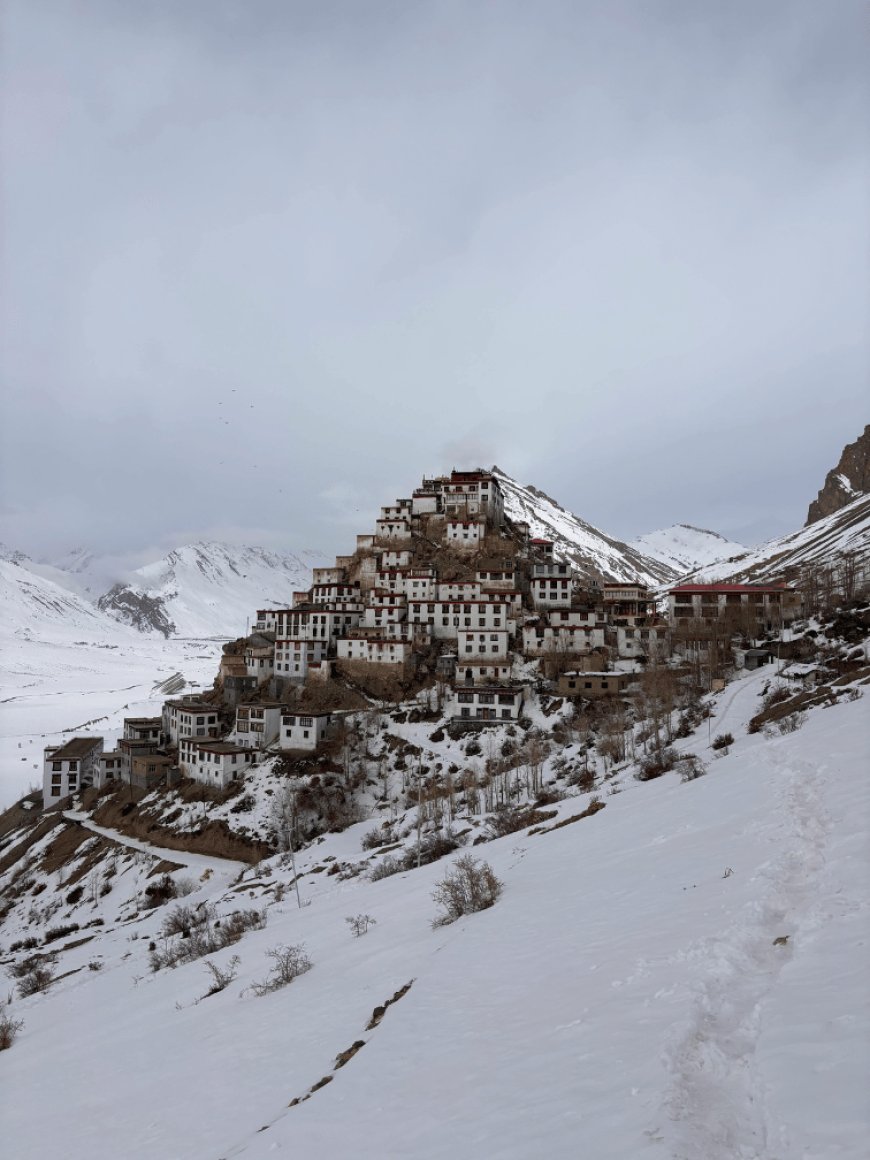
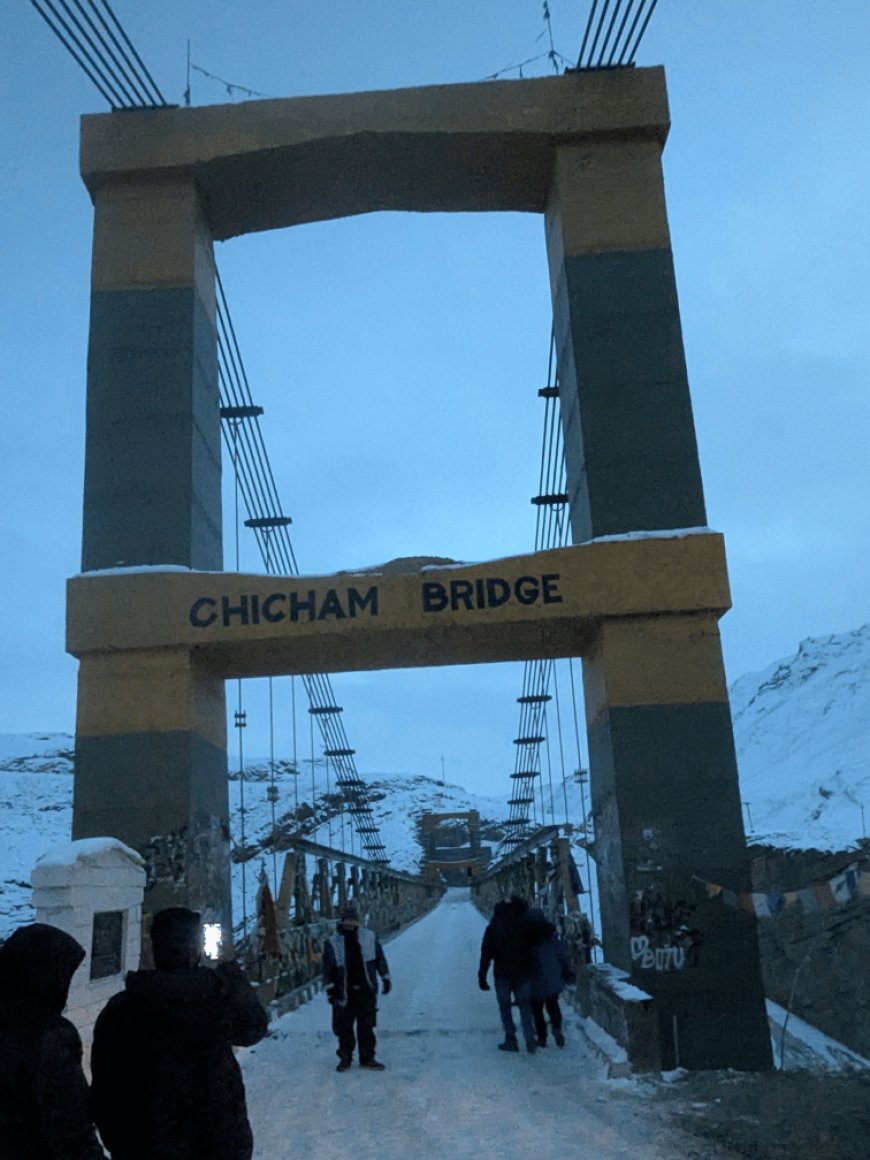
Day 6: Kaza → Key Monastery, Kibber & Chicham Bridge → Return to Kaza
Spend the day at the legendary Key Monastery, a religious icon looming spectacularly on a cliff. Proceed to Kibber, which is famous for spotting snow leopards, and then Chicham Bridge, which is among Asia's highest bridges.
Stay: Overnight stay in Kaza.
Highlights: Key Monastery's winter atmosphere, icy gorges, and stunning scenery.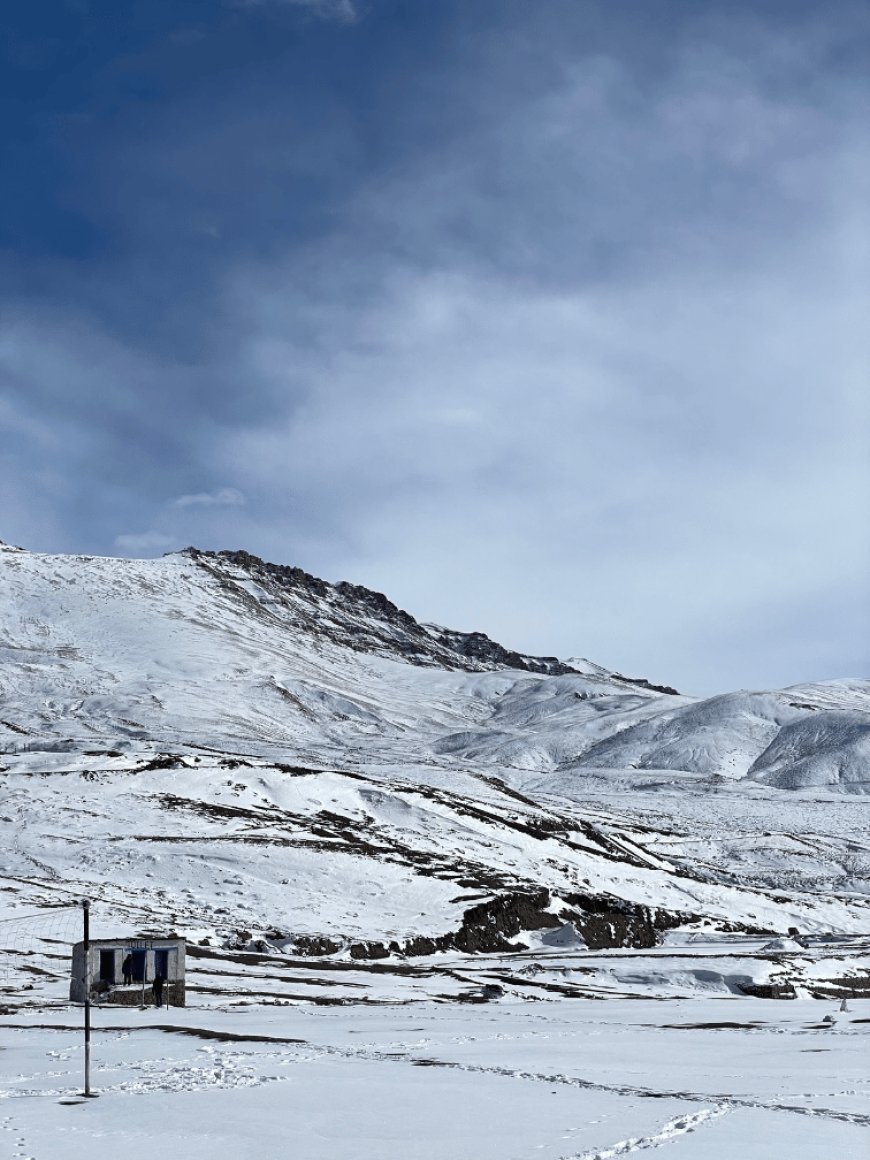
-
Day 7: Kaza → Tabo → Rampur (260 km / 8–9 hrs)
Early start and drive back to Rampur. Visit briefly Dhankar Monastery, constructed on a cliff overlooking the meeting of Spiti and Pin Rivers.
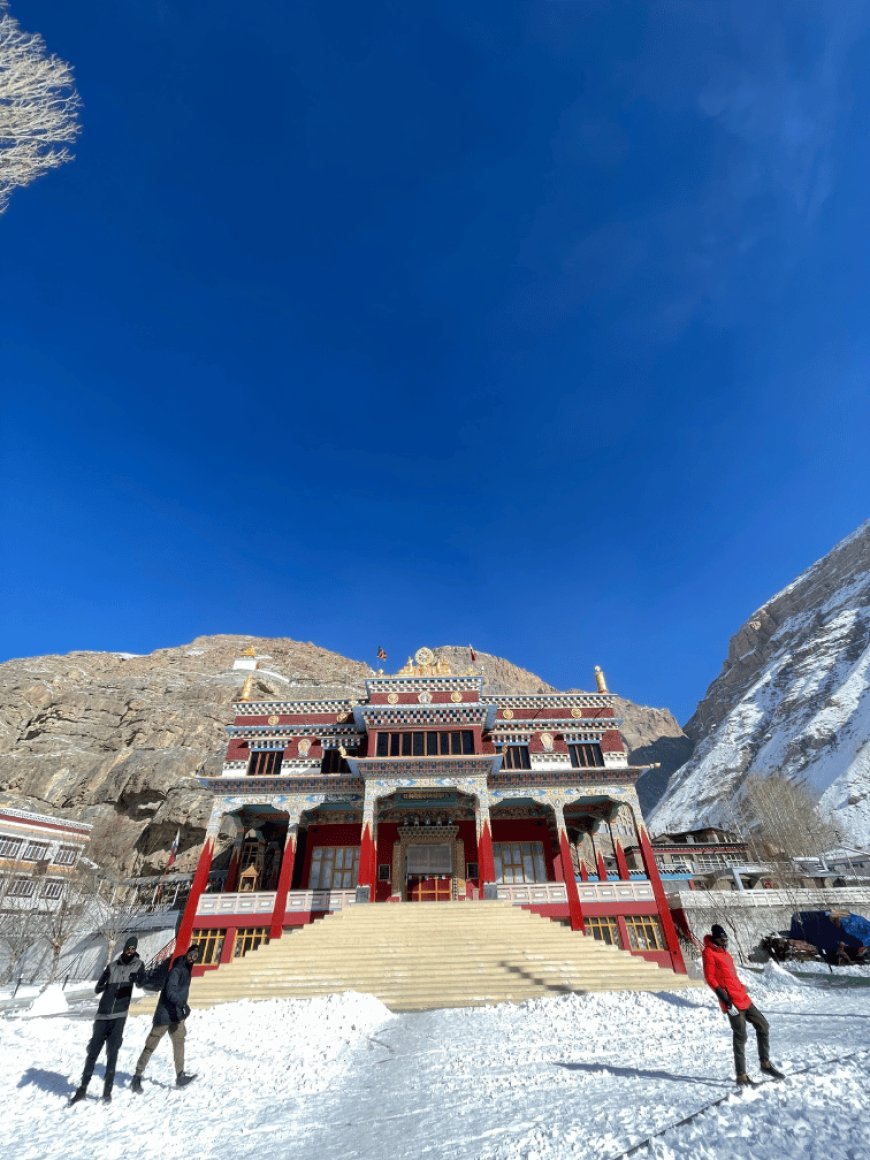
Stay: Rampur or Jeori nearby.
Highlights: Sunset over Sutlej River, views of Dhankar village.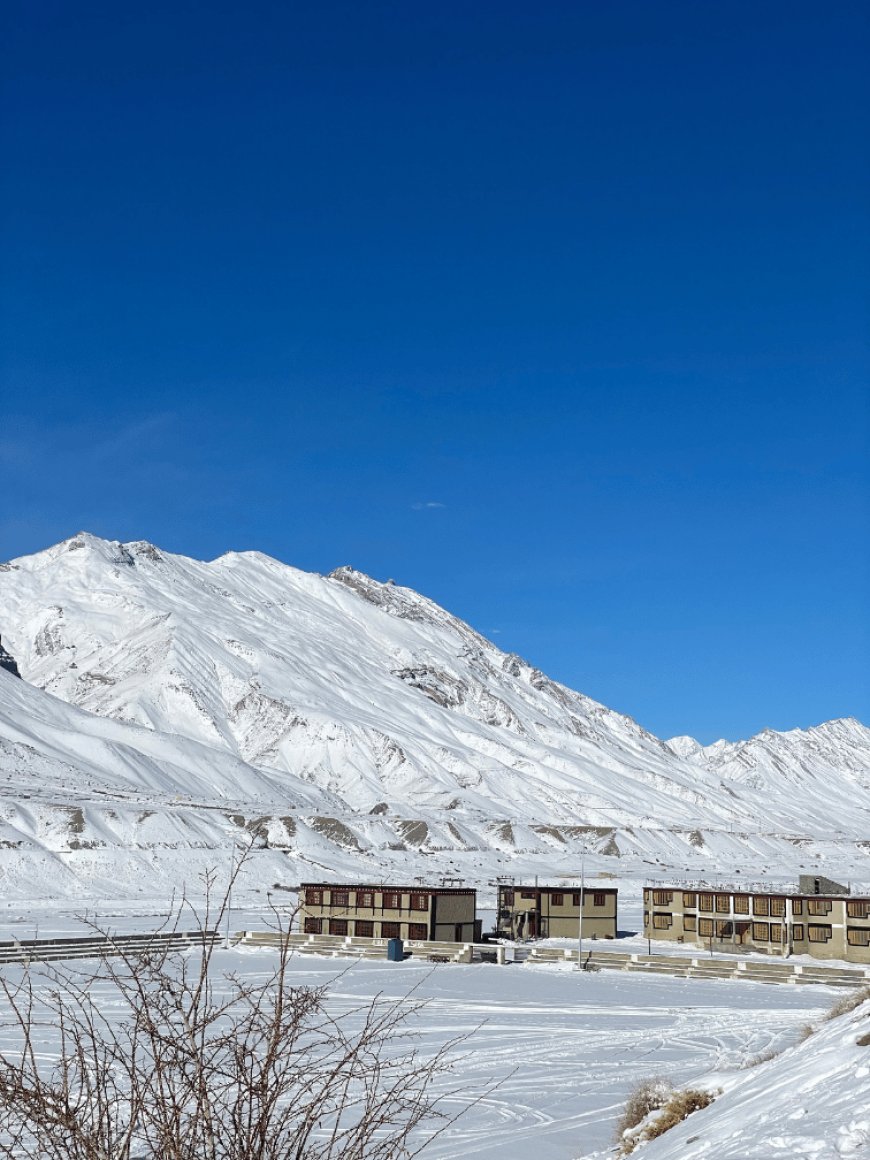
-
Day 8: Rampur → Chandigarh (250 km / 7–8 hrs)
Return drive to Chandigarh, bringing to a close your winter Spiti Valley adventure with indelible memories.
-
-
Weather During Winters in Spiti
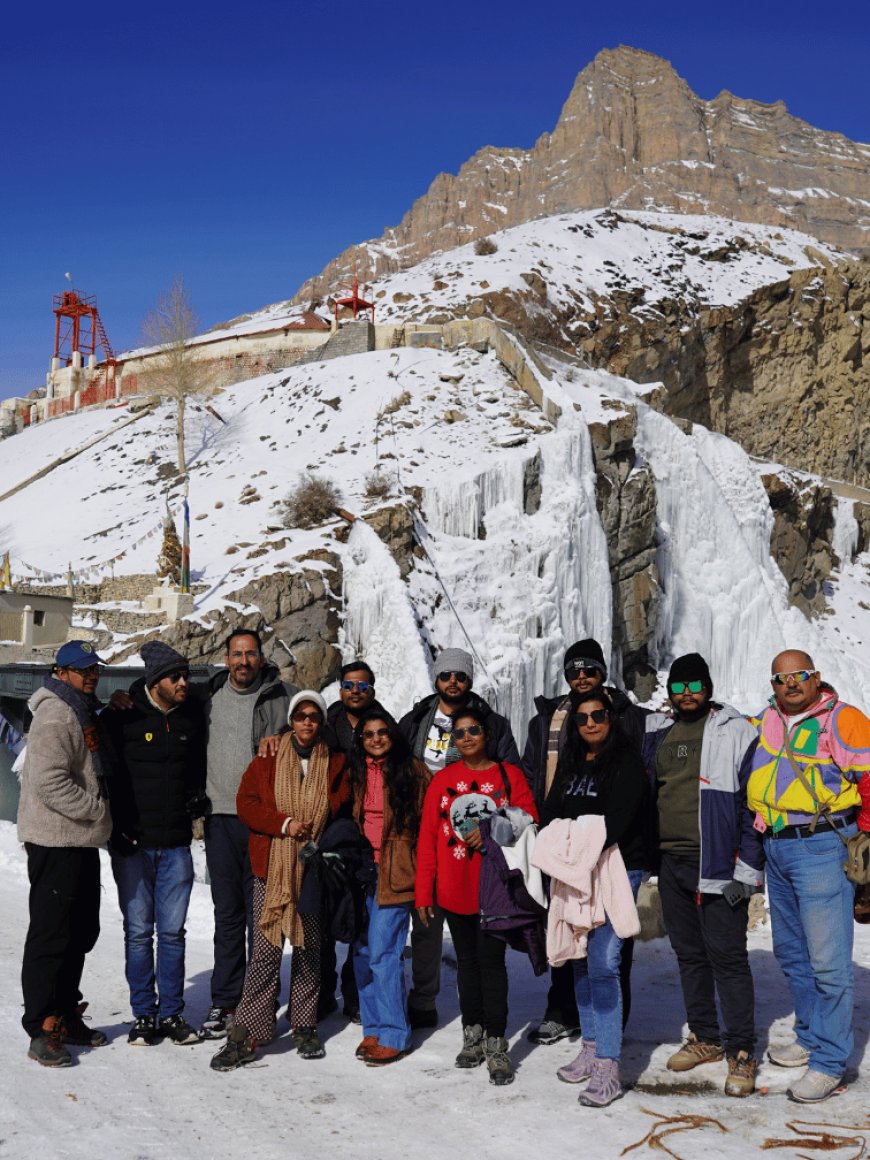
Winter in Spiti Valley (November to March) is very cold, between -5°C to -25°C.
- December–January: Coldest winter; snow covers most areas.
- February–March: A bit warmer, roads easier to access.
- Day: 0°C to -5°C
- Night: Falls to -20°C or lower.
Make sure your vehicle is winterized and continuously check local weather and road conditions before leaving.
-
Best Stay Options in Spiti Valley
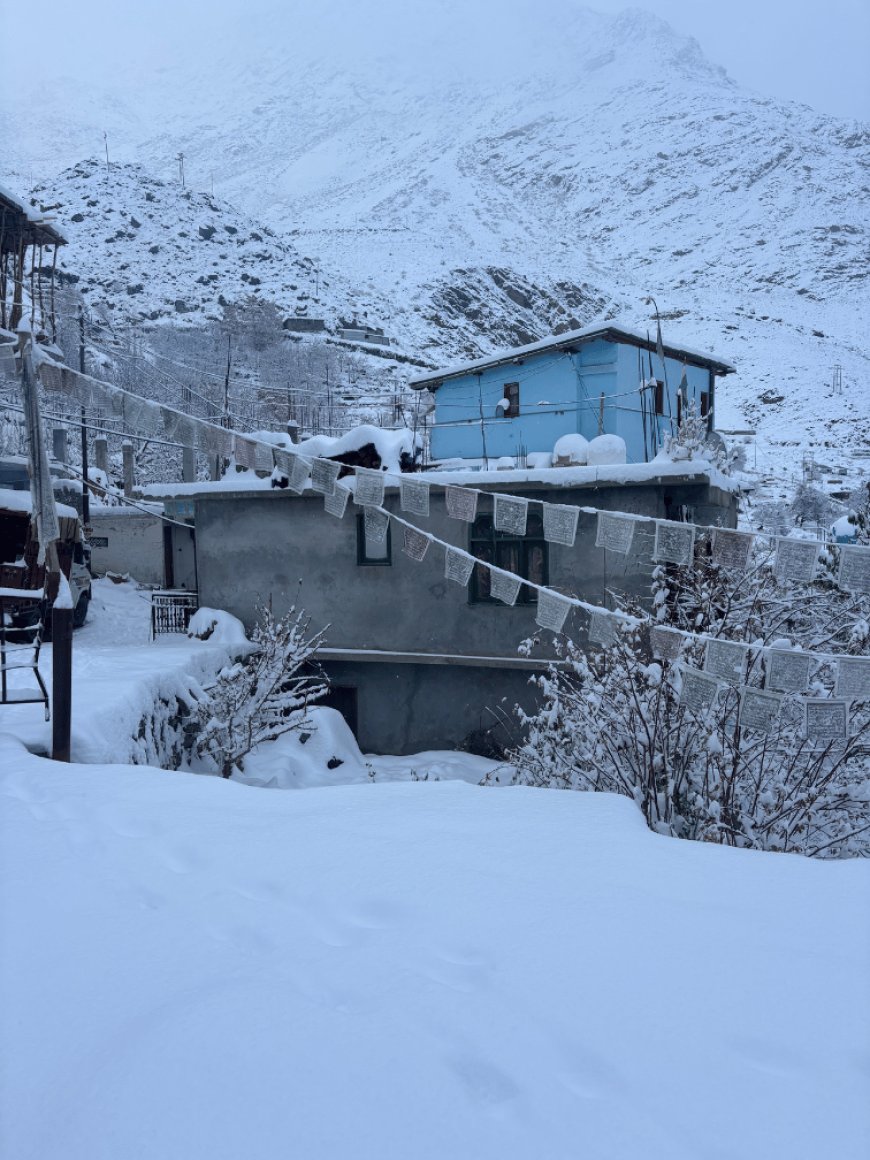
During winter, many guesthouses and homestays are open, with warm hospitality and native Spitian food.
- Kaza: Zostel Kaza, The Grand Dewachen, Snow Lion Guesthouse
- Nako: Reo Purgil Homestay, Lake View Hotel
- Pooh: Kinnaur Homestay, Don Meong Homestay
- Langza & Kibber: Wood stove-heated homestays run by families with local food
Tip: Book well in advance and check if rooms have proper heating and running water (because pipes can freeze).
-
Mandatory Travel Tips for a Spiti Winter Adventure
- Vehicle Preparation: Opt for 4x4 cars with snow chains and pack additional fuel cans.
- Acclimatization: Stay for a day or two at middle altitudes prior to Kaza to acclimatize.
- Clothing: Wear layers – thermal inner wear, fleece jackets, down jacket, gloves, and water-proof boots.
- Food & Water: Pack dry snacks; fresh fruits and vegetables are scarce in winter.
- Connectivity: Poor mobile network; BSNL is the best in remote locations.
- Power Backup: Regular power outages; bring power banks and spare batteries.
- Permits: Indian visitors do not require permits, but identity proof is needed at checkpoints.
- Emergency Supplies: Bring altitude sickness medicines, first aid kit, and oxygen cylinders if feasible.
-
Things to Remember Before You Arrive
- Drive carefully: Roads are slippery; do not drive after nightfall.
- Respect the Locals: Always ask before you take pictures of locals or monasteries.
- Nature: Do not litter; use environment-friendly products.
- Money: ATMs are not common; take sufficient cash from Rampur or Shimla.
- Medical Assistance: Basic medical care found in Kaza; keep emergency numbers handy.
-
Conclusion: The Frozen Beauty of the Himalayas
A trip through Winter Spiti Valley is not for the faint of heart—it's for the ones who welcome solitude, adventure, and the raw beauty of nature. With every bend on the twisting mountain road, you inch closer to the heart of the Himalayas, where silence louder than words.
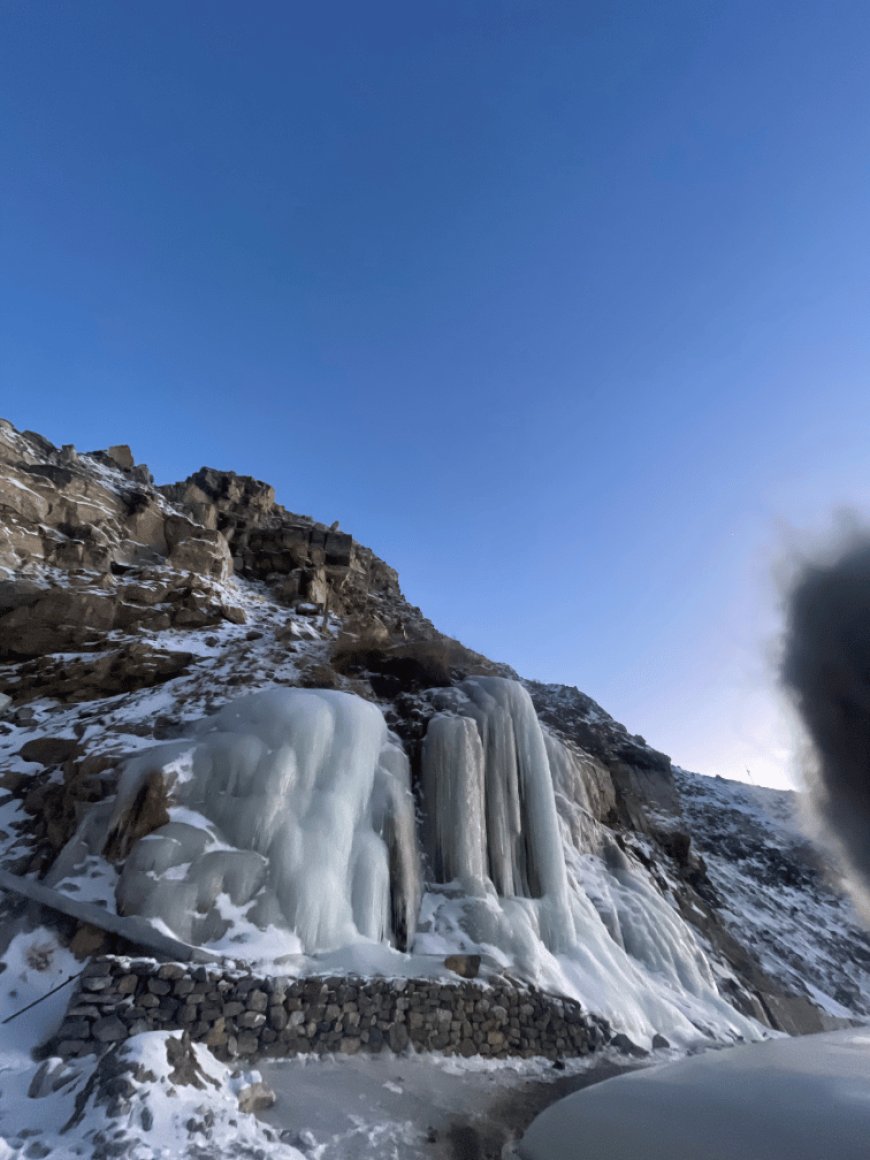
From icy lakes to age-old monasteries that stand strong in snow, Spiti Valley during winter is an experience that inspires and humbles. So pack your warmest clothes, arrange your winter road journey to the Himalayas, and be prepared to witness the icy beauty of India's most mystical valley.
What's Your Reaction?
 Like
0
Like
0
 Dislike
0
Dislike
0
 Love
0
Love
0
 Funny
0
Funny
0
 Wow
0
Wow
0
 Sad
0
Sad
0
 Angry
0
Angry
0

A spirit that pursues sunsets and tales. Entrepreneur at heart, globe-trotter by soul. Founder of an art-worshiping jewelry brand that embodies emotion & individuality — where each piece is a tale of culture, craft, and character. From trails up mountains to gem markets, I'm inspired by all journeys — transforming wanderlust into enduring design. Establishing a brand built on authenticity, refinement & purpose — one work at a time.











Comments (0)