

Sela Lake: The Frozen Sacred Lake Above the Clouds in Arunachal
Discover Sela Lake, a sacred high-altitude lake in Arunachal Pradesh that freezes in winter, surrounded by Himalayan views, legends, and spiritual calm.
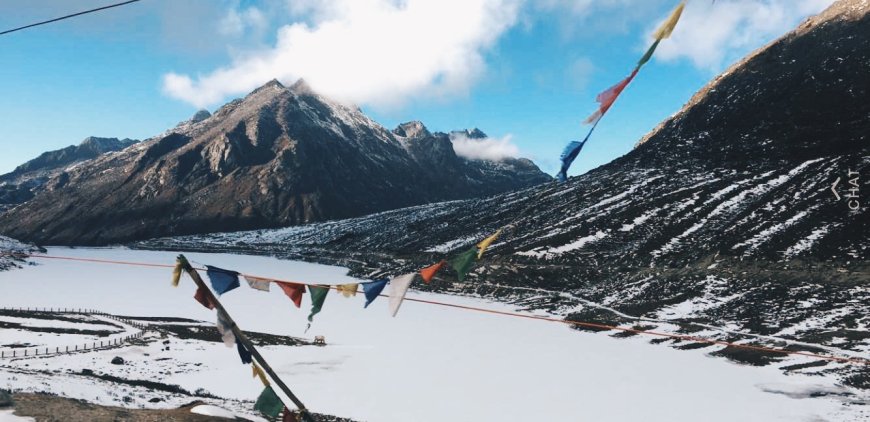
High in the Eastern Himalayas, where the air feels thinner and the mountains seem closer to the sky, lies a lake that feels almost unreal. Sela Lake isn’t just another scenic stop on the way to Tawang. It’s a place where nature, faith, history, and silence come together in a way that stays with you long after you leave.
Perched at over 13,600 feet, this high-altitude lake freezes solid in winter, reflects endless clouds in summer, and holds deep spiritual meaning for locals and Tibetan Buddhists alike. For many travelers, seeing Sela Lake feels less like sightseeing and more like stepping into a living legend.
Let’s break down what makes this lake so special, beyond the photos and travel reels.
Where Sela Lake Sits in the Himalayas
Sela Lake is located on the northern side of Sela Pass in Arunachal Pradesh’s Tawang district. At an elevation of about 4,160 meters (13,650 feet), it stands among the highest lakes accessible by road in India.
The pass itself rises slightly higher, touching around 4,170 meters. Together, the lake and the pass form a crucial mountain gateway that connects Tawang with the rest of Arunachal Pradesh. This stretch cuts through the Eastern Himalayas, a region known for dramatic landscapes, unpredictable weather, and raw natural beauty.
For most of the year, snow blankets the area. Even during warmer months, the air remains crisp, and vegetation is sparse. In summer, the grass around the lake becomes grazing ground for yaks, adding a quiet, pastoral charm to an otherwise harsh terrain.
Why Sela Lake Is Sacred
It is believed to be one of 101 sacred lakes in the region, deeply respected in Tibetan Buddhism. For locals and monks, the lake holds spiritual significance tied to purity, protection, and balance with nature.
Prayer flags fluttering near the lake aren’t placed for tourists. They’re offerings. Many visitors instinctively lower their voices here, not because they’re told to, but because the place demands a certain calm.
Even when the lake is frozen solid in winter, its sacred status remains untouched. The stillness only deepens its spiritual pull.
The Legend Behind the Name Sela
Every powerful place seems to carry a story, and Sela Lake is no exception.
Local legend connects the lake and the pass to the 1962 Sino-Indian War and a soldier named Rifleman Jaswant Singh Rawat. According to local lore, Rawat defended a strategic position against overwhelming odds. He was helped by two Monpa women, Sela and Nura, who supplied him with food and water during the conflict.
After Rawat was killed, the story says that Sela was so overcome with grief that she took her own life. In her memory, the pass, the lake, and even a nearby tunnel came to be associated with her name.
Whether one sees this as history, legend, or a blend of both, the emotional weight of the story is hard to ignore. Today, the Jaswant Garh war memorial stands nearby, honoring Rawat’s bravery and keeping his story alive.
This layer of human sacrifice gives the landscape a deeper meaning. You’re not just passing through mountains. You’re passing through memory.
A Lake That Turns to Ice
One of the most striking things about Sela Lake is how dramatically it changes with the seasons.
In winter, the lake freezes completely. Not partially. Not along the edges. Entirely solid. The surface turns into a vast sheet of ice, surrounded by snow-covered slopes and a sky that feels impossibly close.
Temperatures here can drop to -10°C or even lower, making the air sharp enough to sting your lungs. Yet, even in this extreme cold, visitors are drawn to the frozen lake, standing quietly as if not to disturb it.
In warmer months, the ice melts to reveal deep, clear water that mirrors the clouds above. The contrast between seasons is so stark that it feels like visiting two entirely different places.
Natural Beauty Beyond the Lake
Sela Lake doesn’t exist in isolation. It’s part of a larger natural system that shapes the region.
The lake drains into the Nuranang River, a tributary of the Tawang River. Not far from here lies Nuranang Falls, also known as Jang Falls. The waterfall adds movement and sound to an otherwise quiet landscape, creating a powerful contrast between still water and rushing force.
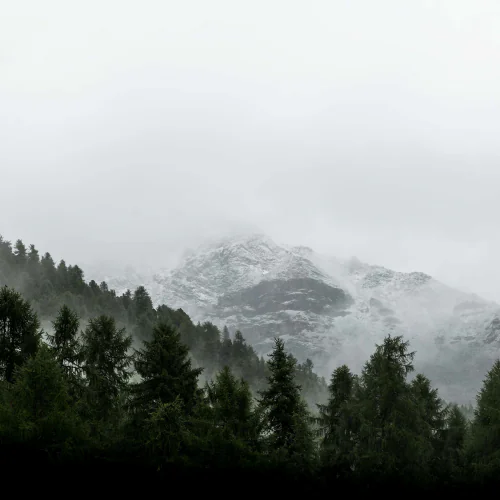
From the lake, panoramic Himalayan views stretch in every direction. Snow peaks, rolling clouds, and open sky dominate the scene. There’s very little visual clutter. No towering buildings. No loud signs. Just space.
This simplicity is exactly what makes the place unforgettable.
Sela Pass and the Journey to Tawang
For many travelers, Sela Lake is part of a larger journey to Tawang. The route over Sela Pass is both breathtaking and challenging.
The pass features a colorful Buddhist gate, marking its spiritual and cultural importance. However, heavy snowfall often forces seasonal closures, sometimes cutting off access for weeks at a time.
To address this, a new tunnel near Sela Pass has been developed, significantly improving year-round connectivity. This has made travel safer and more reliable, though weather conditions can still be unpredictable.
Driving through this region isn’t just about reaching a destination. It’s about the experience of moving through clouds, snow walls, and winding roads carved into mountains.
What It Feels Like to Visit Sela Lake
Photos don’t fully prepare you for the altitude. Or the silence.
At over 13,000 feet, even simple movements feel slower. Breathing becomes more deliberate. Conversations naturally quiet down. The cold seeps through layers, especially if the wind picks up.
And yet, people linger.
Some take photos. Some stand still. Some just sit and look. Sela Lake has a way of slowing everyone down, whether they expect it or not.
For adventure seekers, the extreme weather and high altitude add thrill. For others, it becomes a moment of reflection, a pause in an otherwise busy journey.
Best Time to Visit and What to Expect
Sela Lake is accessible mainly during late spring, summer, and early autumn, depending on weather conditions. Winter visits are possible but come with risks due to snow and road closures.
Whenever you go, be prepared for:
1. Extremely cold temperatures
2. Sudden weather changes
3. Limited facilities
4. High-altitude conditions
Warm clothing, patience, and respect for the environment are essential. This isn’t a place for rushing.
Why Sela Lake Stays With You
What this really means is that Sela Lake isn’t just a travel spot. It’s a reminder of how small we are in the face of nature, history, and belief.
It carries stories of faith, sacrifice, survival, and stillness. It freezes, melts, and endures, year after year, above the clouds.
And long after you’ve left Arunachal Pradesh behind, the memory of standing beside that silent, sacred lake tends to return. Quietly. Unexpectedly. Like the mountains themselves.
What's Your Reaction?
 Like
0
Like
0
 Dislike
0
Dislike
0
 Love
0
Love
0
 Funny
0
Funny
0
 Wow
0
Wow
0
 Sad
0
Sad
0
 Angry
0
Angry
0

I’m Ryan Rehan, Business Development Executive and a passionate blogger dedicated to sharing insights, tips, and experiences that inspire and inform. Through my blogs, I explore topics that matter, spark curiosity, and encourage thoughtful conversations. Whether I’m breaking down complex ideas, offering practical advice, or simply sharing stories, my goal is to create content that adds real value to a growing community of curious minds and passionate readers.










Comments (0)