

333 Islands, One Breathtaking Destination: Fiji Opens Its Doors
Fiji is welcoming travelers back with new resorts, world-class diving, and island-hopping adventures across 333 islands. Here's everything to know before you go.
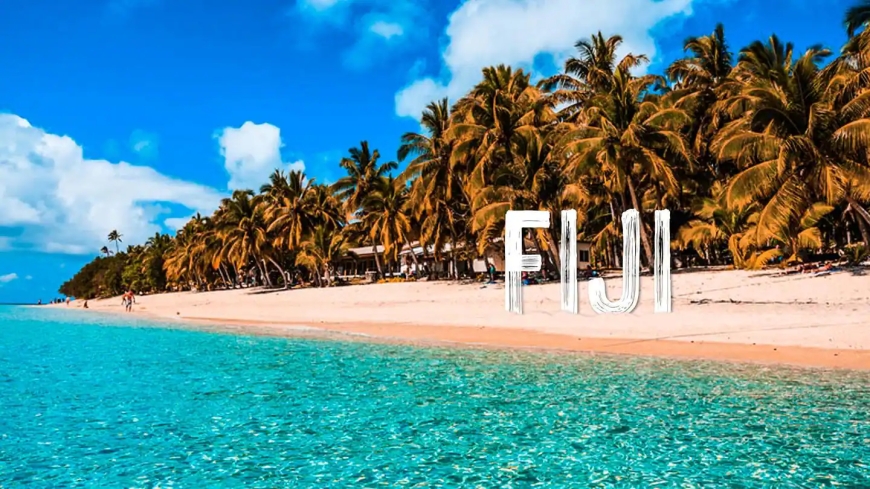
Table of Contents
- Fiji: A Paradise of 333 Islands
- Getting to Fiji and Entry Requirements
- The Mamanuca Islands: Fiji's Postcard Playground
- The Yasawa Islands: Budget Beauty and Backpacker Energy
- Beneath the Surface: World-Class Diving and Reefs
- Beyond the Beaches: Culture, Suva, and the Highlands
- What's New in Fiji for 2026
- Best Time to Visit Fiji
- Final Thoughts: Why Fiji Deserves a Spot on Your List
- Fiji FAQs
-
Fiji: A Paradise of 333 Islands
Some destinations need an introduction. Fiji doesn't. Just say the name and most people picture overwater bures, water so clear it looks photoshopped, and a culture famous for genuine, unforced hospitality. What's less well known is the sheer scale of what's actually out there: Fiji is made up of over 300 islands scattered across the South Pacific, and only about a third of them are inhabited.
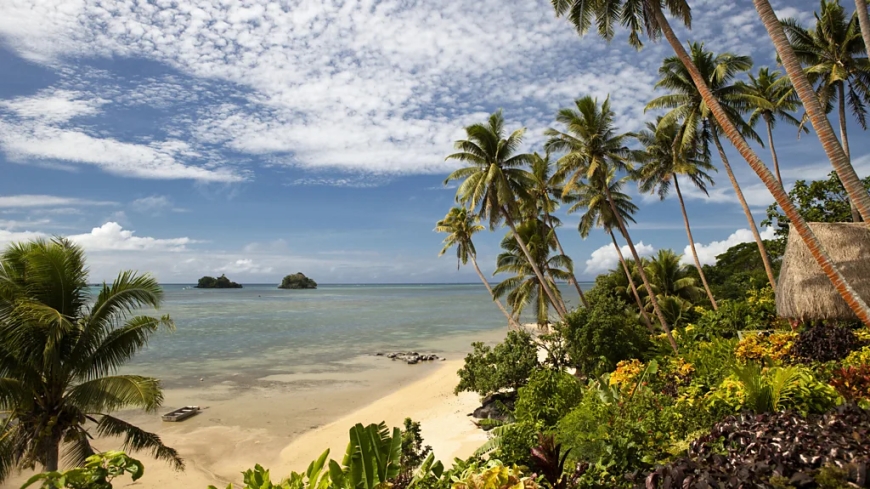
That number is part of what makes Fiji so endlessly explorable. You could spend a lifetime island-hopping here and still not see it all. Some islands hold luxury resorts with private plunge pools and around-the-clock butler service. Others are home to traditional villages where life moves at the pace it always has, built around fishing, farming, and community. And plenty are simply uninhabited specks of sand and palm trees, the kind of place you picture when someone says "desert island."
Tourism is the backbone of the Fijian economy, and the islands have leaned fully into it without losing what makes them special. The country has built out more than 12,000 hotel and guest rooms to host visitors, yet the warmth that greets you at immigration, at your resort, and on the street still feels personal rather than performative. After a period of disruption to global travel, Fiji has firmly reopened its doors, and 2026 is shaping up to be one of its biggest years yet, with new resorts, new routes, and renewed energy across the archipelago.
This guide walks through what makes Fiji worth the long flight: where to go, what to do above and below the water, and what's changed for travelers heading there now.
-
Getting to Fiji and Entry Requirements
Most international visitors land at Nadi International Airport on the western side of the main island, Viti Levu. Fiji has strong air links to Australia and New Zealand, while travelers from North America and Europe typically connect through hubs like Los Angeles or Honolulu. From Nadi, getting to the outer islands is straightforward, with a mix of domestic flights, ferries, and resort transfer boats fanning out across the archipelago.
The good news for most travelers is that Fiji makes entry simple. Citizens of many countries, including the United States, Australia, New Zealand, and the United Kingdom, don't need a visa in advance. Instead, you're granted a visitor's permit on arrival, generally valid for up to four months, and extensions are available if you fall in love with the place and want to stay longer. To clear immigration smoothly, just make sure your passport is valid for at least six months beyond your stay and that you're carrying a return or onward ticket.
If you're coming from a country that isn't on Fiji's visa-exempt list, you'll need to apply for a visitor's visa in advance through Fiji's immigration portal. Either way, it's worth double-checking the latest requirements before you fly, since rules can shift and immigration officers always have final discretion at the border.
Once you've landed, Nadi itself is worth a beat of your time rather than just a runway to rush through. The area has its own beaches, golf courses, and even hot springs and temples, so if you've got a layover or an early arrival, it's not a wasted afternoon.
-
The Mamanuca Islands: Fiji's Postcard Playground
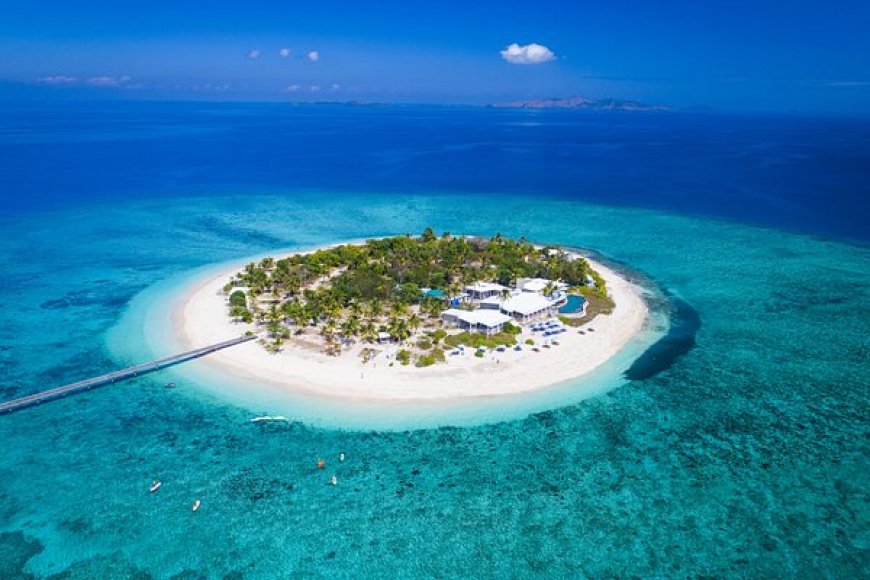
If you've ever seen a Fiji postcard, there's a good chance it was shot in the Mamanuca Islands. This chain sits just off the coast near Nadi, which makes it the most accessible and most popular group for first-time visitors, and also the most photogenic. Think turquoise water, fine white sand, and a string of resort islands that range from family-friendly to adults-only luxury.
The Mamanucas are built for activity as much as relaxation. Snorkeling and scuba diving are obvious highlights, with reefs close enough to shore that you don't need a long boat ride to find color and marine life. Surfers come for legendary breaks, and the warm, consistent swell draws wave-chasers from around the world. Day-trippers based in Nadi or Denarau often book a single island-hopping cruise that stops at two or three islands, giving a taste of the lagoon life without committing to an overnight stay.
What makes this region so popular with first-timers is the balance it strikes: it's close enough to the airport that you're not losing a day to transit, but it still delivers that unmistakable, deeply turquoise, "this can't be real" Fiji lagoon look. For travelers short on time but determined not to miss the classic Fiji experience, the Mamanucas deliver it efficiently and beautifully.
-
The Yasawa Islands: Budget Beauty and Backpacker Energy
A little farther north and west of the Mamanucas, the Yasawa Islands offer a different flavor of paradise: more rugged, a little wilder, and considerably easier on the wallet. This is where backpackers and budget-conscious travelers tend to gravitate, drawn by affordable guesthouses, hostel-style bures, and a social, easygoing nightlife scene that's developed around the islands' chain of backpacker resorts.
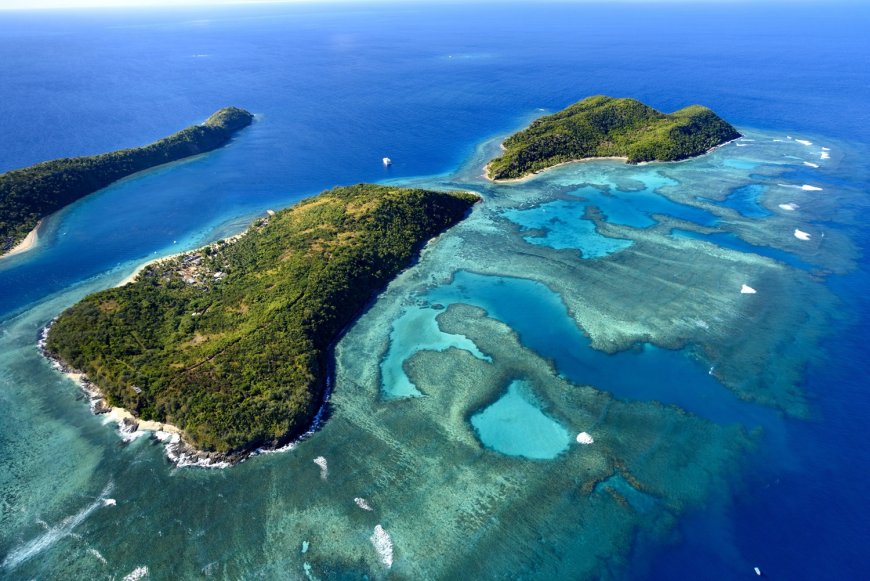
Don't mistake "budget" for "less beautiful," though. The Yasawas are home to some of Fiji's most dramatic scenery, with limestone cliffs, hidden caves, and beaches that feel far less developed than their counterparts closer to Nadi. The classic way to explore is via the inter-island ferry network, which lets you hop from one island to the next, staying a night or two at each stop and piecing together your own custom itinerary along the way. It's a flexible, social way to see a huge swath of the archipelago without ever needing to book a flight.
For travelers who want their Fiji trip to feel a bit more like an adventure and a bit less like a resort stay, and who don't mind trading five-star amenities for character and camaraderie, the Yasawas are hard to beat.
-
Beneath the Surface: World-Class Diving and Reefs
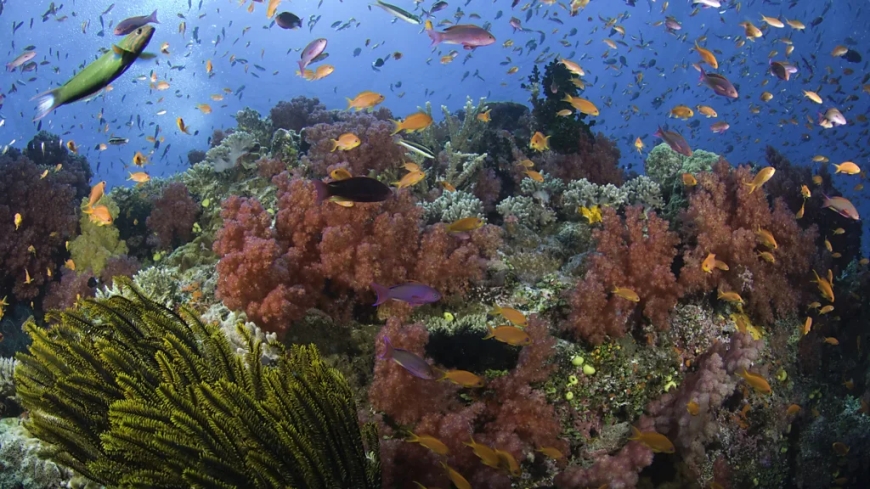
Fiji has long been called the soft coral capital of the world, and one dive is usually all it takes to understand why. The country's offshore reefs are protected and teeming with color, supporting thousands of species of fish alongside the coral itself, and the visibility in many spots is exceptional.
The crown jewel for divers is the Great Astrolabe Reef, the fourth-largest barrier reef on the planet. Here you'll find swim-throughs, underwater mazes, and the kind of drift dives where reef sharks and manta rays make regular appearances. Equally famous is the Great White Wall, a dive site named for a sheer wall blanketed entirely in white soft coral, an almost surreal sight that's become a bucket-list dive for underwater photographers worldwide.
Fiji's commitment to its reefs goes beyond just protecting them for tourism. Conservation projects across the islands continue to support coral growth and marine biodiversity, helping ensure these reef systems stay vibrant for the next generation of divers. Whether you're a certified diver chasing a specific wall or wreck, or a total beginner snorkeling for the first time off a resort beach, Fiji's underwater world rewards almost any level of experience.
-
Beyond the Beaches: Culture, Suva, and the Highlands
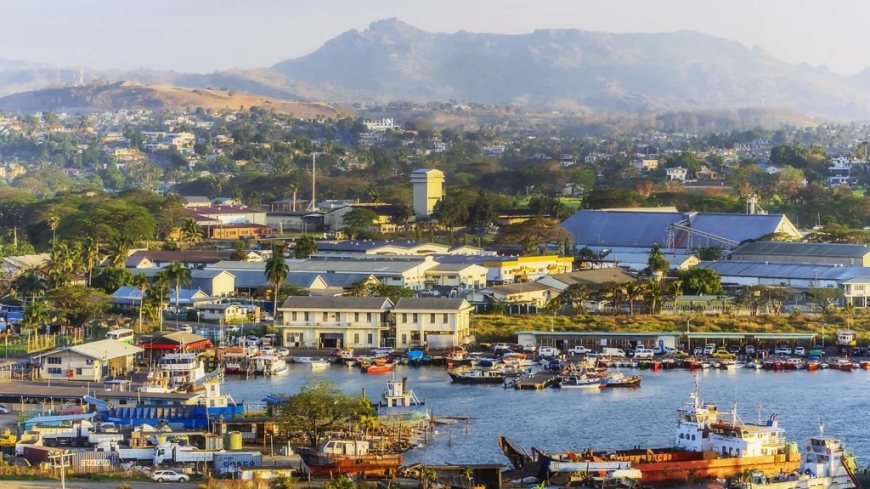
It's easy to think of Fiji purely as a beach destination, but limiting your trip to the lagoon means missing some of its richest experiences. The capital, Suva, located on the main island of Viti Levu, is a different side of Fiji entirely: a busy, colorful city with colonial-era architecture, Hindu temples, bustling food markets, and leafy parks woven through its streets.
History buffs should make time for the Fiji Museum in Suva, home to an extensive collection of Indo-Fijian artifacts, relics connected to the HMS Bounty, and pieces that trace the country's complex cultural past. A newer exhibition focused on Fiji's maritime heritage tells the story of the islands' deep, ancestral relationship with the ocean, adding fresh context to a museum visit.
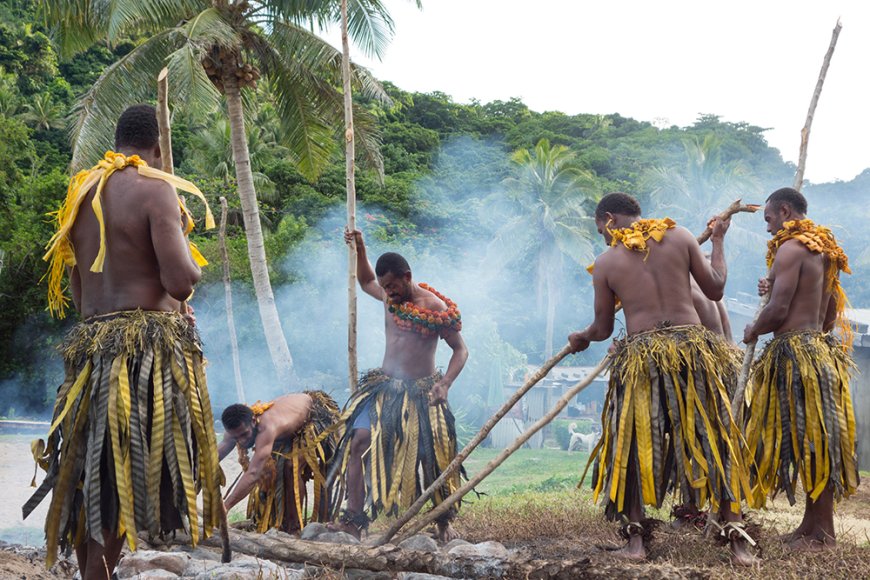
For travelers craving the outdoors over the indoors, the highlands of Viti Levu offer an entirely different kind of adventure. Whitewater rafting and kayaking trips wind through the Upper Navua River, threading past waterfalls and through hidden canyons rich with native birdlife. Eco-friendly villages within the surrounding parks welcome visitors to experience day-to-day Fijian life, and ambitious hikers can tackle a guided trek up Mount Batilamu for sweeping views over the Nadi valley.
And if your travel dates land in July or August, consider timing a visit to witness the centuries-old Hindu fire-walking festival on Beqa Island, a remarkable ritual where participants walk across burning coals during the full moon, a tradition that's been carried on for roughly 500 years.
-
What's New in Fiji for 2026
Fiji's tourism scene isn't standing still. The 2026 calendar is packed with new openings, renovations, and events designed to draw travelers back to the islands in bigger numbers than ever.
On the accommodation side, several resorts are getting major refreshes. On Denarau Island, a new property is set to debut later in the year, while a well-known resort in the Mamanucas closed briefly for renovations before reopening with a new restaurant and upgraded arrival areas. Plantation Island, also in the Mamanucas, is undergoing a significant redevelopment of its dining, wellness, and accommodation offerings, with a reopening planned for later this year. Looking further ahead, luxury hospitality brands have already announced plans to bring an ultra-high-end resort to the Yasawa Islands and another marquee property to the Coral Coast within the next few years, signaling long-term confidence in Fiji's growth.
On the experience side, the Yasawas have added a new day-cruise center for visitors based on Kuata Island, and inter-island ferry service has been bolstered with a newly launched vessel, making it even easier to explore the chain. Back near the mainland, Port Denarau Marina has introduced an eco-electric, self-drive BBQ boat, a fun and low-impact way to cruise the marina and nearby waters at your own pace.
The event calendar is just as full, headlined by the return of a beloved live music series at a golf resort, alongside major sporting fixtures including a golf championship in July and a stop on the World Surf League's championship tour. For travelers who like to plan a trip around something specific, 2026 offers no shortage of reasons to book.
-
Best Time to Visit Fiji
Timing matters in Fiji, and the islands have two fairly distinct seasons. The dry season, running roughly from May to October, is considered the best time to visit for most travelers. Expect sunny skies, lower humidity, and cooler, more comfortable temperatures, ideal conditions for snorkeling, hiking, and simply lounging on the beach. This is also peak tourist season, so the islands carry a livelier, more festive energy, even as resorts fill up faster and prices tend to climb.
The wetter, warmer months from November through April bring more rain and humidity, along with a higher chance of tropical cyclones later in the season. The upside is thinner crowds and often better resort rates, so travelers willing to pack a rain jacket and stay flexible can find real value during this stretch. Whichever season you choose, Fiji's underlying appeal, warm water, rich culture, and that famous hospitality, holds steady all year.
-
Final Thoughts: Why Fiji Deserves a Spot on Your List
Fiji earns its reputation honestly. It's rare to find a destination that can deliver postcard-perfect lagoons, serious diving credentials, a living, breathing capital city, and genuinely warm cultural encounters, all spread across an archipelago vast enough that no two trips ever look quite the same. Whether you're chasing manta rays along the Great Astrolabe Reef, island-hopping through the Yasawas on a shoestring, or settling into a private resort in the Mamanucas, Fiji has a version of paradise that fits.
With new resorts opening, infrastructure improving, and the welcome as warm as ever, there has rarely been a better moment to plan that trip. Of the 333 islands waiting out there, you only need to choose one to start falling for this country. Chances are, it won't be your last visit.
-
Fiji FAQs
How many islands does Fiji actually have?
Fiji is made up of more than 300 islands, often cited as roughly 333, though only around a third are inhabited.
Do I need a visa to visit Fiji?
Travelers from many countries, including the US, Australia, New Zealand, and the UK, don't need a visa in advance and instead receive a visitor's permit on arrival, typically valid for up to four months.
Which Fiji islands are best for first-time visitors?
The Mamanuca Islands are the most accessible and popular choice, known for classic lagoon scenery, snorkeling, and easy day trips from Nadi.
Is Fiji a budget-friendly destination?
It can be. The Yasawa Islands in particular cater to budget travelers with affordable guesthouses and an easy island-hopping ferry network.
When is the best time to visit Fiji?
The dry season from May to October offers the most reliable weather, though the wetter months from November to April bring fewer crowds and lower prices.
What's Your Reaction?
 Like
0
Like
0
 Dislike
0
Dislike
0
 Love
0
Love
0
 Funny
0
Funny
0
 Wow
0
Wow
0
 Sad
0
Sad
0
 Angry
0
Angry
0

A spirit that pursues sunsets and tales. Entrepreneur at heart, globe-trotter by soul. Founder of an art-worshiping jewelry brand that embodies emotion & individuality — where each piece is a tale of culture, craft, and character. From trails up mountains to gem markets, I'm inspired by all journeys — transforming wanderlust into enduring design. Establishing a brand built on authenticity, refinement & purpose — one work at a time.













Comments (0)