

The Second Coldest Place on Earth Lies in India - But Hardly Anyone Talks About It!
Discover India’s hidden frozen gem, the world’s second coldest inhabited place. Explore its extreme weather, beauty, and untold stories of survival.
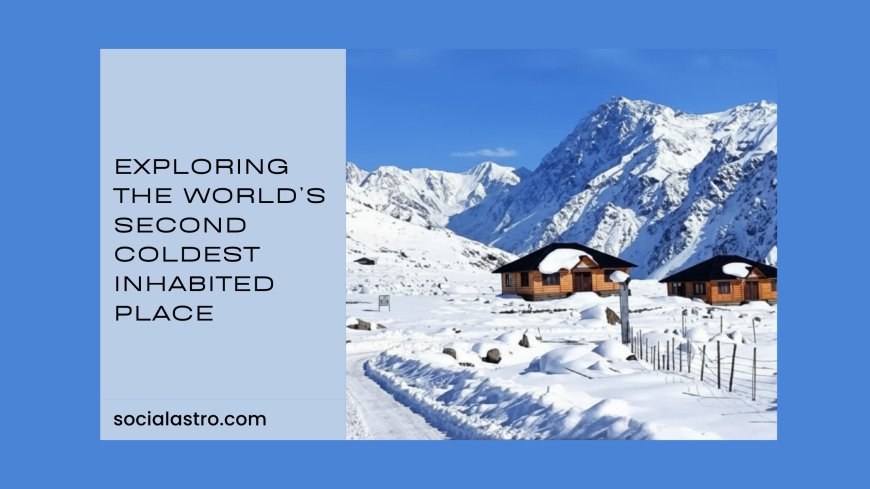
For anyone curious about life at the edge of human endurance, Drass in Ladakh offers a glimpse. This small town, located in the Kargil district of India's northernmost Union Territory, is not only famously cold, holding records for being among the coldest places, but is also known as the "Gateway to Ladakh." Drass sits at an elevation of about 3,300 meters (10,800 feet) above sea level, nestled between the Zoji La Pass and Kargil. It's not just the extreme cold that captivates; it's how people continue to live, smile, and thrive in below-freezing temperatures.
Where Cold Meets Courage
Drass village is recognized as the second coldest inhabited place in the world, right after Oymyakon in Siberia. In winter, temperatures can drop to a chilling -20°C to -25°C. Remarkably, it recorded an astonishing -60°C in January 1995, even causing a stir among weather enthusiasts. Winters are long and harsh, lasting from late October to early April. For months, snow covers the ground, and strong winds whip through the valleys. Yet life continues. Locals farm, trade, attend school, and share warm cups of butter tea beneath clear skies, where stargazing can feel almost spiritual. Finding Drass on the Map Drass is located on the Srinagar-Leh National Highway NH1, about 60 kilometers from Kargil and 150 kilometers from Srinagar. It’s the first major town after crossing the Zoji La Pass, which connects the Kashmir Valley to Ladakh. Drass' location makes it strategically and logistically important, linking two regions along the highway and serving as a vital supply route for the Indian Army near the Line of Control. The drive to Drass is breathtaking; every turn reveals stunning brown cliffs, sparkling glaciers, and snow-capped ridges that look like postcards.
The Icy Reality of Drass
Reading about freezing temperatures is one thing; feeling them is another. Winters in Drass are not just cold; they're elemental. The air feels heavy and still. Pipes freeze, rivers become ice, and frost creates delicate patterns on windows every morning. Despite the harsh conditions, people manage to keep Drass populated year-round. Locals have found ways to survive the cold. Houses made of stone and mud are well-insulated, and wood stoves called bukharis burn constantly to warm the interiors. People don traditional woolen clothes, layering them under gonchas or robes and pattu shawls. Hearty foods like barley, meat, lentils, and endless cups of hot tea help warm them against the cold. Though Drass is "warmer" than Oymyakon, Siberia, which can reach -70°C, its accessibility and vibrant culture set it apart. It’s not a desolate ghost town; it's a community of resilient people.
 A glacial turquoise river flows through a snow-covered valley with bare trees and high mountains under a bright, blue sky. Image Credit: Trip Advisor
Life Amongst the Snow: A Story of Resilience
The residents of Drass are mainly Dardics and Baltis, cultures with rich traditions shaped by their isolation and resilience. During winter, when snow blocks roads and travel becomes nearly impossible, families rely on preserved food and local gatherings to endure the cold months. Social life doesn’t stop just because temperatures drop. Spirits remain high with festivals, storytelling, and folk music. Summer brings dramatic change with green meadows flourishing, sheep grazing on hillsides, and trekkers exploring high-altitude paths. I admire how locals thrive in these conditions; it’s truly humbling. They don’t just endure the cold; they embrace it as part of their identity.
Strategic Importance Beyond the Frost
Drass is well-known not only for its weather but also for its important role in India’s recent history. Its proximity to the Line of Control adds to its strategic significance. During the Kargil War in 1999, Drass was the site of major battles between Indian and Pakistani forces. The Kargil War Memorial honors soldiers who gave their lives for the country and is a must-visit for those traveling to Drass. Standing before the memorial, surrounded by snow-capped peaks, you can feel the weight of history and sacrifice. The names of fallen heroes are inscribed on sandstone walls, and an eternal flame burns in their memory - a touching sight for any visitor.
Drass: A Destination for Tourists
Despite its extreme climate, Drass has become a popular destination for adventure seekers and culture lovers. It serves as a base for high-altitude treks and pilgrimage routes, including the well-known Amarnath Yatra and Suru Valley trek. In summer, the valley bursts with color; melting snow reveals vibrant carpets of wildflowers and glistening streams. Many travelers have described Drass as both "alien" and "alive," a place where nature takes charge, and humanity defiantly refuses to give in.
Top Attractions around Drass
Kargil War Memorial: A site symbolizing India's military strength.
Zoji La Pass: A stunning yet challenging mountain pass in the Himalayas.
Suru Valley: A serene valley perfect for trekking, photography, and camping. -
Amarnath Cave: A renowned Hindu pilgrimage site reachable via scenic trails.
The Stark Beauty of Drass Valley
Drass is a region of extreme cold, yet it is strikingly beautiful. The Drass Valley unfolds like a painting, framed by rugged cliffs and snow-capped peaks that seem to touch the sky. The landscape here has a raw, untouched charm, less commercialized than Leh or Srinagar but equally captivating. Photographers flock here at sunrise and sunset when light creates dramatic scenes over the ice fields. In summer, clear streams reflect the majesty of the mountains. If you’re lucky, you may spot marmots or blue sheep on the slopes. Isolation in Drass is refreshing instead of intimidating, whether you seek peace, solitude, or a break from modern life.
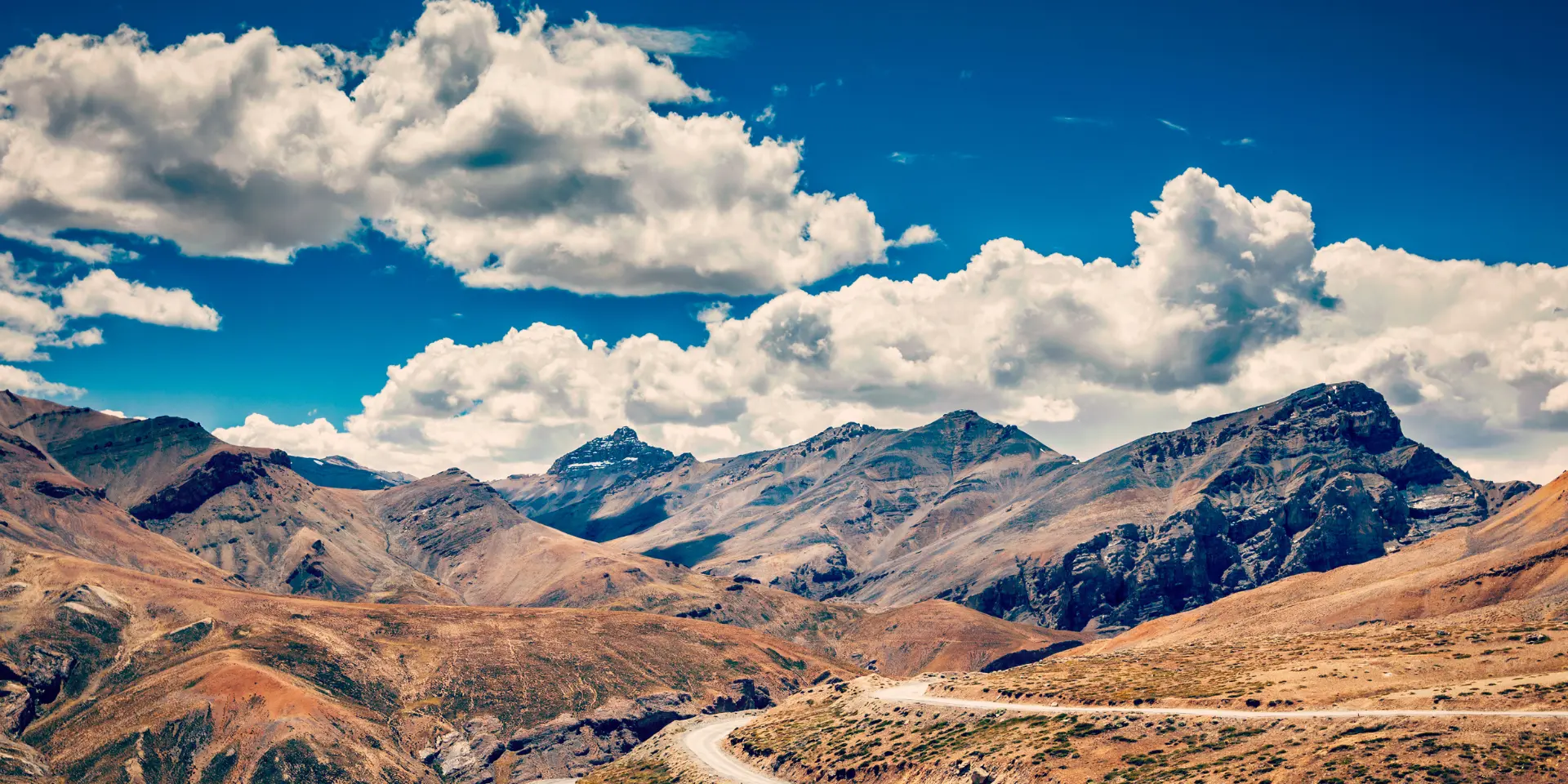 Winding asphalt road through vast, arid, brown, and red Himalayan mountains under a dramatic blue sky with white clouds. Image Credit: Wildfloc Adventures
How to Reach Drass
Getting to Drass is an adventure on its own.
By Air: The nearest airport is in Srinagar, about 150 km away. From there, you can hire a taxi or take a shared cab to Drass via NH1.
By Road: The common route is through the Srinagar–Leh Highway. You’ll cross the Zoji La Pass, open from late May to early October. It’s a very scenic road, but it presents many challenges, perfect for thrill-seekers.
By Rail: The nearest railway station is Jammu Tawi, nearly 400 km away. From there, you can travel further by road. When traveling, always check road conditions, as snow and ice often close roads during winter.
Best Time to Visit: Drass Winter has its beauty, but it can be harsh without preparation. The best time to visit Drass is from May to September when the snow melts and the roads are clear. During these months, temperatures are moderate at 10-20°C, and the valley blooms with wildflowers as trekking routes open. If you plan to visit, pack warm clothing even in summer, as nights can be chilly. Also, give your body time to acclimatize before starting hikes or long drives due to the altitude.
Why Drass Deserves Your Attention
Visiting Drass is not just about seeing another tourist spot; it’s about witnessing a spirit of endurance. Few places in the world challenge human adaptability like Drass. This is where stunning landscapes meet legends and hardships meet humanity. Standing there, surrounded by snow-capped mountains and deep silence, you realize it is not the temperature that defines Drass but the people who call it home. Their quiet strength, hospitality, and a smile even on -25°C mornings are truly memorable.

Final Thoughts
Drass is the gateway to the heart of Ladakh, symbolizing resilience, beauty, and history. Whether you come for the landscapes, the legacy, or the thrill of experiencing one of the coldest inhabited places, it will undoubtedly leave a lasting impression. Next time you plan a trip to Ladakh, don't limit it to Leh. Take a detour through Drass. Watch the sunset over the frozen valley. Visit the war memorial. Talk to the locals who have mastered warmth in a land of ice. You’ll leave with stories that no travel brochure can ever express.
What's Your Reaction?
 Like
0
Like
0
 Dislike
0
Dislike
0
 Love
0
Love
0
 Funny
0
Funny
0
 Wow
0
Wow
0
 Sad
0
Sad
0
 Angry
0
Angry
0

I’m Ryan Rehan, Business Development Executive and a passionate blogger dedicated to sharing insights, tips, and experiences that inspire and inform. Through my blogs, I explore topics that matter, spark curiosity, and encourage thoughtful conversations. Whether I’m breaking down complex ideas, offering practical advice, or simply sharing stories, my goal is to create content that adds real value to a growing community of curious minds and passionate readers.












Comments (0)