

Complete Visitor Guide to the American Museum of Natural History in NYC
Explore the American Museum of Natural History in NYC with this complete visitor guide covering exhibits, tickets, timings, tips, and must-see highlights.
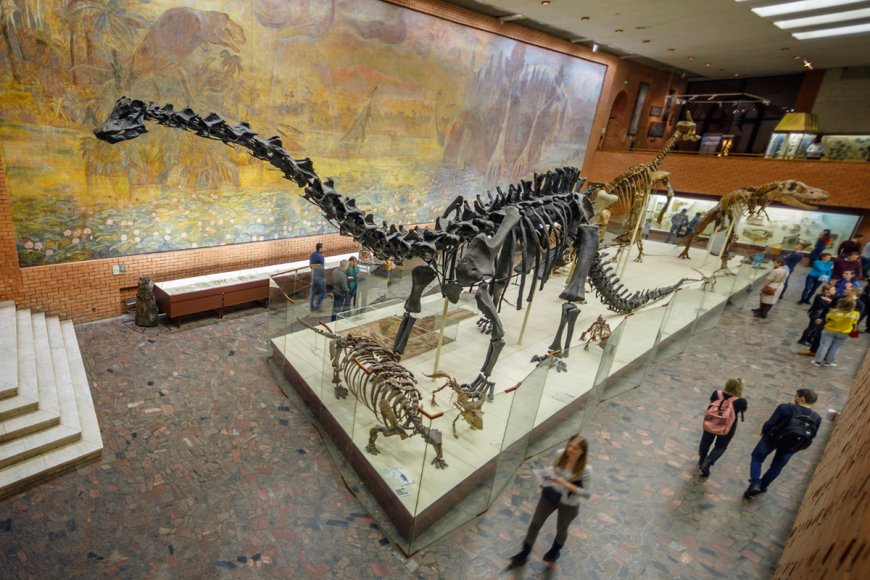
Table of Contents
- Introduction
- Introduction to the American Museum of Natural History
- Where Is the Museum Located?
- Ticket Prices and Entry Timings
- Must-See Exhibits You Should Not Miss
- Things to Do at AMNH Beyond Exhibits
- Tips for First-Time Visitors
- How Much Time Should You Spend at the Museum?
- Food Options Inside and Nearby
- Nearby Attractions to Explore After Your Visit
- Final Thoughts
-
Introduction
Visiting New York City and curious about which attraction is truly worth your time? The American Museum of Natural History is one of those special places that impresses both first-time visitors and returning guests. Whether you’re interested in dinosaurs, space, wildlife, or history, this museum offers something that captivates your interest and keeps you engaged.
This easy-to-follow guide lays everything out so you can plan your visit without stress and really enjoy your time in one of the world’s most famous museums.
-
Introduction to the American Museum of Natural History
The American Museum of Natural History, commonly known as AMNH, is more than just a museum. It’s a journey through time, space, and life on Earth. Founded in 1869, it proudly stands along Central Park’s western edge and attracts millions of visitors each year.
From giant dinosaur fossils to immersive space shows, this museum mixes education and entertainment in a way that feels natural rather than overwhelming. If you’re exploring New York’s museum scene, this one deserves a prominent spot on your itinerary.
-
Where Is the Museum Located?
The museum is situated on the Upper West Side of Manhattan, right next to Central Park.
Address:
Central Park West at 79th Street, New York CityYou can easily reach using public transport like the subway or bus, or by taking a taxi if that works better for you. The B and C subway lines stop at 81st Street, connecting directly to the museum entrance. This makes getting there simple, even for first-time visitors to NYC.
-
Ticket Prices and Entry Timings
Understanding the Museum of Natural History ticket information before your arrival will save you time and confusion.
Entry Timings
1. Open daily from 10:00 AM to 5:30 PM
2. Last entry is usually one hour before closing
3. Closed on Thanksgiving and Christmas DayTicket Prices
The museum has a pay-what-you-wish policy for general admission tickets for New York residents. For visitors from outside New York, standard pricing usually applies:
1. Adults: Around $28
2. Children (3–12): Around $16
3. Seniors and Students: Discounted rates
4. Special exhibitions, the Hayden Planetarium Space Show, and certain experiences may need additional tickets.It’s a good idea to buy your tickets in advance on the official website, especially if you’re visiting on weekends or during busy holiday times.
-
Must-See Exhibits You Should Not Miss
With so much to see, it can be hard to know where to start. This AMNH visitor guide highlights the exhibits most visitors find unforgettable.
1. Dinosaur Hall
This is the museum’s most famous section and often the first stop. You’ll see huge dinosaur skeletons, including Tyrannosaurus rex and Triceratops. The scale is impressive, especially for kids and first-time visitors.Plan extra time here. It can get crowded, but it’s worth it.
2. Hayden Planetarium
Inside the Rose Center for Earth and Space, the Hayden Planetarium offers immersive space shows narrated by familiar voices. The visuals are stunning and make complex space concepts easy to grasp.If you’re even slightly interested in space, don’t miss this exhibit.
3. Hall of Ocean Life
The giant blue whale model hanging from the ceiling is hard to overlook. This hall takes you through marine life, from tiny plankton to massive sea creatures, explaining ocean ecosystems in a clear, engaging way.4. Human Origins and Cultural Halls
These sections explore human evolution and the ways different cultures live around the world. You’ll find real artifacts, lifelike displays, and stories that connect the past to the present. -
Things to Do at AMNH Beyond Exhibits
There’s more to the museum than just walking through galleries.
1. Watch educational films and short documentaries
2. Attend guided tours led by experts
3. Explore interactive displays, especially in science-focused sections
4. Visit the gift shops for unique souvenirsThese experiences enhance your visit and make it more meaningful.
-
Tips for First-Time Visitors
The American Museum of Natural History covers a large area and can feel overwhelming at first glance. Going in without a plan can be tiring. Here are some simple tips that can help.
1. Arrive early to dodge the crowds
2. Download the museum map or use the official app
3. Focus on the sections that interest you the most instead of trying to see everything
4. Wear comfortable shoes since you’ll be walking a lot
5. Weekdays are quieter than weekends
6. Lockers are available, but try to travel light if you can
7. Accept that you won’t see it all in one visit to make navigation easier. -
How Much Time Should You Spend at the Museum?
This depends on what you want to see.
1. Quick visit: 2 to 3 hours
2. Relaxed visit: 4 to 5 hours
3. Deep exploration: Full dayMost visitors spend about half a day and still feel like there’s more to explore. If it’s your first visit, take your time to discover the museum. Choose quality over quantity.
-
Food Options Inside and Nearby
Exploring will make you hungry, and the museum has options for that.
Inside the Museum
1. Cafés offering sandwiches, salads, snacks, and drinks
2. Family-friendly options available
3. Prices are a bit higher than outside eateriesNearby Food Spots
Step outside and you’ll find many restaurants and cafés on the Upper West Side. From quick bites to sit-down meals, there are plenty of options. There are also Central Park picnic spots nearby if you prefer a more relaxed setting.
-
Nearby Attractions to Explore After Your Visit
The museum’s location makes it easy to add other experiences to your trip.
1. Central Park for a walk or to relax
2. Theodore Roosevelt Park right next to the museum
3. Shopping and cafés on the Upper West Side
4. Several other popular museums in New York are just a short distance away.This area is ideal for slowing down after a busy visit to the museum.
-
Final Thoughts
The American Museum of Natural History isn’t just for science fans or kids. It’s for anyone who enjoys learning something new in a space that feels inspiring rather than intimidating. With the right planning, comfortable pacing, and clear priorities, your visit can be enjoyable and meaningful.
Whether you’re ticking off a must-see attraction or exploring New York City for the first time, this museum offers an experience you’ll remember long after you leave. Use this guide, and savor every moment in the world’s most fascinating museum.
What's Your Reaction?
 Like
0
Like
0
 Dislike
0
Dislike
0
 Love
0
Love
0
 Funny
0
Funny
0
 Wow
0
Wow
0
 Sad
0
Sad
0
 Angry
0
Angry
0

I’m Ryan Rehan, Business Development Executive and a passionate blogger dedicated to sharing insights, tips, and experiences that inspire and inform. Through my blogs, I explore topics that matter, spark curiosity, and encourage thoughtful conversations. Whether I’m breaking down complex ideas, offering practical advice, or simply sharing stories, my goal is to create content that adds real value to a growing community of curious minds and passionate readers.
















Comments (0)