

Wild and Free: Conquering Scotland's Epic 210-Mile Bikepacking Route
Ride Scotland's epic 210-mile Badger Divide. Your complete guide to bikepacking from Inverness to Glasgow through lochs, glens & wild Highland passes.
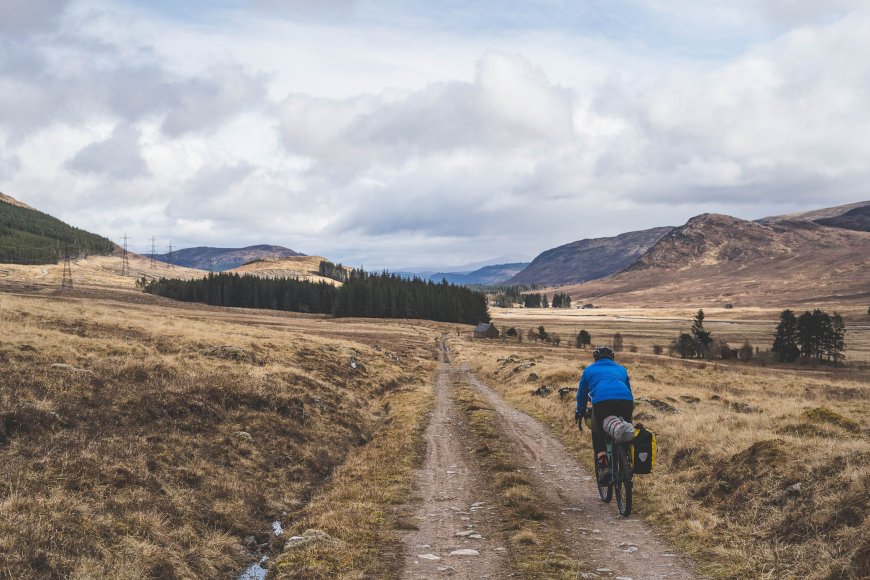
Table of Contents
- What Is the Badger Divide?
- The Route at a Glance
- Why This Ride Belongs on Your Bucket List
- Breaking Down the Route Section by Section
- Best Time of Year to Ride
- Choosing the Right Bike and Gear
- Where to Sleep
- Food, Water and Resupply Strategy
- Training and Fitness Preparation
- Navigation and Safety Essentials
- Riding Responsibly in the Highlands
- Frequently Asked Questions
- Final Thoughts
-
What Is the Badger Divide?
The Badger Divide is a 210-mile (roughly 338 km) bikepacking route linking the Highland city of Inverness in the north with Glasgow in the south. Curated by Scottish off-road enthusiast Stu Allan, it was never built from scratch. Instead, it cleverly stitches together existing rights of way, heritage paths, forestry gravel and long-distance trails including stretches of the Great Glen Way, the West Highland Way and the An Turas Mòr route into a single flowing line through the country's wildest interior.
The result is a journey that feels purpose-built for adventure cycling. You roll out of one city, vanish into the mountains for several days of glens, lochs and silence, then emerge into another city with sore legs and a head full of memories. Most riders tackle it over four to five days, though it has also become a celebrated endurance challenge, with the fastest racers completing the entire distance in under a day.
-
The Route at a Glance
Before you commit, it helps to know exactly what you are signing up for.
- Distance: 210 miles / 338 km
- Total climbing: around 5,300 m (17,400 ft)
- Start and finish: Inverness Castle and Kelvingrove Art Gallery in Glasgow (rideable in either direction)
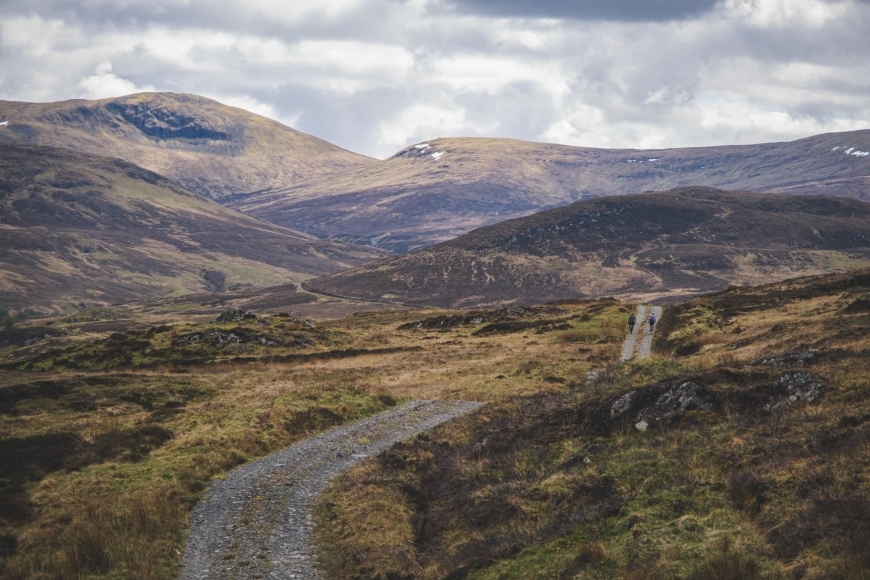
- Surface: a mix of compacted gravel, rocky byways, estate tracks, singletrack and short tarmac connections
- Recommended bike: gravel bike or hardtail mountain bike with 40 mm or wider tyres
- Typical duration: 4–5 days for most bikepackers
- Difficulty: intermediate to advanced, thanks to remoteness, climbing and changeable weather
On paper the gradients look manageable, but the Badger has a reputation for being deceptively tough. Rough surfaces test your bike-handling, the weather can turn in minutes, and long unsupported sections demand careful planning. That challenge is precisely what makes finishing it so satisfying.
-
Why This Ride Belongs on Your Bucket List
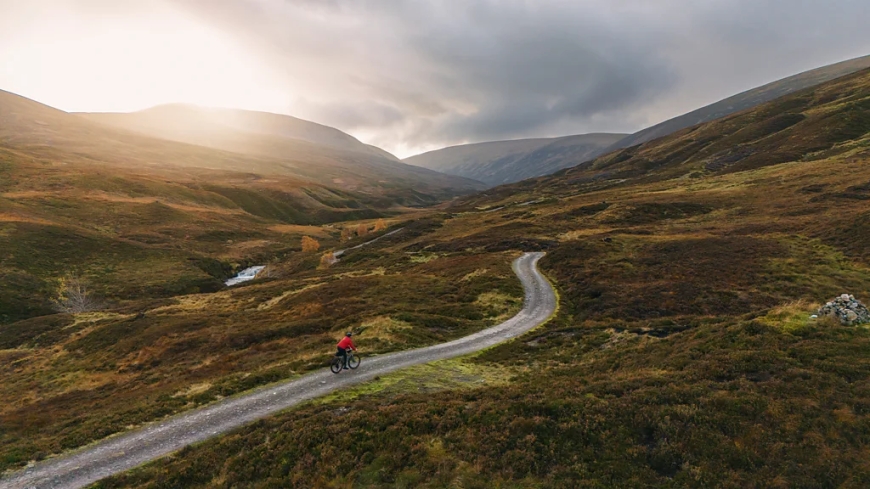
Plenty of routes offer big miles. Few offer big miles and a constantly shifting cast of landscapes. On the Badger Divide you pedal alongside the dark waters of Loch Ness, climb the historic military road over the Corrieyairack Pass, skirt the remote shores of Loch Ossian and Loch Rannoch, drop into the storybook beauty of Glen Lyon, and finish among the woodlands and lochs of the Trossachs before the run into Glasgow.
It is also wonderfully accessible by public transport. Both Inverness and Glasgow sit on the rail network, so you can travel to the start, ride point-to-point, and catch a train home without ever needing a car. For riders chasing genuine remoteness without the logistical headache of a fully self-supported expedition in the middle of nowhere, that balance is hard to beat.
Above all, this route delivers the feeling that gives bikepacking its name: being truly self-sufficient, carrying your shelter and food, and waking up somewhere wild with nothing on the agenda but the trail ahead.
-
Breaking Down the Route Section by Section
While you can split the days to suit your own pace, this five-stage breakdown reflects how many riders approach it heading south from Inverness.
Stage 1: Inverness to Fort Augustus
A gentle introduction along the Great Glen Way, tracing the length of Loch Ness. Expect rolling forest tracks and steady climbs that ease you into the rhythm of loaded riding. Fort Augustus is your last reliable hub of shops and cafés for a good while, so top up here.
Stage 2: Fort Augustus over the Corrieyairack Pass
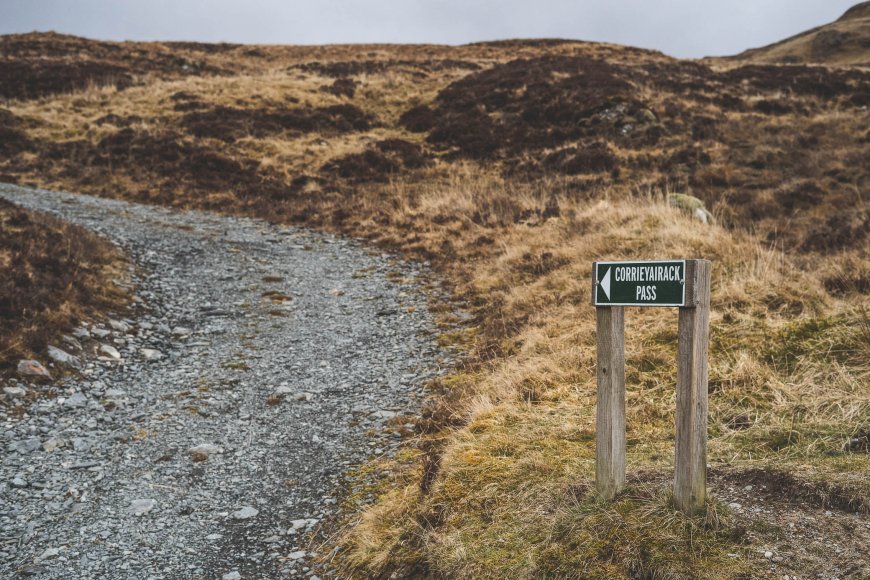
This is where the adventure gets serious. The climb over the Corrieyairack, an old military road dating back centuries is the highest point of the entire route and a genuine test of legs and lungs. The reward is a long, atmospheric descent into the remote Laggan area and a profound sense of having left the everyday world behind.
Stage 3: The Wild Heart - Loch Ossian and Loch Rannoch
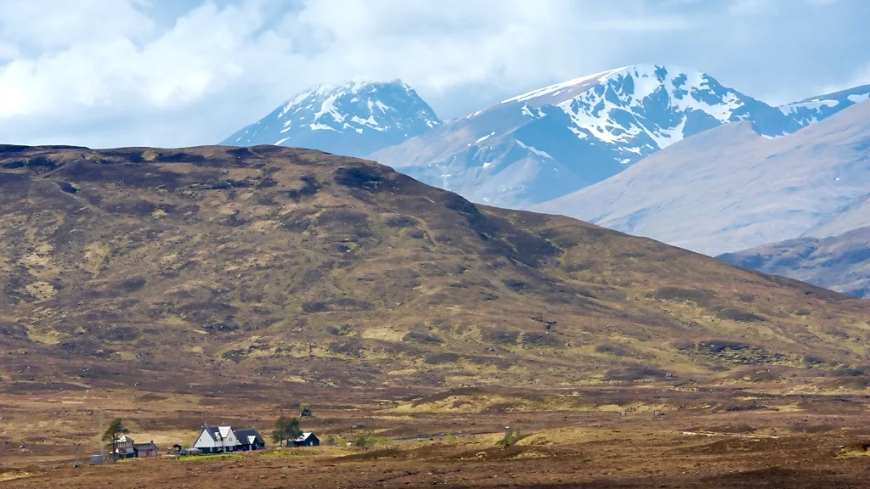
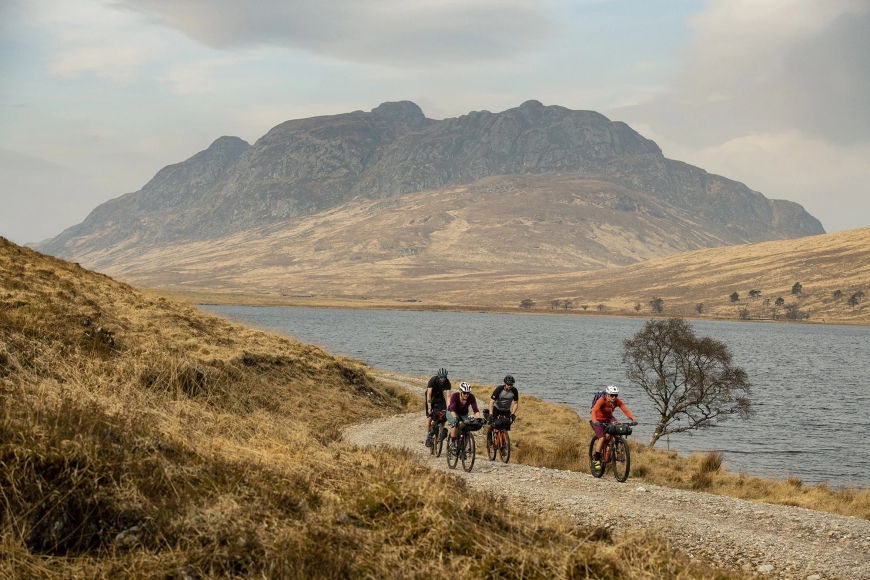
The middle of the route is its most committing. You pass through some of the emptiest country in Britain, skirting Loch Ossian and the moors around Rannoch. Amenities are scarce, phone signal patchy, and self-reliance essential. It is also, for many riders, the most spellbinding stretch of the whole journey.
Stage 4: Glen Lyon and the Climbs of Balgie
Dramatic mountain glens dominate here, with steep climbs over passes such as Balgie that demand patience and a willingness to spin a low gear. Glen Lyon, often called the longest enclosed glen in Scotland, is a quiet, almost reverent place to ride through.
Stage 5: The Trossachs into Glasgow
The final day softens. You roll through the lochs and forests of the Trossachs National Park, pick up sections of cycle path, and follow the river into Glasgow, finishing at the grand Kelvingrove Art Gallery. The contrast between days of mountain solitude and the buzz of a city arrival is part of the magic.
-
Best Time of Year to Ride
The sweet spot for the Badger Divide is late spring through early autumn, roughly May to September. May and June offer long daylight hours and a reasonable chance of drier ground, while September brings the first hints of autumn colour and thinner crowds.
A word on midges: these tiny biting insects descend in vast clouds during the warmest, stillest months of high summer, particularly around dawn and dusk near water. A head net and a strong repellent are non-negotiable if you ride in July or August. Whenever you go, pack for four seasons in a single day, because the Highlands rarely promise anything else.
-
Choosing the Right Bike and Gear
A gravel bike with tyres of at least 40 mm is the popular choice, offering a good balance of speed on smoother sections and grip on the rough. A hardtail mountain bike is equally valid and more forgiving over the rockier byways, especially if you value comfort over outright pace. Whatever you ride, make sure it is mechanically sound before you start, there are no bike shops in the wilderness.
For luggage, a classic bikepacking setup works best: a handlebar roll for your sleeping system, a frame bag for tools and heavy items, and a saddle pack for clothing. Keeping weight low and centred makes a huge difference on the climbs and descents.
Essential kit includes:
- A reliable shelter (lightweight tent, bivvy bag or tarp)
- A sleeping bag rated for cold Highland nights
- Waterproof jacket and trousers, plus warm layers
- A robust repair kit: spare tubes, tubeless plugs, pump, chain links, multi-tool
- A power bank to keep your GPS and phone alive
- A first-aid kit and a head net for midge season
-
Where to Sleep
Part of the joy of the Badger Divide is the freedom in how you rest your head.
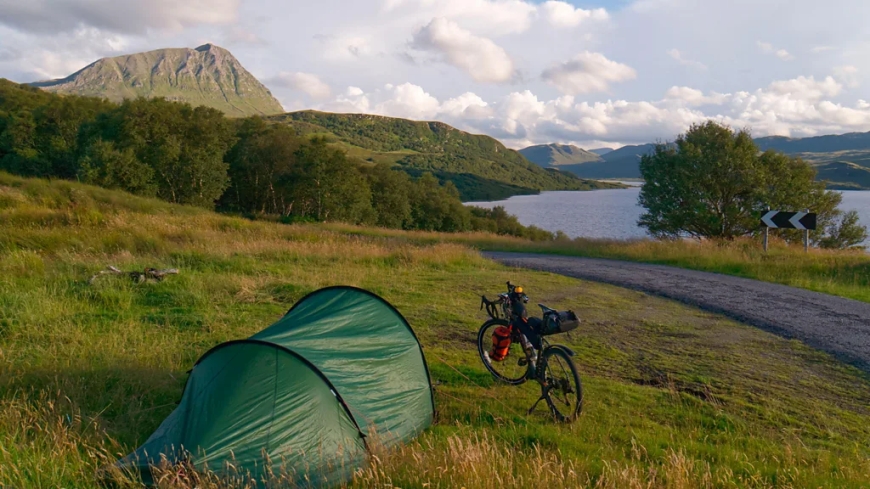
Wild camping is permitted across most of Scotland under the country's enlightened access laws, provided you camp responsibly, away from buildings and roads, and leave no trace. This gives you the flexibility to stop wherever the day runs out.
Bothies simple, free, unlocked mountain shelters maintained largely by volunteers dot the Highlands and offer a roof, four walls and a real sense of community on the trail. They are first-come, first-served, so always carry a backup shelter.
Hostels, bunkhouses and B&Bs are available in the towns near each end and at a few points along the way, making a good option for riders who want a hot shower, a proper bed and a chance to recharge devices.
-
Food, Water and Resupply Strategy
Resupply is one of the biggest planning challenges on this route. After Fort Augustus, services become sparse for a long stretch through the centre of the country. Plan to carry enough food to cover the remote middle days, and identify the few villages and shops along the way where you can restock.
For water, the Highlands are rich in streams and lochs, but always treat or filter what you collect, a lightweight water filter or purification tablets weigh almost nothing and protect you from an unpleasant end to your trip. Pack calorie-dense, no-cook options such as nuts, dried fruit, energy bars and instant meals so you are never caught short in the empty quarter.
-
Training and Fitness Preparation
You do not need to be a professional athlete to complete the Badger Divide, but a solid base of fitness and a few loaded practice rides go a long way. The challenge is less about raw speed and more about sustained, day-after-day effort on a heavy bike over rough ground.
In the months before your trip, build up your long-ride endurance, get comfortable spending many hours in the saddle, and practise riding with your bike fully loaded so there are no surprises. Include some hilly routes to prepare your legs for the relentless climbing, and ideally do at least one overnight shakedown trip to test your gear and your packing system. Hike-a-bike, pushing your loaded bike up the steepest, roughest pitches is a normal part of the experience, so do not be discouraged by it.
-
Navigation and Safety Essentials
Download the official GPX track and load it onto a dedicated GPS device or a phone running an offline mapping app. Carry paper backups of the relevant Ordnance Survey maps and know how to use them, because batteries fail and signal disappears.
Tell someone your planned route and check-in times before you set off. Pack a fully charged phone, a power bank, and ideally a personal locator beacon or satellite messenger for the remote middle sections where mobile coverage is unreliable. Check the mountain weather forecast daily and be prepared to adjust your plans if conditions turn dangerous. The Highlands are beautiful but unforgiving, and good judgement is your most important piece of safety equipment.
-
Riding Responsibly in the Highlands
The wild character of this route depends on every rider treating it with respect. Follow the principles of leave no trace: carry out all your rubbish, bury human waste well away from water, and use a stove rather than lighting fires. Stick to established tracks to avoid eroding fragile ground, close gates behind you, and give way courteously to walkers, especially on shared paths like the West Highland Way. By riding lightly, you help keep the Badger Divide open and pristine for those who follow.
-
Frequently Asked Questions
How long does it take to ride the Badger Divide?
Most bikepackers complete it in four to five days at a comfortable pace. Endurance racers have ridden the full distance in under 24 hours, while a relaxed schedule of six or seven days lets you savour the scenery.
Is the Badger Divide suitable for beginners?
It is best suited to riders with some off-road and endurance experience. The terrain is rarely highly technical, but the distance, climbing and remoteness make it a step up from a casual weekend ride. A guided or supported version can ease the leap for newer adventurers.
Which direction should I ride it?
Both work. Many start in Inverness and head south to Glasgow to leave the busier West Highland Way section for the gentler end of the trip, but the route is fully rideable either way.
Do I need a mountain bike?
No. A gravel bike with wide tyres is a popular choice. A hardtail mountain bike adds comfort over rocky sections and is equally appropriate.
-
Final Thoughts
The Badger Divide is more than a route, it is an invitation to disappear into the wild for a few days and rediscover what your body and spirit are capable of. It will test your legs on the Corrieyairack, soothe your soul beside Loch Ossian, and deliver a finish-line feeling few rides can match. Plan carefully, pack smart, ride responsibly, and Scotland's epic 210-mile gravel adventure will give you a story you will be telling for years.
The mountains are waiting. Load your bags, point your wheels north or south, and go find out what wild and free really feels like.
What's Your Reaction?
 Like
0
Like
0
 Dislike
0
Dislike
0
 Love
0
Love
0
 Funny
0
Funny
0
 Wow
0
Wow
0
 Sad
0
Sad
0
 Angry
0
Angry
0

A spirit that pursues sunsets and tales. Entrepreneur at heart, globe-trotter by soul. Founder of an art-worshiping jewelry brand that embodies emotion & individuality — where each piece is a tale of culture, craft, and character. From trails up mountains to gem markets, I'm inspired by all journeys — transforming wanderlust into enduring design. Establishing a brand built on authenticity, refinement & purpose — one work at a time.










Comments (0)