

Top 5 Waterfalls Near Kota You Must Visit for a Weekend Escape
Discover the top 5 waterfalls near Kota, Rajasthan — perfect for a weekend getaway filled with nature, adventure, and hidden scenic beauty.
Table of Contents
- Introduction: Why a Nature Tour around Kota?
- How to Plan Your “Waterfalls Near Kota Rajasthan, Weekend Getaway from Kota”
- Top 5 Waterfalls
- Why Each Waterfall is Special?
- Best Season for Visit to Waterfalls (Monsoon & Post-Monsoon)
- Travel & Photography Tips
- Local Stay and Overnight Stay Options
- Last Words: Nature Break from Kota
- FAQs
-
Introduction: Why a Nature Tour around Kota?
If you're in or passing through Kota and curious about a calm "nature trip Rajasthan" outing, you'll discover something unique beyond the coaching-city bustle: secret waterfalls, forest hideaways, and a rejuvenating weekend getaway. The "adventure places near Kota" are not merely forts and desert trails; they consist of verdant green gorges, rainy-season cascades and off-the-beaten-path picnic spots that take on new life in the rains. This blog focuses on the "waterfalls near Kota Rajasthan" that provide you with just that.
-
How to Plan Your “Waterfalls Near Kota Rajasthan, Weekend Getaway from Kota”
- Choose 1 or 2 sites from the list if you’re doing a 1-day escape (early start recommended).
- For a full weekend, pair one waterfall with a forest or wildlife zone (e.g., Mukundara Hills region).
- Pack for trekking/rocks: sturdy shoes, extra clothes, water, snacks. Many falls are in rugged terrain.
- Check local weather: post-monsoon is good flow + greenery, but not heavy rains or slippery trails.
- Respect nature & local culture: several falls are close to temples or in tribal/forest areas.
- Photography enthusiasts: carry wide-angle, maybe drone if allowed (check regulations).
-
Top 5 Waterfalls
-
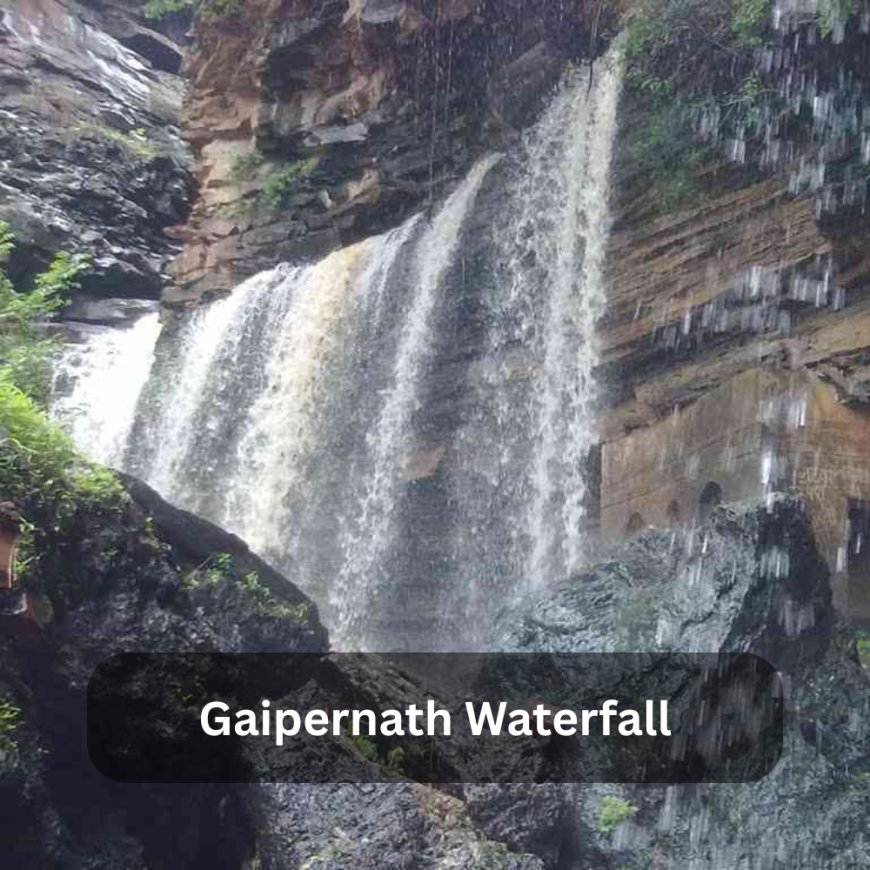
1. Gaipernath Waterfall (Kota District)
Distance & How to Reach: It is approximately 20–30 km from the city center of Kota on Rawat Bhata road, about a 30-40 minute drive depending on traffic.
Why it is special: It has a gorge, rocky landscape and a temple (Gaipernath/Gapernath) close to the falls. The stair-descent to the bottom gives a mini-trek experience.
Best time: Monsoon season (July-September) and early post-monsoon (Oct.) when water flow is excellent, vegetation around is fresh.
Tip: Wear shoes with traction—rock surfaces and stairs are slippery when wet. Also, go early morning or late afternoon to minimize crowds.
Places for photography: From rim of gorge for wide cascade photo; closer to temple for misty water + temple frame; warm light from golden hour on stairs side.
-
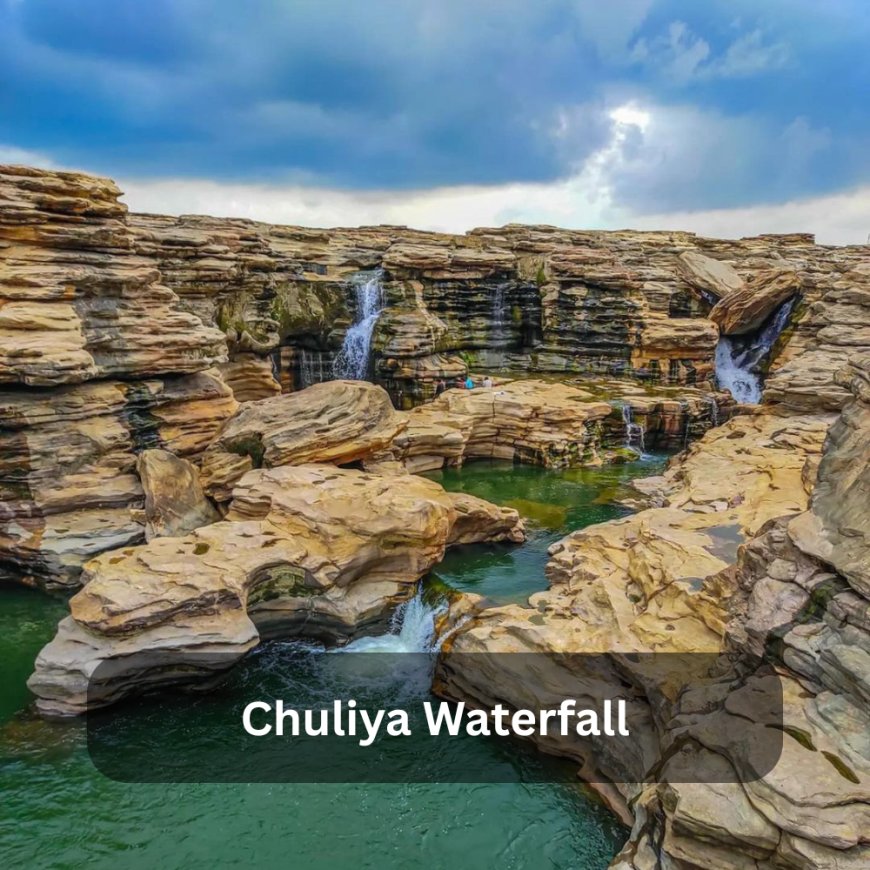
2. Chuliya Waterfall / "Chudiyan Falls", Rawatbhata
How to reach & Distance: Approximately ~50-60 km away from Kota (Rawatbhata / Chittorgarh area) – drive to Rawatbhata and local route.
What's so special about it: The waterfall gets its name "Chuliya" due to natural rock formations resembling bangles ("chudiyan") in the river bed; waterfalls around the dam/Rana Pratap Sagar site.
Best season: Monsoon and post-monsoon: cascades become powerful; in dry weather water might decrease.
Tip: It's less crowded – quiet picnic but check road condition; some areas may be offbeat.
Photography opportunities: Rock formations + water at low angle; the river bed bangle formations; falls' sunset light.
-
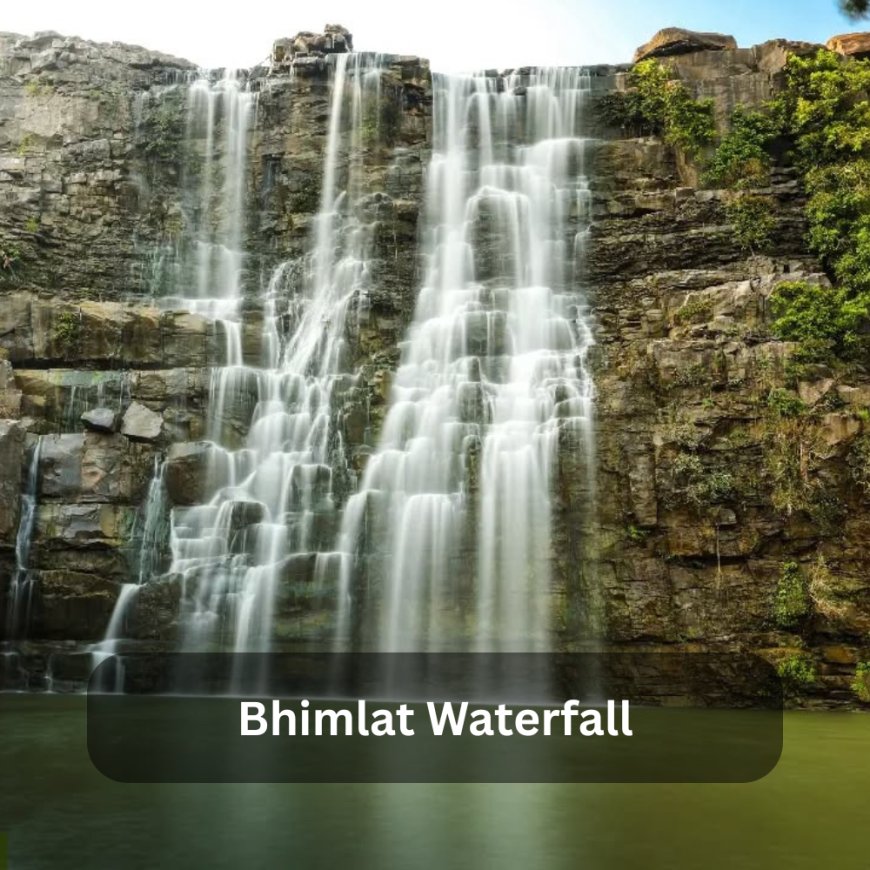
3. Bhimlat Waterfall (near Bundi)
Distance & How to Reach: Although technically part of Bundi district, it is within reach of a Kota weekend. Approximately 35-40 km from Bundi town (~90 km away from Kota itself) or you can organize Bundi–Kota loop.
What makes it special: Tall waterfall (est height ~150-feet as quoted) set in Aravalli hills, with temple (Bhimlat Mahadev) nearby—and mythology connects to the Mahabharata.
Best season: Monsoon is ideal—greenery galore, full flow.
Tip: Pair with exploration of Bundi town attractions (frescoes, step wells) to get culture + nature. Also, the descent path could include steps and slippery stones.
Photography points: Fall + temple, wide shot; misty pool at bottom in morning light; trail/trees framing.
-
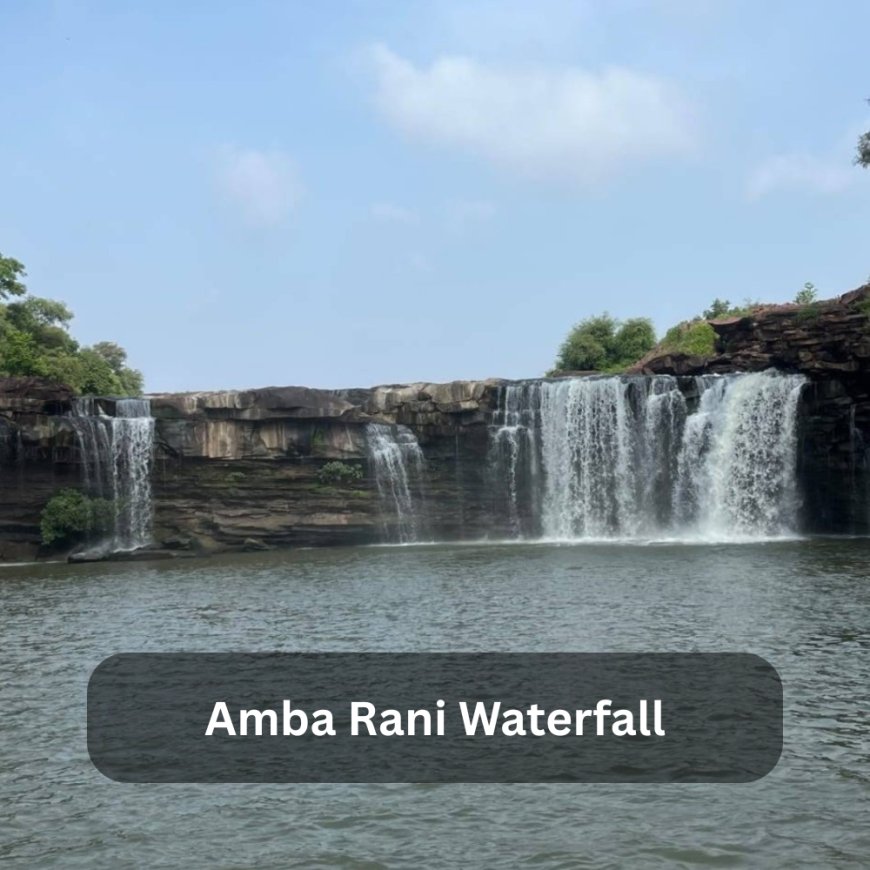
4. Amba Rani Waterfall (in Mukundara Hills Area)
Distance & How to Reach: The Mukundara Hills Tiger Reserve (also called Darrah Wildlife Sanctuary) is about ~50 km from Kota. Within this forest/park region you’ll find lesser‐explored cascades like Amba Rani.
What makes it special: Combination of nature trip + wilderness + waterfall; perfect for adventure and forest gaps, not only the cascade itself. The green stretch and forest ambiance make it distinct among "nature trips Rajasthan".
Best time: Monsoon/post-monsoon (July-October) for foliage and water. After that dry period might shorten the fall.
Tip: If overnight stay in Mukundara area, bring insect repellent, inquire about forest regulations, and preplan early return if wildlife area.
Photography locations: Forest path to waterfalls, waterfall + tree canopy, soft dawn light through the jungle.
-
5. Bonus: Free-Roam Nature & Waterfalls around Mukundara Hills / Darrah area
If you've got more time (2-day getaway), you can create a small loop:
- Begin at Kota
- Mukundara Hills area (forest & small waterfalls)
- Overnight stay
- the following day Bhimlat (through Bundi) or Chuliya and return to Kota. This provides you with a richer "adventure areas around Kota" experience than that of a single fall.
Also, several seasonal or small falls near Rawatbhata / Kama area can be found while driving on local roads. Always inquire locally.
-
-
Why Each Waterfall is Special?
Waterfall & their Unique Features
- Gaipernath - Gorge development around Kota, temple + steps hike, suitable for a half‐day break.
- Chuliya - Rock‐bangle formation shapes, around Rawatbhata dam site – odd geology.
- Bhimlat - Tall, stately fall in green hills, mythological association, more rural ambiance.
- Amba Rani (Mukundara) Forested waterfall, in a tiger reserve area – wilderness + nature package.
- Bonus circuit Falls with forest & culture (Bundi) combination provides rich diversity.
-
Best Season for Visit to Waterfalls (Monsoon & Post-Monsoon)
Monsoon (July-September): the ideal time when water flow is strong, the vegetation is fresh, and the "hidden waterfalls in Kota" sparkle. But watch out for heavy rains, slippery slopes, and potential closure of forest roads.
Post-monsoon (October–early November): excellent time — flow still good, weather nice, less danger of heavy rain.
Dry season (winter/summer): several falls can become trickles, environs can be arid. Visit then if you can, emphasizing trekking/forest rather than anticipating full waterfall spate.
-
Travel & Photography Tips
- Shoes & attire: Wear non‐slip footwear, take a light rain jacket (monsoon). Not sandals for slippery rock areas.
- Safety around water: Particularly during high flow, powerful currents could be hazardous (see recent incident at Bhimlat when a tourist got swept away).
- Timing: Go early morning for soft light and less crowd. Late afternoon also good for golden hour.
- Camera equipment: Take wide angle for entire cascade + foreground rocks/trees. For long exposures, carry ND filter if you have.
- Local transport: Take a taxi from Kota or Rawatbhata; public transport may not be frequent at some places. For Rawatbhata/Chuliya area confirm last mile.
- Respect nature: Do not litter; walk on designated path; in forest areas keep silence and don't disturb wildlife.
- Local food & refreshments: Some waterfalls have very simple facilities; bring snacks and water if going to far-off areas.
- Tip for accommodation: If overnight stay is to be done close to Mukundara, pre-booking; away forest lodges might have few rooms available.
-
Local Stay and Overnight Stay Options
- In Kota city: plenty of hotels, guest-houses — suitable base for day outing.
- Near Mukundara Hills Reserve: few eco-lodges / forest guest-houses are there; pre-booking advisable.
- Bundi town (if going to Bhimlat): Boutique heritage hotels in Bundi provide pleasant stay; then you can make waterfall visit in the morning.
- For Rawatbhata/Chuliya area: Overnight at Kota or Rawatbhata; falls are day-trip friendly.
-
Last Words: Nature Break from Kota
For a "weekend break from Kota", these waterfalls are ideal breathers: they offer the charm of "nature trips Rajasthan", the thrill of rough terrain, and an escape from urban congestion. Whether you’re a photo enthusiast, nature lover, or simply want relaxation in a green setting, the “waterfalls near Kota Rajasthan” circuit is highly recommendable—especially in the monsoon/post-monsoon window. Pack your bag, pick a destination, and go explore the cascade, the forest and the trail.
-
FAQs
Q1. Are these waterfalls accessible by car?
Yes, most are reachable by road till a drop-off point; last stretch may need walking/steps as with Gaipernath.Q2. Is swimming permitted at these waterfalls?
Some have natural pools (e.g., Bhimlat) but always check local signage/conditions; strong currents can be dangerous.Q3. Are these places crowded?
Gaipernath & Chuliya have local tourists, particularly monsoon weekends; others (Mukundara) are more remote.Q4. Are there entry charges?
Many are free or small; always check locally (e.g., Gaipernath had camera fee).Q5. Can I visit with family/children?
Yes, carefully: choose safer locations, miss heavy flow days, and watch children when they are close to cliffs/rocks.
What's Your Reaction?
 Like
0
Like
0
 Dislike
0
Dislike
0
 Love
0
Love
0
 Funny
0
Funny
0
 Wow
0
Wow
0
 Sad
0
Sad
0
 Angry
0
Angry
0

A spirit that pursues sunsets and tales. Entrepreneur at heart, globe-trotter by soul. Founder of an art-worshiping jewelry brand that embodies emotion & individuality — where each piece is a tale of culture, craft, and character. From trails up mountains to gem markets, I'm inspired by all journeys — transforming wanderlust into enduring design. Establishing a brand built on authenticity, refinement & purpose — one work at a time.












Comments (0)