

Char Dham Yatra on a Budget: The Ultimate Spiritual Journey Through the Sacred Shrines of Uttarakhand
Explore the Char Dham Yatra on a budget with smart travel tips, affordable stays, and a soulful journey through Uttarakhand’s sacred shrines.
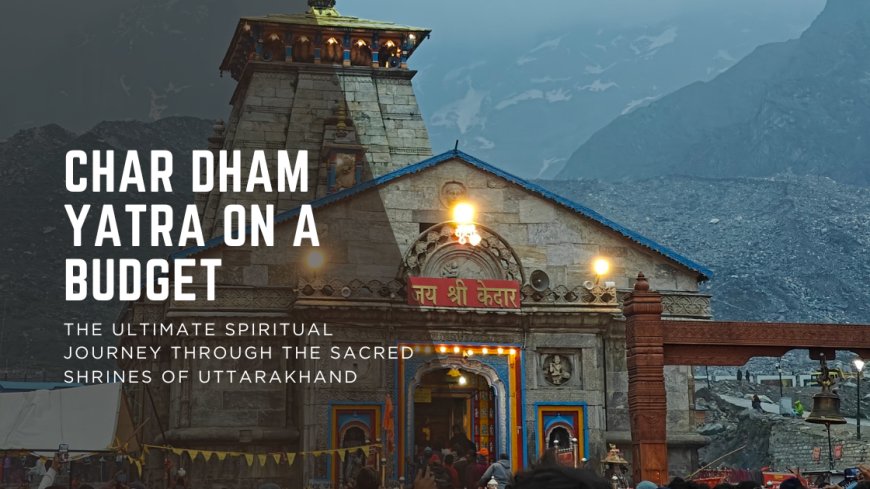
Table of Contents
- What is Char Dham Yatra?
- Why Do It on a Budget?
- Our Journey Begins: Haridwar to Paudi Garhwal
- Day 2–3: Yamunotri - The Source of the Sacred Yamuna
- Day 4–5: Gangotri - The Holy Ganga Descends
- Day 6–7: On the Road to Sonprayag - Sleeping on a Potato Farm
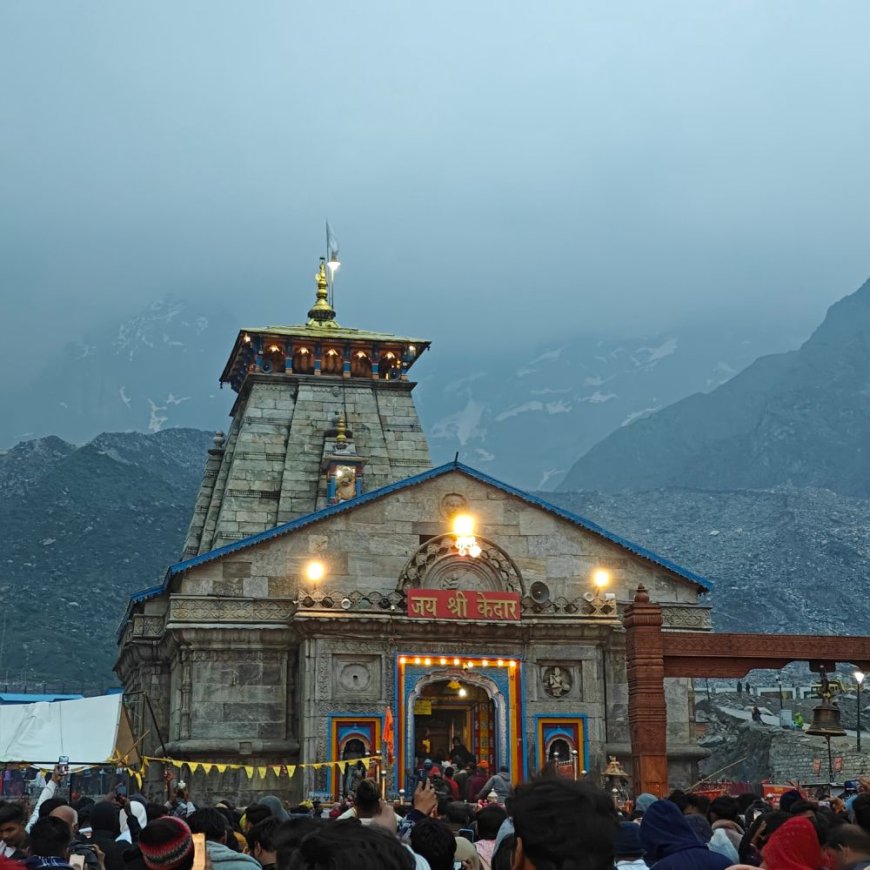
- Day 8–9: The Trek to Kedarnath - Lord Shiva's Abode
- Day 10: Bhairav Ghati & Descending from Kedarnath
- Day 11–12: Badrinath & Mana - The Last Village of India
- The Return: Dhari Devi Temple & Back to Rishikesh
- Budget Breakdown & Practical Tips
- Essential Packing List for Budget Trekkers
- Final Thoughts: The Yatra is the Destination
-
What is Char Dham Yatra?
Nestled high in the Garhwal Himalayas of Uttarakhand, the Char Dham meaning is "four abodes" refers to the four sacred pilgrimage sites of Yamunotri, Gangotri, Kedarnath, and Badrinath. Together, they form one of the most revered spiritual circuits in the Hindu faith. Pilgrims believe that completing the Char Dham Yatra washes away all sins and paves the path to moksha - liberation from the cycle of birth and death.
The Yatra is traditionally undertaken from west to east, beginning at Yamunotri and concluding at Badrinath. Each shrine is accessible only for a few months a year typically May through November owing to the extreme Himalayan winters that blanket the region in snow.
-
Why Do It on a Budget?
Most travel agencies will quote you anywhere from ₹30,000 to ₹1,00,000 per person for a packaged Char Dham tour. Yet every traveler eventually discovers one simple truth: the mountains belong to everyone. It is the comfort, the packaging, and the middlemen who charge you. With planning, a spirit of adventure, your own tent, and willingness to sleep where the road takes you, the Char Dham Yatra can be done for a fraction of the cost and with ten times the memories.
Our group did exactly that trekking, camping, cooking our own meals, and sleeping on a potato farm at 8,000 feet and returned with darshan that was as pure as anyone else's, perhaps more so because every step was earned.
- Best Season - May – June / Sep – Oct
- Duration - 10 to 14 Days
- Starting Point - Haridwar / Rishikesh
- Budget Range - ₹8,000 – ₹15,000/person
-
Our Journey Begins: Haridwar to Paudi Garhwal
Every great Himalayan story begins at Haridwar where the Ganga rushes down from the mountains and spills into the plains with a roar. We caught our train at Haridwar Railway Station, one of the most well-connected rail hubs in Uttarakhand. The energy at Haridwar is unmistakable: temple bells, saffron-clad sadhus, the smell of incense, and the distant sound of the Ganga's Har Ki Pauri ghats.
From My Journal
"We started our journey from Haridwar railway station. By evening we had reached Paudi Garhwal a small, serene hill town at around 1,814 metres above sea level. We'd rented out a terrace from a local family and put up our own tents on it. As night fell over the pine forests, we cooked our own meal under a sky full of stars. It was the most peaceful first night we could have asked for."
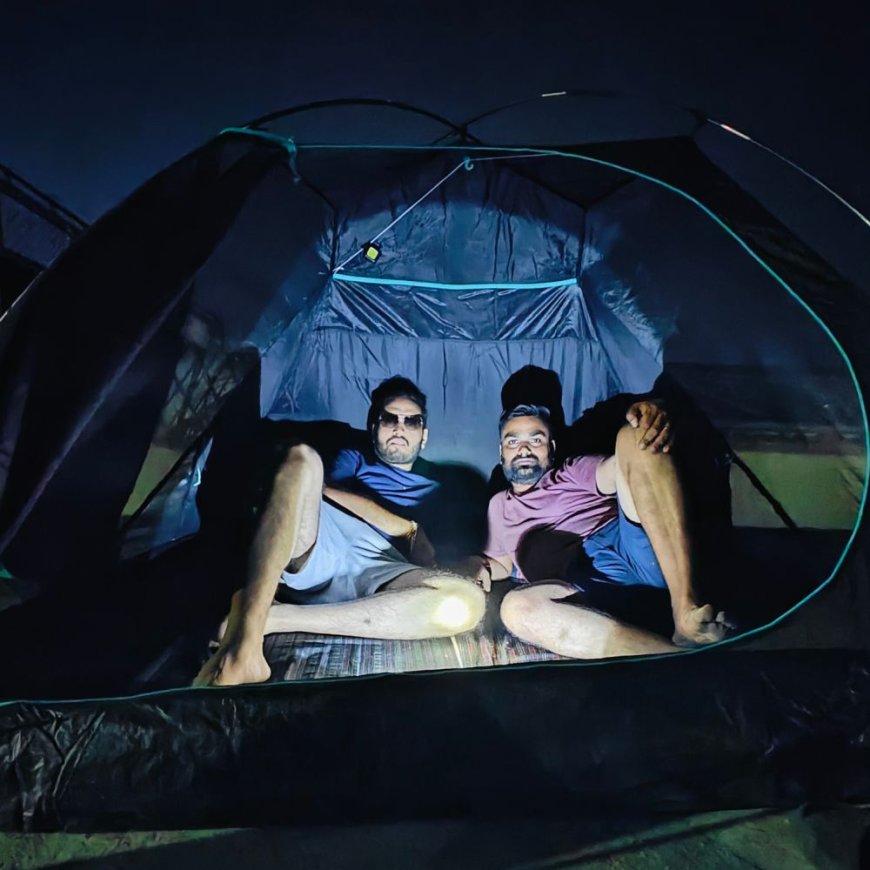
Paudi Garhwal is a stunning layover that many pilgrims skip in favour of rushing to the dhams. We recommend spending an evening here with the views of the Himalayan ranges from the town are breathtaking, and local dhabas serve comforting Garhwali food at very reasonable prices. Renting a terrace or rooftop for tent camping is both cheap and authentic.
Budget Tip
- Carry your own tent it saves hundreds of rupees per night at each stop.
- Ask local families if you can set up on their terrace or compound for ₹100–200.
- Buy essential dry food supplies like oats, instant rice, and noodles from the local markets in Haridwar before starting your journey.
-
Day 2–3: Yamunotri - The Source of the Sacred Yamuna
Yamunotri DhamAltitude: ~3,293 m | Trek: ~6 km one way | Trek Time: 3–4 hours
Waking before dawn at Paudi, we packed our tents and headed toward Yamunotri the western most shrine of the Char Dham. The route to Janki Chatti (the base for the trek) winds through dense deodar forests and offers views of waterfalls and gurgling streams. The trek itself begins at Janki Chatti and climbs steadily for about 6 kilometres through a rugged mountain trail.
From My Journal
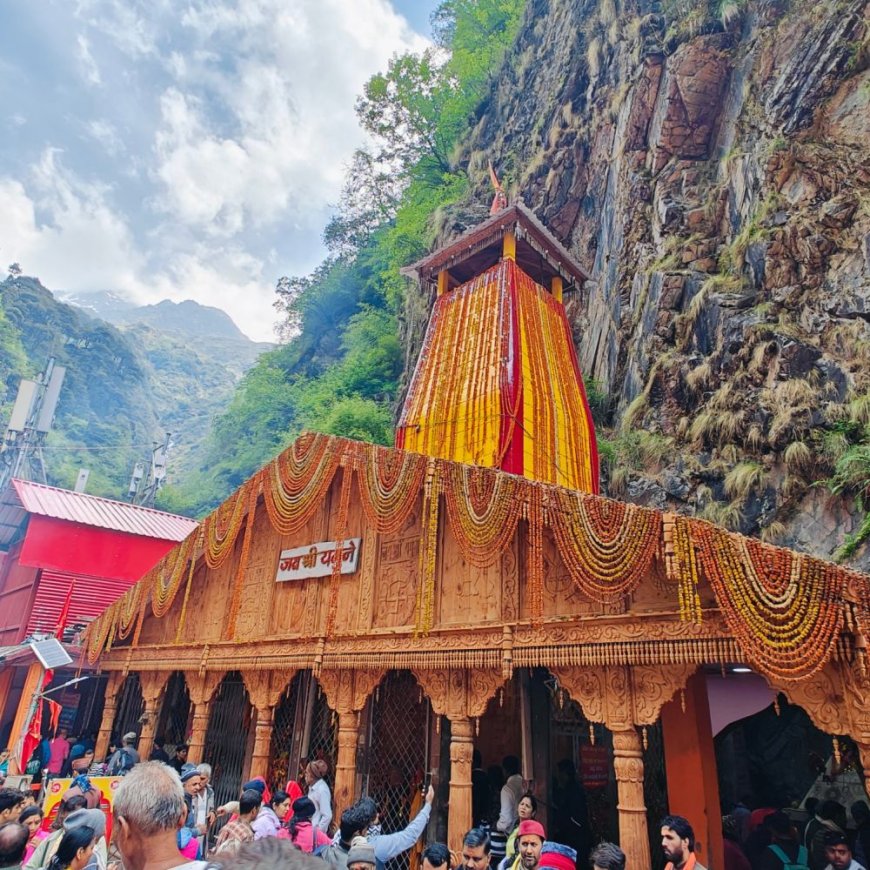
"We started the trek at Yamunotri and completed it in 6 to 7 hours. The trail was challenging in places steep, rocky, and demanding but utterly beautiful. And when we finally reached the shrine and had darshan of Goddess Yamuna, the effort melted away completely. Standing at the source of one of India's greatest rivers, surrounded by steaming hot springs and snow-streaked peaks, felt like touching something ancient and sacred."
At Yamunotri, the main attraction is the Yamunotri temple dedicated to Goddess Yamuna, and the famous Surya Kund - a boiling hot spring where pilgrims cook rice and potatoes in cloth bags as an offering. The darshan queue can be long during peak season, so arriving early is always wise.
Budget Tip
- Skip the pony or doli - walk the trek and save ₹1,500–₹3,000.
- Carry your own water bottle and refill from natural springs on the trail.
- Offer potatoes cooked in Surya Kund instead of buying expensive floral offerings.
-
Day 4–5: Gangotri - The Holy Ganga Descends
Gangotri DhamAltitude: ~3,048 m | Road accessible | Temperature: 5–15°C
After Yamunotri, we made our way to Gangotri, the second dham - where the holy Ganga, or Bhagirathi as she is called here near her origin, flows with thunderous grace. The drive from Uttarkashi to Gangotri is one of the most scenic road journeys in Uttarakhand, hugging mountain cliffs with the river roaring below.
From My Journal
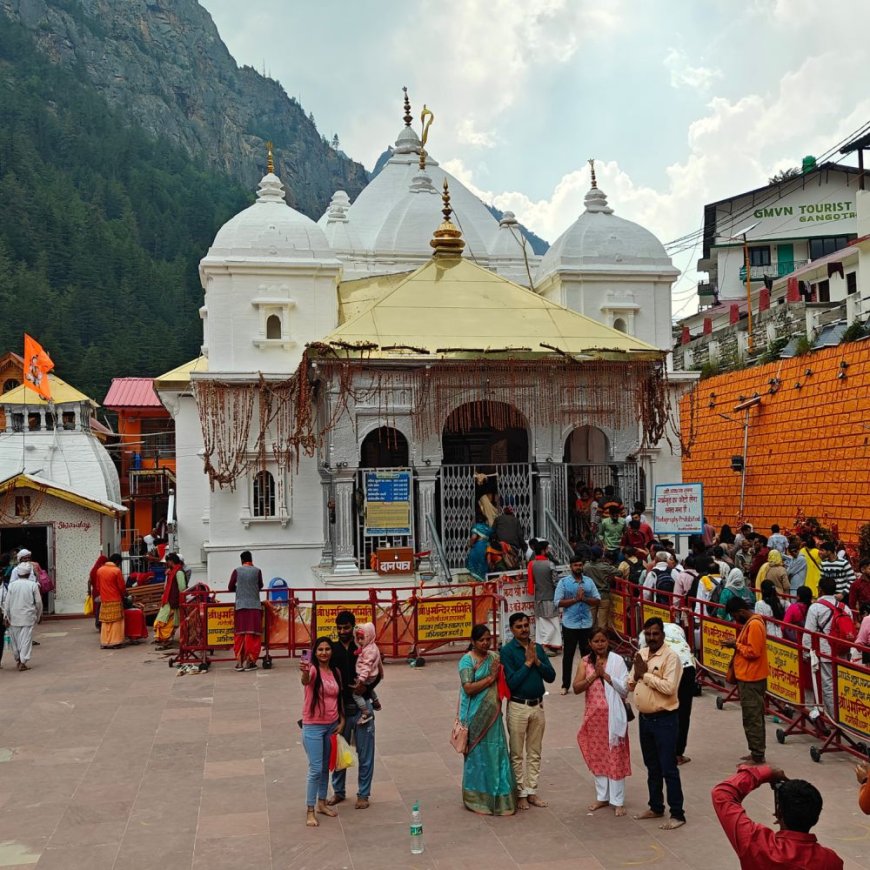
"We reached Gangotri the next day. The moment we arrived, we rushed to the holy river Ganga, took a bath in her ice-cold waters, and worshipped Goddess Ganga Maa at the temple. The water was freezing the kind of cold that cuts through every layer of fatigue and fills you with pure, alert energy. Worshipping at the banks of the Bhagirathi, with the temple's ancient spires rising above us, was an experience of unmatched devotion."
The Gangotri Temple, painted white and set against the silver-grey mountain backdrop, is dedicated to Goddess Ganga. The natural setting is extraordinary the Bhagirathi River thunders through a rocky gorge, and the air smells of pine and cold stone. For budget travellers, there are several dharamshalas and ashrams offering basic accommodation at minimal or no cost.
Budget Tip
- Stay at GMVN guesthouses or ashram dharamshalas - beds from ₹200–₹500/night.
- Community kitchens near the temple often provide simple meals at langar rates.
- The town is small everything is walkable, so no transport cost within Gangotri.
-
Day 6–7: On the Road to Sonprayag - Sleeping on a Potato Farm
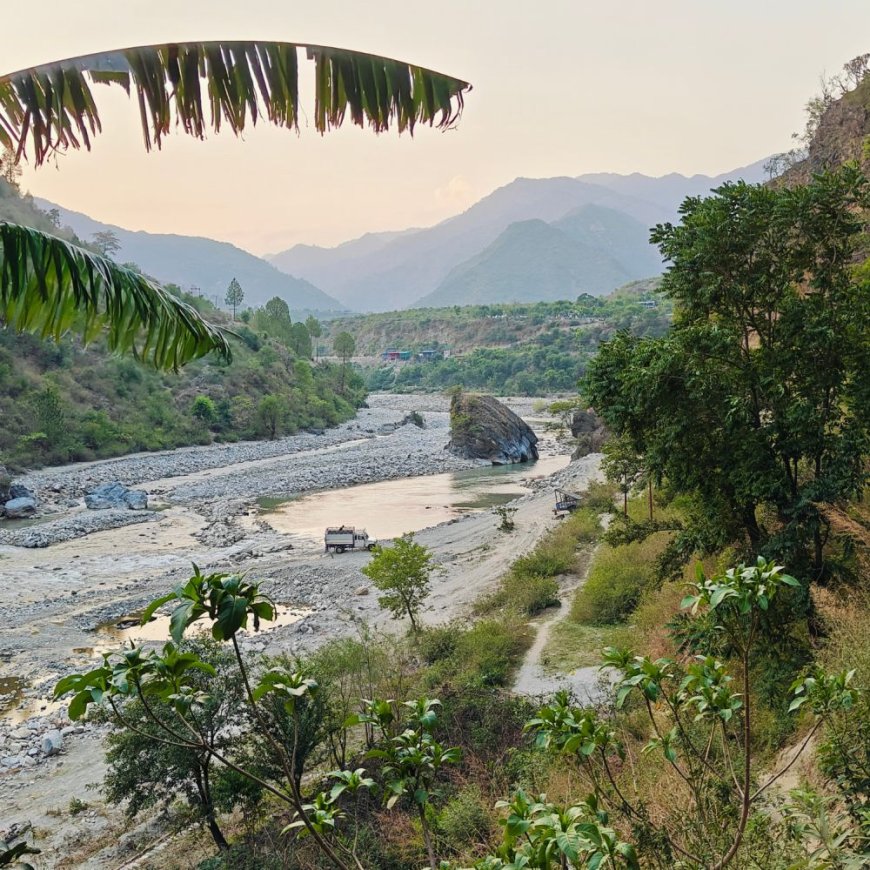
The stretch between Gangotri and Sonprayag is where the journey truly becomes a raw adventure. The route crosses through Uttarkashi, winds south, then heads back into the mountains toward the Kedarnath valley. It is long, the roads are unpredictable, and there are no five-star halts en route. This is exactly where carrying your own tent earns its weight in gold.
From My Journal
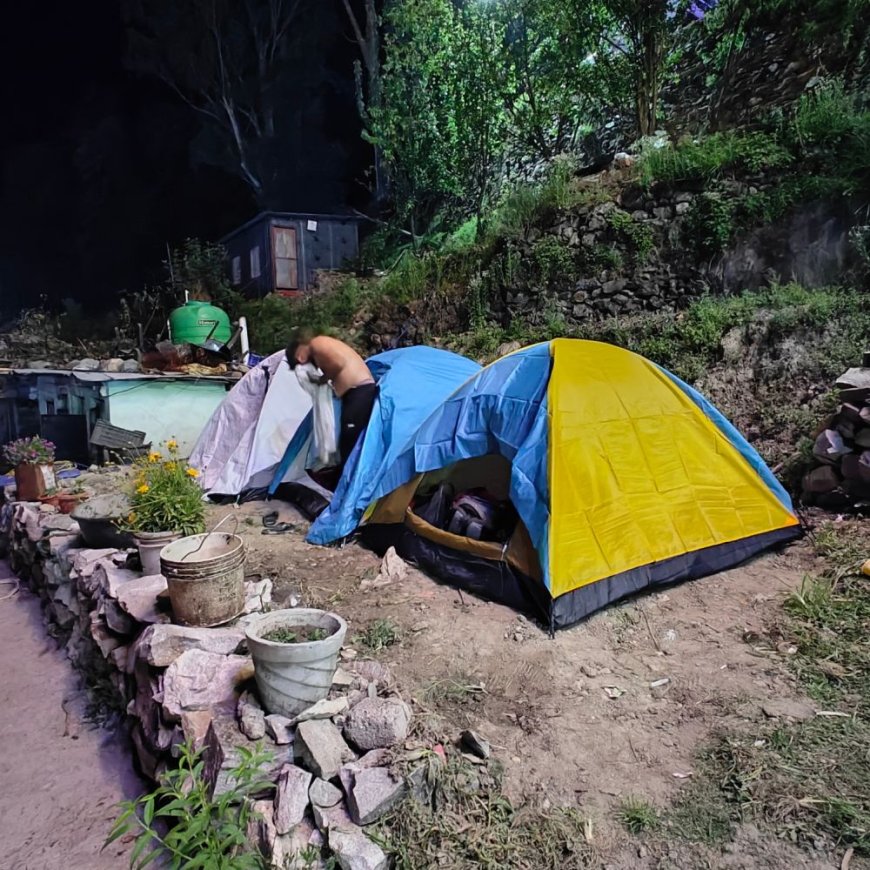
"While journeying toward Sonprayag, we stayed the night on a potato farm. We pitched our tents between the rows of growing potatoes at around 8,000 feet, with mist rolling in from the valleys below and the stars beginning to show above. The farmer was generous and warm, a reminder that the mountains breed kind hearts. We cooked a simple meal, slept deeply, and woke to the sound of birds and thin mountain air. By the next evening, after a long day's drive, we reached Sonprayag and rested for the early morning ahead."
Potato farming is a significant livelihood in the Kedarnath valley, and local farming families are often willing to let travelers camp on their land in exchange for a small sum or simply conversation. These are the moments that no packaged tour can replicate, sleeping under a Himalayan sky with no walls between you and the mountains.
Budget Tip
- Ask local farmers and villagers for camping permission, most are welcoming and charge little or nothing.
- Carry a portable stove and cook your own meals; it cuts daily food costs to under ₹100/person.
- Shared jeeps and local buses run between major towns, always cheaper than private cabs.
-
Day 8–9: The Trek to Kedarnath - Lord Shiva's Abode
Kedarnath DhamAltitude: ~3,583 m | Trek: ~16 km from Gaurikund | Trek Time: 6–8 hours
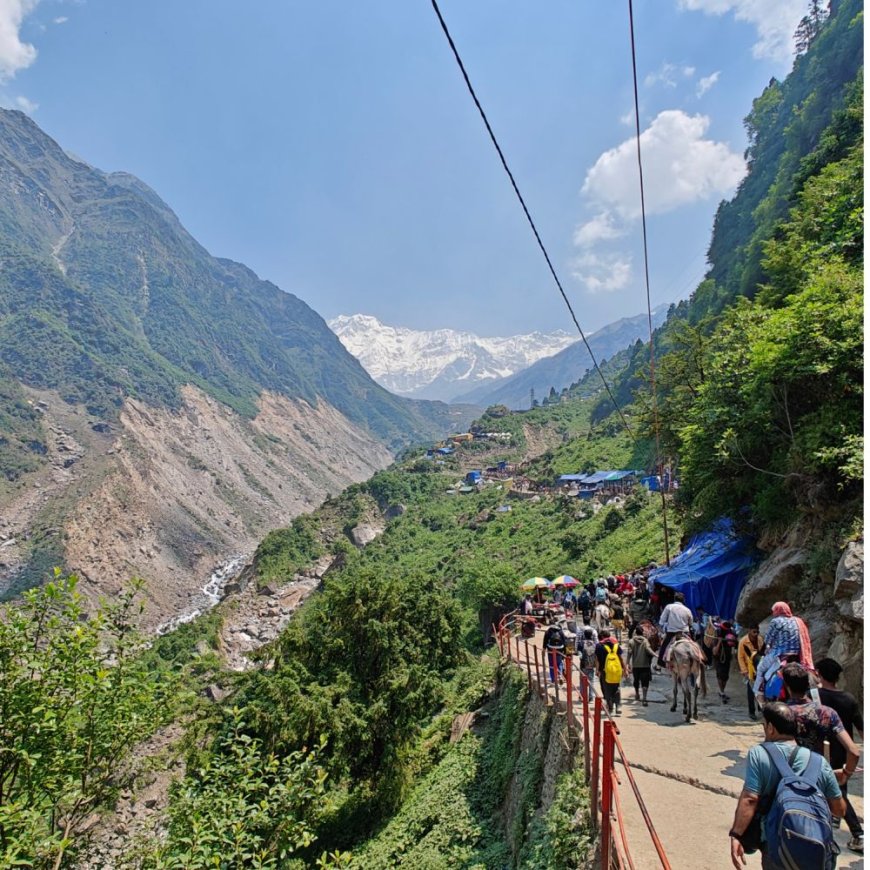
Kedarnath is where the Char Dham Yatra reaches its emotional and spiritual crescendo. The trek from Gaurikund (near Sonprayag) to Kedarnath is 16 kilometres of mountain trail that climbs over 1,600 metres in elevation. It is demanding, humbling, and in every way magnificent.
From My Journal
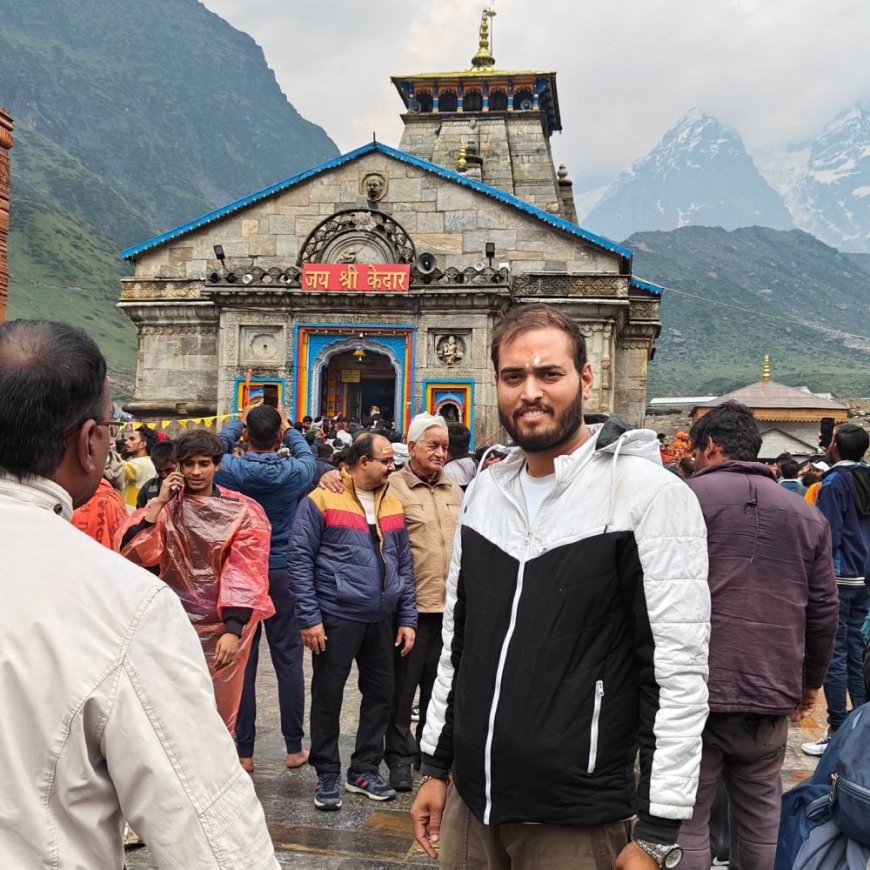
"We woke at 4:00 a.m. at Sonprayag and started our trek toward Kedarnath in the darkness before dawn. The trail revealed itself slowly as light crept over the mountains an amazing pedestrian path through an amazing valley, with amazing mountains on all sides and a river running alongside for much of the route. After a journey of many ups and downs, of burning legs and grateful rest stops, we reached Kedarnath. The moment we arrived, the exhaustion vanished. It was so peaceful. So full of positive energy. The ancient temple, the encircling snow peaks, the sound of the Mandakini, everything around you tells you that you are in a place unlike any other on Earth."
The Kedarnath Temple, believed to be over a thousand years old and built by the Pandavas, is dedicated to Lord Shiva in his jyotirlinga form. The structure's survival of the catastrophic 2013 Uttarakhand floods, miraculously protected by a massive boulder that rerouted the water, only deepened the faith of millions. The serenity and the sheer energy of this place is something you cannot describe to someone who hasn't stood there. You have to feel it.
Budget Tip
- Start the trek by 4–5 a.m. to avoid afternoon crowds and complete it in cool temperatures.
- Carry enough snacks, dry fruits, and water from the base, food on the trail is expensive.
- GMVN tents at Kedarnath offer basic but clean accommodation at around ₹500–₹800/night.
- Avoid helicopter services unless medically needed, the trek is the pilgrimage.
-
Day 10: Bhairav Ghati & Descending from Kedarnath
Before leaving Kedarnath, do not miss the short hike up to Bhairav Ghati - a spot of immense spiritual significance perched above the main temple complex.
From My Journal
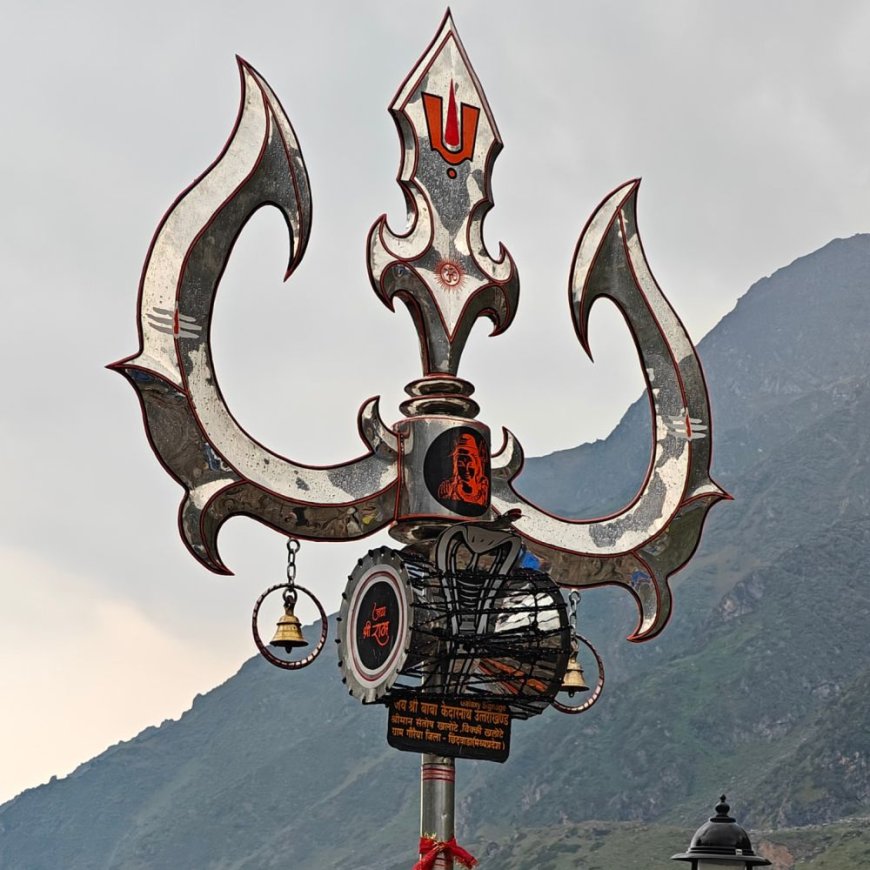
"The next morning, before our descent, we went up to Bhairav Ghati and had the darshan of Bhairav Baba, also known as the Dwarpal (gatekeeper) of the Kedarnath valley. There is an old belief that visiting Kedarnath without seeking Bhairav Baba's blessings leaves the pilgrimage incomplete. He guards the sacred valley and its energies. Standing at that height, overlooking the entire Kedarnath basin, we understood why. Then, as the afternoon shadows lengthened, we began our descent back to Sonprayag tired, transformed, and utterly content."
The descent trek is easier on spirit but harder on the knees. Take it slow, use trekking poles if available, and take time to absorb the landscapes on the way down, the valley looks completely different going down than it did on the way up.
-
Day 11–12: Badrinath & Mana - The Last Village of India
Badrinath DhamAltitude: ~3,133 m | Road accessible | Near: Indo-China Border
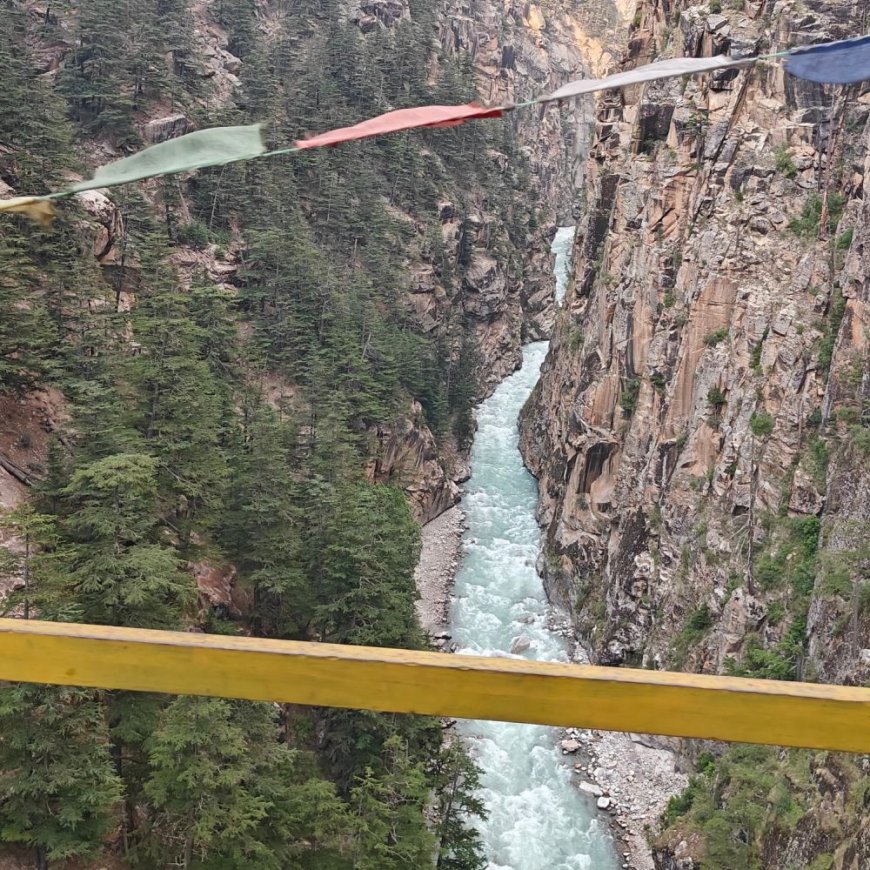
From Sonprayag, we drove north toward the last of the four dhams Badrinath. The road follows the Alaknanda River through increasingly dramatic mountain scenery, passing the sacred confluence of Rudraprayag (where the Mandakini meets the Alaknanda) and Vishnuprayag before arriving at this ancient city of Vishnu.
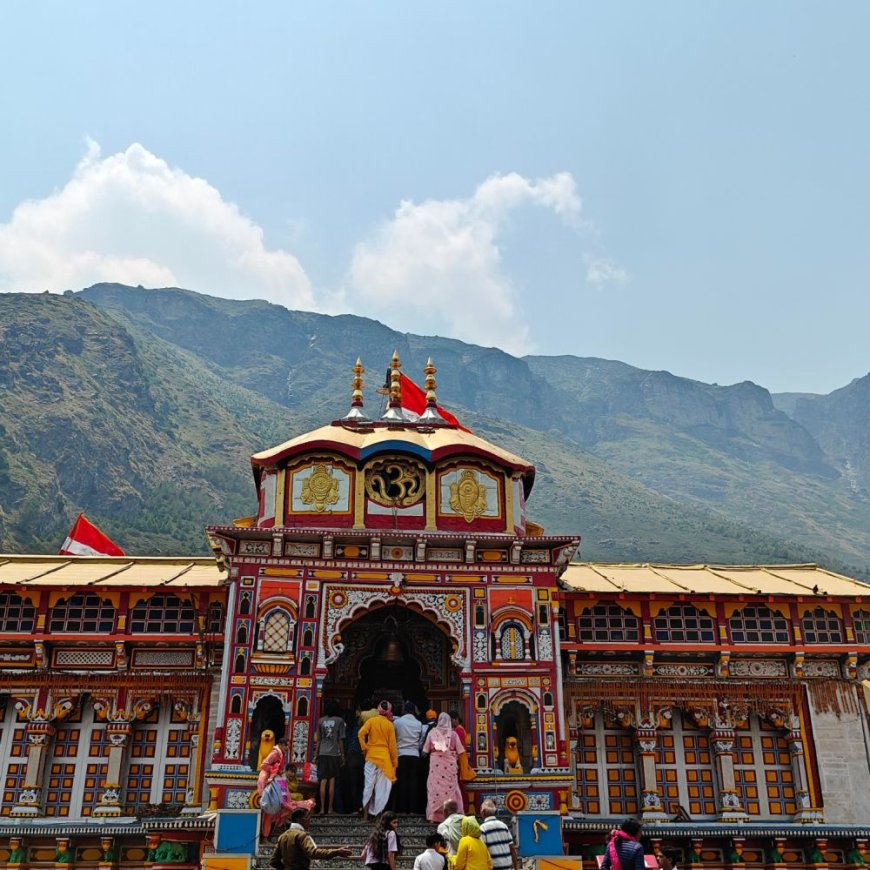
The Badrinath Temple, dedicated to Lord Vishnu in his form as Badrinarayan, is one of the 108 Divya Desams - the holiest Vishnu temples in India. The temple's black stone idol of Lord Vishnu, set in its golden sanctum, has been worshipped continuously for millennia. The Tapta Kund hot spring just below the temple is where pilgrims take a sacred dip before their darshan, even at Badrinath's altitude, the spring is beautifully warm.
From My Journal
"After a soul-filling darshan at Badrinath, we drove just 3 kilometres further to Mana, the last village of India before the Tibetan plateau and the Indo-China border begins. It sits at over 3,200 metres and is inhabited by the Bhotiya community. We walked through its narrow stone-paved lanes, past the famous Bhim Pul (a massive natural rock bridge over the Saraswati River), the cave of sage Vyasa where the Mahabharata is said to have been composed, and the cave of Ganesha. Mana is quiet, windswept, and profoundly humbling, a reminder of just how vast and ancient this land is."
Budget Tip
- Mana village entry is free, walk its lanes and visit all sites on foot.
- Buy local woolen products directly from Mana's Bhotiya weavers, cheaper and more authentic than market shops.
- Badrinath has more dharamshalas than almost any other dham, accommodation can be as low as ₹150/night.
-
The Return: Dhari Devi Temple & Back to Rishikesh
The journey home from the mountains is never just a drive, it is a decompression, a slow return from the sacred to the everyday. And on our route back from Badrinath toward Rishikesh, the mountains offered us one final blessing.
From My Journal
"On our way back from Mana village, driving toward Rishikesh, we stopped to worship at the Dhari Devi Temple, a powerful and mysterious shrine to Goddess Kali, believed to be the guardian deity of Uttarakhand and protector of the Char Dham. The temple, set dramatically over the Alaknanda River, holds a fierce and beautiful energy unlike any place we'd visited. Locals say that the Goddess's idol changes form from a young girl in the morning, to a woman in the afternoon, to an old woman by evening. Whether that is literal or metaphorical, the devotion at this temple is absolute and ancient. We offered our prayers, thanked her for watching over our journey, and then made our way back to Rishikesh - changed, quieted, and full."
Dhari Devi Temple is not on the standard tourist itinerary, but it should be. Located about 14 km from Srinagar (Uttarakhand), this temple's powers are revered across the hills. It is a perfect final note to what is already an extraordinary journey.
-
Budget Breakdown & Practical Tips
Here is a rough budget breakdown for a 12-day Char Dham Yatra done independently with your own camping gear:
- Transportation (shared cabs, buses) - ₹2,500 – ₹4,000
- Accommodation (camping + occasional dharamshala) - ₹1,500 – ₹3,000
- Food (self-cooked + local dhabas) - ₹1,500 – ₹2,500
- Temple offerings & entry - ₹500 – ₹1,000
- Miscellaneous (medicine, supplies) - ₹500 – ₹1,000
- Total Estimated - ₹6,500 – ₹11,500 per person
-
Essential Packing List for Budget Trekkers
Don't Leave Without
- Lightweight tent with weather protection (non-negotiable for budget travel)
- Sleeping bag rated to -5°C or lower
- Portable gas stove and lightweight cookware
- Rain poncho or waterproof jacket
- Trekking poles for knee support on descents
- High-altitude first aid kit including Diamox for AMS
- Offline maps (Maps.me or OsmAnd) downloaded before you enter low-signal zones
- Dry ration supplies - oats, muesli, dry fruits, instant soups
- Reusable water bottle + water purification tablets
-
Final Thoughts: The Yatra is the Destination
The Char Dham Yatra is not a holiday, it is a transformation. You do not simply visit four temples; you cross rivers, climb mountains, sleep under stars, eat simple food cooked with your own hands, talk to strangers who become friends, and arrive at ancient shrines with your body tired and your heart wide open. That openness, that earned arrival, that is what the pilgrimage is about.
A budget Char Dham journey strips away the comfort that separates you from the mountains. You feel the cold, the altitude, the distance. And in feeling all of that, you feel the divinity more deeply. Whether you are a devout believer or simply a seeker who loves the mountains, the Char Dham will give you something that no five-star package can deliver: the quiet, unshakeable certainty that you were exactly where you were supposed to be.

What's Your Reaction?
 Like
0
Like
0
 Dislike
0
Dislike
0
 Love
0
Love
0
 Funny
0
Funny
0
 Wow
0
Wow
0
 Sad
0
Sad
0
 Angry
0
Angry
0

A spirit that pursues sunsets and tales. Entrepreneur at heart, globe-trotter by soul. Founder of an art-worshiping jewelry brand that embodies emotion & individuality — where each piece is a tale of culture, craft, and character. From trails up mountains to gem markets, I'm inspired by all journeys — transforming wanderlust into enduring design. Establishing a brand built on authenticity, refinement & purpose — one work at a time.














Comments (0)