

Beirut: The Adrenaline Sports Capital of the Middle East
Discover Beirut's adventure side at ski Mzaar's slopes, raft rivers, paraglide coastlines & dive the Mediterranean, all within an hour of the city.
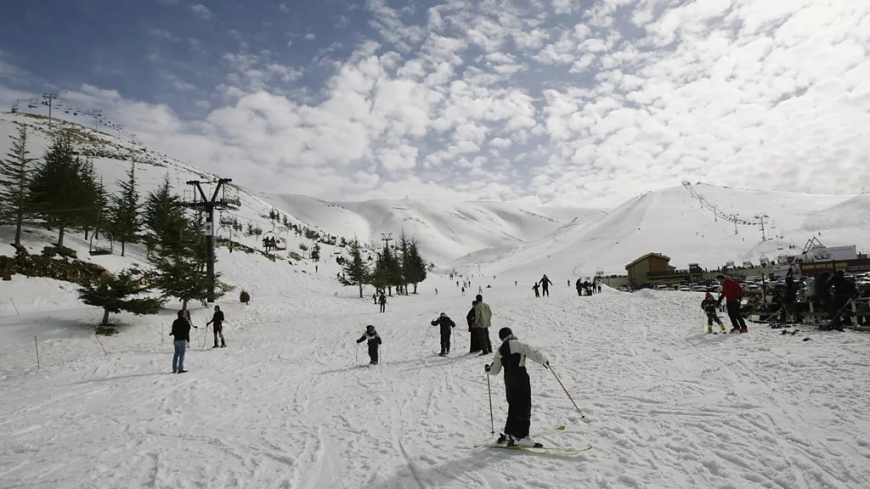
Table of Contents
- Why Beirut Is Built for Adventure Sports
- Skiing and Snowboarding at Mzaar Kfardebian
- White-Water Rafting on the Assi River
- Canyoning and Rappelling in Mount Lebanon
- Paragliding Over the Lebanese Coastline
- Diving and Water Sports Along the Beirut Coast
- Ziplining, ATV Safaris, and Mountain Biking
- Rock Climbing in Lebanon's Limestone Cliffs
- The Ski-and-Sea Day: Beirut's Signature Adventure Combo
- Best Time to Visit Beirut for Adventure Sports
- Practical Tips for Adventure Travelers in Beirut
- Final Thoughts
-
Why Beirut Is Built for Adventure Sports
Most adventure capitals around the world specialize in one or two disciplines, a coastal city good for diving, or a mountain town good for skiing. Beirut is different because it sits at the meeting point of sea and summit. The city itself is the launchpad, and the terrain that surrounds it does the rest.
Drive north along the coast and you hit dive sites and water sports clubs within twenty minutes. Turn inland and climb into the Mount Lebanon range, and within an hour you're standing on a ski slope, gorge wall, or paragliding launch point. This compressed geography means a traveler with five days in Beirut can realistically ski in the morning, swim in the sea by afternoon, and be back in the city for dinner in Mar Mikhael or Gemmayzeh by night.
Add to this a well-established network of local outfitters, many run by Lebanese mountaineers, divers, and ski instructors who've been operating for decades and you get a city where adventure tourism isn't an afterthought. It's part of the local culture.
-
Skiing and Snowboarding at Mzaar Kfardebian
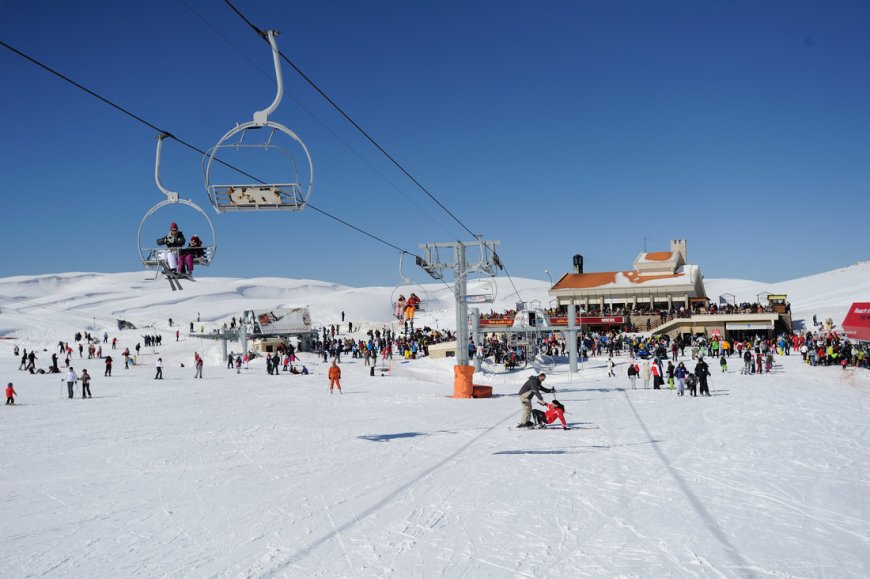
Lebanon is home to six ski resorts, and the largest of them, Mzaar Kfardebian (long known as Faraya Mzaar), is often called the biggest ski area in the Middle East. Located just 46 kilometers from Beirut, the drive takes roughly an hour or a little over, making it one of the most accessible ski resorts to any capital city in the region.
The numbers alone explain the draw. Mzaar offers 42 slopes, 18 chairlifts, and 80 kilometers of ski tracks spread across terrain that suits everyone from total beginners to seasoned skiers and snowboarders. Skiing here ranges from around 1,850 meters at the base up to roughly 2,465 meters at the summit above Mzaar, and on a genuinely clear day, the views stretch across the Bekaa Valley toward Mount Hermon, with the Mediterranean coast and Beirut itself visible in the distance.
What sets Mzaar apart from European or North American resorts isn't just the skiing it's the apres-ski culture. Faraya and the neighboring village of Faqra are known for lively dining scenes after a day on the slopes, with options ranging from traditional Lebanese fare to French Alpine and Japanese cuisine, drawing in Beirutis who make the trip up just for dinner. For something extra, several operators run snowmobile tours across the hills, often finishing with wine and snacks set up at a scenic viewpoint on the mountain.
For travelers without a rental car, small-group shuttle services run directly from Beirut hotels to the resort and back, which removes one of the biggest barriers to a spontaneous ski day.
-
White-Water Rafting on the Assi River
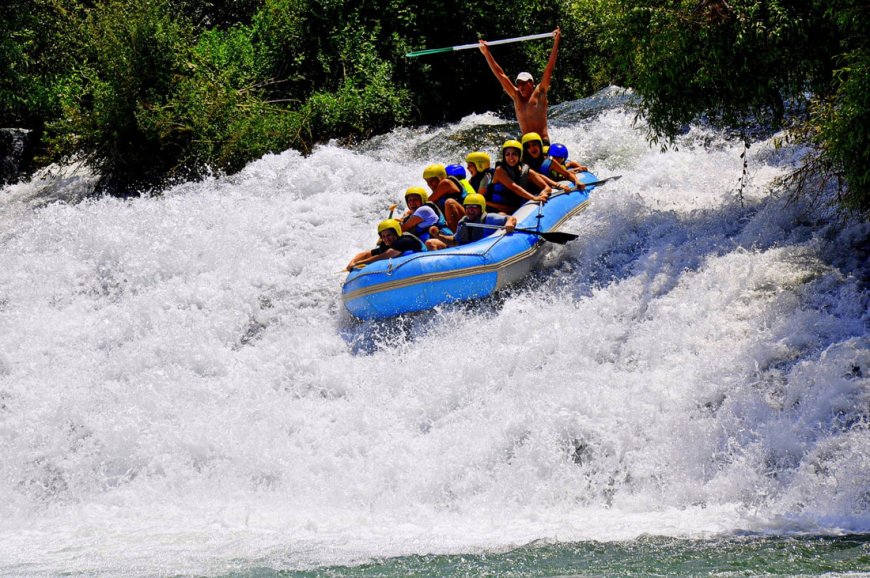
If skiing is Lebanon's headline winter sport, rafting is its summer counterpart. Full-day rafting excursions run from Beirut out to the Assi River, where small groups tackle a roughly four-kilometer stretch of rapids. These trips are usually packaged as a complete adventure day rather than a single activity, many include an all-inclusive lunch, an ATV safari, ziplining, and stops at landmarks such as the historic Hermel Palace and Marmaron Cave, with expert-led training provided so the experience suits all skill levels.
This kind of bundled itinerary is fairly typical of how adventure tourism operates around Beirut: rather than booking one isolated activity, you often get a full day combining two or three disciplines, which is ideal if you're trying to pack a lot into a short trip.
-
Canyoning and Rappelling in Mount Lebanon
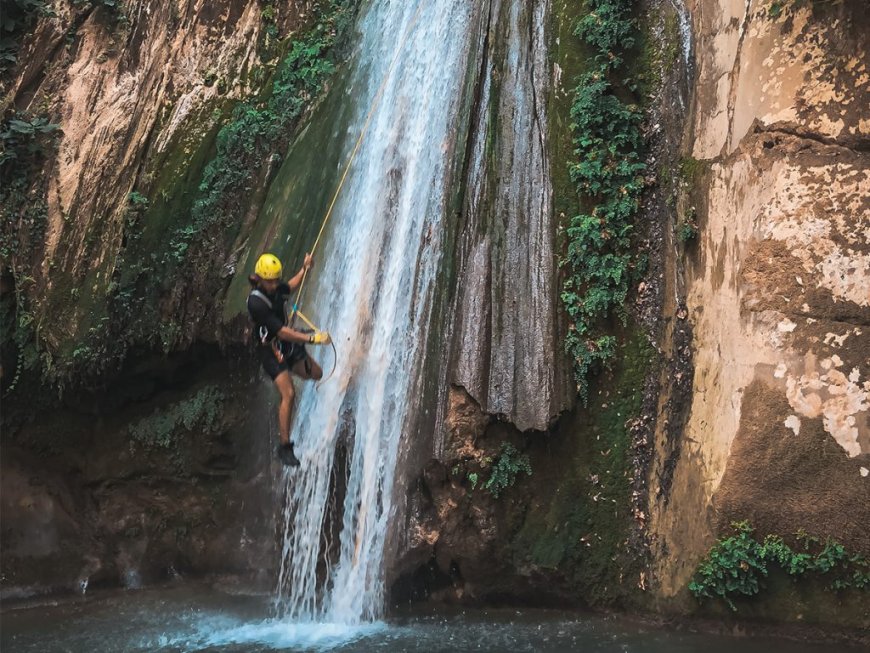
The same limestone mountains that make Lebanon's skiing possible also carve out a network of dramatic gorges, making canyoning and rappelling some of the most physically demanding and rewarding activities on offer near Beirut. Operators lead small groups through narrow canyons, down waterfalls, and along rope descents through some of Mount Lebanon's least-touristed terrain.
Because canyoning routes vary heavily in difficulty depending on water levels and season, most are best tackled with an experienced local guide rather than independently. The reward is access to parts of the country that are essentially invisible from the road, hidden pools, narrow rock corridors, and waterfalls that few visitors to Lebanon ever see.
-
Paragliding Over the Lebanese Coastline
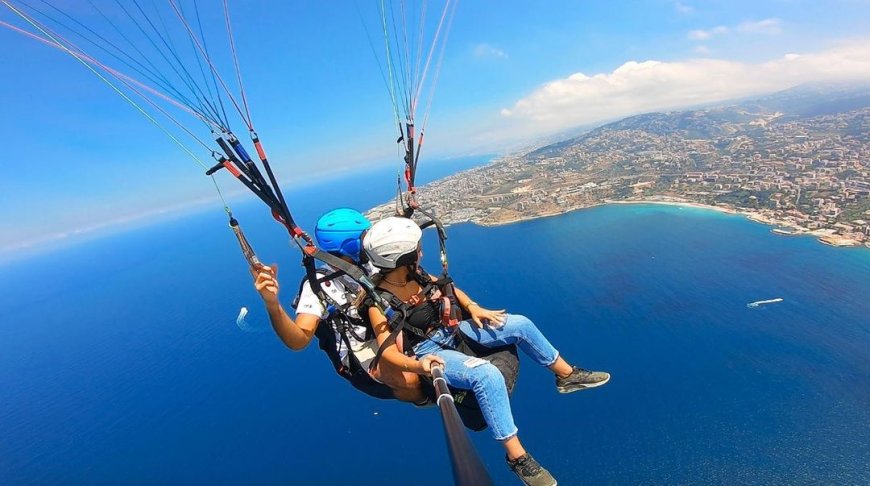
For a different kind of adrenaline, paragliding launches from several points in the Mount Lebanon range offer a genuinely rare perspective: snow-capped peaks on one side and the Mediterranean coastline on the other, often visible in the same flight depending on conditions and season. Local operators specializing in paragliding, hiking, and "hike & fly" combinations have built a niche around exactly this kind of multi-terrain experience, tailoring routes to riders' comfort levels.
Tandem flights are widely available for first-timers, meaning you don't need any prior experience to get airborne, just a head for heights and a willingness to trust your pilot.
-
Diving and Water Sports Along the Beirut Coast
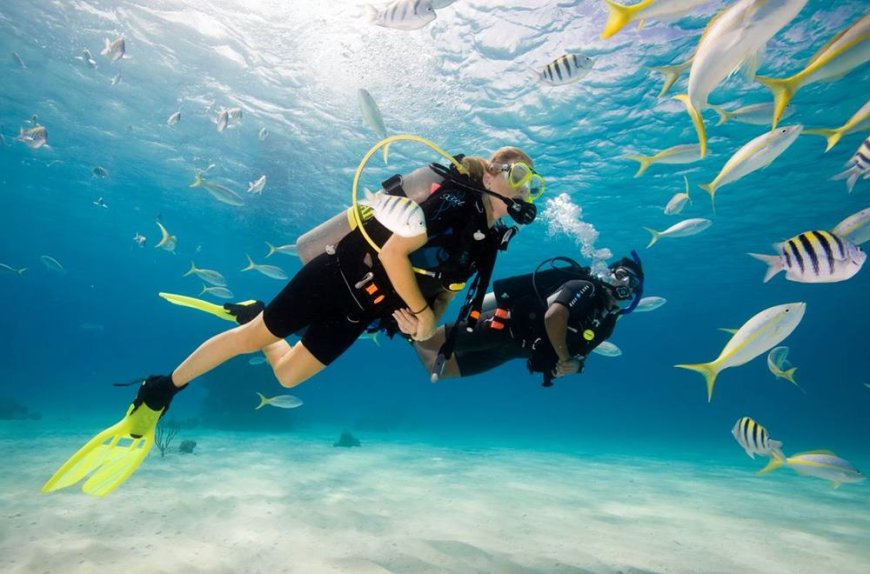
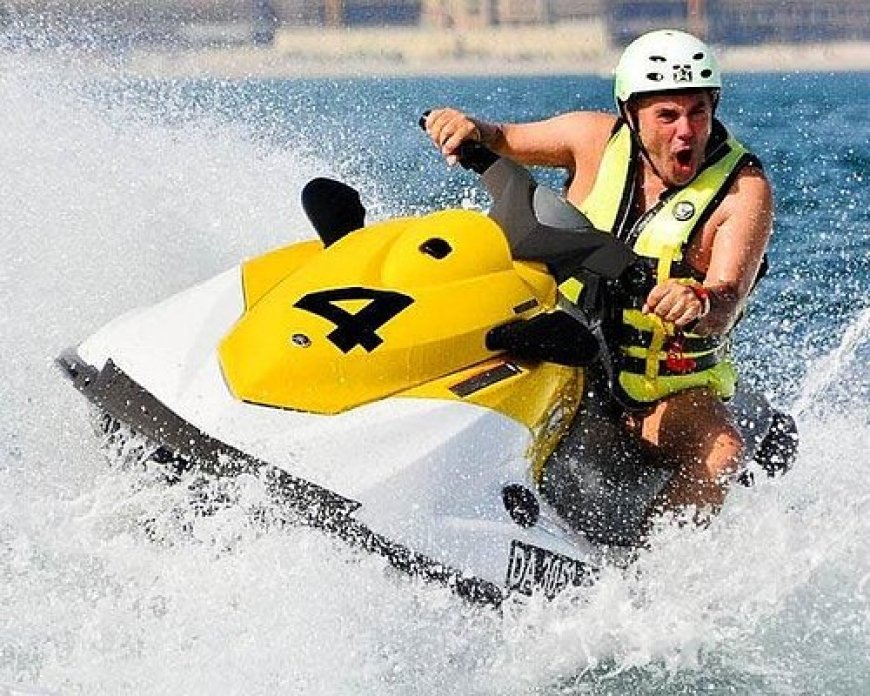
Beirut's relationship with the Mediterranean isn't limited to beach clubs. The wider Lebanon outdoor activity scene includes scuba diving and snorkeling, kayaking and canoeing, surfing and windsurfing, waterskiing and jet skiing, and parasailing, with several operators running these directly out of the city itself.
The coastline around Beirut offers reef and wreck dives suited to varying experience levels, and a short boat ride out to the Raouché Rocks (Pigeon Rocks) Beirut's iconic offshore sea stacks, is a popular way to combine a relaxing excursion with stunning coastal views, gentle sea breeze, and music on the water before or after a more strenuous activity elsewhere in the city.
For something faster-paced, jet skiing and waterskiing operators run out of several marinas along the coast, while stand-up paddleboarding has become a popular lower-intensity option for those easing into the city's water sports scene.
-
Ziplining, ATV Safaris, and Mountain Biking
Just outside Beirut, forested adventure parks combine ziplining, climbing structures, and aerial courses for visitors who want a high-adrenaline activity without committing to a full mountain expedition. One well-known example is Swings, an outdoor activity park and campground set in a pine forest near Beirut, popular for both picnics and high-adrenaline activities.
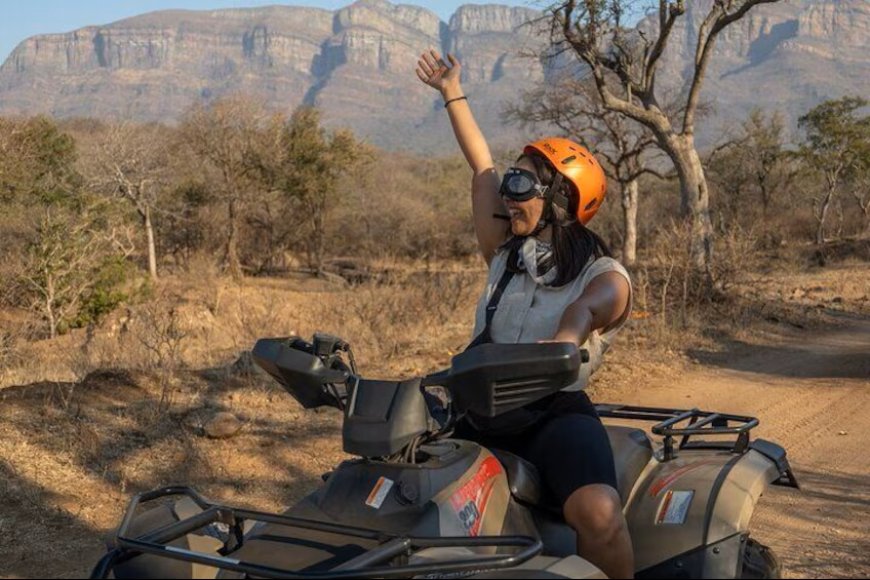
ATV and off-road safaris are also widely available, often paired with rafting or canyoning trips as part of a combined adventure-day package, while mountain biking trails wind through the hills above the city for those who prefer two wheels to a harness.
-
Rock Climbing in Lebanon's Limestone Cliffs
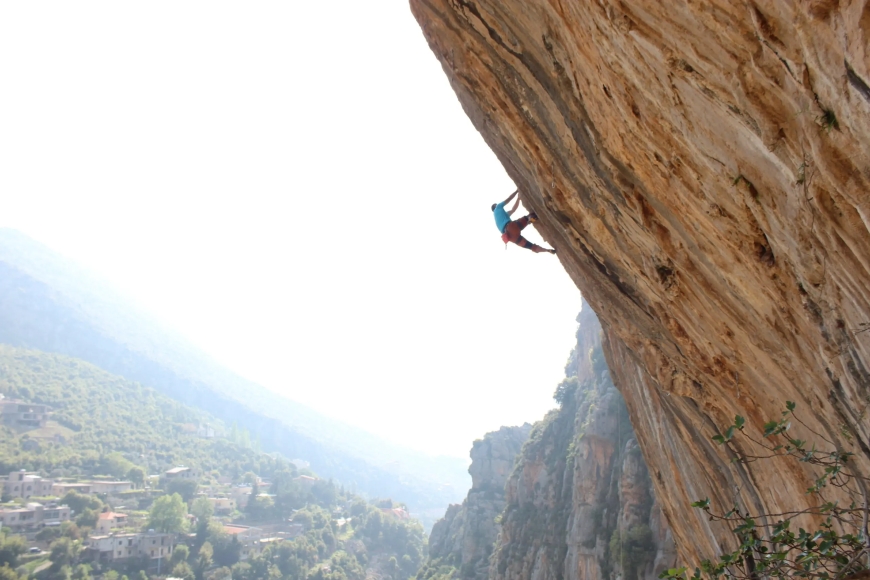
Lebanon's limestone geology, the same rock that shapes its canyons and caves, also produces excellent climbing terrain. Climbing tours are a established category of outdoor activity around Beirut, with routes ranging from beginner-friendly top-rope climbs to more technical multi-pitch routes for experienced climbers. Several crags sit within reasonable driving distance of the city, making a half-day or full-day climbing trip an easy add-on to a longer itinerary.
-
The Ski-and-Sea Day: Beirut's Signature Adventure Combo
If there's one experience that captures why Beirut stands out, it's this: skiing down a mountain in the morning and swimming in the sea that same afternoon, made possible by Lebanon's high mountains sitting in close proximity to the Mediterranean coast. March and April tend to be the sweet spot for this combination, when there's still enough snow on the upper slopes but the sea has started to warm.
It's a genuinely rare logistical feat most ski resorts that claim proximity to a coastline still require hours of driving. In Beirut's case, you could realistically be on the slopes by 9 a.m. and on a beach club lounger by early afternoon.
-
Best Time to Visit Beirut for Adventure Sports
Timing your trip depends heavily on which activities matter most to you:
- December to April — Ski season at Mzaar and Lebanon's other resorts. Late season (March–April) is ideal if you want to combine skiing with sea-based activities.
- April to October — Peak season for rafting, canyoning, paragliding, diving, and rock climbing, as river levels, weather, and sea temperatures all align.
- May to September — The most reliable window for consistently warm, dry conditions across nearly all outdoor activities, though also the busiest and hottest period in the city itself.
Shoulder months like April and October offer a useful middle ground, fewer crowds, milder temperatures, and in April specifically, the chance at that signature ski-and-sea day.
-
Practical Tips for Adventure Travelers in Beirut
Base yourself in Beirut, not the mountains. Nearly every adventure activity described here runs as a day trip from the city, with many operators offering hotel pickup and drop-off. This lets you enjoy Beirut's restaurants and nightlife in the evening without sacrificing access to the mountains or coast during the day.
Book guided experiences for technical activities. Canyoning, rafting, and paragliding all carry real risk without proper guidance. Reputable local operators provide trained instructors and safety equipment, and given how route conditions can change with weather and season, local expertise is genuinely valuable here — not just a formality.
Pack for two climates at once. Depending on the season, you might need both a swimsuit and a warm layer in the same day. Layering is your best strategy, especially if you're attempting the ski-and-sea combination.
Combine activities into single-day packages where possible. Many local tour operators bundle rafting with ATV safaris and ziplining, or hiking with paragliding, which is a far more time-efficient way to experience Lebanon's range of terrain on a short trip.
Check current travel advisories before booking. Like any destination, conditions in Lebanon can shift, so it's worth checking the latest guidance from your home country before finalizing plans, particularly for travel outside the Beirut and Mount Lebanon areas.
-
Final Thoughts
Beirut's claim to being the Middle East's adrenaline sports capital isn't built on a single standout activity, it's built on range. Few cities anywhere let you ski a genuine alpine resort, raft a white-water river, rappel through a limestone canyon, paraglide off a mountain ridge, and dive a Mediterranean reef, all while sleeping in the same hotel bed each night. That density of terrain, paired with a deeply experienced network of local guides and outfitters, is what separates Beirut from destinations that simply have "one good adventure activity" nearby.
For travelers who want their adrenaline served alongside good food, Mediterranean views, and a city with serious cultural depth, Beirut isn't just worth a stop, it deserves to be the centerpiece of the trip.
What's Your Reaction?
 Like
0
Like
0
 Dislike
0
Dislike
0
 Love
0
Love
0
 Funny
0
Funny
0
 Wow
0
Wow
0
 Sad
0
Sad
0
 Angry
0
Angry
0

A spirit that pursues sunsets and tales. Entrepreneur at heart, globe-trotter by soul. Founder of an art-worshiping jewelry brand that embodies emotion & individuality — where each piece is a tale of culture, craft, and character. From trails up mountains to gem markets, I'm inspired by all journeys — transforming wanderlust into enduring design. Establishing a brand built on authenticity, refinement & purpose — one work at a time.











Comments (0)