

Ethanol in Petrol and Diesel: Is It Good or Bad for Your Vehicle?
India is set to achieve 20% ethanol blending in petrol and diesel by 2025, years ahead of schedule. Here’s how policies, farmer support, and infrastructure are driving this shift toward green energy.
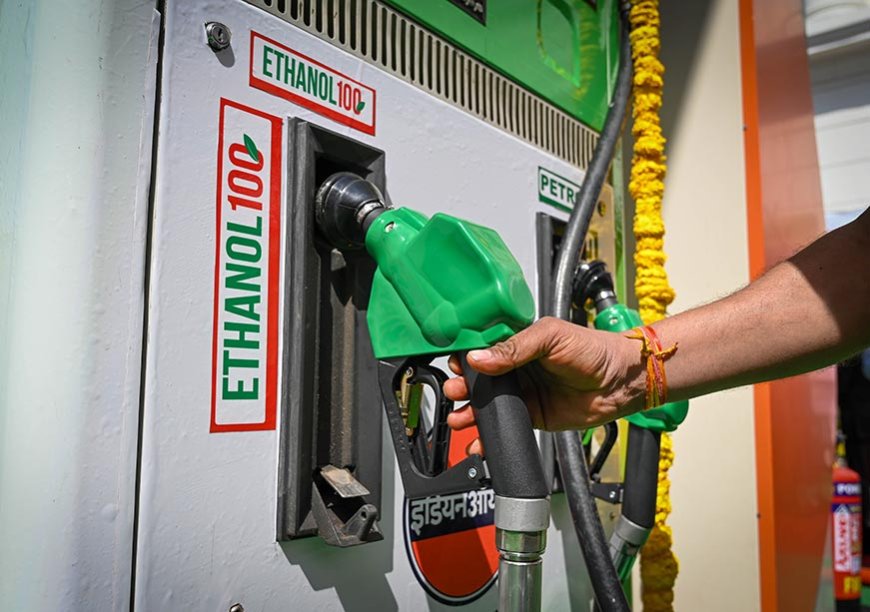
If you own a car or a bike in India, you’ve probably noticed the buzz around ethanol-blended fuel. Petrol pumps have started displaying labels like E10 or E20, and the government is pushing for 20 percent ethanol blending in petrol by 2025-26. On paper, it sounds like progress. Cleaner fuel, less dependency on foreign oil, and more income for farmers. But here’s the real question: what does it mean for you, your vehicle, and your pocket? Let’s dig in.
What is Ethanol Blending?
Ethanol is a biofuel made from crops like sugarcane, maize, and surplus grains. When mixed with petrol or diesel, it creates a blend that can be used in regular engines.
1. E10 means 10 percent ethanol, 90 percent petrol.
2. E20 means 20 percent ethanol, 80 percent petrol.
3. E85 goes much higher but is mostly used in flex-fuel vehicles.
India’s target is clear: reach 20 percent ethanol blending in petrol by ESY 2025-26, years ahead of the earlier 2030 goal. Diesel blending is still in trial stages, with experiments at ED10 (10 percent ethanol in diesel).
How Does Ethanol Blending Affect Vehicles?
This is where most vehicle owners start worrying, and rightly so.
1. Mileage: Ethanol has a lower energy content than petrol. This means your car or bike may give slightly less mileage on ethanol blends. The difference is usually small but noticeable over time.
2. Engine Compatibility: Newer vehicles launched in the last few years are designed to handle E20 petrol. Older vehicles, especially two-wheelers, may not adapt well and could face wear and tear.
3. Performance: For E20-ready vehicles, performance is smooth, and some even run quieter with fewer emissions. But for older models, higher blends may cause knocking or rough starts.
Advantages of Ethanol Blending for Consumers
1. Cleaner Air: Ethanol burns cleaner than petrol or diesel. Less carbon monoxide, fewer harmful gases, and reduced soot mean better air quality, especially in crowded cities.
2. Low Cost Benefits: Ethanol is cheaper to produce than importing crude oil. As blending increases, fuel prices can become more stable. While you may not see an immediate price cut at the pump, the long-term effect is positive.
3. Smoother Engine Operation: When vehicles are designed for ethanol blends, engines tend to run more smoothly. Knocking is reduced, and emissions drop significantly.
4. National Energy Security: Every litre of ethanol used is a litre of crude oil not imported. That strengthens the economy and shields consumers from sudden fuel price hikes caused by fluctuations in the global oil market.
Disadvantages and Concerns for Vehicle Owners
1. Reduced Mileage: Because ethanol has less energy than petrol, blended fuel gives fewer kilometers per litre. The difference is small at E10 but becomes more noticeable at E20.
2. Older Vehicle Issues: Vehicles manufactured before 2020 may not be fully compatible with E20. Ethanol can absorb water and cause corrosion in fuel tanks or pipelines if the vehicle isn’t designed for it.
3. Higher Maintenance: Owners of older two-wheelers or cars may notice more frequent maintenance needs. Rubber and plastic components in older engines may wear out faster with ethanol blends.
4. Limited Availability: Right now, not every fuel station offers E20. You might fill E20 in one city and E10 in another, which can be confusing for drivers.
Ethanol Blending in Diesel: What to Expect
Petrol isn’t the only focus. India is also experimenting with ethanol in diesel. Early trials with ED10 have shown promise, especially in reducing particulate matter emissions, which is a big contributor to urban pollution.
But diesel blending has its own challenges:
1. Ethanol doesn’t mix as easily with diesel, leading to stability issues.
2. Diesel engines are sensitive, and not all are compatible with ethanol blends.
3. Storage and distribution of ethanol-diesel blends need more infrastructure.
For now, diesel blending will move more slowly than petrol, but it’s part of the roadmap.
What This Means for You at the Pump
Let’s make this practical.
1. Check Your Vehicle’s Manual: Most carmakers now mention if the vehicle is E20-compatible. For older models, check with the service center.
2. Don’t Panic About Small Blends: If you have an older vehicle and occasionally fill up with E20, it won’t destroy your engine overnight. Problems usually show up with long-term, consistent use.
3. Regular Maintenance Helps: Keep an eye on your fuel filter, injectors, and carburetor. Regular servicing reduces the risks of ethanol-related wear.
4. Look for Labels: Fuel stations are required to display whether they’re selling E10 or E20. Pay attention when filling up.
The Bigger Picture Beyond Vehicles
Ethanol blending isn’t just about engines and mileage. It has ripple effects that touch everyone.
1. Environmental Benefits: Clean-burning fuels mean less pollution in cities already choking with smog.
2. Farmer Support: Ethanol is made from sugarcane and surplus grains. This gives farmers an extra source of income and stabilizes crop demand.
3. Economic Stability: Reduced oil imports save the country billions of dollars, which can be redirected to other priorities like infrastructure and healthcare.
Global Lessons India Can Learn
India isn’t the first to try ethanol.
1. Brazil has been running cars on high-ethanol blends for decades, with E27 being common. Flex-fuel vehicles there can even run on pure ethanol.
2. The US has E10 and E15 blends available at most fuel stations. Flex-fuel vehicles can run on E85.
3. Europe is slower in adoption but is moving toward cleaner fuels with blending mandates.
These examples show that ethanol blending works, but success depends on vehicle compatibility and consumer awareness.
Conclusion
So, is ethanol in petrol and diesel good or bad for your vehicle? The answer is: it depends.
If you own a new, E20-ready vehicle, ethanol-blended fuel is good news. Cleaner fuel, smoother performance, and a greener footprint.
If you have an older car or bike, you may see reduced mileage or need extra maintenance, but occasional use won’t harm your engine immediately.
For the country, ethanol blending means cleaner air, reduced oil imports, and stronger support for farmers.
In the short term, you may notice small adjustments at the pump and in your mileage. In the long run, ethanol blending is setting India on the path toward a cleaner, more energy-secure future.
What's Your Reaction?
 Like
0
Like
0
 Dislike
0
Dislike
0
 Love
0
Love
0
 Funny
0
Funny
0
 Wow
0
Wow
0
 Sad
0
Sad
0
 Angry
0
Angry
0

I’m Ryan Rehan, Business Development Executive and a passionate blogger dedicated to sharing insights, tips, and experiences that inspire and inform. Through my blogs, I explore topics that matter, spark curiosity, and encourage thoughtful conversations. Whether I’m breaking down complex ideas, offering practical advice, or simply sharing stories, my goal is to create content that adds real value to a growing community of curious minds and passionate readers.

















Comments (0)