

Brain-Eating Amoeba in Kerala: Deadly Outbreak Sparks Public Fear
Kerala faces a deadly brain-eating amoeba outbreak in 2025, with rising cases of Naegleria fowleri infection. Learn symptoms, prevention tips, and why avoiding stagnant freshwater is crucial to protect yourself from Primary Amoebic Meningoencephalitis.
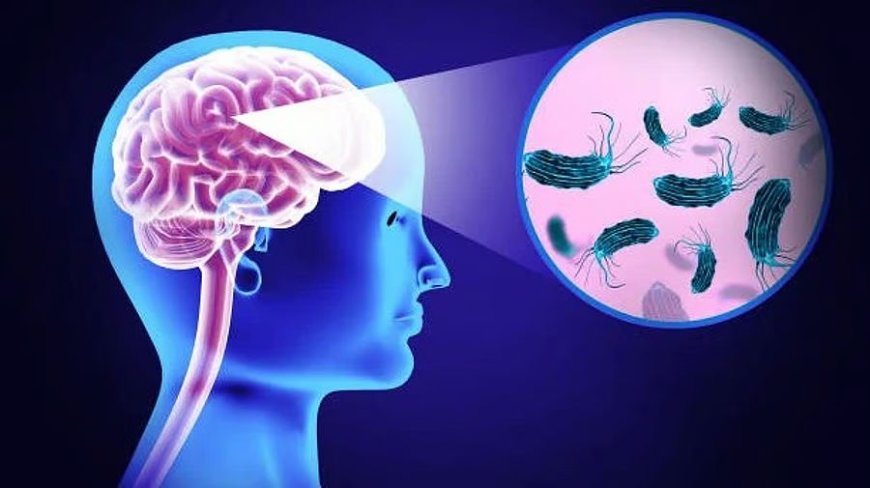
When you hear the phrase brain-eating amoeba, it almost sounds like a horror movie villain. Unfortunately, Kerala is facing this reality in 2025, with 18 lives already lost and dozens of new infections reported. The state health department has issued a high alert, warning people to stay away from stagnant freshwater sources. The fear is real, and the threat is something everyone should understand clearly.
So what exactly is this microorganism? How does it infect people? And more importantly, how can you protect yourself and your family? Let’s break it down.
What is the Brain-Eating Amoeba?
The brain-eating amoeba is the common name for Naegleria fowleri, a single-celled organism that thrives in warm, stagnant freshwater. You won’t find it in the ocean, but it can lurk in ponds, rivers, lakes, under-chlorinated swimming pools, and even poorly maintained wells.
 Image Credit: Shutterstock
The amoeba doesn’t infect people through drinking water. The danger starts when contaminated water enters the body through the nose. This usually happens while swimming, diving, or sometimes during nasal rinsing in religious practices. Once inside, the organism travels up the olfactory nerve straight into the brain. That’s where the real destruction begins.
How the Amoeba Attacks the Brain
The infection caused by Naegleria fowleri is called Primary Amoebic Meningoencephalitis, or PAM. After entering through the nose, the amoeba burrows into the brain tissue. It multiplies rapidly and begins to eat away at brain cells, which is why it has earned its terrifying nickname.
The scary part? PAM develops very fast. From the first exposure, symptoms may appear within 2-15 days. Once they begin, the disease usually progresses to death in less than a week. With a global fatality rate of over 95 percent, it is considered one of the deadliest infections known to humans.
Symptoms You Should Watch For
Initially, PAM can appear similar to regular meningitis. This is why it often goes undiagnosed until it is too late.
The early warning signs include:
1. Severe headaches
2. Fever
3. Nausea and vomiting
4. Stiff neck
5. Loss of appetite
As the infection spreads deeper into the brain, symptoms become more alarming:
1. Confusion and hallucinations
2. Seizures
3. Loss of balance
4. Coma
From the moment these advanced symptoms appear, the outcome is usually fatal within 5-7 days.
Kerala’s 2025 Outbreak: What We Know So Far
Kerala has recorded around 69 confirmed cases of PAM this year, with 19 deaths already reported by mid-September. What’s worrying is that people across all age groups have been affected, from small children to the elderly.
Investigations link most new cases to swimming in stagnant or poorly sanitized water sources. A few infections have also been traced back to local wells and unchlorinated pools.
The state health department has responded quickly. Suspected water bodies are being closed and sanitized, while awareness campaigns are urging people to avoid contact with untreated freshwater. Schools, local communities, and religious institutions have been advised to be especially careful about water use.
How to Stay Safe: Preventive Steps
The good news is that preventing PAM is very much possible. Here are the most important steps recommended by health experts:
1. Stay out of stagnant or polluted water bodies, especially during warmer months when the amoeba thrives.
2. Choose only properly chlorinated swimming pools and make sure the water in home storage tanks is kept clean.
3. Avoid letting untreated water enter your nose while bathing, swimming, or performing religious rituals.
4. Wear nose clips or keep your head above water if you can’t avoid exposure.
5. Use boiled or filtered water for nasal rinsing instead of directly using tap or well water.
It is also important to know that this infection is not contagious. It cannot spread from one person to another, which should help reduce panic. The only risk comes from direct exposure to contaminated water through the nose.
Treatment Outlook: Why It’s So Hard to Cure
The biggest challenge with PAM is its speed. By the time doctors recognize it, the infection is usually too advanced to stop. While antifungal and antiparasitic drugs such as Amphotericin B and Miltefosine have been used, survival remains extremely rare.
Worldwide, only a handful of patients have managed to survive PAM. Kerala’s doctors have reported slightly better outcomes this year due to faster diagnosis and experimental drug use, but the numbers are still grim. Early medical attention is the only slim chance at survival.
A Global Problem Beyond Kerala
This outbreak may be centered in Kerala right now, but Naegleria fowleri is not limited to India. The amoeba has caused deadly infections in the United States, Pakistan, and several African nations. Hot and humid regions with stagnant freshwater are particularly vulnerable.
Many experts believe climate change may worsen the situation. As global temperatures rise, water bodies heat up, creating more favorable environments for this deadly microbe. This makes outbreaks like Kerala’s less of a local issue and more of a worldwide concern.
Why Public Awareness Matters
The danger of PAM is not just in the microbe itself but in how little people know about it. Because the infection looks like meningitis at first, families often don’t realize the risk until it is too late. That is why spreading awareness is as critical as medical treatment.
Kerala’s health officials are focusing heavily on community education, encouraging people to follow preventive measures and recognize early warning signs. Religious groups are being advised to use sterilized water during rituals, and local communities are urged to regularly clean wells and storage tanks.
Public vigilance can be the strongest shield against this disease.
Protect Yourself Without Panic
The brain-eating amoeba outbreak in Kerala is alarming, but it is not unstoppable. The infection only spreads in very specific conditions, and with the right precautions, the risk can be minimized.
Remember the essentials: avoid stagnant freshwater, use only chlorinated or boiled water, and protect your nose from untreated water. If you or your family show symptoms after possible exposure, seek medical help immediately.
This outbreak is a reminder of how quickly nature can turn dangerous, but it is also proof that awareness and prevention can save lives. Staying informed is your best defense.
What's Your Reaction?
 Like
0
Like
0
 Dislike
0
Dislike
0
 Love
0
Love
0
 Funny
0
Funny
0
 Wow
0
Wow
0
 Sad
0
Sad
0
 Angry
0
Angry
0

I’m Ryan Rehan, Business Development Executive and a passionate blogger dedicated to sharing insights, tips, and experiences that inspire and inform. Through my blogs, I explore topics that matter, spark curiosity, and encourage thoughtful conversations. Whether I’m breaking down complex ideas, offering practical advice, or simply sharing stories, my goal is to create content that adds real value to a growing community of curious minds and passionate readers.

















Comments (0)