

Trump Imposes 25% Tariff on Indian Goods: What It Means for India’s Economy and You
Trump’s 25% tariff on Indian goods takes effect August 1, 2025, shaking markets and trade ties. Explore its impact on India’s economy, major sectors like pharma and textiles, and what it means for jobs, prices, and your daily life.
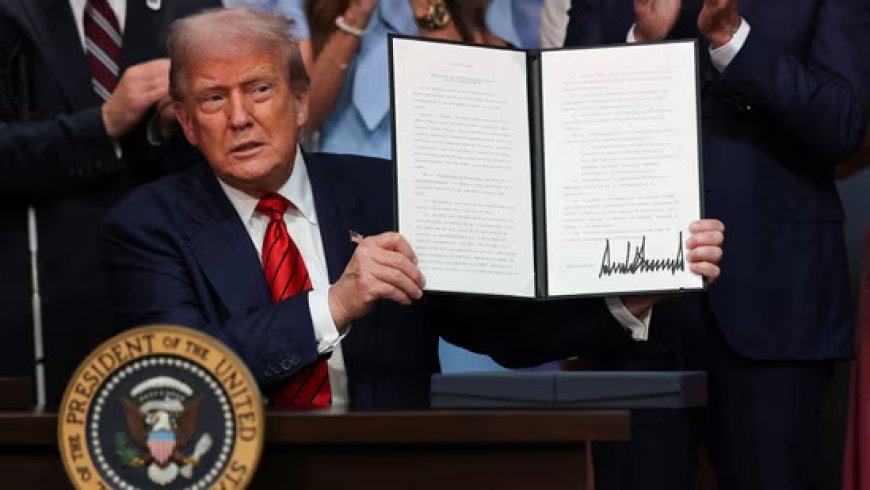
On July 30, 2025, US President Donald Trump dropped a trade bombshell. In a post on Truth Social, he announced that the United States will impose a 25% tariff on virtually all goods imported from India, effective August 1, 2025. To make matters more intense, Trump added an unspecified penalty tied to India’s ongoing purchase of Russian crude oil and military hardware.
This step has disrupted global markets, unsettled Indian exporters, and pushed policymakers into damage control mode. But beyond the headlines, what does this mean for India’s economy and your daily life? Let’s break it down.
What Exactly Did Trump Announce?
Here’s the whole thing:
1. A 25% tariff on almost every Indian product shipped to the US. This isn’t a small tweak - it’s a game changer, considering current tariffs average just 3–10%.
2. An additional sanction is being worked out in response to India’s energy and trade ties with Russia.
Trump’s reasoning? He called India’s trade policies “obnoxious” and pointed to high tariffs on American goods, non-monetary trade barriers, and India’s defence deals with Moscow.
3. Another factor: the US-India trade deficit, which currently sits at $45 billion in America’s favour. While that number sounds positive for the US, Trump argues that India’s restrictive policies create an unfair environment.
The Bigger Picture – A Diplomatic Standoff
This announcement didn’t come out of nowhere. Washington and New Delhi have been in trade talks for months, stuck on issues like agricultural imports, dairy products, and India’s push to protect small farmers.
Experts believe this move is less about an immediate trade war and more about negotiating leverage. In other words, Trump might be using tariffs as a bargaining chip to force India’s hand at the table. Still, the timing couldn’t be worse, with India aiming to stabilize its economy after global headwinds.
Immediate Impact on Indian Markets
1. Markets wasted no time reacting. On July 31, 2025, just a day after the announcement:
2. Sensex dropped 600 points (0.74%).
3. Nifty50 fell by 189 points (0.76%).
4. The rupee saw its biggest drop since May, hitting a five-month low against the US dollar.
Foreign investors hate uncertainty, and this tariff shock has made India look riskier overnight. Many analysts expect foreign institutional investors (FIIs) to pull back, which could keep the markets volatile for weeks.
Sectors That Take the Hardest Hit
Not every industry is equally exposed, but some will feel the pain more than others:
1. Gems & Jewellery: India dominates diamond cutting worldwide, with the United States being its primary customer. A 25% tariff could make Indian gems far less competitive, hitting both exporters and the lakhs of workers in this labor-intensive sector.
2. Pharmaceuticals: Indian drugmakers enjoy near-zero tariffs in the US. That advantage disappears overnight with a 25% duty. Expect margins to shrink and global buyers to reconsider sourcing from India.
3. Textiles & Apparel: From cotton shirts to designer sarees, Indian textiles have a strong US presence. These tariffs could lead to order cancellations, especially hurting small and medium enterprises (SMEs).
4. Electronics & Footwear: Indian manufacturers have been making inroads into the US markets. Higher tariffs mean higher prices, reducing demand and putting pressure on exporters.
How This Affects India’s Economy
This isn’t just an export story; it’s a macroeconomic challenge.
1. GDP Growth: India’s export sector is a major growth driver. Economists warn that these tariffs could shave 0.2–0.3% off GDP growth if they stay in place for long.
2. Rupee at Risk: A weaker rupee means more expensive imports - especially oil. India is the world’s largest diamond-cutting hub, and the US is its biggest buyer.
3. Shift in Supply Chains: US buyers might pivot to Vietnam or even China, both of which currently face lower tariff rates. That’s a long-term competitiveness issue for India.
4. Foreign Capital Flows: With uncertainty rising, FIIs could reduce exposure, which pressures the stock market and the currency further.
How Does This Hit Day-to-Day Life?
Here’s where it gets real:
1. Jobs on the Line: Industries like textiles, gems, and pharmaceuticals employ millions. Layoffs or wage cuts in these sectors can ripple into other parts of the economy.
2. Higher Prices at Home: If export volumes fall, companies might increase domestic prices to offset losses. Jewelry, branded apparel, and even some medicines could cost more.
3. Stock Market Investors Beware; If you hold shares in pharma or textile companies, buckle up for volatility.
4. Rising Inflation: If the rupee slides, imported goods like electronics and fuel will cost more. That affects everything from your smartphone budget to your grocery bill.
India’s Response So Far
The Indian government says it’s studying the implications and will take steps to protect MSMEs and farmers. That likely means:
1. Exploring alternative export markets.
2. Possibly retaliating with its own tariffs (though that could escalate tensions).
3. Engaging diplomatically to defuse the situation.
Meanwhile, the opposition has labeled this a “diplomatic failure”, calling for stronger countermeasures.
What Happens Next?
In the last week of August 2025, New Delhi will host a visiting US trade delegation. Analysts believe there’s room for compromise - perhaps lowering tariffs if India offers concessions in agriculture or market access.
Is this permanent? Probably not. Historically, such high tariffs are temporary bargaining tactics. But even a few months of uncertainty can hurt India’s economy and dent investor confidence.
Expert Take: The Long-Term View
This situation makes one thing clear: India must broaden its trade relationships and cut reliance on one dominant market. It also underscores the urgency of domestic reforms to boost competitiveness.
If talks fail and tariffs stick, the pain will be real, not just for businesses, but for millions of Indians who rely on export-driven sectors for jobs.
Final Word
Trump’s tariff move isn’t just about trade numbers; it’s about leverage, politics, and global positioning. But for India, the impact is immediate and tangible - stock market jitters, currency stress, and looming job risks.
The next few weeks will reveal whether this turns into a full-blown trade war or a short-lived negotiating tactic. Until then, buckle up; the ride could get bumpy.
What's Your Reaction?
 Like
0
Like
0
 Dislike
0
Dislike
0
 Love
0
Love
0
 Funny
0
Funny
0
 Wow
0
Wow
0
 Sad
0
Sad
0
 Angry
0
Angry
0

I’m Ryan Rehan, Business Development Executive and a passionate blogger dedicated to sharing insights, tips, and experiences that inspire and inform. Through my blogs, I explore topics that matter, spark curiosity, and encourage thoughtful conversations. Whether I’m breaking down complex ideas, offering practical advice, or simply sharing stories, my goal is to create content that adds real value to a growing community of curious minds and passionate readers.

















Comments (0)