

Rohtash Khileri: The Man Who Survived 24 Hours on Mount Elbrus Without Oxygen
Rohtash Khileri makes history by surviving 24 hours on Mount Elbrus without oxygen, enduring extreme cold, winds, and isolation.

Records in mountaineering rarely stay untouched for long. Someone climbs higher. Someone climbs faster. Numbers change, headlines move on.
But every so often, a feat comes along that doesn’t just add a statistic. It changes the way we think about endurance itself.
That’s what Indian mountaineer Rohtash Khileri has done.
By staying on Mount Elbrus for 24 straight hours without oxygen support, Khileri achieved something no one in the world had done before. No artificial oxygen. No external aid. Just preparation, restraint, and the ability to keep his mind steady while the mountain did everything possible to force him out.
This wasn’t about reaching a summit and leaving.
It was about staying.
Why Mount Elbrus Demands Respect
Rising from Russia’s Caucasus range, Mount Elbrus stands at 5,642 meters (18,510 feet). Compared to Mount Everest, it can appear less threatening on paper. In real conditions, that assumption falls apart quickly.
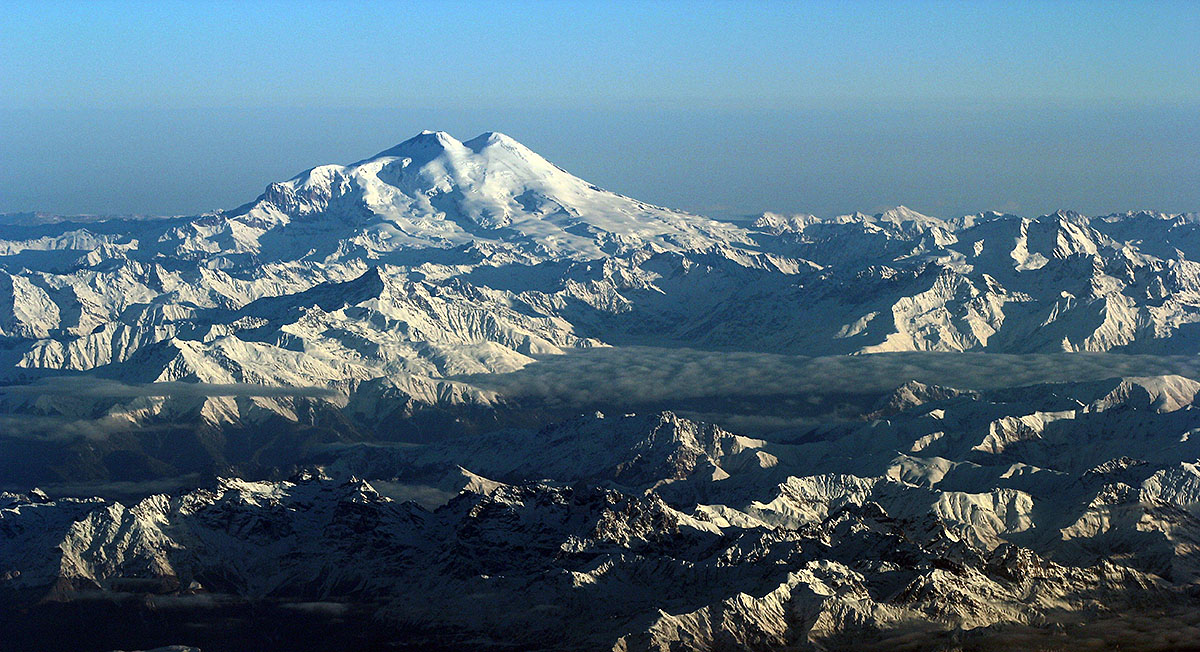 Image Credit: Wikimedia Commons
Mount Elbrus is known for:
1. Temperatures that dip without warning
2. Sudden whiteouts that erase all sense of direction
3. Winds are strong enough to knock climbers off balance
4. Weather shifts that trap even seasoned mountaineers
Surviving there for hours is difficult. Staying for an entire day without oxygen pushes the challenge into a completely different category.
That is exactly what Rohtash Khileri chose to attempt.
The Reality of 24 Hours Without Oxygen
At extreme altitude, the body begins to protest almost immediately. Oxygen levels drop. Breathing becomes shallow and exhausting. Simple movements demand effort.
Most climbers depend on bottled oxygen to manage prolonged exposure. Khileri made a deliberate decision to go without it.
For 24 continuous hours, he endured:
1. Cold that slowly numbs sensation
2. Winds that destabilize movement and focus
3. Whiteouts that collapse depth perception
4. Mental exhaustion that clouds judgment
And he did it alone.
No rope team. No backup climber. No immediate rescue option. Just one person managing his body and mind in an environment that offers little forgiveness.
Eight Years of Work Behind One Historic Day
Achievements like this don’t come from sudden ambition. Khileri’s Elbrus record was built over eight years of preparation.
Those years involved:
1. Repeated high-altitude exposure across varying terrains
2. Conditioning focused on cold tolerance and sustained endurance
3. Mental training to remain calm under isolation and stress
4. Careful acclimatization strategies to function with reduced oxygen
What the world saw in those 24 hours was only the final chapter. The real story unfolded quietly over years of disciplined effort.
Whiteouts, Wind, and Total Isolation
One of the most dangerous challenges Khileri faced was the whiteout.
In those conditions:
1. Sky and ground blend into one
2. The horizon disappears
3. Depth perception collapses
4. Navigation becomes instinct rather than sight
Add freezing winds and oxygen deprivation, and the margin for error disappears.
Remaining mentally steady in such moments is often harder than enduring the cold itself. Panic accelerates mistakes. Khileri’s ability to stay composed for a full day speaks to a level of mental control earned through experience, not bravado.
Why This Achievement Matters Worldwide
Most mountaineering records measure height or speed. This one measures endurance under natural limits.
Khileri’s record stands apart because:
1. It was completed entirely without oxygen support
2. It involved prolonged exposure, not a brief summit pause
3. It was achieved solo, without external assistance
4. It required sustained mental clarity as much as physical strength
As the first person in the world to complete this challenge on Mount Elbrus, Khileri has introduced a new benchmark for high-altitude endurance.
This isn’t just a national milestone. It’s a global one.
A Record Dedicated to Perseverance
Khileri dedicated his achievement to national pride and perseverance, and the sentiment feels earned.
His journey reflects principles that resonate far beyond mountaineering:
1. Commitment over shortcuts
2. Preparation over impulse
3. Mental discipline over external support
For athletes, adventurers, and even those chasing goals far from the mountains, his story reinforces a simple truth: consistency outlasts talent when pressure arrives.
Why Oxygen-Free Endurance Is So Risky
To grasp the seriousness of Khileri’s feat, it helps to understand what happens to the body at altitude without oxygen support.
Common dangers include:
1. Hypoxia, which limits oxygen flow to the brain
2. Slowed reactions and impaired judgment
3. Rapid physical fatigue
4. Increased vulnerability to frostbite and hypothermia
Over-extended exposure, these risks stack quickly. Functioning safely for 24 hours requires constant awareness and restraint. One misjudgment can spiral into a life-threatening situation.
Khileri didn’t just endure the conditions. He managed them deliberately and completed the challenge without medical intervention or rescue.
Solo Mountaineering Is a Mental Test First
When you climb alone, there’s no shared decision-making. Every call rests on your shoulders.
During his 24 hours on Mount Elbrus, Khileri had to:
1. Navigate in near-zero visibility
2. Regulate energy and body heat precisely
3. Stay mentally sharp while exhausted
4. Avoid rushing decisions under pressure
This kind of self-regulation separates endurance athletes from thrill seekers. It’s quiet discipline, not dramatic risk-taking.
Why This Story Connects Beyond Climbing
You don’t need mountaineering experience to understand why this story matters.
At its core, Khileri’s achievement is about:
1. Trusting long-term preparation
2. Staying calm when conditions turn hostile
3. Testing limits without disrespecting them
4. Showing up fully when quitting would be easier
In a culture that rewards speed and shortcuts, this record honors patience and control.
The Lasting Impact of the Elbrus Record
All records are temporary. Some, however, leave a lasting impression.
Khileri’s 24-hour oxygen-free stay on Mount Elbrus will be remembered not only for its numbers, but for what it symbolizes:
1. Discipline instead of bravery
2. Endurance instead of spectacle
3. Commitment instead of convenience
For India, it’s a moment of pride. For the mountaineering world, it’s proof that meaningful challenges still exist beyond traditional summits.
Closing Thoughts
Mount Elbrus tested Rohtash Khileri with cold, wind, isolation, and thin air. He responded with patience, preparation, and control.
Twenty-four hours without oxygen isn’t a headline gimmick.
It’s a statement about what disciplined human effort can achieve.
Some records demand attention.
This one earns respect and holds it long after the noise fades.
What's Your Reaction?
 Like
0
Like
0
 Dislike
0
Dislike
0
 Love
0
Love
0
 Funny
0
Funny
0
 Wow
0
Wow
0
 Sad
0
Sad
0
 Angry
0
Angry
0

I’m Ryan Rehan, Business Development Executive and a passionate blogger dedicated to sharing insights, tips, and experiences that inspire and inform. Through my blogs, I explore topics that matter, spark curiosity, and encourage thoughtful conversations. Whether I’m breaking down complex ideas, offering practical advice, or simply sharing stories, my goal is to create content that adds real value to a growing community of curious minds and passionate readers.














Comments (0)