

16 Dead in Madhya Pradesh: Inside the Coldrif Syrup Ban
Discover how Coldrif syrup led to 16 deaths in Madhya Pradesh and why it’s now banned. Read the full story on the Coldrif syrup ban, its impact, and what this tragedy means for public safety.
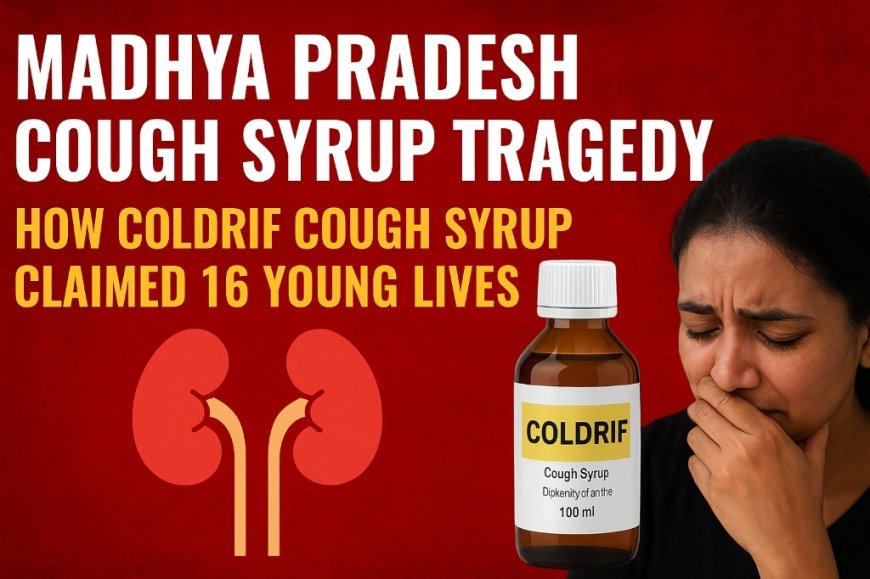
It began like any other cold season in Madhya Pradesh. Children were falling ill with common coughs and mild fevers. Parents consulted local doctors and picked up a syrup that promised quick relief. What no one anticipated was that this ordinary treatment would turn deadly. Within days, sixteen children had died. The culprit: Coldrif cough syrup.
This devastating incident has shaken the medical community, raised serious concerns about drug safety, and sparked nationwide outrage. Here’s a detailed look at what happened, who is being held responsible, and what this case reveals about pharmaceutical oversight in India.
The Incident Unfolds
The first cases appeared in Chhindwara district, where children started showing alarming symptoms, including vomiting, swelling, and reduced urine output. Initially, doctors suspected a viral infection or food poisoning. But as more children presented similar symptoms, authorities realized something was seriously wrong.
Investigations quickly identified a common factor: all affected children had taken Coldrif syrup, produced by Sresan Pharmaceuticals in Tamil Nadu. By the time the link was established, fourteen children from Chhindwara and two from Betul had already lost their lives.
The Doctor Under Investigation
Dr. Praveen Soni, a government paediatrician from Parasia, was arrested shortly after the deaths. He had prescribed Coldrif to multiple children, unaware that the medicine was toxic. Authorities also revealed that Dr. Soni was running a private clinic while holding a government post, which violates service regulations.
An FIR was filed against him, two other doctors, Dr. Amit Thakur and Dr. Aman Siddiqui, and operators of Sresan Pharmaceuticals. The charges fall under sections of the Drugs and Cosmetics Act and the Bharatiya Nyaya Sanhita (BNS). If convicted, they could face life imprisonment for culpable homicide and distributing adulterated drugs.
How the Syrup Became Deadly
Tests revealed that Coldrif contained diethylene glycol (DEG), a toxic chemical commonly used in antifreeze and brake fluids. Lab reports from the Kanchipuram manufacturing site showed a staggering 48.6% DEG content, far above the permissible limit of 0.01%.
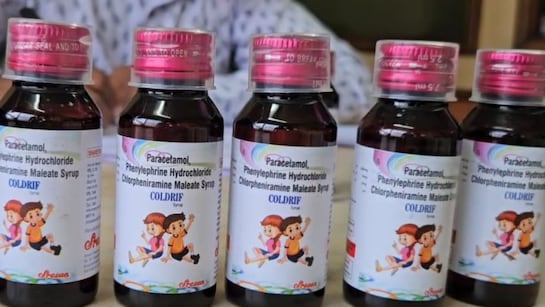 Image Credits: NDTV
Even small amounts of DEG can cause severe kidney damage, leading to acute kidney injury, anuria (complete cessation of urine), and death. Kidney biopsies from the deceased confirmed damage consistent with DEG poisoning.
Doctors in Chhindwara described the rapid deterioration of the children. Despite intensive care and dialysis, many could not survive. For parents, it was an unimaginable loss, seeing their children fall victim to a medicine they trusted.
The Manufacturer’s Responsibility
Sresan Pharmaceuticals now faces severe allegations of negligence and safety violations. The company’s production facility in Kanchipuram has been sealed, and other batches of Coldrif have been collected for testing.
Questions remain about how a medicine with such high levels of a toxic chemical could pass quality checks. Was it a cost-cutting measure, or did systemic oversight fail? Either way, this tragedy points to a serious lapse in the mechanisms meant to protect public health.
Government Response
After confirming contamination, the Madhya Pradesh government acted swiftly. Coldrif syrup was banned statewide, and remaining stocks were seized from pharmacies. Other states, including Kerala and Uttarakhand, also halted sales as a precaution.
Dr. Soni was suspended from his government post, and Chief Minister Mohan Yadav announced ₹4 lakh compensation for each family that lost a child. The state also assured coverage of medical expenses for affected children.
A Special Investigation Team (SIT) has been set up to trace how the contaminated batch entered circulation and to determine whether prior warnings were ignored.
Legal Implications
The FIR, filed by Ankit Sahlam, Block Medical Officer of Parasia Community Health Centre, is one of the most serious drug safety cases in recent years. The accused face charges of culpable homicide not amounting to murder under the BNS and drug adulteration under the Drugs and Cosmetics Act.
If convicted, the penalties range from 10 years to life imprisonment. The outcome of this case could influence how pharmaceutical negligence is addressed in India going forward.
Broader Concerns About Drug Safety in India
Unfortunately, India has witnessed several deaths linked to contaminated medicines in the past, from cough syrups to eye drops. These incidents expose persistent gaps in manufacturing oversight, testing infrastructure, and law enforcement.
Unregulated small-scale manufacturers, inconsistent audits, and weak enforcement allow unsafe products to reach consumers. Experts argue that despite India being a major pharmaceutical producer, consistent quality control remains a challenge. The Madhya Pradesh tragedy underscores the urgent need for stricter inspections, transparent supply chains, and routine audits.
Public Reaction
The news sparked grief and anger nationwide. Parents demanded justice and questioned how a medicine meant for children could be so dangerously contaminated. Healthcare organizations called for tougher penalties against the doctors and the manufacturer involved.
Social media has amplified calls for accountability. People want answers not just from the arrested individuals but from the system that allowed the tragedy to occur.
Preventing Future Tragedies
This case has prompted authorities and the medical community to review drug approval and monitoring processes. Public health experts are advocating for a centralized real-time drug tracking system to detect contaminated batches before they reach consumers.
Doctors and hospitals also need better awareness regarding drug authenticity. Every prescription, especially for children, should go through rigorous verification.
The incident has also reignited discussions around ethical medical practice. Physicians must prioritize patient safety and question the quality of medications, particularly from lesser-known brands.
A Wake-Up Call
Sixteen children lost their lives because a toxic chemical was allowed into medicine meant to heal them. The Madhya Pradesh cough syrup tragedy is a warning about the consequences of profit-driven negligence and regulatory failure.
If India wants to rebuild trust in its healthcare system, accountability must go beyond arrests and bans. Real change requires reforming how medicines are produced, tested, and prescribed. Families deserve justice, and the country deserves a system that ensures such a tragedy never happens again.
What's Your Reaction?
 Like
0
Like
0
 Dislike
0
Dislike
0
 Love
0
Love
0
 Funny
0
Funny
0
 Wow
0
Wow
0
 Sad
0
Sad
0
 Angry
1
Angry
1

I’m Ryan Rehan, Business Development Executive and a passionate blogger dedicated to sharing insights, tips, and experiences that inspire and inform. Through my blogs, I explore topics that matter, spark curiosity, and encourage thoughtful conversations. Whether I’m breaking down complex ideas, offering practical advice, or simply sharing stories, my goal is to create content that adds real value to a growing community of curious minds and passionate readers.
















Comments (0)