

Why Your Mind Works Best at Night
Your mind feels sharper at night for a reason. Discover why focus, creativity, and deep thinking often peak after dark when distractions fade.
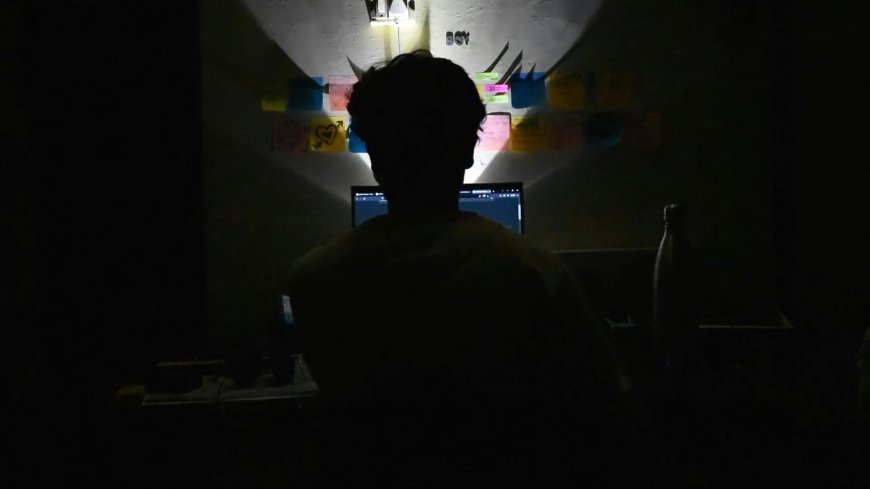
Here’s a fact most people won’t admit out loud: some of your clearest thoughts don’t show up at 9 a.m. They arrive late. Quietly. Usually, after midnight, when the world finally shuts up.
If you’ve ever felt sharper, more creative, or strangely focused at night, you’re not imagining it. There’s a real reason your mind seems to wake up just as everyone else goes offline. Let’s break it down, without the science lecture and without the fluff.
Why Nighttime Feels Like Mental Freedom
During the day, your brain is busy managing noise. Not just sounds, but interruptions, expectations, and constant decision-making. Messages. Meetings. Deadlines. Social cues. Even when you’re “relaxing,” part of your mind stays alert.
At night, that pressure drops.
There are fewer inputs competing for attention. No emails demanding replies. No one asking for updates. No sudden tasks popping up. Your brain finally gets breathing room, and when it does, it starts working differently.
That’s why ideas flow more easily at night. Your mind isn’t sharper because it’s tired. It’s sharper because it’s free.
Fewer Distractions, Deeper Focus
One underrated reason nighttime thinking feels powerful is simple silence.
When external noise fades, your internal voice gets louder. Thoughts connect more naturally. You’re not constantly switching between tasks or reacting to your environment. This allows your brain to stay with one idea longer instead of jumping around.
During the day, focus is constantly interrupted. At night, focus stretches.
This is why writers, designers, musicians, and thinkers often swear by late-night sessions. It’s not about discipline. It’s about conditions.
Your Brain Stops Performing
Daytime thinking often comes with an audience, even if no one is physically there. You’re aware of how your ideas might sound. You filter yourself. You second-guess.
At night, that mental audience disappears.
You’re not trying to impress anyone. You’re not worried about judgment. Your thoughts don’t need to be polished. They just need to exist. And when the pressure to perform drops, creativity expands.
This is when you think more honestly. More boldly. Sometimes more emotionally. And those raw thoughts often lead to better insights.
Nighttime Encourages Big-Picture Thinking
Daytime thinking is practical. Task-driven. Problem-solving mode.
Nighttime thinking is reflective.
At night, your mind naturally drifts toward bigger questions. Life choices. Relationships. Goals you’ve ignored. Ideas you’ve parked for later. Without urgent tasks pulling your attention, your thoughts widen.
You’re more likely to connect unrelated ideas, revisit old memories, or imagine future possibilities. This kind of thinking doesn’t thrive in busy schedules. It needs space, and night provides exactly that.
Creativity Thrives When Control Loosens
During the day, your brain stays organized and controlled. That’s useful for productivity, but not ideal for creativity.
At night, mental control loosens.
You’re less concerned about structure and more open to exploration. Your thoughts wander without needing a destination. This wandering is not wasted time. It’s how creative connections form.
That random idea at 1 a.m. that suddenly makes sense? It’s your mind allowing patterns to surface without forcing logic too early.
Emotional Awareness Is Stronger at Night
Night has a way of amplifying emotions.
Without distractions, feelings you pushed aside during the day resurface. This isn’t weakness. It’s awareness. Your mind finally has time to process what it postponed.
That’s why nighttime journaling feels powerful. Why late-night conversations feel deeper. Why music hits harder after dark.
When your mind works best at night, it’s often because it’s finally listening.
The Role of Routine and Identity
Some people are naturally wired to be more alert at night. But there’s also a learned component.
If your nights are consistently spent thinking, creating, or reflecting, your brain starts associating nighttime with mental clarity. Over time, this becomes your peak thinking window.
This doesn’t mean mornings are useless. It means your brain has learned when it’s safe to slow down and go deeper.
Why Night Thoughts Feel More Honest
During the day, you manage roles. Professional. Social. Responsible.
At night, those roles fade.
You’re closer to your unfiltered self. Thoughts that feel confusing or uncomfortable during the day make more sense at night because you’re not trying to control them.
This honesty can feel intense, sometimes even overwhelming. But it’s also where self-awareness grows.
Nighttime clarity often isn’t about new information. It’s about removing the noise that was hiding what you already knew.
When Night Productivity Becomes a Strength
Working or thinking at night isn’t laziness or bad discipline. For many people, it’s alignment.
If you do your best thinking after dark, the goal isn’t to force yourself into early-morning productivity. The goal is to protect your nighttime clarity.
That means setting boundaries. Reducing late-night distractions that don’t serve your thinking. Choosing activities that match your mental energy instead of draining it.
Nighttime focus is a resource. Use it intentionally.
The Difference Between Night Clarity and Overthinking
There’s an important line here.
Not all nighttime thinking is helpful. Sometimes, quiet turns into overthinking. The difference lies in direction.
Clarity feels calm, even when it’s emotional. Overthinking feels restless and repetitive.
If your night thoughts lead to insight, creativity, or understanding, that’s your mind working well. If they loop endlessly without resolution, that’s a sign to gently redirect, not force sleep.
Learning to recognize the difference helps you use nighttime mental energy instead of fighting it.
How to Make the Most of Your Nighttime Mind
If your mind works best at night, don’t waste that window scrolling or numbing out. Give it something meaningful.
Write. Plan. Create. Reflect. Solve problems that need depth, not speed.
Keep a notebook nearby. Some of your best ideas won’t wait until morning.
At the same time, respect your limits. Mental clarity doesn’t mean endless energy. Know when to stop before exhaustion takes over.
Final Thoughts
Your mind working best at night isn’t a flaw. It’s a rhythm.
Night offers what the day can’t: silence, space, and freedom from performance. That combination unlocks focus, creativity, and emotional honesty in a way few other moments can.
Instead of fighting it, understand it.
Once you do, nighttime stops being just the end of the day. It becomes where your best thinking begins.
What's Your Reaction?
 Like
0
Like
0
 Dislike
0
Dislike
0
 Love
0
Love
0
 Funny
0
Funny
0
 Wow
0
Wow
0
 Sad
0
Sad
0
 Angry
0
Angry
0

I’m Ryan Rehan, Business Development Executive and a passionate blogger dedicated to sharing insights, tips, and experiences that inspire and inform. Through my blogs, I explore topics that matter, spark curiosity, and encourage thoughtful conversations. Whether I’m breaking down complex ideas, offering practical advice, or simply sharing stories, my goal is to create content that adds real value to a growing community of curious minds and passionate readers.













Comments (0)