

Flash Flood in Mandi, Himachal Pradesh: Everything You Need to Know
Flash flood in Mandi, Himachal Pradesh, triggered by a cloudburst, has caused massive destruction—homes, roads, and tourism hit hard. Here’s what happened, affected areas, rescue efforts, travel advisories, and safety tips you need to know.
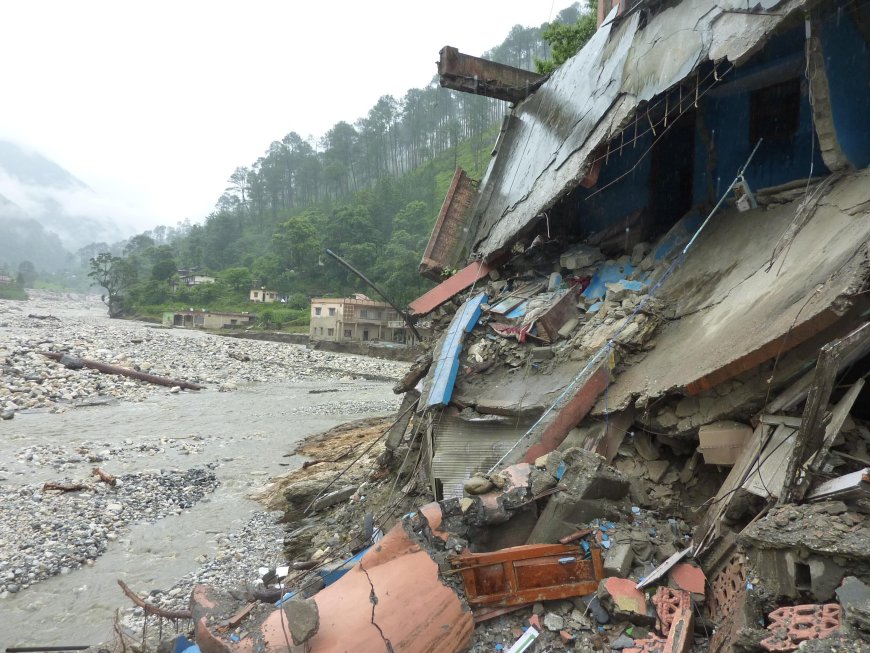
Himachal Pradesh is no stranger to nature’s fury, but the recent flash flood in Mandi has shaken the hill state to its core. Triggered by a sudden cloudburst on Monday night, this disaster left behind a trail of devastation - destroyed homes, stranded tourists, damaged roads, and a community struggling to get back on its feet.
In this blog, we’ll take you through what happened, the areas most affected, the impact on infrastructure and lives, ongoing relief measures, and why these events are becoming alarmingly frequent.
What Caused the Flash Flood in Mandi?
A sudden cloudburst triggered the devastating flash flood in Mandi. For those wondering what that means, cloudbursts are intense, localized rainfall events where massive amounts of water pour down in a short time. When this happens in a hilly region like Himachal Pradesh, the result is devastating.
The region was already reeling under heavy monsoon activity for the past month, which had weakened the soil and made slopes unstable. The cloudburst simply tipped the balance, sending torrents of water, mud, and debris rushing down into populated areas.
Adding to the crisis, the Indian Meteorological Department (IMD) had issued an orange alert for heavy rainfall in Himachal, but the sheer intensity of the downpour caught many by surprise.
Key Facts and Figures from the Disaster
Here’s a quick look at the numbers that paint the grim picture:
1. Fatalities: 3 lives lost, including a mother and her son
2. Missing and Injured: 1 person injured and another reported missing
3. Vehicles Destroyed: Around 20 vehicles were swept off in debris.
4. Homes Damaged: Several houses were either partially or completely destroyed
5. People Rescued: Around 15–20 residents have been pulled to safety so far
This tragedy adds to the mounting toll of the 2025 monsoon season in Himachal Pradesh, which has already caused ₹1,523 crore in damages, left 90 people dead, and damaged or destroyed more than 1,300 homes statewide.
Areas Worst Hit by the Flood
The flood caused havoc across several neighborhoods in Mandi, but some areas were hit harder than others. Jail Road, Saini Mohalla, Palace Colony, and the Zonal Hospital area bore the brunt of the destruction. A 5-kilometer stretch was covered in debris as drains overflowed and carried mud, rocks, and waste through residential areas. Homes were flooded, cars were destroyed, and roads quickly became flowing rivers. For locals, it was a night of chaos, while tourists found themselves stranded in a hill town that suddenly became inaccessible.
Road Closures and Travel Disruptions
The impact on roads and connectivity has been severe:
The Chandigarh-Manali Highway, a crucial route for locals and travelers, was blocked at multiple spots - 4 Mile, 9 Mile, and Dwada after parts of the road were washed away.
Other important routes like Mandi-Jogindernagar and Mandi-Kotali highways also came to a halt.
As a result, hundreds of tourists traveling to and from Manali have been stranded for hours.
Traveling in such conditions is extremely risky, and authorities have urged visitors to avoid non-essential travel to the region until roads are restored.
Infrastructure and Utilities: The Hidden Casualties
While visuals of flooded streets and stranded vehicles dominate social media, the less visible impacts are equally severe:
1. A total of 269 roads, including three major highways, are still closed in Mandi district.
2. 62 power transformers are down, plunging several areas into darkness.
3. 110 water supply schemes have been disrupted, leaving many residents struggling for clean water.
4. The state’s power and water supply departments are working round the clock, but full restoration could take days, if not weeks.
The state’s power and water supply departments are working round the clock, but full restoration could take days, if not weeks.
Rescue and Relief Operations Underway
Despite the chaos, officials and rescue teams acted quickly to respond:
The National Disaster Response Force (NDRF), local police, home guards, and district officials have been on the ground since Monday night.
Relief camps have been set up, with one major camp at Vipasha Sadan for displaced families.
Food, blankets, and medical supplies are being distributed, while local residents have also opened their homes to those in need.
The Chief Minister of Himachal Pradesh has assured full support to affected families, promising immediate relief funds and faster infrastructure restoration.
Current Situation and Weather Alerts
As of Tuesday, rescue operations are ongoing, but the situation remains tense. The IMD has issued an orange alert for Himachal Pradesh, predicting heavy to very heavy rainfall in Mandi and nearby districts over the next 24-48 hours.
Authorities have advised residents to:
Avoid venturing out unless necessary
Stay away from rivers, nullahs, and landslide-prone areas
Follow official weather updates and road closure advisories
Statewide Impact: Himachal’s Monsoon Challenge
This isn’t an isolated incident. Himachal Pradesh has been battling extreme weather throughout this monsoon season. According to official data (as of July 28):
Total losses: ₹1,523 crore
Deaths: 90
Missing: 35 people
Homes damaged: 1,320
The economic blow to tourism - a major revenue source for Himachal—has also been massive, with thousands of hotel bookings canceled and key tourist routes blocked.
Safety Tips for Tourists and Locals
If you’re in or planning to visit Himachal in the coming days, here are some safety tips:
1. Avoid Travel to Affected Areas: Wait for official clearance before heading to hill stations.
2. Keep Emergency Contacts Handy: Note down local helpline numbers.
3. Stay Informed: Track updates from the IMD and Himachal Pradesh Disaster Management Authority.
4. Pack Essentials: If you must travel, carry dry food, drinking water, and a power bank.
5. Stay away from overflowing rivers or drains: Just a few inches of rushing water can carry you away.
A Wake-Up Call on Climate Risks
This tragedy is more than just a local disaster - it’s a stark reminder of the increasing unpredictability of weather patterns in the Himalayas. Cloudbursts and flash floods, once rare, are becoming alarmingly frequent due to climate change, unchecked construction, and deforestation.
Going forward, better urban planning, improved drainage systems, and stronger disaster preparedness are essential to prevent such losses.
Final Thoughts
The flash flood in Mandi has disrupted lives, destroyed infrastructure, and reminded us all of nature’s raw power. As Himachal Pradesh works tirelessly to restore normalcy, the onus is on both residents and visitors to stay cautious and follow official advisories.
If you’re planning a trip to the hills, hold off until conditions improve - and when you do visit, respect nature, because safety should always come first.
What's Your Reaction?
 Like
0
Like
0
 Dislike
0
Dislike
0
 Love
0
Love
0
 Funny
0
Funny
0
 Wow
0
Wow
0
 Sad
0
Sad
0
 Angry
0
Angry
0

I’m Ryan Rehan, Business Development Executive and a passionate blogger dedicated to sharing insights, tips, and experiences that inspire and inform. Through my blogs, I explore topics that matter, spark curiosity, and encourage thoughtful conversations. Whether I’m breaking down complex ideas, offering practical advice, or simply sharing stories, my goal is to create content that adds real value to a growing community of curious minds and passionate readers.














Comments (0)