

Will La Niña India 2025-26 Bring the Coldest Winter Yet?
La Niña India 2025-26 could bring one of the coldest winters yet. Delhi and North India may face freezing temperatures, dense fog, and worsening air quality. Learn how to stay safe, warm, and prepared this winter.
Winter in North India is shaping up to be one of the harshest in recent memory. Meteorologists are warning that the upcoming 2025-26 season could bring severe cold waves to Delhi and nearby regions such as Gurgaon, Noida, Faridabad, and Ghaziabad. Temperatures may plunge dramatically, potentially marking one of the coldest winters the region has seen in years.
The main factor behind this extreme chill is La Niña, a climate phenomenon expected to peak between December and February. Forecasts from the India Meteorological Department (IMD) and other global agencies indicate a 71% chance of La Niña developing this winter. Residents across North India are being advised to prepare for freezing nights, dense fog, and increased health risks. But what exactly is La Niña, and why does it make winters so severe?
What is La Niña?
La Niña is essentially the cooling phase of the El Niño-Southern Oscillation (ENSO) cycle. It occurs when sea surface temperatures in the central and eastern Pacific Ocean fall below normal. This shift in ocean temperatures changes atmospheric circulation, which in turn affects global weather patterns.
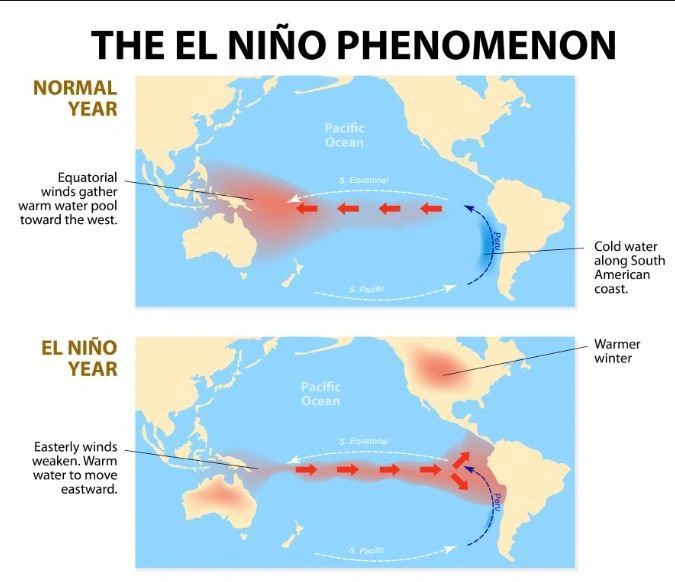 Image Credits: Aspirant IAS
The term “La Niña” translates to “Little Girl” in Spanish. While it may sound distant, its impact is strongly felt in India. During La Niña winters, northern and northwestern parts of the country typically experience colder temperatures, more frequent cold waves, and heavier snowfall in the Himalayan region. The plains, meanwhile, can see dense fog and unusually low temperatures, making winters more intense.
How La Niña Could Affect Winter in India
La Niña doesn’t just bring a drop in temperature; it alters the entire winter pattern. Here’s what experts are expecting this year:
Record Cold Waves: Northern states, including Delhi, may face unprecedented cold. Early mornings could dip below 3°C, making daily routines more challenging. Schools, offices, and outdoor workers will need to brace for icy conditions.
Increased Himalayan Snowfall: Hilly areas may experience heavier snowfall than usual. While the snow creates stunning landscapes, it can also disrupt travel and transport. Roads can become impassable, and delays are likely when snow accumulates rapidly.
Dense Fog: Fog will likely settle heavily over the plains, particularly in Delhi and the surrounding NCR regions. Flights may face delays or cancellations, trains could run late, and driving visibility may drop, making commuting riskier.
Unpredictable Rainfall and Floods: La Niña winters are known for their erratic weather patterns. Some regions may experience sudden rainfall, while others could face droughts. Farmers, authorities, and city planners will need to stay alert to respond to these changes.
Impact on Health and Daily Life
Cold temperatures can be dangerous for vulnerable groups such as children, the elderly, and people with respiratory conditions. Cold air can trigger or worsen asthma, bronchitis, and other lung-related issues.
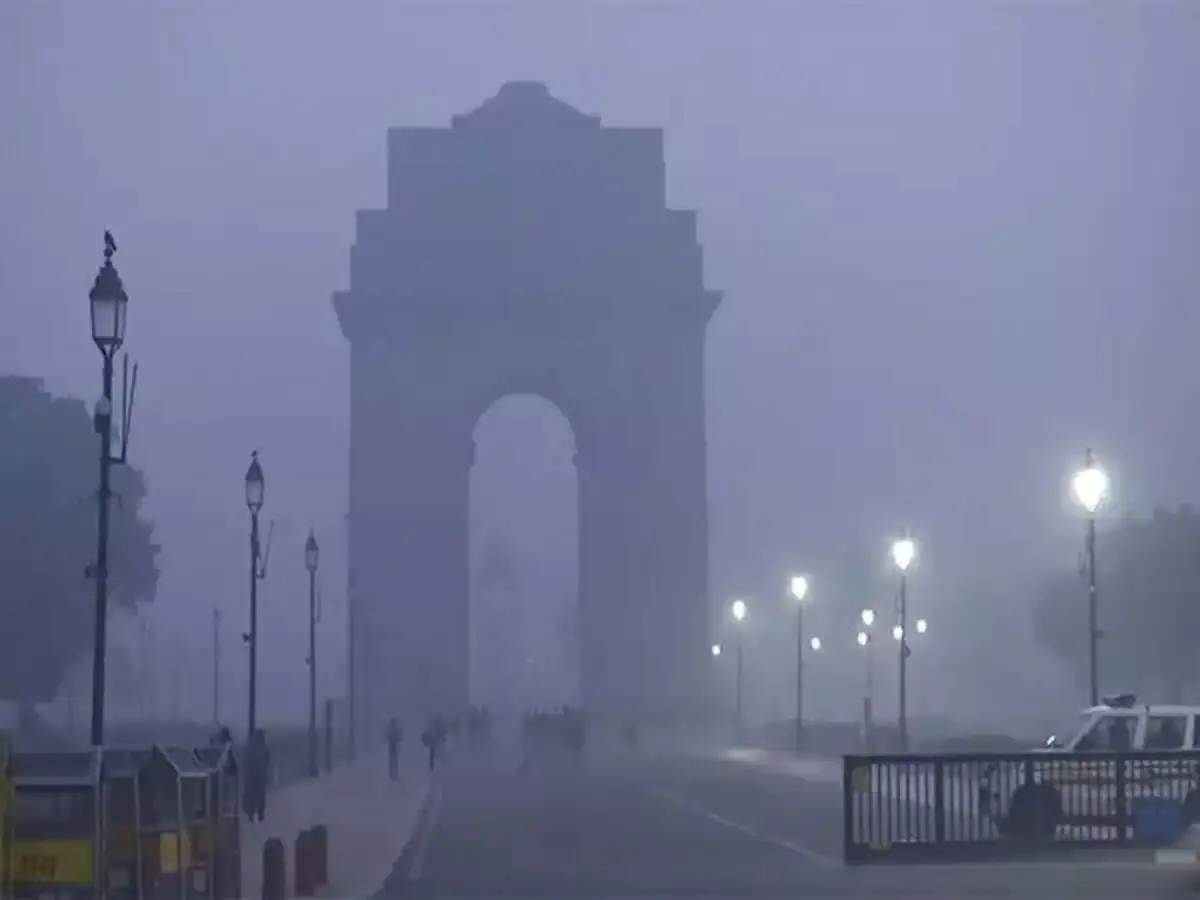 Image Credits: The Economic Times
Delhi’s already high air pollution levels may worsen with persistent cold and fog. Smog combined with low temperatures increases the risk of respiratory problems. Hospitals may see more patients suffering from coughs, colds, and other respiratory illnesses.
To cope, families are advised to stock essential medicines, use masks in pollution-prone areas, and ensure homes are properly heated. Staying hydrated and maintaining a nutritious diet can help the body handle extreme cold more effectively.
Winter Appliance and Product Demand
With plummeting temperatures, consumer habits are shifting rapidly. Retailers are reporting a surge in demand for items that keep homes warm and indoor air clean.
Heaters and Geysers: Electric heaters, oil radiators, and geysers are in high demand. Families want to maintain comfortable indoor temperatures, particularly during early mornings and late nights.
Air Purifiers: Cold, fog, and pollution together create unhealthy indoor air conditions. Air purifiers are selling fast, and many stores are running low on stock. Clean air indoors has become a necessity for health and comfort.
Respiratory Health Products: Pharmacies are seeing increased demand for medicines and equipment related to respiratory care. Nebulizers, inhalers, and cough medicines are among the most sought-after items as people prepare for worsening smog and cold-induced health issues.
Economic and Social Disruptions
La Niña winters affect more than just temperature—they have wider social and economic consequences.
Transport Delays: Dense fog and icy conditions can lead to flight delays, train schedule disruptions, and slower road traffic. Businesses that rely on timely transportation may face losses.
Slowdown of Construction and Outdoor Work: Cold temperatures make outdoor labor more difficult. Construction projects and other outdoor activities may slow down, impacting productivity and timelines.
Daily Life Challenges: Extreme cold requires adjustments in daily routines. Commuters may need extra time, layered clothing, and careful planning to navigate their day safely.
Air Pollution Concerns: Worsening smog affects both health and visibility. Economic productivity may decline as people struggle with pollution-related illnesses and disrupted transportation.
How to Prepare for La Niña Winter
Preparation can significantly reduce the winter’s impact. Here are some practical steps:
Home and Heating: Invest in reliable heaters, oil radiators, and warm bedding. Ensure homes are well-insulated to retain heat efficiently.
Health Precautions: Keep essential medicines ready, especially for respiratory conditions. Eat a balanced diet with immunity-boosting foods.
Travel Safety: Check weather updates before planning trips. Allow extra travel time and exercise caution on foggy roads.
Air Quality Measures: Use air purifiers indoors and limit exposure to outdoor pollution. Masks can help reduce inhalation of harmful particles.
Emergency Preparedness: Keep emergency kits ready with flashlights, warm clothing, and basic medical supplies. Families with children or elderly members should have a clear plan for extreme cold events.
Conclusion
The La Niña winter of 2025-26 could prove historic, particularly for North India. Plummeting temperatures, dense fog, and worsening air quality will challenge daily life, health, and productivity. Families, businesses, and authorities need to prepare for cold waves, transport disruptions, and possible economic slowdowns.
While the winter may be intense, proactive planning can make it manageable. Stock heaters, air purifiers, and essential medicines, and take steps to protect health. Staying informed and prepared is essential for navigating what could be one of India’s coldest winters in recent memory.
What's Your Reaction?
 Like
0
Like
0
 Dislike
0
Dislike
0
 Love
0
Love
0
 Funny
0
Funny
0
 Wow
0
Wow
0
 Sad
0
Sad
0
 Angry
0
Angry
0

I’m Ryan Rehan, Business Development Executive and a passionate blogger dedicated to sharing insights, tips, and experiences that inspire and inform. Through my blogs, I explore topics that matter, spark curiosity, and encourage thoughtful conversations. Whether I’m breaking down complex ideas, offering practical advice, or simply sharing stories, my goal is to create content that adds real value to a growing community of curious minds and passionate readers.













Comments (0)