

Tragedy in the Hills: Deadly West Sikkim Landslide Exposes Growing Risk
A deadly landslide struck Upper Rimbi in West Sikkim on September 12, 2025, killing four and leaving many missing. Discover the causes, rescue updates, impacts, and urgent lessons for landslide preparedness in Sikkim’s fragile hills.
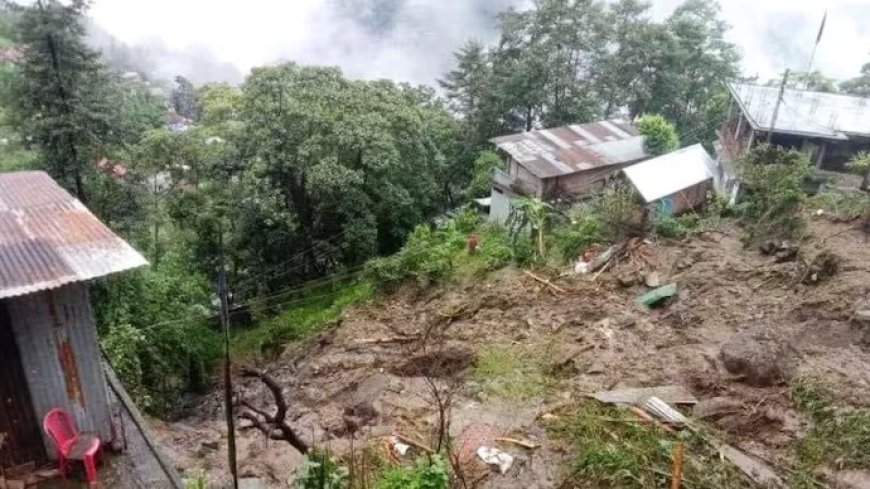
On September 12, 2025, at midnight, the peaceful Upper Rimbi region in West Sikkim’s Yangthang constituency was shaken awake by disaster. Torrential rain had been pounding the hills for days, loosening the fragile slopes until a massive landslide roared down, swallowing homes and lives in its path.
By dawn, the damage was clear. Four people had lost their lives, three more were missing, and families were left clinging to hope as rescuers battled mud, boulders, and raging streams. For a state already too familiar with such tragedies, this was another reminder of just how vulnerable Sikkim is to nature’s fury.
What Happened in Upper Rimbi
The landslide struck with terrifying force, burying a house under a mix of mud and stones. Inside were members of a single family. Three of them, Bhim Prasad Limboo (53), his wife Anita Limboo (46), and their relative Bimal Rai (50), died instantly. A seven-year-old girl miraculously survived, pulled alive from the debris.
Two other women were rescued using a temporary wooden bridge hastily built over the flooded Hume River. But fate was cruel; one of them succumbed to her injuries, while the other continues to fight for her life in critical condition.
Meanwhile, three individuals remain missing, sparking a desperate search effort in treacherous conditions.
Rescue Operations in Harsh Terrain
Rescue work began immediately, but the challenges were immense. Teams of police officers, disaster management personnel, Sashastra Seema Bal (SSB) jawans, and local villagers worked hand in hand to reach survivors.
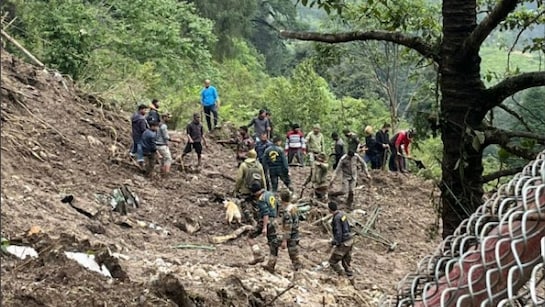
The biggest hurdle was the terrain itself. With heavy rain still falling, roads were blocked, rivers were swelling, and slopes were unstable. A temporary wooden bridge became the lifeline to move the injured across the raging Hume River. Even as they toiled, rescuers knew time was against them.
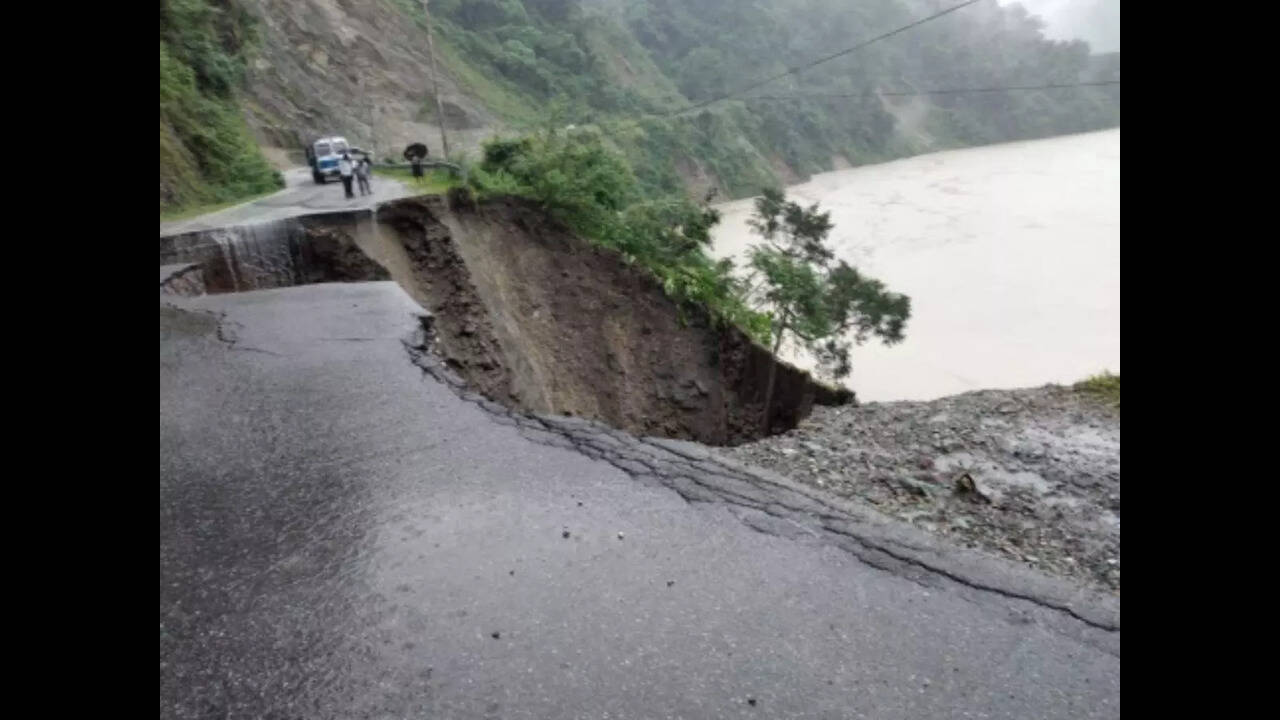
National Highway 10, the crucial road linking Sikkim with Siliguri, was repeatedly blocked by landslides. For residents, it meant supplies running thin. For tourists, it meant being stranded. For rescuers, it meant delays that could cost lives.
Why Sikkim Faces Repeated Landslides
Sikkim’s beauty is also its biggest challenge. The state sits in a seismically active Himalayan zone, with steep slopes, fragile geology, and rivers that cut deep into the valleys. Add monsoon rain, and you have the perfect recipe for landslides.
The problem doesn’t end with natural causes. Human activity has made things worse. Deforestation, unplanned road construction, and unchecked development have further destabilized slopes. Poor drainage and catchment degradation mean that when rain comes, the hills simply cannot hold.
And it’s not a rare event. Just three months earlier, in June 2025, another landslide in Chaten, North Sikkim, killed nine people. Year after year, monsoon brings both water and disaster.
A State on Edge
For locals, it’s a season of fear. Every monsoon, they watch slopes above their homes nervously. They know that one night of heavy rain could mean evacuation or worse.
For tourists, the impact is clear too. With routes blocked and safety uncertain, Sikkim’s tourism industry takes a hit each rainy season. Hotels face cancellations, guides lose income, and local businesses suffer.
Infrastructure takes the brunt. Roads collapse, power lines are cut off, the water supply gets disrupted, and rebuilding becomes a constant cycle.
Government and Community Response
Chief Minister Prem Singh Tamang expressed grief over the tragedy and assured government assistance for affected families. Relief funds and rehabilitation support are being arranged. Authorities have also warned residents in vulnerable areas to remain alert as the rains show no sign of stopping.
But in many ways, the community response has been the real backbone. Local villagers joined forces with officials to dig, clear, and rescue, often putting their own lives at risk. This spirit of solidarity is what saves lives in those critical first hours.
Why Landslides Keep Happening
Let’s break it down. The causes of landslides in Sikkim can be grouped into natural and man-made:
Natural Triggers:
1. Prolonged or extreme rainfall.
2. Earthquakes shaking the already fragile slopes.
3. The geology of the Himalayas itself is steep, fractured, and unstable.
Human Triggers:
1. Road construction that cuts into hillsides without stabilizing them.
2. Deforestation strips slopes of root systems that hold soil together.
3. Rapid development on unstable ground.
And the impacts? They go far beyond immediate deaths and injuries. Families lose homes and belongings. Communities are displaced. The economy suffers as tourism, transport, and trade take repeated blows. Access to clean water becomes increasingly difficult, and rebuilding costs continue to mount.
Lessons That Cannot Be Ignored
Every disaster holds a lesson, and this one is no different. If Sikkim wants to reduce the impact of future landslides, several steps are urgent:
1. Better Land-Use Planning – Construction should be banned in high-risk zones, and slope stabilization must be mandatory for new projects.
2. Disaster Preparedness – Early warning systems, evacuation drills, and community training can save lives.
3. Eco-Restoration – Reforestation, watershed management, and soil conservation can help strengthen slopes.
4. Infrastructure Upgrades – Roads, bridges, and drainage systems need to be designed for Himalayan conditions, not against them.
5. Tourism Awareness – Visitors should be educated about monsoon risks and emergency protocols.
Why This Matters
This tragedy isn’t just about one state. Landslides are a growing problem across India’s hill regions, be it Himachal Pradesh, Uttarakhand, Darjeeling, or the Northeast. As climate change brings more erratic and extreme rainfall, such disasters are likely to become more frequent.
The Upper Rimbi landslide is a stark reminder that fragile mountain ecosystems cannot be taken for granted. They need protection, careful planning, and respect.
What's Your Reaction?
 Like
0
Like
0
 Dislike
0
Dislike
0
 Love
0
Love
0
 Funny
0
Funny
0
 Wow
0
Wow
0
 Sad
0
Sad
0
 Angry
0
Angry
0

I’m Ryan Rehan, Business Development Executive and a passionate blogger dedicated to sharing insights, tips, and experiences that inspire and inform. Through my blogs, I explore topics that matter, spark curiosity, and encourage thoughtful conversations. Whether I’m breaking down complex ideas, offering practical advice, or simply sharing stories, my goal is to create content that adds real value to a growing community of curious minds and passionate readers.















Comments (0)