





































































Operation Abhyaas 2025: India’s Largest Civil Defence Exercise for Emergency Preparedness and Public Safety
Discover how Operation Abhyaas, India's largest civil defence mock drill across 244 districts, is enhancing emergency preparedness, public safety, and inter-agency coordination nationwide.
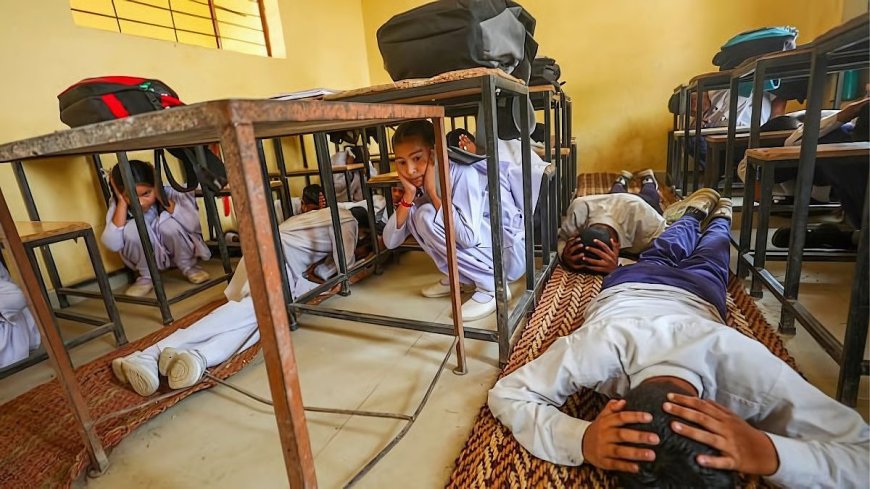
On May 7, 2025, India carried out a significant civil defence exercise, Operation Abhyaas, aimed at enhancing its readiness for emergencies. This nationwide exercise spanned 244 districts, encompassing major cities like Delhi, Mumbai, Chennai, and Kolkata, as well as border regions such as Rajasthan and Jammu & Kashmir. The primary objective was to enhance the country's readiness to respond effectively to potential hostile threats, especially in the wake of recent escalations following the Pahalgam terror attack on April 22, 2025.
Understanding Operation Abhyaas
Operation Abhyaas was orchestrated by the Ministry of Home Affairs (MHA) in collaboration with the National Disaster Management Authority (NDMA). The drill aimed to simulate realistic emergency scenarios, including air raid warnings, blackout protocols, mock drill in safety practices, mock drill procedure simulations, evacuation nationwide participation procedures, and public safety measures. By involving various stakeholders, from government agencies to local communities, the exercise sought to assess and improve India's civil defence mechanisms.
Key Components of the Drill
-
Air Raid Sirens: At 4:00 PM IST, sirens were activated across participating districts to simulate incoming air raids. The purpose was to test the public's response and the operational capabilities of the warning systems.
-
Blackout Simulations: Certain areas, such as Bareilly in Uttar Pradesh, observed scheduled blackouts to mimic wartime scenarios, assessing the preparedness of both infrastructure and civilians.
-
Evacuation Drills: Residents participated in mock drill for emergency evacuation exercises, moving to designated shelters and bunkers, thereby evaluating evacuation plans and public awareness.
-
Public Training Sessions: Workshops and demonstrations were conducted to educate citizens on emergency protocols, first aid, and survival strategies during hostile situations. These activities also included the execution of mock drill scenario practices to ensure realism and effectiveness.
The drill witnessed extensive participation across various states:
-
Delhi: Mock drills were carried out across 55 different locations, including important areas such as Connaught Place and Khan Market, with a focus on air raid exercises and evacuation processes.
-
Maharashtra: Cities like Mumbai, Pune, and Nashik engaged in drills at critical installations, including the Tarapur atomic power plant, involving over 10,000 volunteers.
-
Kerala: With all 14 districts participating, the focus was on fostering community involvement and increasing awareness.
-
Rajasthan: In border districts like Barmer and Bikaner, schools were closed, and extensive drills were conducted, reflecting the region's strategic importance.
Public Guidelines during the Drill
Authorities issued specific instructions to ensure public safety and effective participation:
-
During Sirens: Citizens were advised to switch off lights and electrical appliances, avoid using mobile phone torches, and stay indoors.
-
Evacuation Protocols: Residents practiced moving to designated shelters, following marked evacuation routes, and assisting vulnerable individuals.
Information Dissemination: Regular updates were provided through official channels to prevent misinformation and ensure coordinated efforts.
Read more: Operation Sindoor 2025: India’s Explosive Answer to Terrorism in PoK
Significance of Operation Abhyaas
This event stands as the biggest civil defence simulation in India since the 1971 Indo-Pak war. It highlighted the necessity of taking proactive actions to address the ever-changing security threats. By simulating realistic scenarios, the exercise aimed to:
-
Enhance Inter-Agency Coordination: Fostering collaboration among various government departments and emergency services.
-
Boost Public Awareness: Educating citizens on emergency protocols and encouraging active participation in safety measures, especially through mock drills in safety training.
-
Assess Infrastructure Readiness: Evaluating the resilience of critical installations and public facilities during emergencies.
Conclusion
Operation Abhyaas served as a crucial step in strengthening India's emergency preparedness framework. By involving diverse stakeholders and simulating comprehensive scenarios, the drill highlighted areas of strength and opportunities for improvement.
-
Stay Informed and Prepared: Citizens need to understand local emergency plans, take part in community exercises, and keep up with updates from official channels.
-
Collaborate for Safety: Community involvement is vital. Engage with local authorities, attend training sessions, and contribute to building a resilient society.
-
Provide Feedback: Share your experiences and suggestions with relevant agencies to help refine and enhance future preparedness initiatives.
By taking these steps, we can collectively ensure a safer and more prepared India through continued awareness and participation in mock drill scenarios and mock drill procedures.
What's Your Reaction?
 Like
0
Like
0
 Dislike
0
Dislike
0
 Love
0
Love
0
 Funny
0
Funny
0
 Angry
0
Angry
0
 Sad
0
Sad
0
 Wow
0
Wow
0