



































































How to Travel Safely and Smartly on Indian Roads: A Complete Guide
Discover essential tips for traveling safely and smartly on Indian roads. Learn route planning, vehicle preparation, road safety rules, and practical advice to enjoy stress-free road trips across India’s highways, mountains, and scenic routes.

Traveling across India by road can be one of the most exciting ways to explore the country. From the winding mountain passes of Himachal Pradesh to the sun-soaked highways of Rajasthan and the lush roads of Kerala, every journey has its own charm. Road trips give you freedom and flexibility, letting you stop at hidden gems along the way. But India’s roads can also be unpredictable, with changing conditions, heavy traffic, and long stretches between towns. Planning and safety are crucial if you want your journey to be enjoyable and stress-free.
This guide will take you through practical tips for traveling safely and smartly on Indian roads. Whether you are a seasoned traveler, a solo driver, or planning a family road trip, these tips will help you prepare, stay alert, and enjoy the ride.
Plan Your Route Carefully
The first step to a safe road trip in India is planning your route. Highways, city streets, and rural roads vary greatly in quality, and some scenic routes are not well-marked. Start by researching your journey online and checking maps for distances and travel time. Apps like Google Maps are useful for live traffic updates, while offline maps are essential in areas with poor network coverage.
Factor in rest stops, fuel stations, and places to eat. Indian highways often have stretches with few amenities, especially in desert or hilly regions. Planning your stops ensures you avoid fatigue and keeps the journey smooth. Consider alternative routes that might offer less traffic or more scenic views. For example, the Konkan coast offers stunning drives with ocean views, while the roads to Spiti Valley provide breathtaking landscapes and quiet mountain towns.
Being aware of tolls, restricted areas, or construction zones can also save time and stress. Check local travel advisories, especially during monsoon or winter when the weather can affect road conditions. A well-planned route allows you to focus on enjoying the scenery and experiences rather than worrying about navigation.
Prepare Your Vehicle for the Journey
Your vehicle is the backbone of any road trip. Before hitting the road, ensure your car or bike is in good condition. Check brakes, tires, engine oil, and lights. Keep your fuel tank full before entering remote areas and know where the nearest petrol pumps are along the route.
Carry essential tools such as a spare tyre, jack, wrench, and jumper cables. A first-aid kit, extra water, and emergency supplies are must-haves. For bikers, helmets, gloves, reflective clothing, and protective gear are essential for safety and visibility.
If you are renting a vehicle, verify its condition before taking it out on the road. Make sure the paperwork, insurance, and permits are in order. Well-prepared vehicles reduce the risk of breakdowns, which is especially important in rural or mountainous areas where help may not be immediately available.
Follow Road Safety Rules
Observing traffic rules is essential for both your safety and the safety of others. Stick to speed limits and lane discipline, and avoid overtaking in unsafe conditions. Driving on Indian roads often requires extra caution because of unpredictable traffic, pedestrians, animals, and two-wheelers.
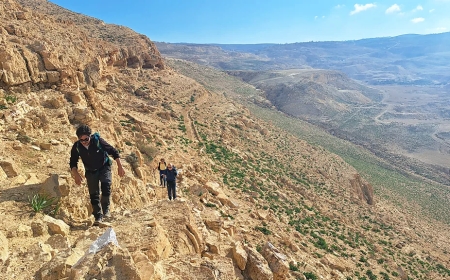
Be particularly careful in mountain regions where sharp turns and steep drops are common. In rural areas, watch out for cattle, cyclists, or slow-moving vehicles on the road. Avoid driving after dark in remote regions unless necessary, as visibility is limited and help is often far away.
Using mobile phones while driving is risky. If you need navigation or calls, set up hands-free options before starting your trip. Pay attention to road signs and local traffic customs; they may vary from state to state. Awareness and caution are your best tools for a safe journey.
Smart Travel Tips for Drivers and Passengers
A road trip is as much about comfort and planning as it is about driving safely. Avoid fatigue by taking breaks every two to three hours. Sharing driving responsibilities on long journeys keeps everyone alert and reduces stress.
Carry water, snacks, and entertainment for long stretches, especially when traveling with family or friends. Pack light, but include essentials like a power bank, sunscreen, and sunglasses. Keep important documents such as ID, driving license, and insurance in a safe, accessible place.
Solo travelers should take extra precautions. Inform someone about your route and estimated arrival times. For groups, agree on rest stops and ensure communication devices are charged. Using apps that provide real-time traffic updates or nearby amenities can help plan for unexpected detours or delays. Smart preparation makes the journey smoother and allows you to enjoy the adventure without unnecessary worry.
Safety Tips for Night Travel and Remote Areas
Night travel in India can be challenging. Limit driving after dark whenever possible, especially on unfamiliar or rural roads. If you must drive at night, ensure your vehicle’s headlights are working properly and carry a flashlight for emergencies.
Keep extra fuel, snacks, and water in case of delays. Make sure your phone is fully charged, and carry backup power sources. In remote areas, research nearby hospitals, police stations, and vehicle repair shops along your route. Staying in verified accommodations overnight is safer than pushing through long drives in unfamiliar regions.
Desert areas, mountain passes, or forested roads can be unpredictable, so always check weather conditions before setting out. Having a flexible schedule allows you to adapt to unexpected situations while staying safe.
Enjoy the Journey Responsibly
Traveling safely does not mean rushing from one destination to another. Take time to enjoy the scenery, explore small towns, and meet locals along the way. Stop at viewpoints, markets, or roadside cafes for an authentic experience. These moments are often the most memorable parts of a road trip.
Plan your itinerary with flexibility. Unexpected detours can lead to hidden gems, such as a village festival, a quiet lake, or a stunning roadside landscape. Combine sightseeing, photography, and local interactions to make the journey richer and more immersive. Responsible travel includes respecting local customs, avoiding litter, and following road rules to keep everyone safe.
Conclusion
Traveling on Indian roads is an adventure that blends freedom, discovery, and culture. Proper planning, vehicle preparation, and awareness of road conditions make the journey enjoyable and worry-free. By following safety tips, pacing yourself, and staying alert, you can focus on the experiences along the way rather than worrying about risks.
Whether you are driving through mountain passes, deserts, or coastal highways, traveling safely and smartly allows you to enjoy India fully. With scenic routes, local interactions, and hidden gems waiting to be discovered, the road trip becomes a story in itself. Plan carefully, stay prepared, and embrace the journey—your next adventure on Indian roads is waiting.
What's Your Reaction?
 Like
0
Like
0
 Dislike
0
Dislike
0
 Love
0
Love
0
 Funny
0
Funny
0
 Angry
0
Angry
0
 Sad
0
Sad
0
 Wow
0
Wow
0