

Trump Expands US Travel Ban to Five More Countries: What It Means
Former President Donald Trump expands the US travel ban to five more countries. Here’s what the decision means, which nations are affected, and its global impact.
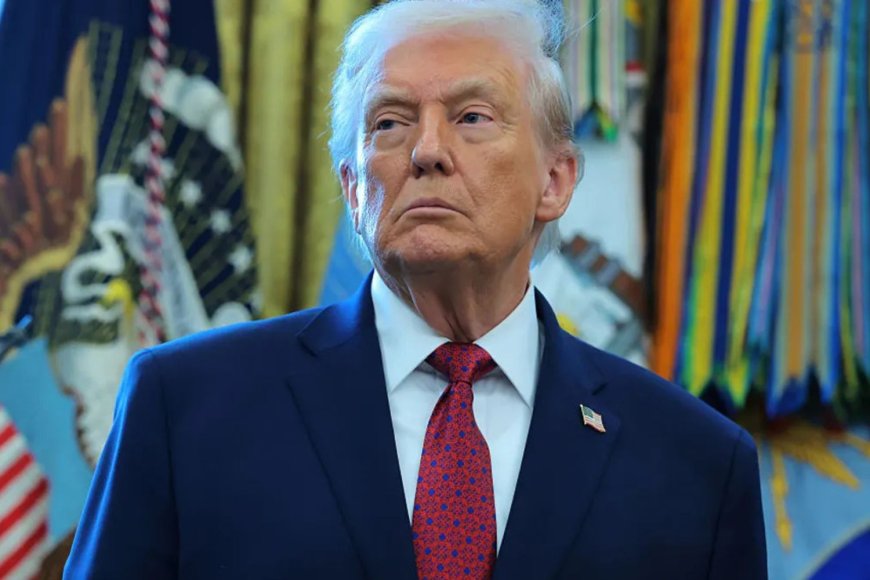
Table of Contents
- Introduction
- Background: The US Travel Ban Explained
- Trump’s Latest Move: Five More Countries Added
- Why the US Expanded the Travel Ban
- Countries Affected and Regional Impact
- Who Is Affected by the Expanded Ban?
- Legal Basis of the Travel Ban
- Reactions from the Affected Countries
- Domestic Political Response in the US
- Impact on Immigration & Visa Applicants
- Effect on Students, Workers, and Families
- Global Travel and Airline Industry Impact
- International Human Rights Concerns
- Historical Context of US Travel Restrictions
- Conclusion
-
Introduction
Former US President Donald Trump has once again placed immigration and national security at the center of global debate by expanding the United States travel ban to five additional countries. The decision has drawn international attention, reigniting discussions around border security, immigration control, human rights, and diplomatic relations.
The expanded travel ban affects not just governments and policymakers but also millions of ordinary people—students, workers, families, refugees, and tourists—whose mobility depends on US visa access. As reactions pour in from across the world, the move highlights how immigration policies can shape geopolitics, economies, and personal lives.
This blog breaks down what the expanded travel ban is, why it was implemented, which countries are affected, and what it means for global travel and international relations.
-
Background: The US Travel Ban Explained
The US travel ban was first introduced during Donald Trump’s presidency as part of his broader “America First” immigration agenda. Initially framed as a national security measure, the policy restricted entry into the United States from certain countries based on concerns over terrorism, inadequate vetting systems, and information-sharing gaps.
Key features of the original travel ban:
-
Restrictions on visa issuance
-
Partial or full bans on certain countries
-
Differentiation between immigrant and non-immigrant visas
-
Exemptions for diplomats and special cases
While the ban faced intense legal challenges in its early days, the US Supreme Court eventually upheld a revised version, giving the executive branch broad authority over entry policies.
-
-
Trump’s Latest Move: Five More Countries Added
In the latest development, Trump has expanded the travel ban to include five additional countries, citing renewed concerns over border security, visa overstays, and national safety.
Although the exact list may vary by official notification, the expansion typically involves:
-
Countries with weak identity verification systems
-
Nations experiencing internal instability
-
Regions with limited cooperation on security screening
The decision signals a continuation—and intensification—of Trump’s immigration philosophy, even as global mobility increases post-pandemic.
-
-
Why the US Expanded the Travel Ban
Supporters of the move argue that the expansion is rooted in national security priorities.
Official reasons cited include:
-
Inadequate background check mechanisms
-
Failure to share criminal or security data
-
High visa overstay rates
-
Concerns about illegal immigration
-
Border control challenges
Trump has repeatedly emphasized that controlling who enters the US is essential to protecting American citizens, framing the policy as a preventive security measure rather than a discriminatory one.
-
-
Countries Affected and Regional Impact
The addition of five more countries broadens the geographic scope of the travel ban.
Regional impact includes:
-
Africa: Countries facing governance or documentation challenges
-
Middle East: Nations already impacted by earlier restrictions
-
Asia or Latin America: Depending on security assessments
For these regions, the ban can affect:
-
Diplomatic relations with the US
-
Trade negotiations
-
Educational exchanges
-
Diaspora communities
Even partial restrictions can significantly reduce people-to-people contact.
-
-
Who Is Affected by the Expanded Ban?
The travel ban does not affect everyone equally.
Most impacted groups:
-
Tourists applying for short-term visas
-
Students seeking US education
-
Skilled workers on employment visas
-
Families waiting for reunification
-
Refugees and asylum seekers
While some visa categories may remain open under limited conditions, the approval process becomes longer, stricter, and more uncertain.
-
-
Legal Basis of the Travel Ban
The US President derives authority for travel restrictions from:
-
The Immigration and Nationality Act (INA)
-
Executive powers related to national security
Under US law, the President can suspend entry of foreign nationals if deemed “detrimental to the interests of the United States.”
Courts have generally allowed wide discretion in such matters, although legal challenges often focus on:
-
Alleged discrimination
-
Due process violations
-
Humanitarian considerations
-
-
Reactions from the Affected Countries
Countries added to the travel ban have responded with concern and criticism.
Common responses include:
-
Diplomatic protests
-
Requests for dialogue
-
Accusations of unfair targeting
-
Calls for reconsideration
Some governments argue that the ban damages bilateral relations and undermines cooperation in areas such as trade, counter-terrorism, and cultural exchange.
-
-
Domestic Political Response in the US
Inside the United States, reactions have been sharply divided.
Supporters argue:
-
The ban strengthens national security
-
Immigration control is a sovereign right
-
Border enforcement is overdue
Critics argue:
-
The ban targets specific regions unfairly
-
It harms America’s global image
-
It disrupts families and education
-
There is limited evidence of security benefit
The issue remains a deeply polarizing topic in US politics.
-
-
Impact on Immigration & Visa Applicants
For visa applicants, the expanded travel ban introduces:
-
Higher rejection rates
-
Longer processing times
-
Increased documentation requirements
-
Greater uncertainty
Many applicants face delays even if technically eligible, as consular officers exercise heightened scrutiny.
-
-
Effect on Students, Workers, and Families
Students:
-
Reduced enrollment from affected countries
-
Disruption to academic plans
-
Financial strain on universities
Workers:
-
Shortage of skilled professionals
-
Employer uncertainty
-
Delayed project timelines
Families:
-
Separation due to stalled family visas
-
Emotional and financial stress
These human impacts are often the most profound yet least visible.
-
-
Global Travel and Airline Industry Impact
Travel bans influence not only migration but also commercial aviation.
Effects include:
-
Reduced passenger volumes
-
Route suspensions
-
Loss of tourism revenue
-
Increased travel uncertainty
Airlines operating between the US and affected regions may experience long-term demand shifts.
-
-
International Human Rights Concerns
Human rights organizations have raised concerns about:
-
Collective punishment
-
Discrimination based on nationality
-
Impact on refugees and asylum seekers
-
Violation of international mobility norms
Critics argue that security policies must be balanced with humanitarian responsibility.
-
-
Historical Context of US Travel Restrictions
Travel restrictions are not new in US history.
Past examples include:
-
Cold War-era entry bans
-
Post-9/11 security restrictions
-
Pandemic-related border closures
Trump’s travel ban fits into a broader pattern of policy responses to perceived threats, though its scope and messaging remain controversial.
-
-
Conclusion
The expansion of the US travel ban to five more countries reflects a continuing shift toward restrictive immigration policies under Donald Trump’s leadership approach. While framed as a security measure, the move carries far-reaching consequences—affecting diplomacy, global travel, education, labor markets, and millions of lives.
As the world becomes increasingly interconnected, such policies raise important questions about how nations balance security with openness, sovereignty with cooperation, and protection with compassion.
Whether the expanded ban achieves its stated goals remains a matter of debate. What is certain is that it will continue to shape global conversations about immigration, mobility, and the future of international relations.
What's Your Reaction?
 Like
0
Like
0
 Dislike
0
Dislike
0
 Love
0
Love
0
 Funny
0
Funny
0
 Wow
0
Wow
0
 Sad
0
Sad
0
 Angry
0
Angry
0

I'm currently based in dehradun. A language enthusiast and creative storyteller, I’m currently pursuing my bachelor’s in Spanish (Hons.) & Research from doon university . I work with Social IT as a content writer & blog writer, where I create SEO-optimized, research-based content that aligns with brand strategy and audience needs. I also lead Nutan Silver Art as the Director & Designer, overseeing jewelry design, creative direction, and product development. My work blends creativity, strategic thinking, and effective communication. Outside work,A fond traveller at heart, travelling inspires my ideas, helping me connect cultures, stories, and design. https://www.doonuniversity.ac.in/ https://socialastro.com/ thenutanartjewelry
















Comments (0)