

Mindfulness Tips to Bring Peace into Your Daily Life
Discover simple mindfulness tips to reduce stress, stay present, and bring lasting peace into your daily routine. Start your journey to a calmer, more focused life today.
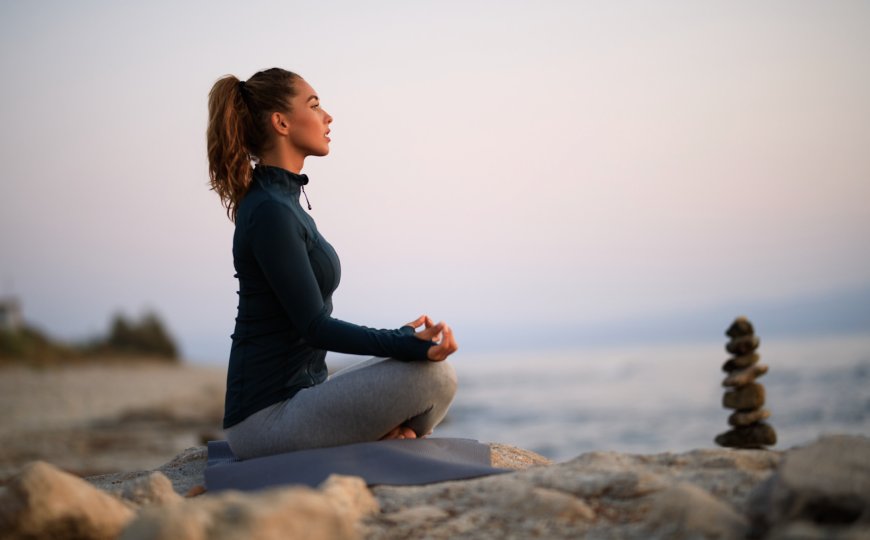
“You should try mindfulness—it’ll change your life.” You’ve probably heard this advice from a well-meaning friend, a podcast host, or a meditation app notification. It sounds intriguing in theory. But in practice? Life feels more like a whirlwind than a wellness retreat. The laundry's piling up, deadlines are approaching, your phone won’t stop buzzing, and your coffee is already cold—again.
So, how do you actually find peace amidst this chaos? The good thing is, mindfulness doesn’t mean disconnecting from life. It’s about learning how to meet life as it is—calmly, clearly, and kindly. No incense, yoga mat, or silent retreat required. Being truly present, even for a few seconds, can change everything. Let’s break it down.
What Is Mindfulness, Really?
Mindfulness involves concentrating entirely on the current moment, without deciding if it’s good or bad. It's the practice of paying attention to your thoughts, emotions, and surroundings in real time, without trying to change anything or escape. Think of your mind like a radio. Most of us are tuned to “static”—replaying past mistakes, worrying about the future, or zoning out in front of screens. Mindfulness is changing the station to what’s happening now. It’s a soft landing back into reality. Mindfulness doesn’t require hours of sitting still or a thoughtless mind. You just need to notice what’s happening inside and around you—right here, right now.
Myth-Busting: Mindfulness Isn’t Just Meditation
Most people assume mindfulness simply means meditation, but that's not the case. While meditation is a powerful way to train your attention, you don’t have to meditate to be mindful.
In fact, mindfulness can happen anytime, anywhere. You can be mindful while:
1. Washing dishes
2. Taking a shower
3. Walking to work
4. Sipping your morning tea
5. Listening to someone speak without interrupting
How you do something makes all the difference, not just what you do. Are you present or preoccupied? Mindfulness is less about adding new tasks to your day and more about transforming the way you approach the ones you already have.
3 Simple Ways to Practice Mindfulness Daily
If you're new to mindfulness or feel like you're too busy for it, here are three easy practices that take almost no extra time—but can shift your entire day.
1. The One-Minute Check-In
Set a timer for one minute. Close your eyes. Bring your attention to your breath. No need to change it—just notice it. Feel the air as it enters and leaves your nostrils or the rise and fall of your chest. This brief pause can act like a mental reboot, especially during moments of stress or overwhelm.
Pro Tip: Do this before meetings, after a long call, or during any transition. You’ll feel more grounded and clear-headed.
2. Mindful Transitions
Life often unfolds in the pauses—waiting for elevators, preparing coffee, commuting, or transitioning between activities. Take these opportunities to tune into how your body feels:
Are your shoulders tense?
Are you clenching your jaw?
Is your breath shallow?
Gently relax your body. Take one deep breath. Bring yourself back to the present. These micro-pauses create pockets of peace in otherwise chaotic days.
3. Single-Task with Intention
We live in a culture that glorifies multitasking—but our brains are wired for focus. Choose one task today—brushing your teeth, folding laundry, eating lunch—and do it with full attention.
Notice every sensation: the feel of the toothbrush, the sound of the water, the taste of your food, the textures of fabric. You’ll be surprised at how calming and fulfilling it feels to give one thing your undivided attention.
Mindful Tip: Turn off distractions (like your phone) during these moments. Let the task become your meditation.
The Science-Backed Benefits of Mindfulness
Mindfulness isn’t just a feel-good trend. It’s backed by decades of scientific research. Research suggests that consistently practicing mindfulness can lead to:
1. Reduce anxiety and stress
2. Improve concentration and memory
3. Enhance emotional regulation
4. Boost resilience and patience
5. Strengthen relationships
But perhaps more importantly, it helps you experience life rather than just survive it. You become more aware, more engaged, and more alive in your daily moments.
Why Mindfulness Matters More Than Ever
In an age of constant distraction, practicing mindfulness is like reclaiming your attention from the digital noise. Instead of scrolling through social media on autopilot or reacting to stress without awareness, mindfulness helps you respond with clarity and calm. Feeling at peace doesn’t mean disappearing into nature. You can create inner peace right here in the middle of your life—even with kids screaming, emails pinging, and to-do lists overflowing. It’s not about perfect stillness. It's about reshaping how you connect with your mind, your physical self, and the world around you.
Frequently Asked Questions about Mindfulness
1. Do I have to sit still to be mindful?
Not at all. Walking, eating, listening, and even doing chores can be mindful if done with full awareness.
2. Can mindfulness help with anxiety or overthinking?
Yes. Mindfulness can reduce anxiety by helping you become aware of your thoughts without getting swept away by them.
3. How much daily practice is needed for effective mindfulness?
Even a few minutes can be effective. The goal is consistency, not perfection.
Final Thoughts: Peace Isn’t Out There—it’s Here
You don’t need to seek peace in faraway places. Right now, it’s within reach—in every breath you take, in your body, in this moment.
When you find yourself mentally exhausted or caught up in too many thoughts, stop for a second and consider this: "Can I just be present with what’s happening right now, nothing more?"
That single question is the gateway to mindfulness. Peace is something you begin to uncover at the moment—not in the future, but at this moment.
What's Your Reaction?
 Like
0
Like
0
 Dislike
0
Dislike
0
 Love
0
Love
0
 Funny
0
Funny
0
 Wow
0
Wow
0
 Sad
0
Sad
0
 Angry
0
Angry
0

I’m Ryan Rehan, Business Development Executive and a passionate blogger dedicated to sharing insights, tips, and experiences that inspire and inform. Through my blogs, I explore topics that matter, spark curiosity, and encourage thoughtful conversations. Whether I’m breaking down complex ideas, offering practical advice, or simply sharing stories, my goal is to create content that adds real value to a growing community of curious minds and passionate readers.











Comments (0)